China has reported worse-than-expected consumption and investment data, highlighting a deepening economic imbalance that has fueled tensions with its major trading partners.
In contrast to the sluggish consumption, officials report industrial production rose by 4.5 percent in May from a year earlier, accelerating from April’s 4.1 percent growth and exceeding the 4.3 percent growth forecast in the Reuters poll.
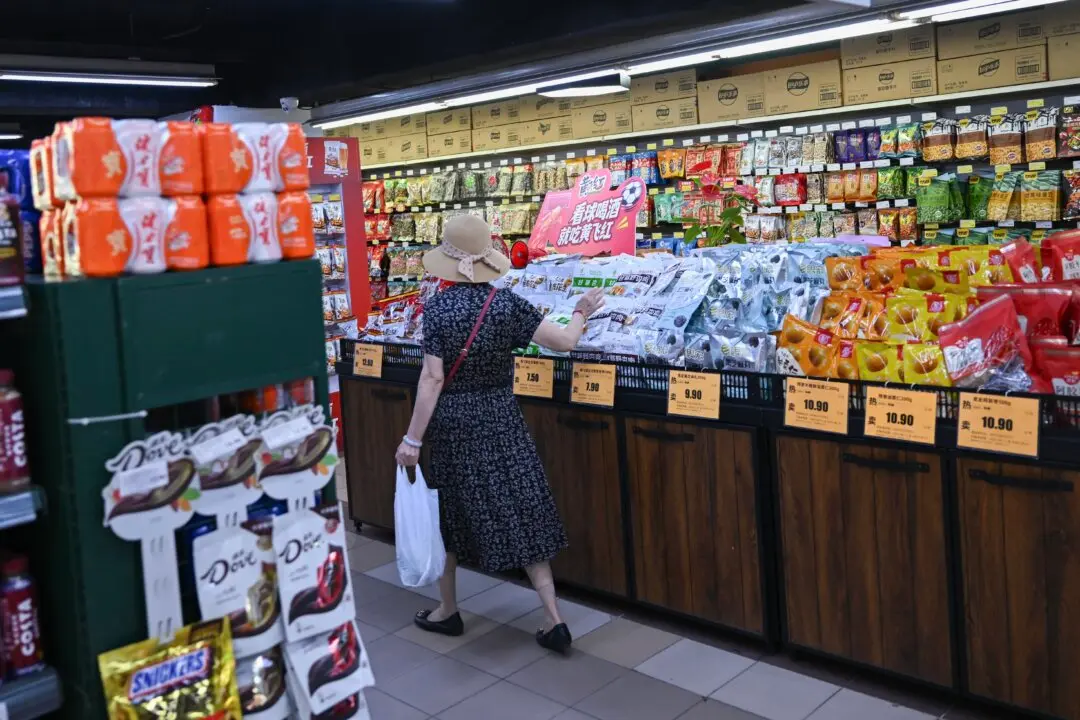
Fu Linghui, a spokesperson for the statistics bureau, attributed the decline in retail sales to bad weather, such as high temperatures and heavy rain in some regions, as well as last year’s high spending level driven by trade-in subsidies.
At the June 16 press conference, Fu said the imbalance between strong supply and weak demand is “acute.” He said that “some economic indicators have slowed down” since the second quarter and that “some enterprises have faced difficulties in operating,” blaming the “complex international environment” and “changes in domestic economic structure.”

Property Crisis
Separate data on June 16 show that investment in equipment, buildings, and other fixed assets outside the rural households dropped by 4.1 percent in the January-to-May period compared with the same period last year.It marked a deeper contraction than the 1.6 percent drop reported in the first four months of the year. Economists had expected a 2 percent year-over-year drop in investment for the first five months.
In the real estate sector, investment plummeted by 16.2 percent in the January-to-May period, widening from a 13.7 percent decline in the first four months.
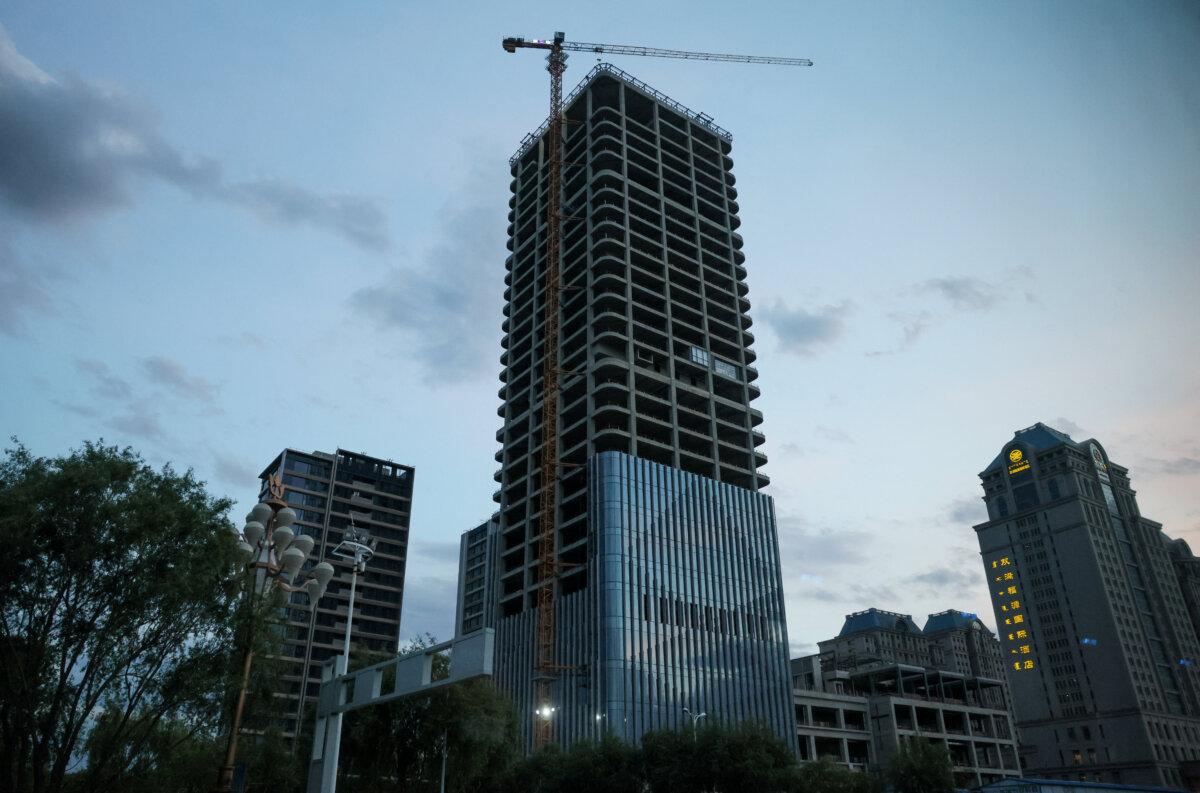
Once a key engine of China’s economic growth, the housing sector has slumped for nearly five years, eroding household wealth and dampening overall consumption appetite.
Across 70 major cities surveyed by the statistics bureau, 52 recorded a month-on-month decline in May, up from 49 in April.
The statistics agency reported that new home prices in China’s first-tier cities—namely Beijing, Shanghai, Guangzhou, and Shenzhen—rose by 0.2 percent in May, while prices in smaller cities continued to decline.
“It remains too early to confidently call a bottom for the property market, as prices continue to decline, and inventory levels remain high,” Lynn Song of ING bank wrote in a note on June 16.
Property investment “will remain a major drag on growth for some time,” Song said.
Imbalance
Amid the weakening domestic demands, Chinese factories have increasingly turned to overseas markets. Earlier this month, China’s customs bureau stated that exports in May surged by 19.4 percent from a year earlier, outpacing April’s 14.1 percent growth.Zhang Zhiwei, chief economist at Pinpoint Asset Management, said exports could continue to boost China’s economic growth this year, but a widening trade surplus may spark disputes.
“The export boom can help to mitigate the weak domestic demand in the short term,” Zhang said on June 16, noting that a potential trade conflict with Europe is a risk to watch in the coming months. “But given the size of China’s economy, strong export growth will likely lead to tension with trading partners.”
Beijing’s latest economic figures came as leaders of the Group of Seven convened in Évian, France, where China’s economic imbalance is expected to be a key topic.
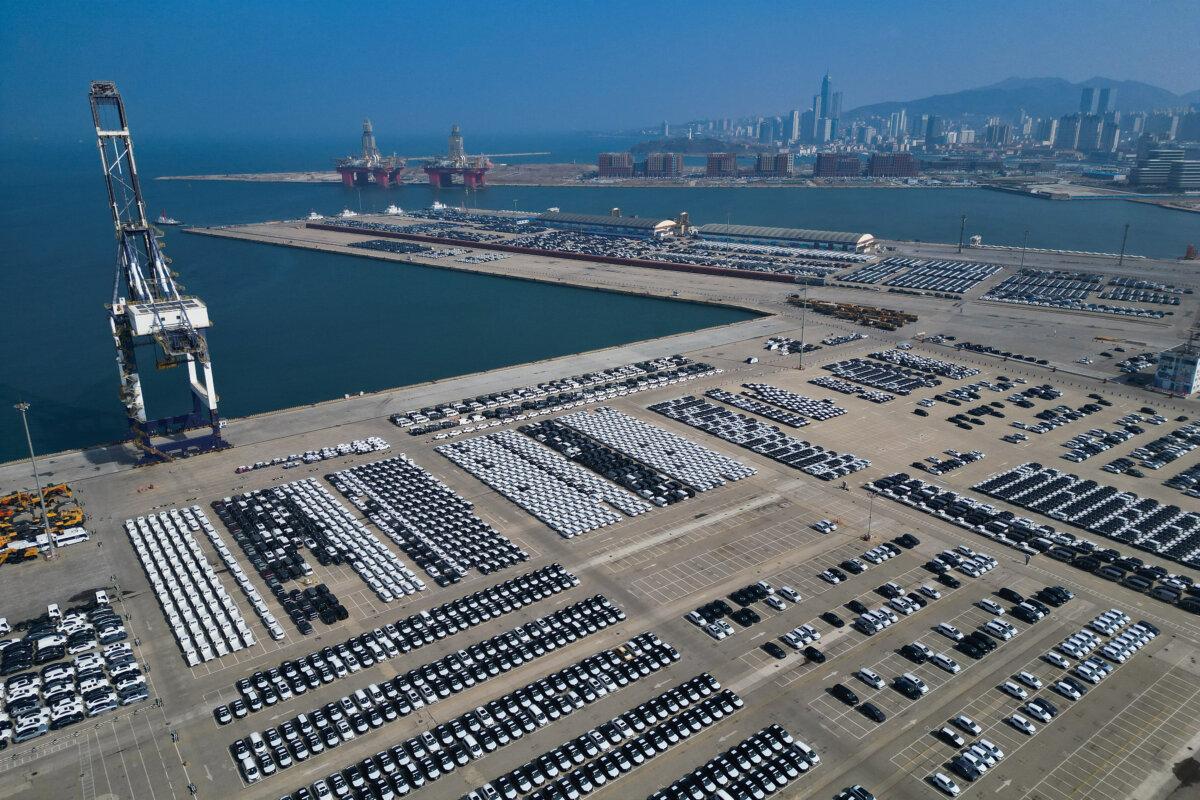
European Commission President Ursula von der Leyen noted that last year, the 27-nation bloc recorded its largest-ever trade deficit with China at 360 billion euros ($417 billion).
“If you look at the year 2025, this will be remembered as the year where, for the first time ever, all Member States had a trade deficit with China,” von der Leyen said in a statement ahead of the summit.
“This is of course not sustainable.”