China’s economic growth slowed to its weakest pace in three years last quarter, adding pressure on Beijing to introduce more stimulus to meet official targets.
Gross domestic product (GDP) grew by 4.3 percent year over year in the second quarter, according to National Statistics Bureau data released on Wednesday. It slowed sharply from a 5 percent expansion reported in the first quarter and fell short of a 4.5 percent gain forecast by economists polled by Reuters.
“If even the official figures from the statistics bureau—which often polishes unfavorable data—appear grim, the real situation of the economy must be very bad,” David Huang, a U.S.-based analyst familiar with the Chinese economic situation, told The Epoch Times.
Attention is now turning to the upcoming Politburo meeting at the end of this month, where the Communist Party’s top officials will reveal whether they plan to deliver stimulus to keep the economic engine running.

“Without support, we’re likely to see growth continue to grind lower,” Lynn Song, chief economist for Greater China at ING Bank, said in a note on Wednesday.
Zhiwei Zhang, chief economist at Pinpoint Asset Management in Hong Kong, doubts the Politburo will signal a wider fiscal deficit, given that exports for now remain strong.
“There is a general consensus among policymakers and researchers that China needs to boost domestic demand,” he said. “But there is no consensus [on] how to do it.”
Deepening Imbalance
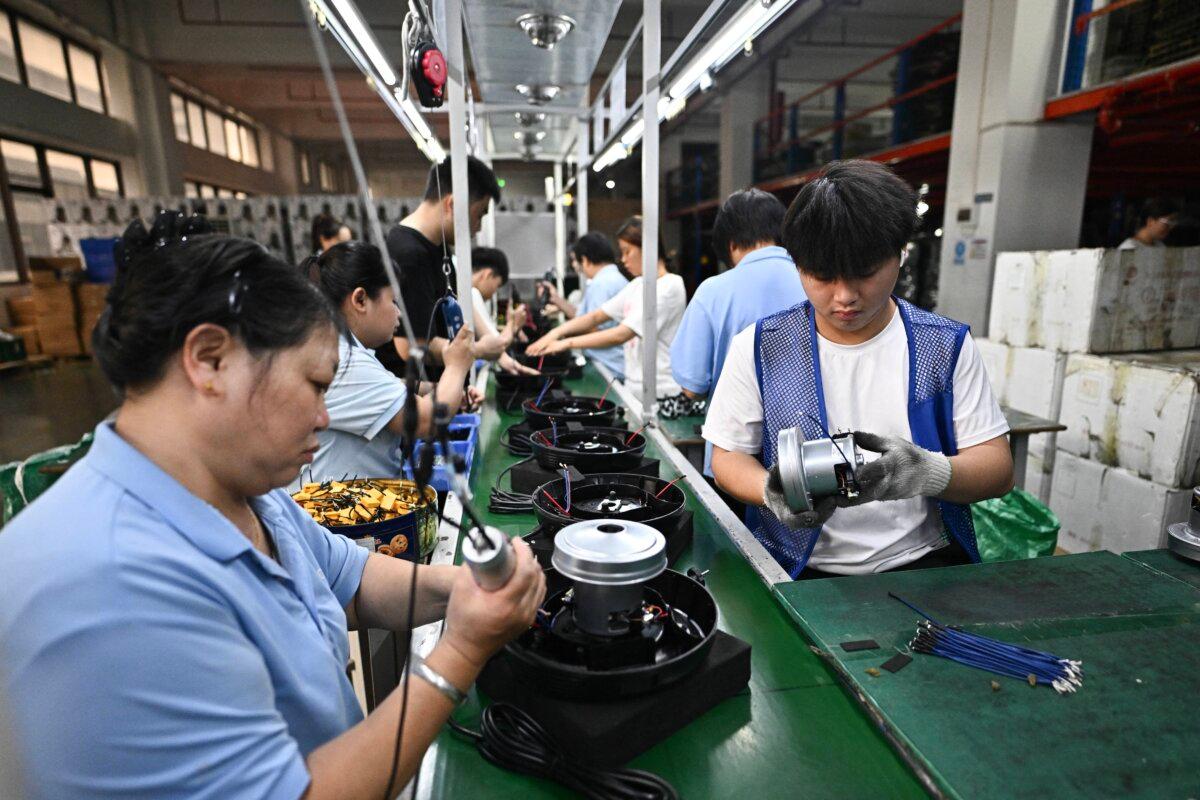
Separate official Chinese data released on Wednesday show that retail sales, a measure of consumer spending, rose by 1 percent year over year in June, up from a 0.6 percent decline in May.
Industrial production grew by 5.3 percent from a year earlier, accelerating from a 4.5 percent increase recorded in May.
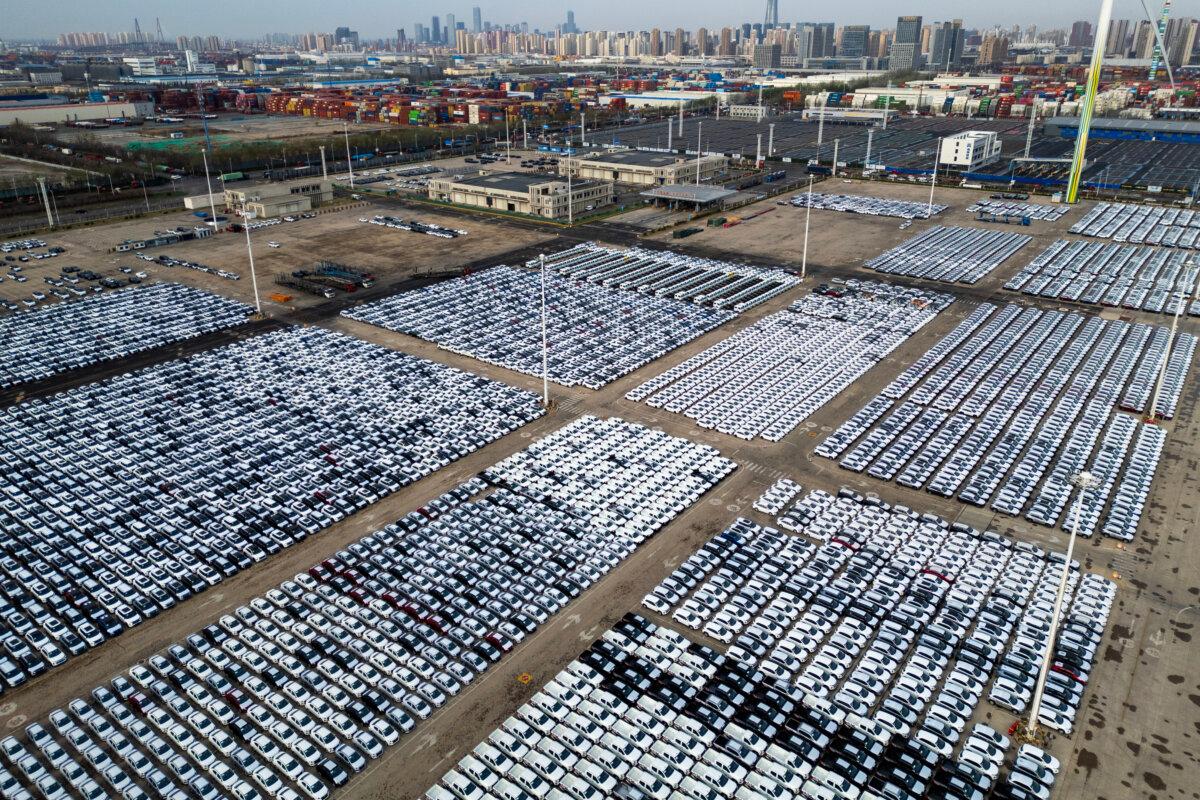
Exports have surged to a record high. Customs data released Tuesday showed shipments from the country beat expectations, jumping 27 percent in June from a year earlier in U.S. dollar value terms.
European Commission President Ursula von der Leyen has signaled potential retaliation if Beijing fails to deliver tangible results by October.
“Dialogue is essential, but the dialogue has to deliver,” von der Leyen told reporters in Cork, Ireland, earlier this month. “We are basically prepared for everything, and we have all the instruments on the table.”
Slow Spending
In the first half of the year, fixed-asset investment, which measures long-term assets in everything from land and ports to rail, declined 5.7 percent from the same period last year. Investment in the property market recorded an 18 percent year-on-year drop.
Andy Ji, an analyst at Shanghai-based ITC Markets, said the “primary drag” on growth was the investment downturn.
“A high-tech-driven industrial engine running alongside cratering domestic consumption and investment firmly highlights the economy’s deeply uneven growth momentum,” Ji said.
Prominent Chinese economist Li Daokui raised concerns last week about the continued slump in fixed-asset investment, calling the contraction unprecedented. He also called attention to the high unemployment rate, especially among young people aged 16 to 24.
Li cautioned that if employment and investment were left unresolved, broader economic goals would face severe difficulties.
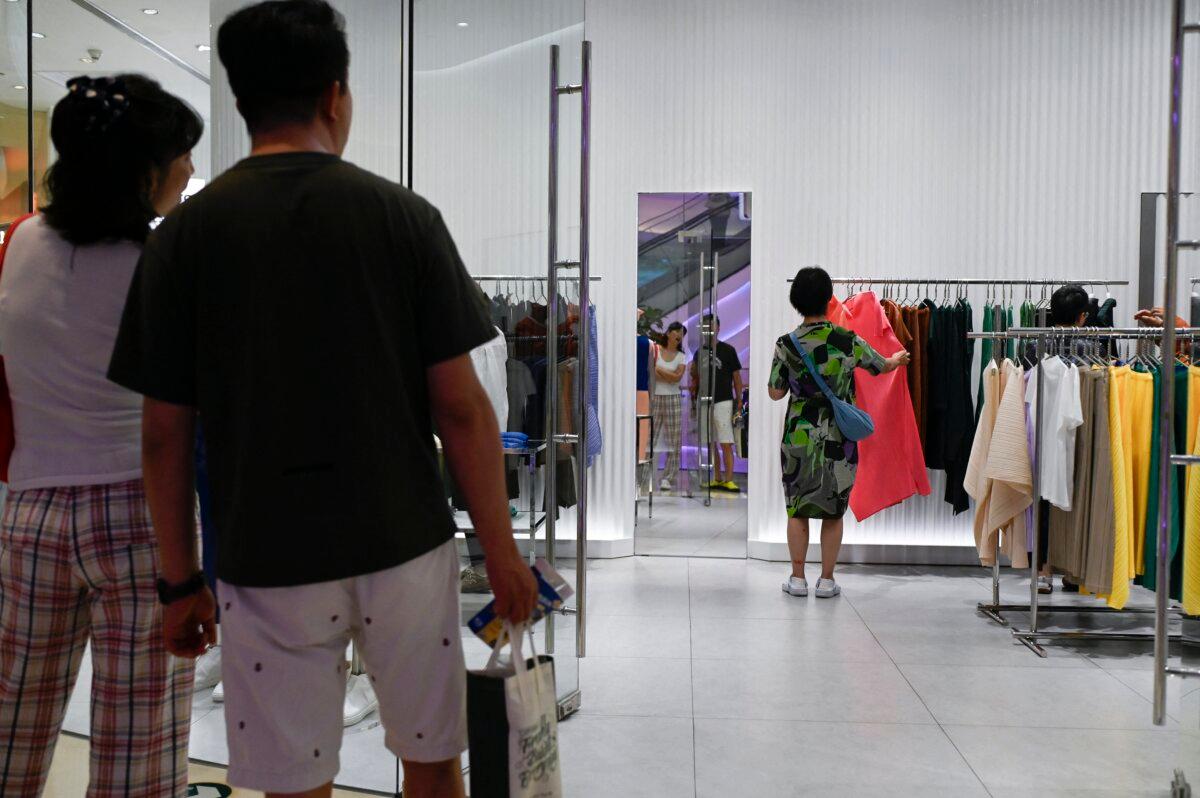
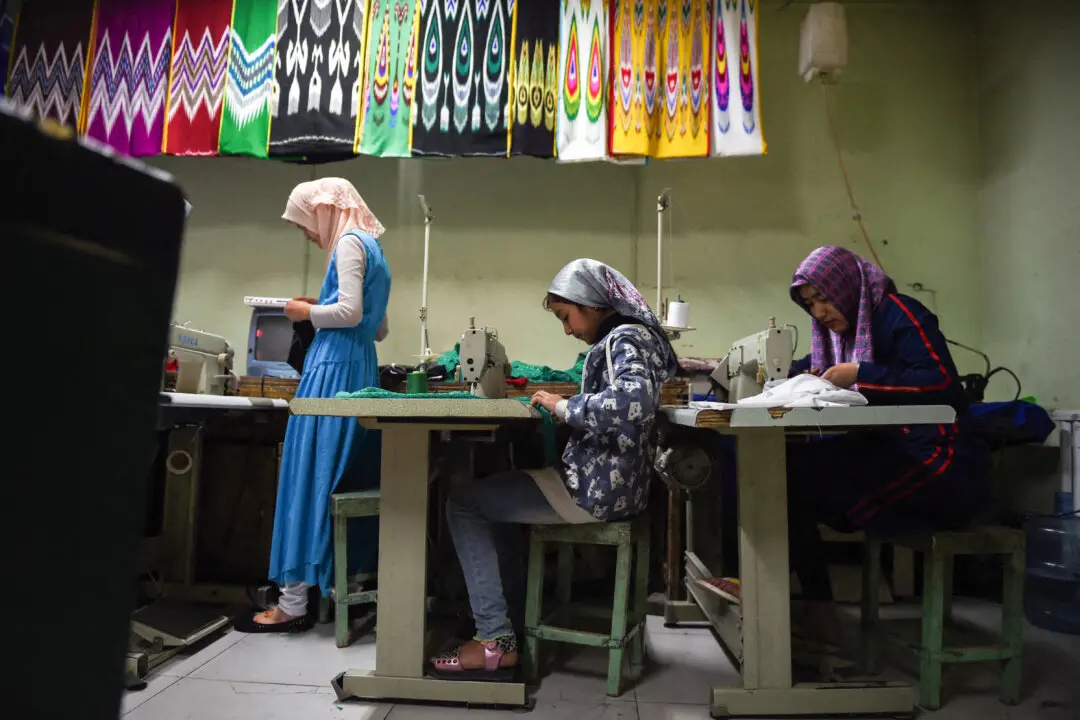
Interviews of Chinese families and small business owners in recent weeks also painted a bleak picture. Several families said they’ve cut back on or delayed nonessential purchases due to uncertainty about jobs and wages in the wake of the property crisis that has eroded their wealth.
“It’s not that people don’t want to spend. They’re afraid to,” said Zhao—who asked to only use a surname—in Jinan, a provincial capital of Shandong, one of China’s wealthiest provinces.
“People think twice before spending.”