In the first week of December, total applications to refinance a mortgage advanced by 14 percent from the previous week.
“Compared to the prior week’s data, which included an adjustment for the Thanksgiving holiday, mortgage application activity increased last week, driven by an uptick in refinance applications,” Joel Kan, Mortgage Bankers Association vice president and deputy chief economist, said in a statement.
Conventional refinance applications increased nearly 8 percent, while demand for Federal Housing Administration (FHA) refinances surged 24 percent.
Current homeowners with government loans, which require mortgage insurance, took advantage of lower interest rates.
The average contract interest rate for 30-year fixed-rate mortgages backed by the FHA declined to 6.08 percent—the lowest level since September 2024—from 6.12 percent.

By comparison, the typical 30-year fixed-rate mortgage ticked up to 6.33 percent from 6.32 percent.
In addition, traditional purchase applications slipped last week, but FHA purchase applications rose 5 percent “as prospective homebuyers continue to seek lower down payment options,” Kan said.
“Overall purchase applications continued to run ahead of 2024’s pace as broader housing inventory and affordability conditions improve gradually,” he said.
Examining Mortgage Rates
While mortgage rates have been trending lower this year, they have been edging higher so far this month, primarily driven by rising U.S. Treasury yields.The mortgage market generally tracks the bond market, specifically the benchmark 10-year yield, which is typically based on investors’ expectations for economic growth, inflation, and fiscal and monetary policy.
Since the beginning of December, the 10-year yield has risen nearly 20 basis points, to 4.18 percent.
“Mortgage rates are trending higher ahead of an expected 25 basis-point Fed cut, driven by global market factors and Treasury supply,” Jeff DerGurahian, head economist and CIO at loanDepot, said in a note emailed to The Epoch Times.
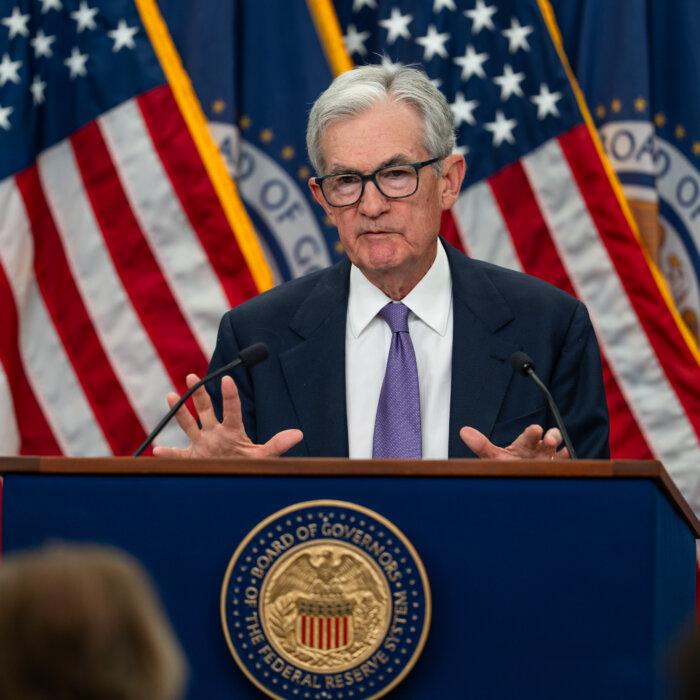
But traders will pay close attention to what Fed Chair Jerome Powell says in his post-meeting press conference and to the institution’s outlook, also known as the Summary of Economic Projections.

What could influence Treasury yields and mortgage rates is how the Fed’s 2026 policy expectations compare to market forecasts.
“As markets remain confident in a Fed cut, attention is turning to what comes next. Investors are eager for clues from Chair Jerome Powell on the appetite for additional reductions in 2026,” DerGurahian added.
‘Normalization in Housing’
U.S. housing market activity has stalled in the home stretch of 2025.“Homebuyers are getting cold feet due to high housing costs and economic uncertainty,” the real estate platform said in the Dec. 3 report. “Many are convinced they’ll be able to find a home they like better because there are so many listings on the market.”
Investors are also apprehensive about getting off the sidelines.
With DerGurahian penciling in mortgage rates inching toward 6 percent heading into 2026, a “normalization in housing” could be underway.