President Donald Trump said on June 26 that countries imposing a Digital Services Tax (DST) on U.S. firms would face a 100 percent tariff.
In a Truth Social post, the president stated that the levies would supersede any agreement, “signed, or not,” between the United States and trade partners.
“Numerous European Countries have been discussing the imminent implementation of a Digital Services Tax on American Companies. Some of these Countries are close to actually doing this,” Trump wrote on his social media platform.
The tariff would be introduced immediately, he added.
DSTs are levies imposed on large U.S. tech firms—Amazon, Alphabet, and Meta Platforms, for example—by almost 20 nations.
American officials have criticized them during trade negotiations.

Last year, Trump abruptly ended talks with Canada over its digital tax, prompting Ottawa to rescind the 3 percent levy.
Trump has also targeted European countries over these levies.
In an interview with The New York Post, Trump said France needs to ditch its 3 percent tech “sales tax” or face a 100 percent import duty on wines and champagne.
“I asked [President Emmanuel Macron] not to charge American companies, and if they do, I have no choice but to charge a 100 percent tariff on all champagnes and all wines coming out of France,” Trump said.
France maintains a 3 percent digital services tax, and lawmakers are considering raising it to between 6 percent and 15 percent.
Macron has ruled out abolishing it.
The president warned last year that it would slap a “big tariff” on the United Kingdom if it refused to abandon its digital levy.
The government backed off its 2 percent tax.
The European Union maintains a digital services tax, but the bloc’s leadership has committed to addressing the levy as part of its trade agreement with the United States.
It’s unclear what authority the president would use to impose the new tariffs.
The Supreme Court ruled against Trump’s sweeping global reciprocal tariff agenda, stating that the International Emergency Economic Powers Act did not authorize his action.
Shortly after the high court’s determination, Trump announced a new universal 10 percent global tariff under Section 122 of the Trade Act of 1974.
Others Addressing DSTs
Tax Foundation economists have argued that digital service taxes often result in double taxation, particularly for North American companies, which account for 40 percent of the value created.
“Digital Services Taxes should, by and large, be removed to avoid the distortions that taxes on revenues create. Absent repeal, countries should clarify ways that businesses can avoid being taxed twice on digital income,” they wrote in an April 2024 paper.
The administration might have also found support from several members of Congress.
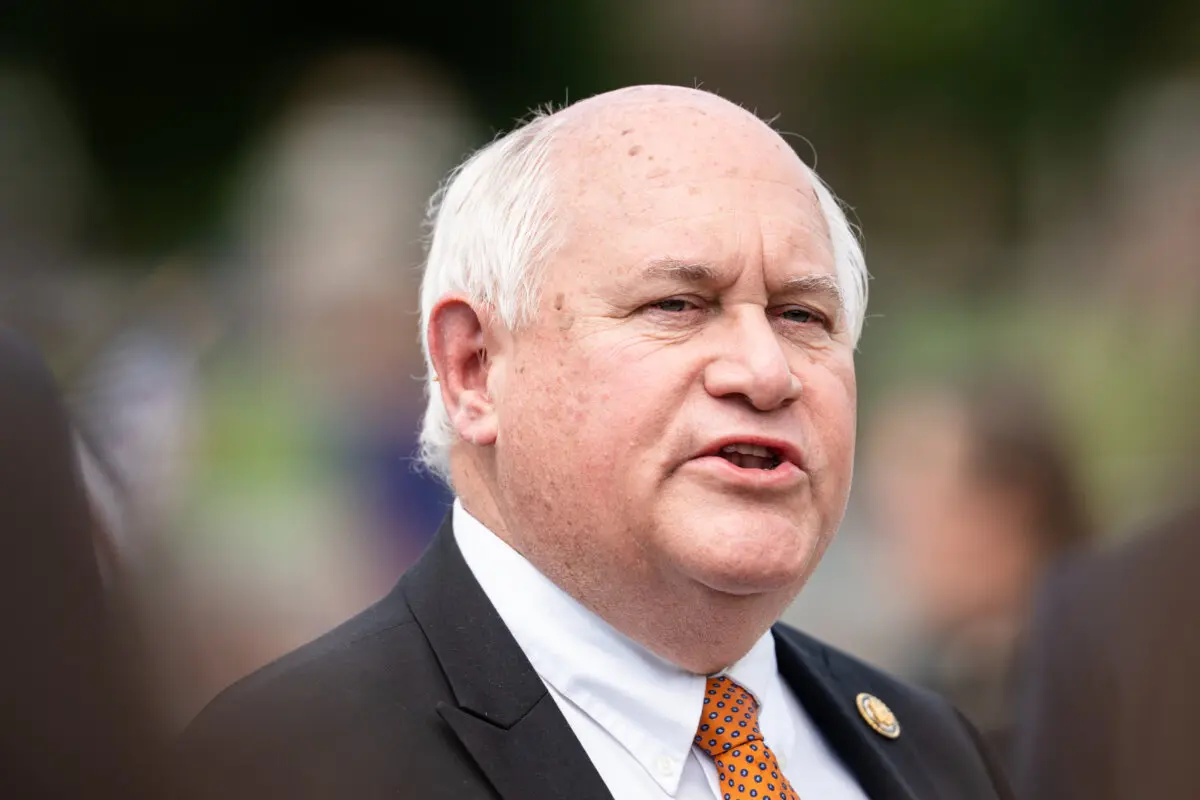
Rep. Ron Estes (R-Kan.) introduced a bipartisan resolution earlier this month—H.Res. 1340—expressing strong opposition to digital taxes implemented by foreign nations.
“Free and fair trade relies on international cooperation, mutual respect, and legal certainty,” Estes said in a statement.
“DSTs are designed to unfairly penalize American innovation, creating a hostile environment of double taxation and market distortion that harms not just our premier tech companies, but also the U.S. small businesses and consumers who rely on them.”
A chorus of trade associations has also urged the White House to address the taxes.
“While Canada and the United Kingdom are not the only countries implementing such discriminatory measures, they currently represent the largest burden on U.S. firms and the U.S. Treasury, costing billions of dollars in lost revenue, impeding market access, and reducing the U.S. tax base,” the U.S. Chamber of Commerce said in a June 2025 letter to the White House.
Evgenia Filimianova and Savannah Hulsey Pointer contributed to this report.