WASHINGTON—Thousands of flights have been delayed. Tens of millions of Americans are set to lose food stamps. And a possible spike in health care premiums is on the horizon.
Almost 30 days into the government shutdown, serious consequences are looming into view, potentially motivating lawmakers to end the shutdown.
That would be a change of pace.
For almost a month, lawmakers from both parties in the upper chamber have traded blame for the shutdown.
Republicans, joined by some Democrats, have sought to pass a continuing resolution that would effectively maintain funding at current levels.
Democrats advanced their own measure that would increase spending on health care—including on Obamacare premium tax credits, which are poised to expire at the end of the year if Washington does not work out a deal.
Open enrollment for health insurance starts on Nov. 1, meaning that premiums could tick up for many Americans.

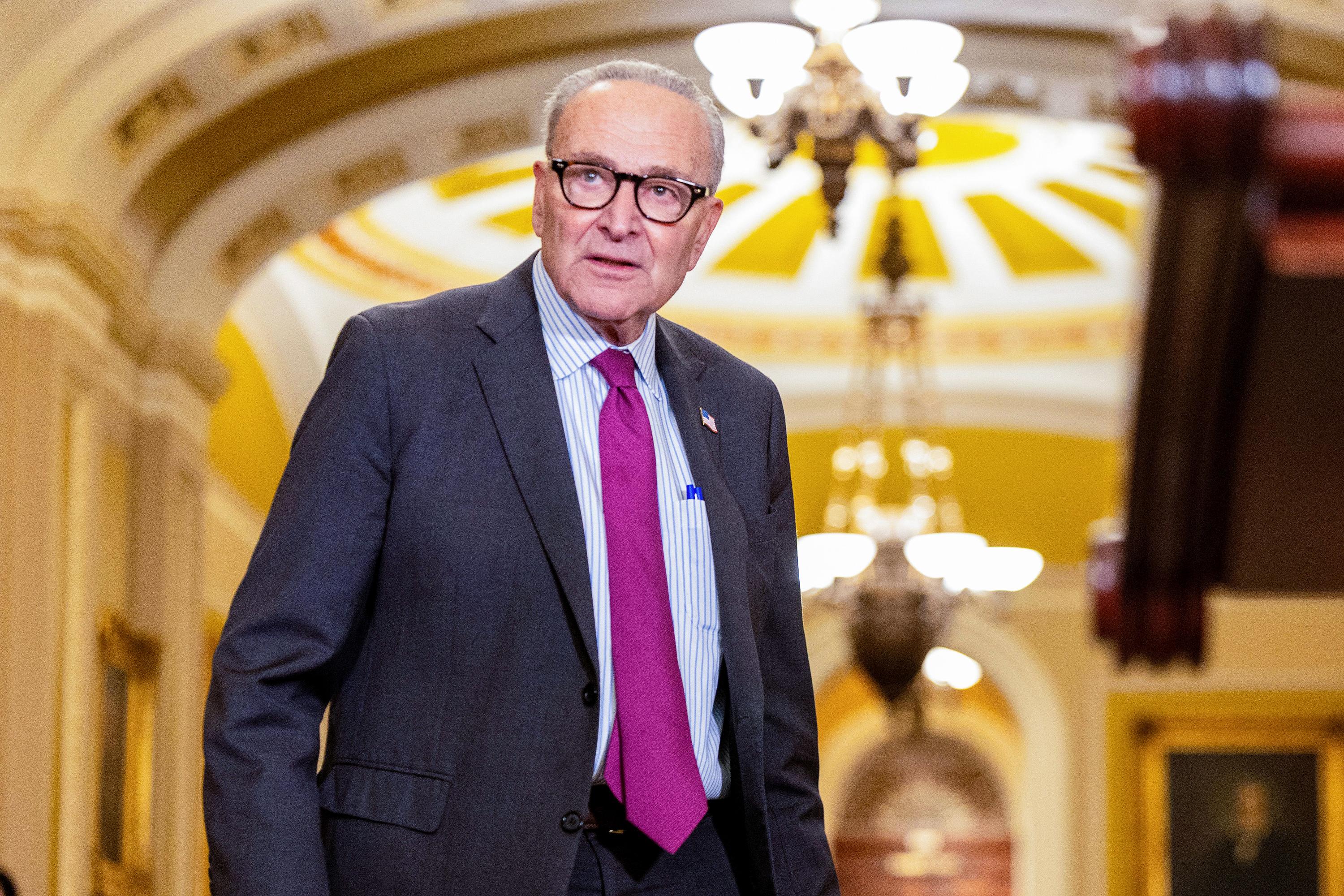
“We’re on the precipice of a historic crisis, and Republicans don’t even want to talk to us,” Senate Minority Leader Chuck Schumer (D-N.Y.) said during an Oct. 28 press conference.
That same day, Thune said President Donald Trump, then on a trip to Asia, told him he would be glad to speak with Democrats next week about addressing Obamacare—“but you can’t do that when the government is shut down.”
Schumer has also faced new pressure from the American Federation of Government Employees, a federal workers union that is broadly aligned with the Democrats.
On Oct. 27, it called on Democrats to pass the Republican-backed continuing resolution.
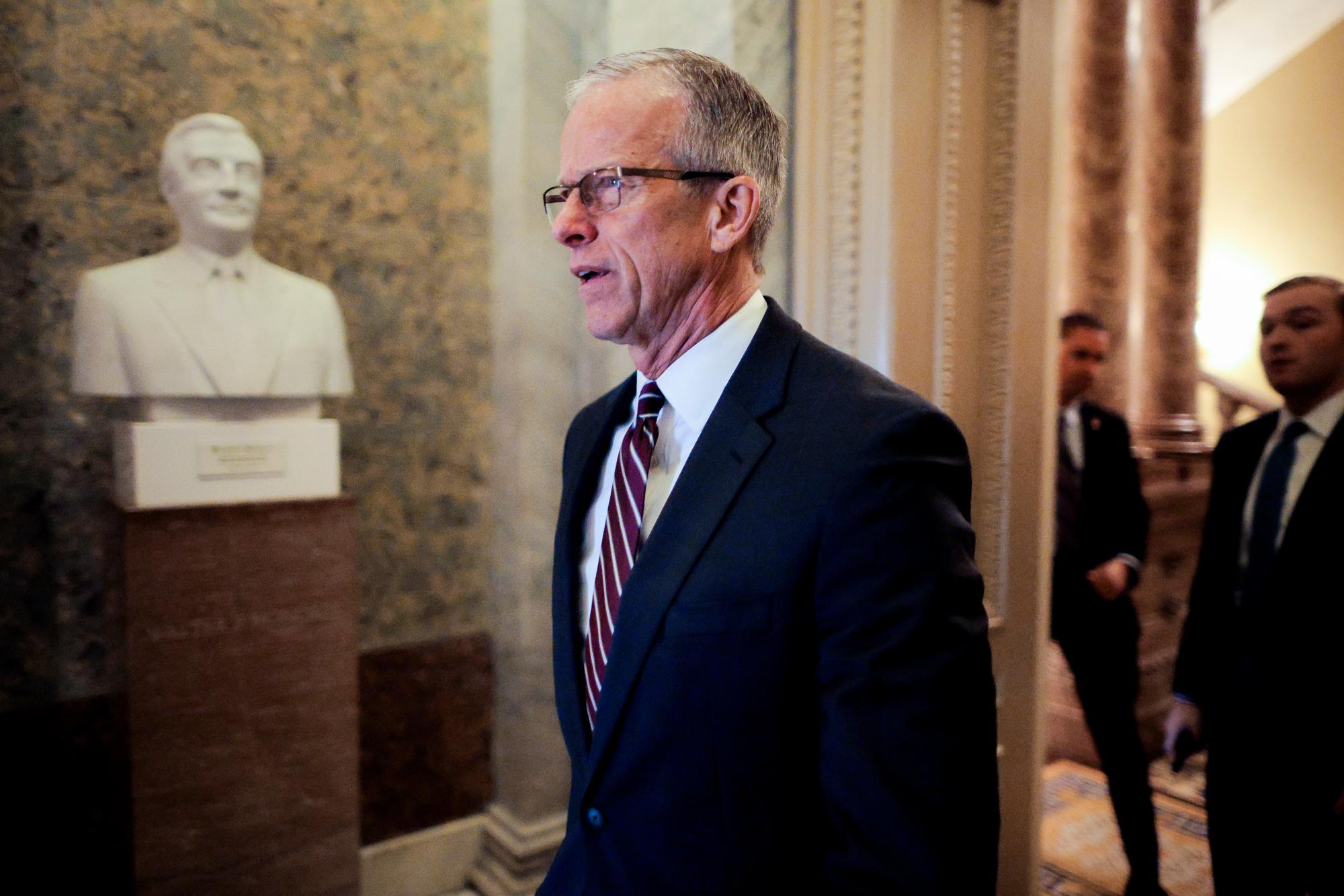
Yet on Oct. 29, Thune wasn’t the only lawmaker who mentioned a thaw in relations.
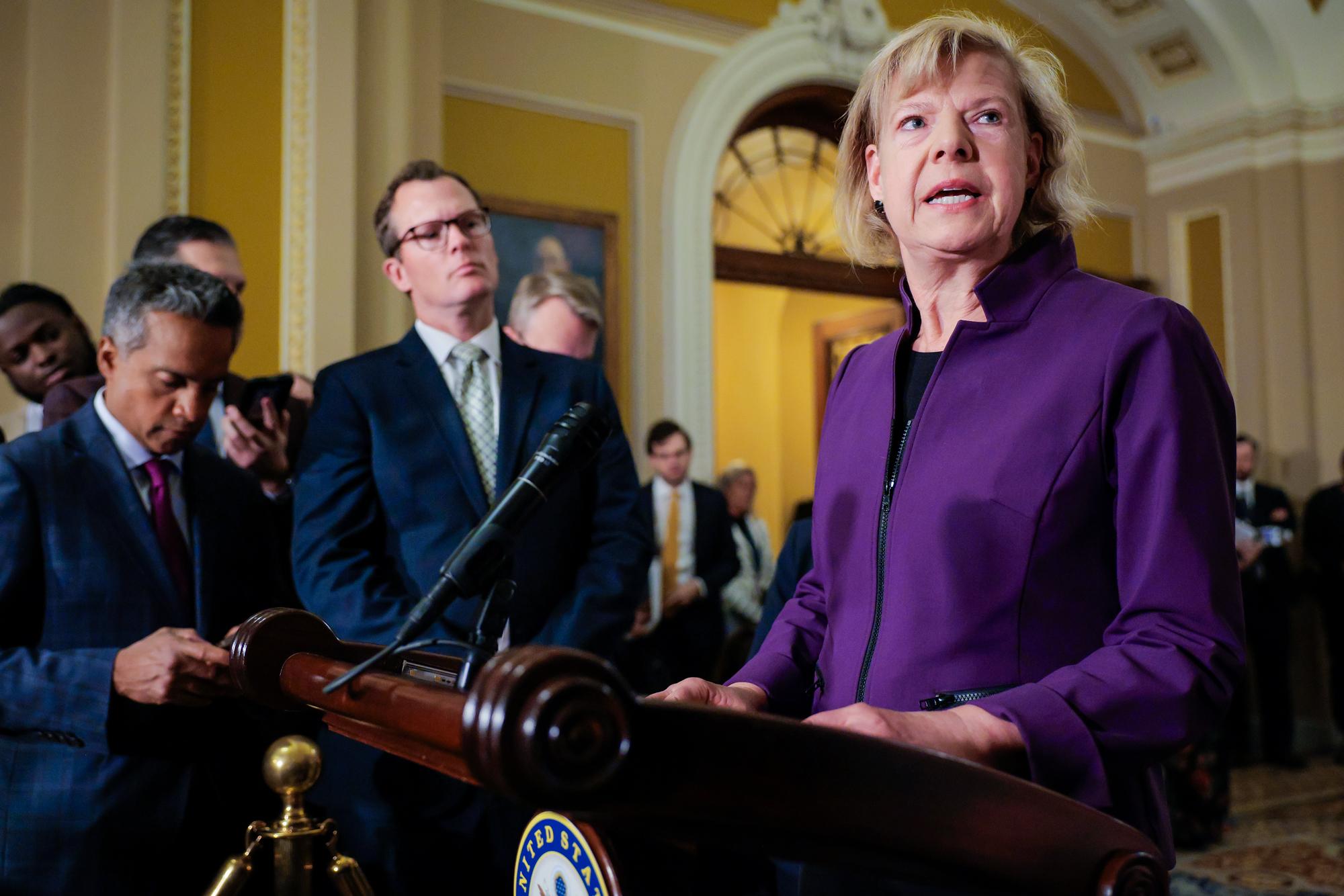
Sen. Tammy Baldwin (D-Wis.) told reporters that “I feel like there’s more conversations happening across the party aisle.”
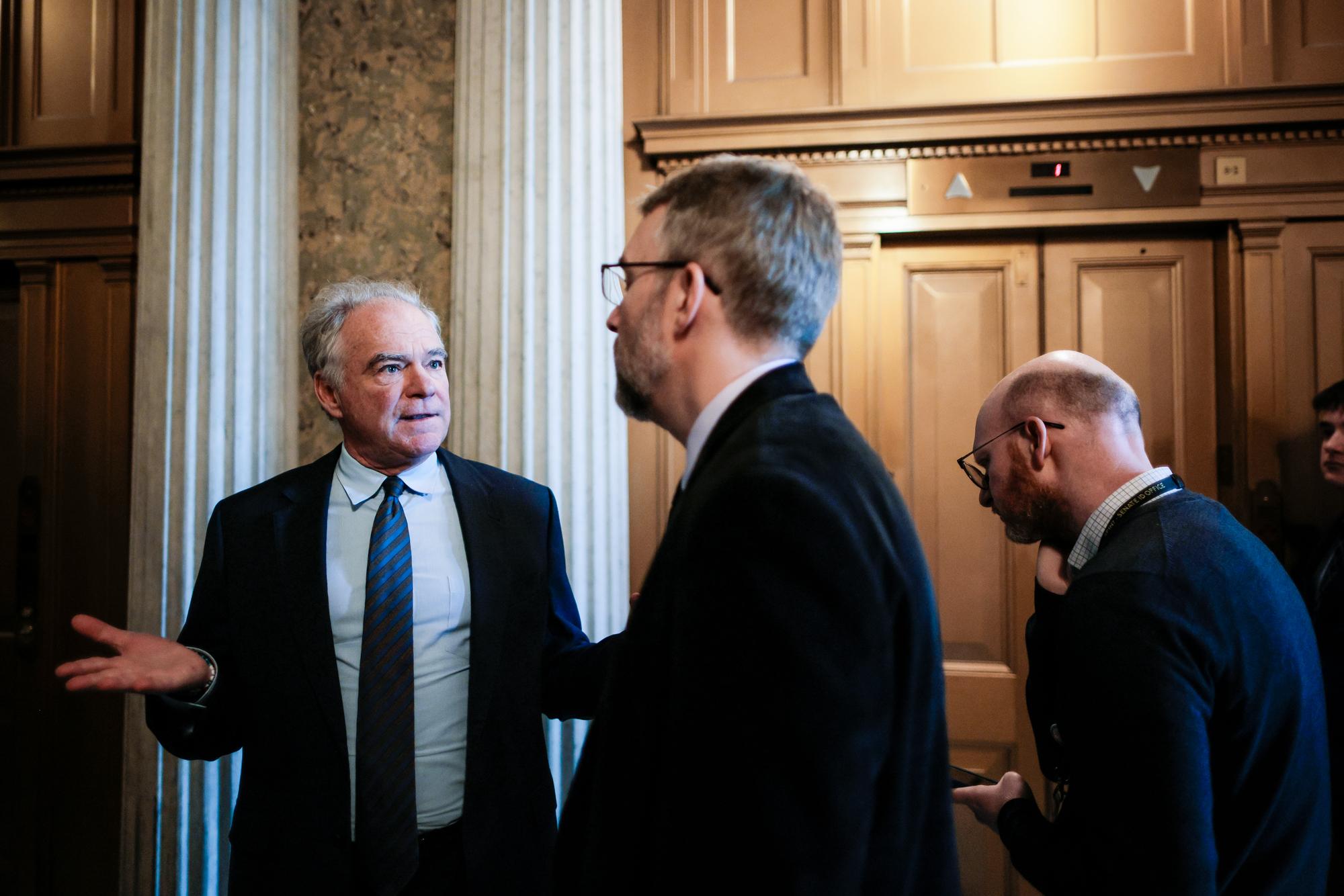
“I do think there’s a lot of good discussion,” said Sen. Tim Kaine (D-Va.), saying that a central group “is really talking about the health care issues.”
SNAP Benefits in Jeopardy
A deadline to fund the Supplemental Nutritional Assistance Program, or SNAP, could be powerful in bringing parties to the table.“The Democrats have caused the problem,” he said.
The program, known colloquially as food stamps, is set to stop issuing benefits on Nov. 1.
Roughly 42 million Americans rely on SNAP, also known as food stamps.
“At this time, there will be no benefits issued Nov. 1,” the message reads.
Democrats have called on the administration to draw on a multibillion-dollar contingency fund to keep funding SNAP, which falls under the Department of Agriculture.

“The contingency fund is not available to support [fiscal year] 2026 regular benefits, because the appropriation for regular benefits no longer exists,” it reads.
House Speaker Mike Johnson (R-La.) has defended the administration’s stance.
“It’s a finite source of funds. It was appropriated by Congress, and if they can transfer funds from these other sources, it pulls it away immediately from school meals and infant formula,” he told reporters on Oct. 27.
Rep. Mariannette Miller-Meeks (R-Iowa) went on to introduce parallel legislation in the House, which has been out of session for weeks.
Several days later, Sen. Ben Ray Luján (D-N.M.) introduced his own bill to fund both SNAP and the Special Supplemental Nutrition Program for Women, Infants, and Children, better known as WIC.
Air Traffic Control, Military
Lapses and potential lapses in pay for air traffic controllers and the military have also raised the stakes.On Oct. 28, 13,000 air traffic controllers across the country didn’t receive a paycheck.
The lack of pay has led to air traffic controller absences, driving thousands of flight delays nationwide. Duffy and lawmakers have also raised concerns over the safety of air travel.

Military pay is another worry.
Ahead of that vote, Sens. Chris Van Hollen (D-Md.) and Gary Peters (D-Mich.) described competing proposals that would have extended relief to furloughed employees.

Filibuster
As the shutdown has dragged on, some Republicans have voiced openness to altering the filibuster—a key impediment to passing the continuing resolution, which is already supported by a majority of senators.Trump called on the Senate to rethink the filibuster during his first term. President Joe Biden and Senate Democrats pushed for a change to the filibuster in 2022.
They faced opposition from two members of their own party who later became independents, Sens. Joe Manchin (W.Va.) and Kyrsten Sinema (Ariz.). Both are no longer in the Senate.
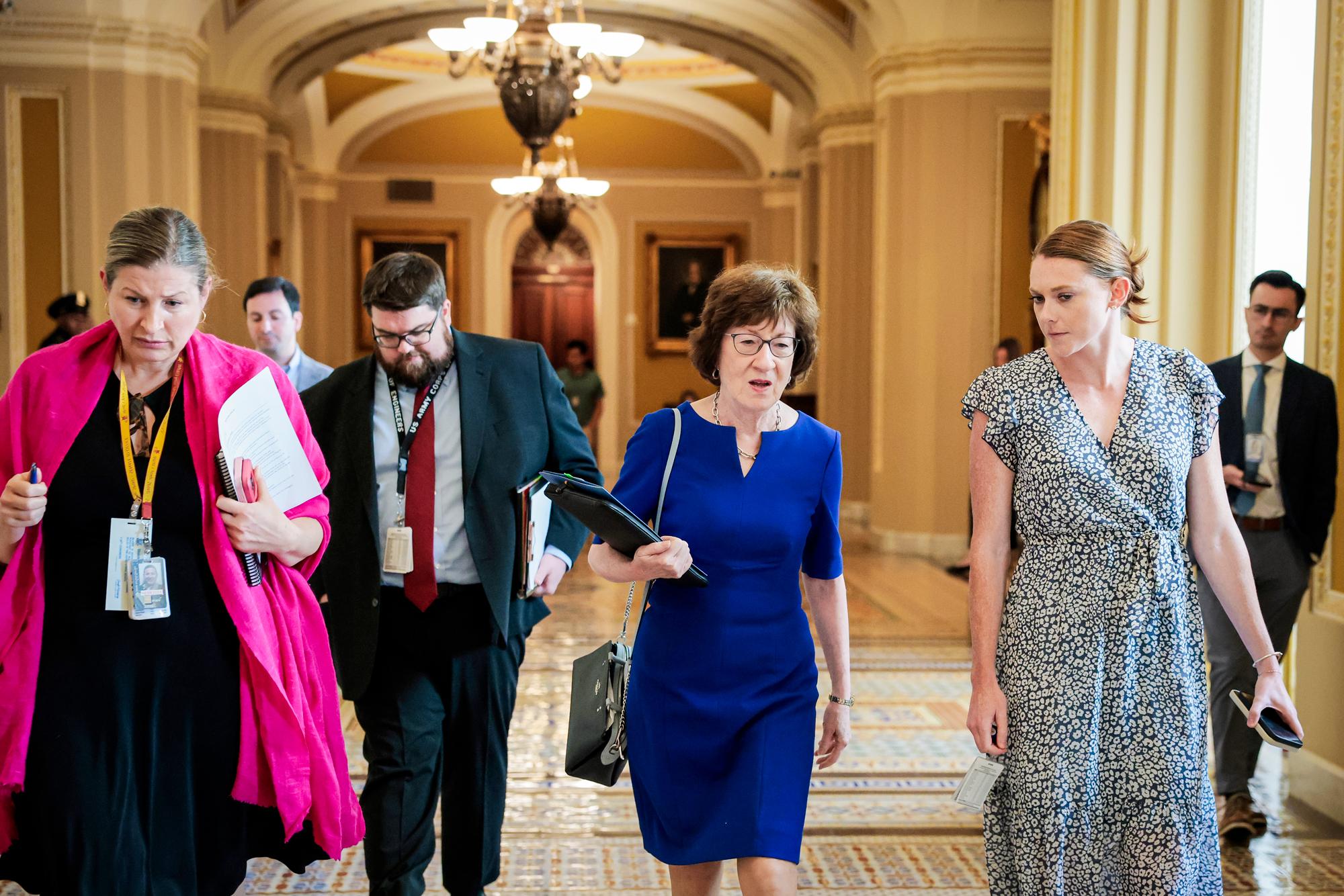
Amid chatter over the issue, Sen. Susan Collins (R-Maine) told reporters on Oct. 23 that “I am a strong supporter of the filibuster, but obviously I'll look at any plan that anyone puts out ... to reopen government.”
Sen. John Fetterman (D-Pa.), one of the Democrats who has backed the Republican spending bill, has also called on his colleagues to rethink the institution.
Yet virtually all Senate Republicans who spoke with The Epoch Times in late October sounded skeptical that any such push could gain momentum.
“I’ve heard about it, but at this point, I literally haven’t heard from any of my Senate Republican colleagues that they actually want to push ahead with this,” Sen. Andy Kim (D-N.J.) told The Epoch Times on Oct. 27.
Thune has continued to oppose changes to the filibuster.