MEMPHIS—Rib joints in Tennessee to department stores in Oklahoma are filling up with women Charlestonning their way through a resurgence of mahjong.
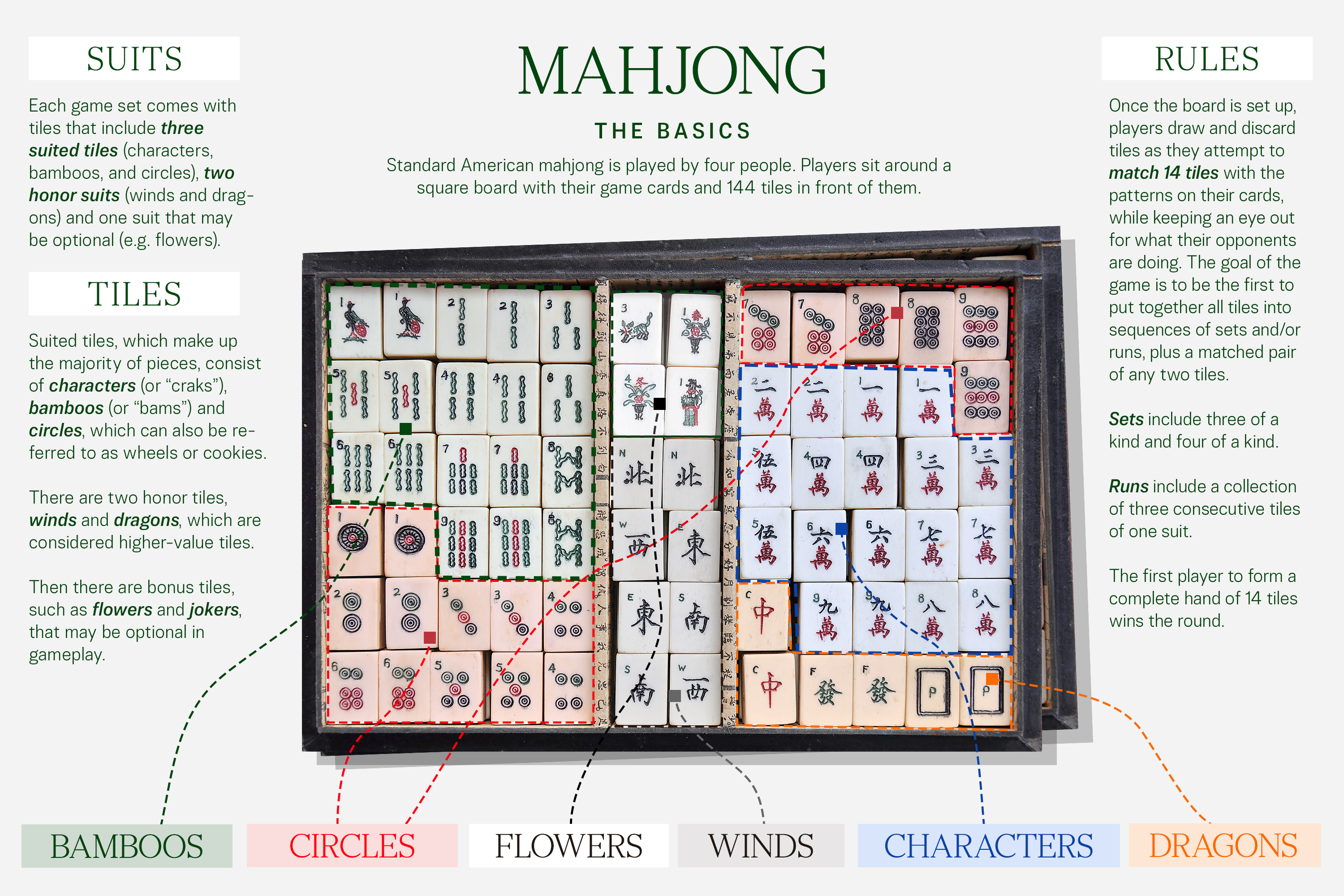
Mahjong is a tile-based game that originated in 19th-century China and was brought to the United States in the 1920s.
The game surged in popularity after the coronavirus pandemic, as people, especially women, sought to reignite their social circles with a little friendly competition.
There are approximately 1,026 mahjong clubs across the United States, according to research published by Bam Good Time in April.
States with the most clubs include Texas, Florida, California, New Jersey, and Pennsylvania.
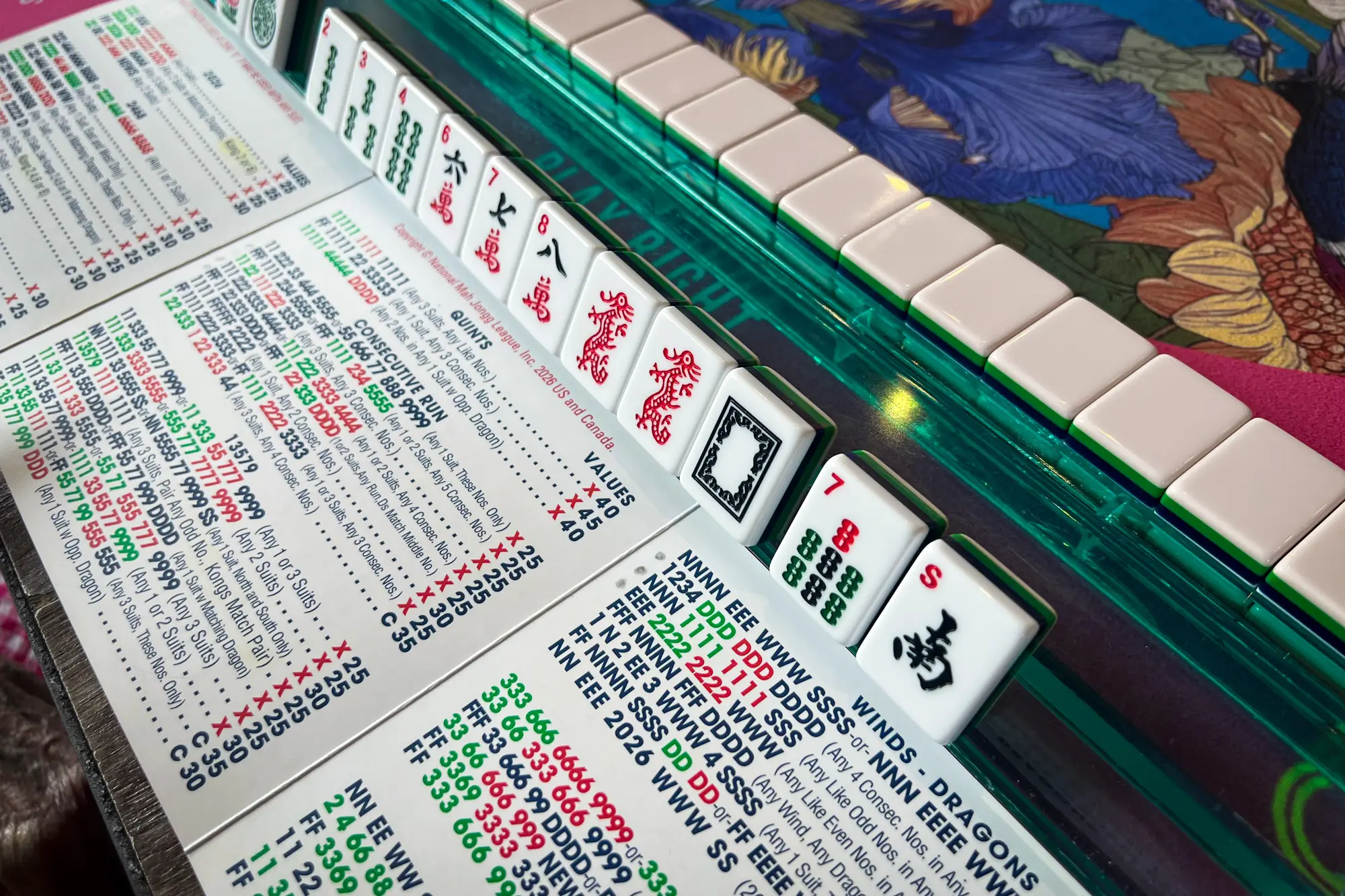
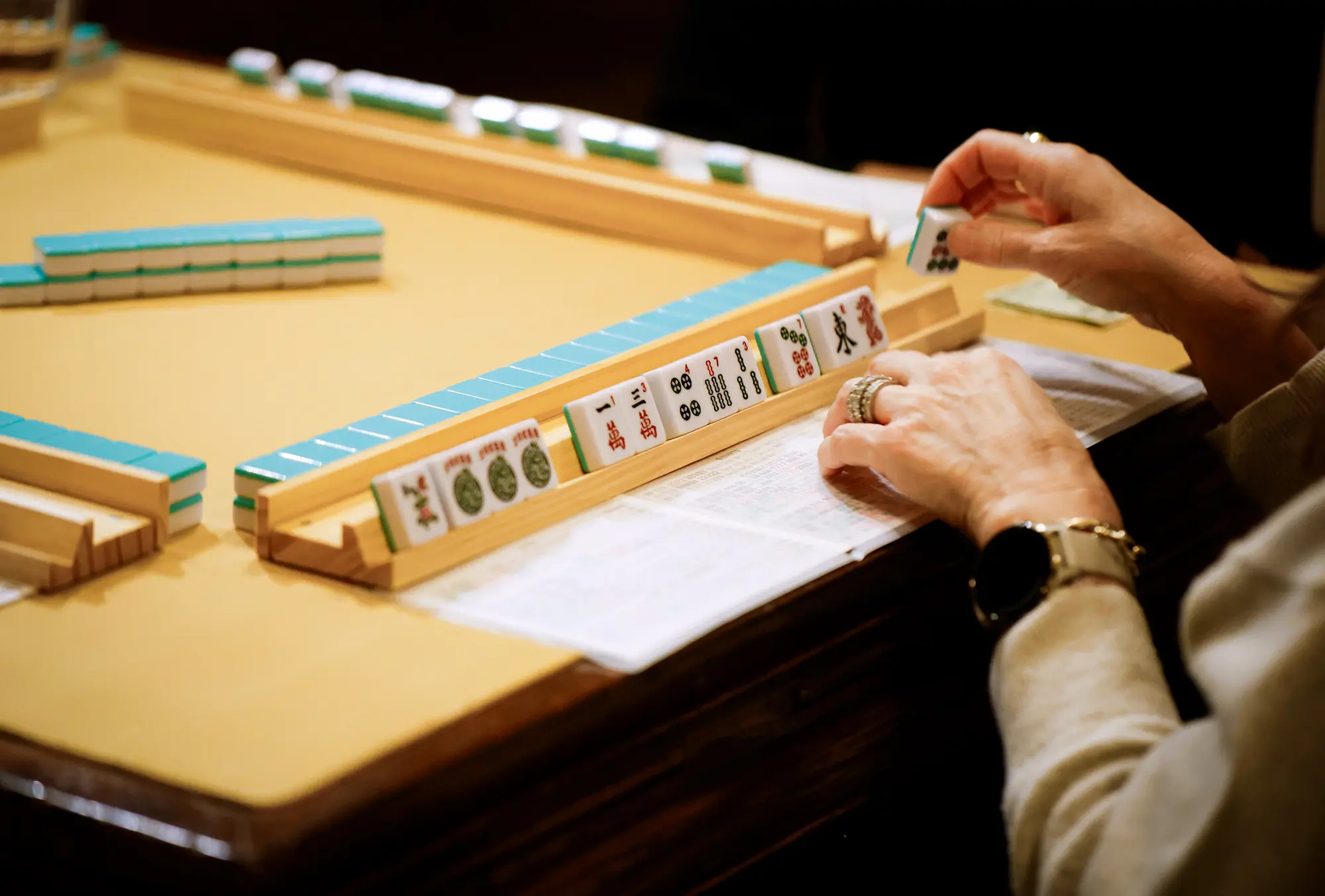
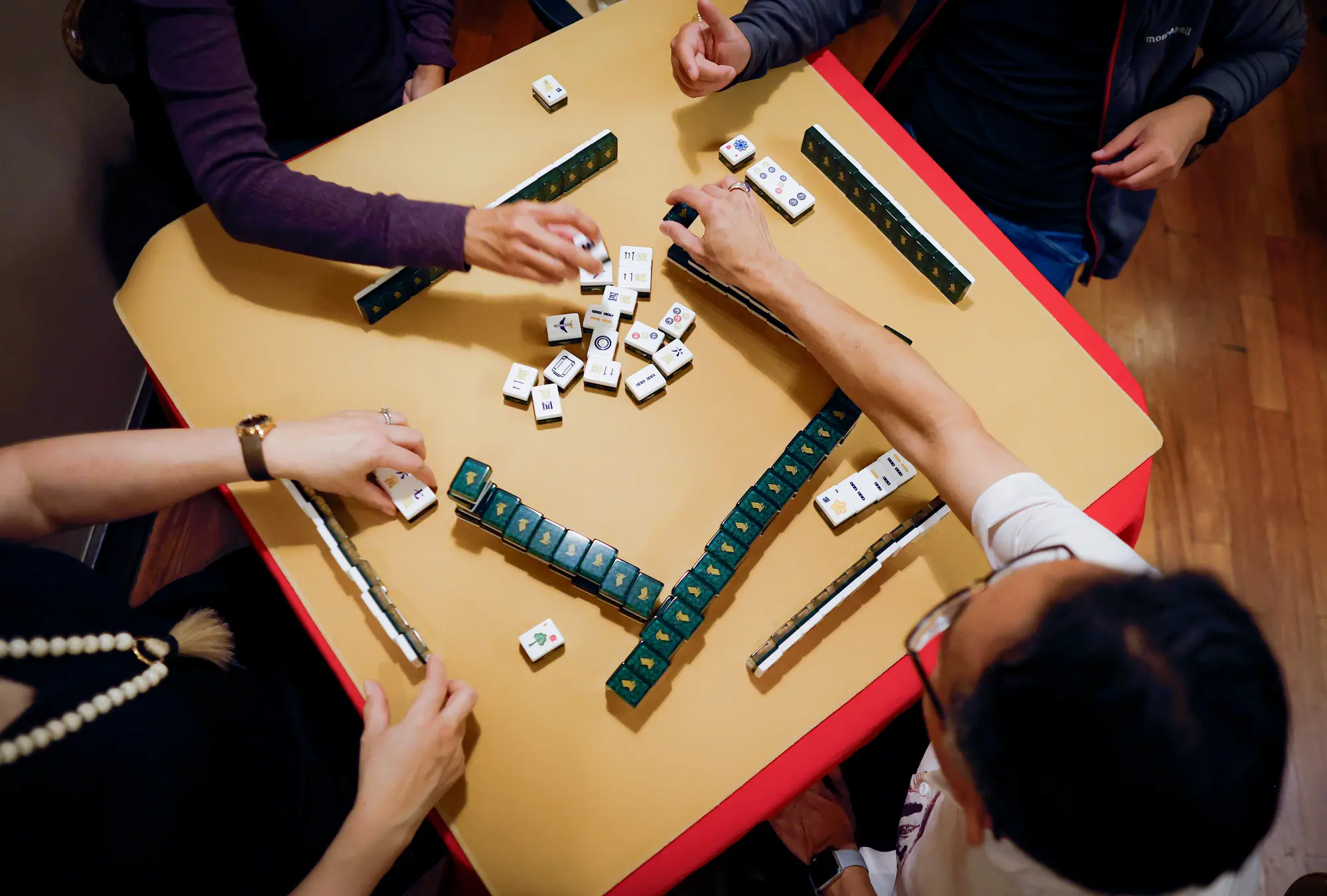
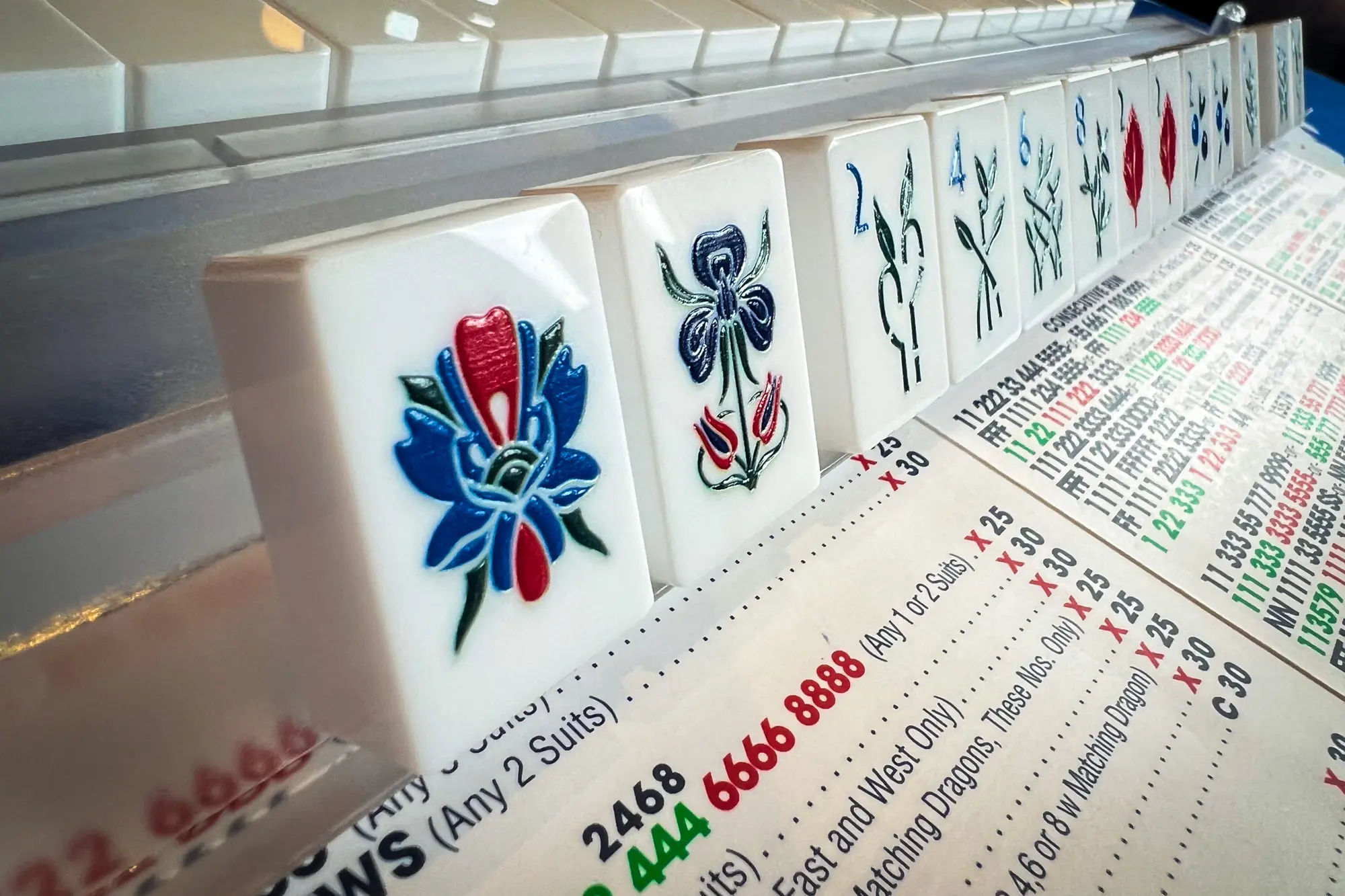
The rule-filled hobby is not easy to learn, but can be addictive once mastered, as players match patterns on domino-style tiles to those on a universally used pre-approved card.
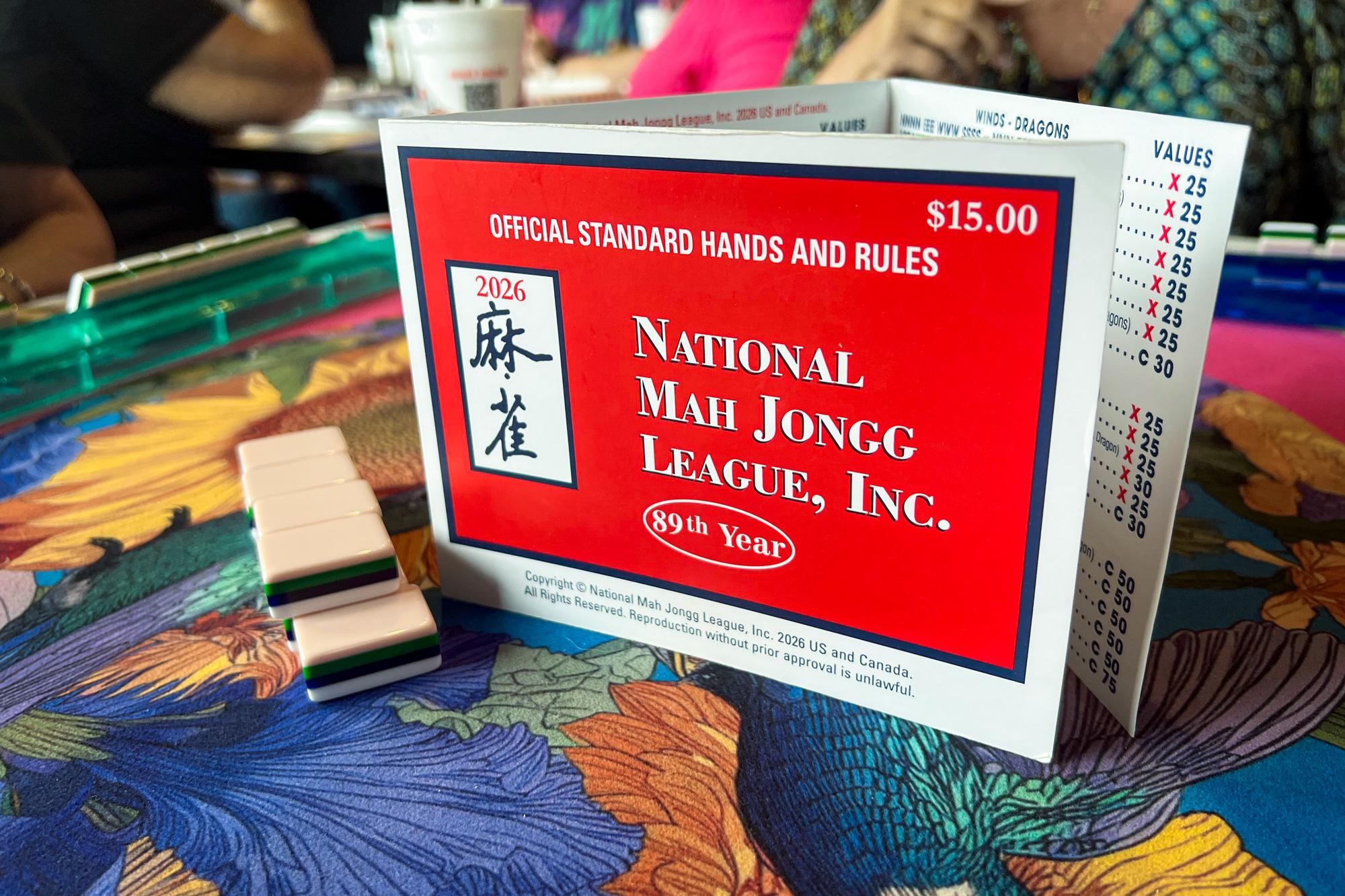
The pre-approved mahjong cards most groups play with include The Official American Mahjong card published by the National Mah Jongg League, and The Big Card, published by the Mahjong Line and I LOVE MAHJ.
Health and Social Benefits
Both cards are distributed nationwide annually, with new patterns each year. The new patterns aim to mix up matches in competitions; players describe the game as a mix of chess, bridge, and the social aspect of a book club.
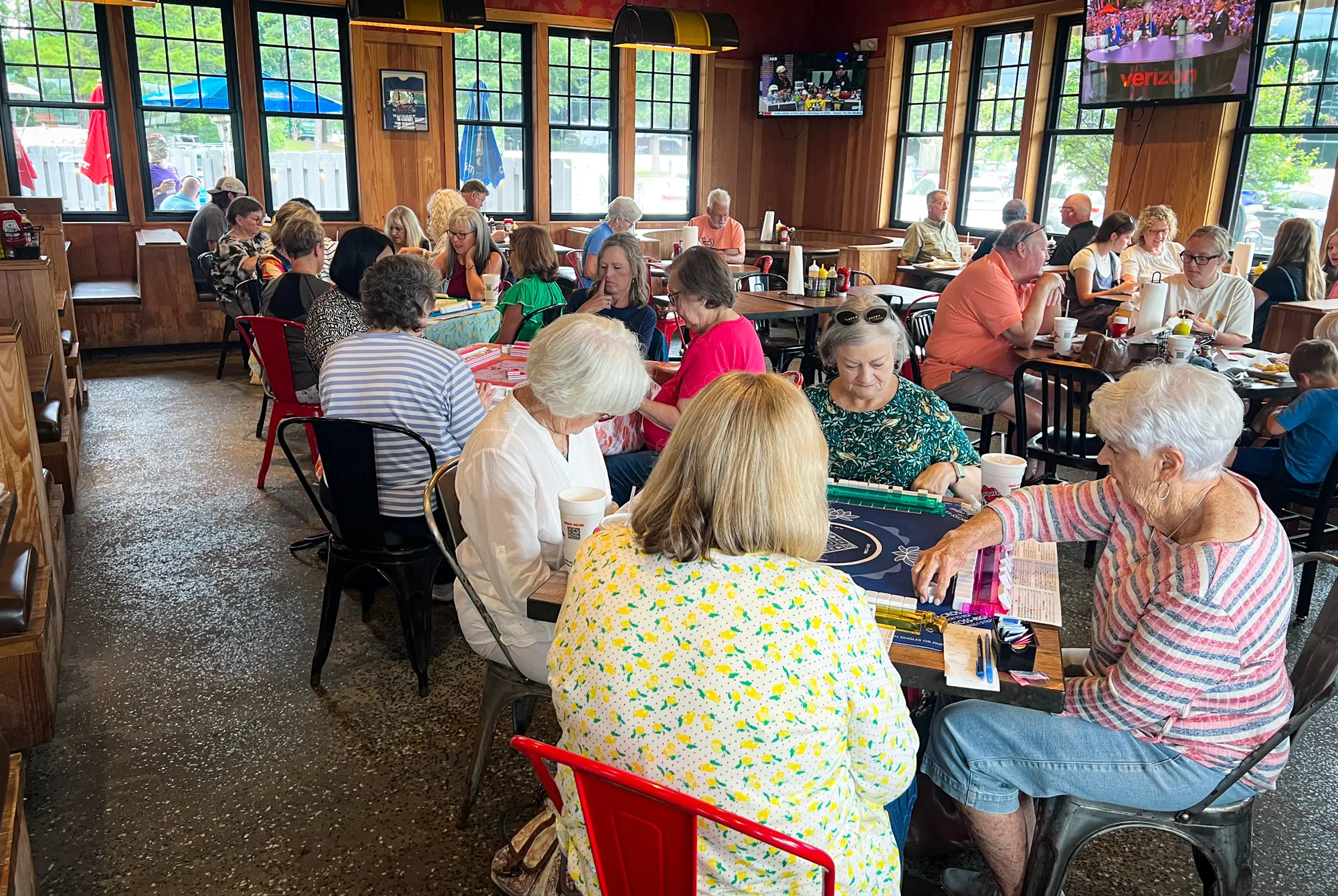
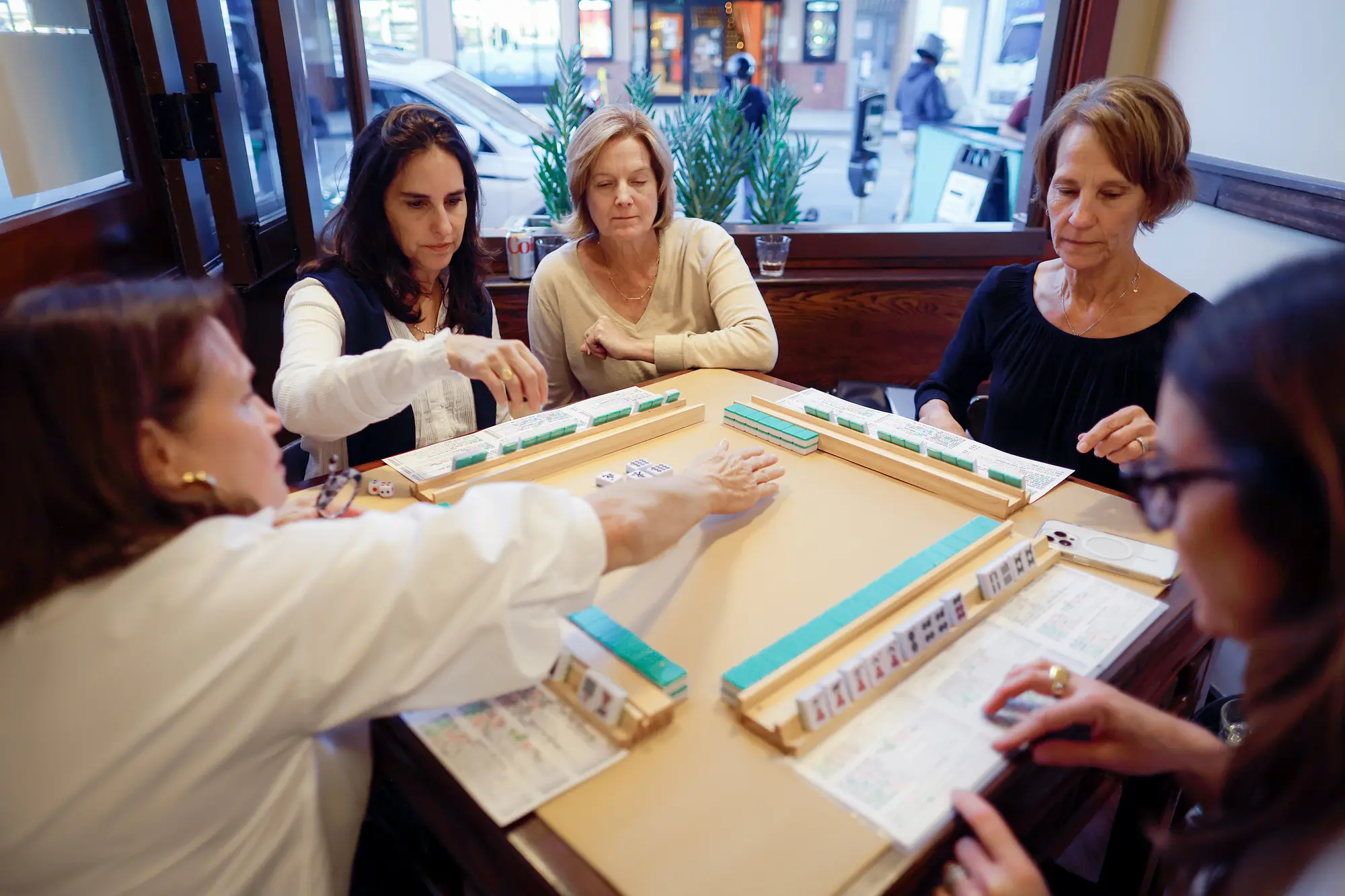
The Epoch Times dropped into one meetup at a barbecue restaurant in a suburb of East Memphis on June 19. It was filled with dozens of gaming women attending a “Lunch and Play” afternoon put on by the group MahJ Squad 901.
The group was founded by sisters Patricia Ford and Sandy Sissom shortly after the pandemic.
“We just started playing, and it just kept growing and growing,” Sissom said. “And now we teach all over the mid-South.”
The retired sisters wanted to build a thriving community that would stand the test of time after they watched their mother struggle with losing friends as she aged.
“When you get older, your circle gets smaller, so we want to have a circle that’s big enough and diverse enough that we’re never the last one standing,” Sissom said. “You’re always bringing people in, so your circle is always growing.”
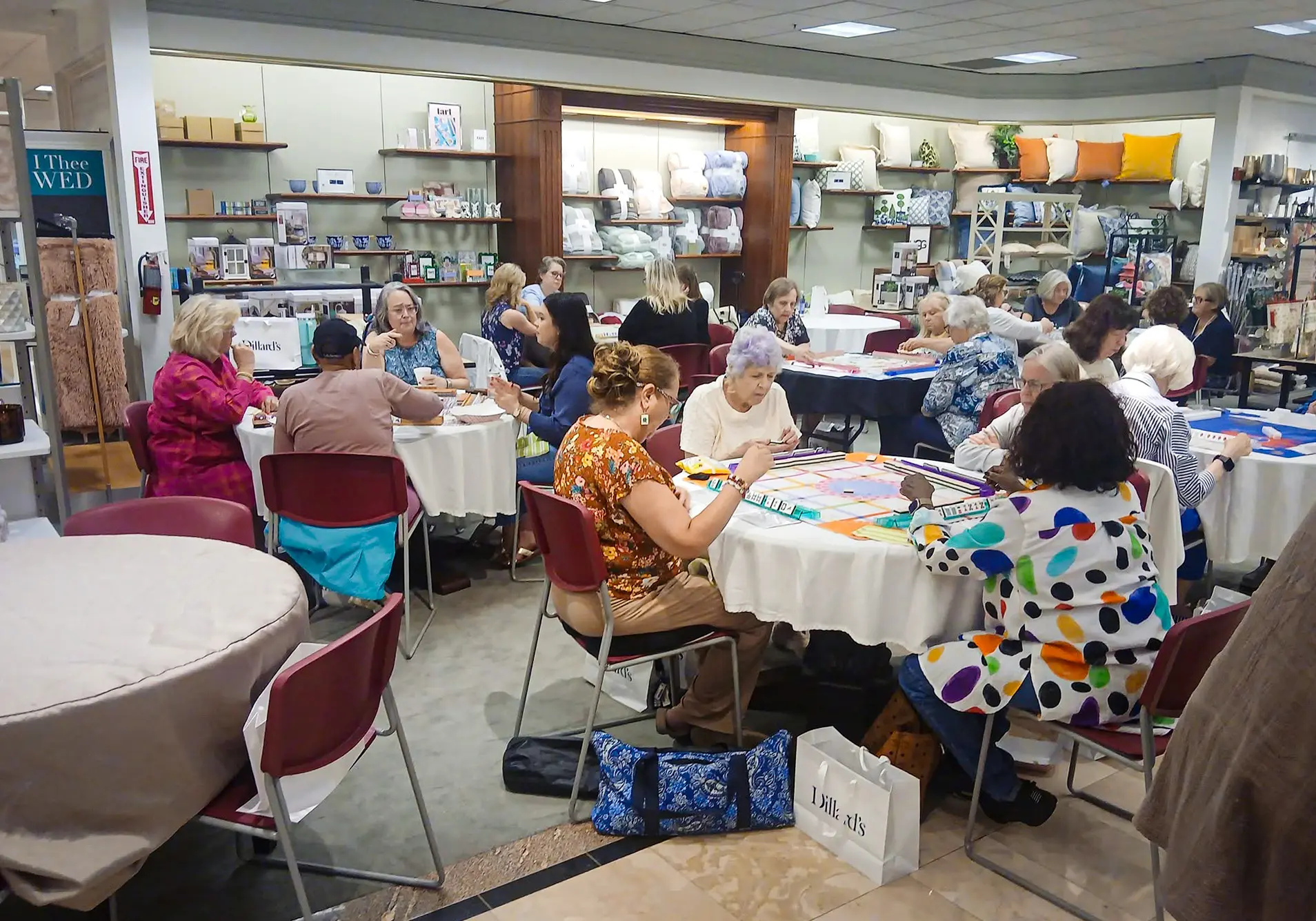
Their group even hosts events in the home goods section of Dillard’s and separately has raised thousands of dollars for local charities.
Their community-building efforts even sparked a domino effect for other mahjong meetups across the South.
Annette Mastron, who attended the East Memphis meetup, expanded her hobby and started a swimming pool-based event called the Mah-Jongg Mermaid in her backyard.
The unique event uses custom, floating mahjong boards.
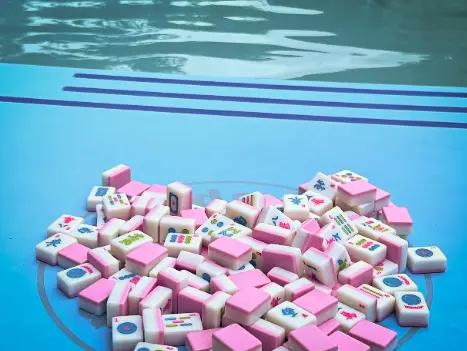
Mahjong meetups have continued to blossom, with social media platforms and websites offering women new ways to connect, tile by tile.
The sisters behind MahJ Squad 901 charge $60 for a 10-hour class and access to all of their events.
Ford urges all newbies to do their due diligence before investing hundreds of dollars in teachers who could be looking for a quick buck, as some charge hundreds for quick lessons.
Despite the learning curve, Ford said the game is “medicine you didn’t know you needed,” adding that it’s a wonderful way to reset a person’s mind and communication skills
The National Institutes of Health concluded in 2020 that playing mahjong for 12 weeks “improved the executive function of elderly people” with mild cognitive impairment, a condition that affects between 10 and 20 percent of adults over 65.
Mild cognitive impairment is described as “a critical transient period of cognitive decline between normal aging and early dementia.”
The rise of mahjong mayhem in the Memphis area prompted a suburban pharmacy in Germantown to dedicate multiple shelves to selling items such as “Shuffle Up and Slay” napkins, “Mahjong with Mah Girls” cups, and themed portable chargers.


Matches also improve short-term memory, attention, and logical thinking in middle-aged people.
“It’s not just for old ladies,” Sissom quipped while discussing the rise of the game. “We have a lot of young women that we train.”
In Popular Culture
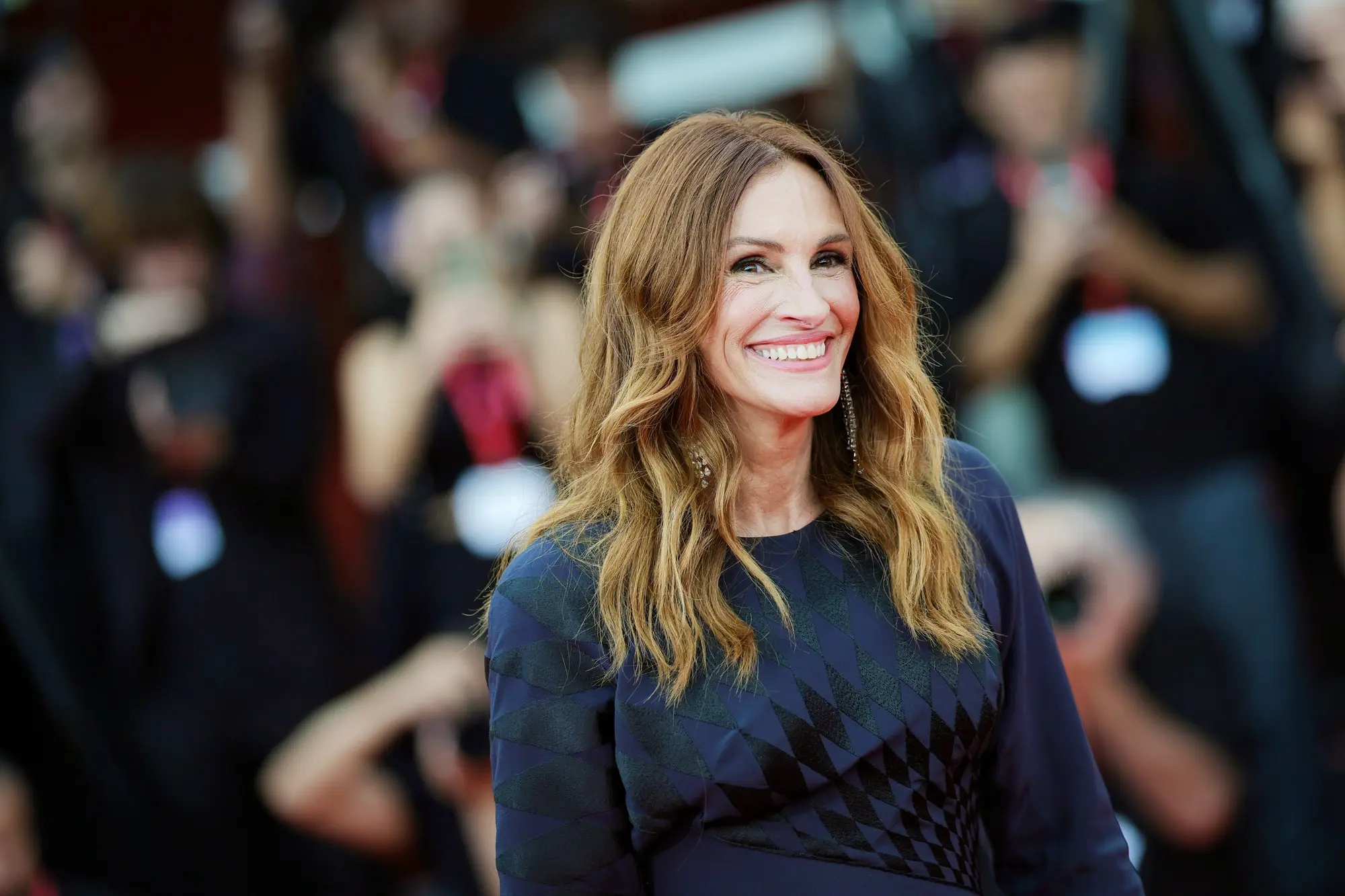
The game even runs in celebrity circles, with stars such as Meghan Markle, Joanna Gaines, and Julia Roberts tossing tiles for fun.
“The concept of it is to create order out of chaos based on random drawing of tiles,” Roberts explained during a 2018 interview on “The Late Show With Stephen Colbert.”
The Oscar-winning actress, who embraced the game long before the recent wave, compared friendly tournaments to everyday life, as humans “try to make a little bit of order just out of the chaos of life.”
Entertainment production company A24 joined the fandom by launching a 20-pound premium “Everything Everywhere All at Once” set for $320.
The set features themes from the seven-time Academy Award-winning action movie starring Michelle Yeoh.
The game was also featured in 2018’s blockbuster hit “Crazy Rich Asians,” during a pivotal moment in the plot when the lead character, Rachel Chu, faces off against her wealthy boyfriend’s unapproving mother, Eleanor Young.
As the women play the game, Chu reveals that she turned down her boyfriend’s proposal because she didn’t want to make him choose between their relationship and his wealthy family. At the same time, she shows she'd held the winning mahjong piece but had purposely laid it on the table to lose the game, allowing Young to claim the tile and win the match.
Designer brands such as Tiffany and Co., Prada, and Coach have cashed in on the competitive game.
Hermès sold sets made of rosewood and calfskin for $42,000, and, like a designer bag, they ticked up in price on the resale market, going for $50,000.
Louis Vuitton’s Vanity Mahjong handcrafted corian and wood set is available for HK$500,000 (US$63,773) and can only be ordered via concierge services.
“Sophisticated and playful, this trunk is also a splendid object of decoration that will magnify any interior,” the listing for the set reads.
Amazon offers affordable options, such as traveling mahjong sets between $50 and $70.
The game only requires one set for four people to play, so newbies usually don’t have to fork out big bucks for a seat at the table.
But not all sets grow in value over time.
The once popular sets made by game manufacturer The Hillson Co. in the 1920s can be purchased on eBay for as little as $60 or best offer.
In the 1920s, thousands of sets were imported into the United States from Shanghai. At the time, companies advertised it as an “exotic, sophisticated game” that could compete with bridge, according to the Museum at Eldridge Street.
Mahjong sets even became Shanghai’s sixth-largest export to the United States in 1923, prompting Congress to step in and implement a 10 percent tax on all mahjong, pung chow, and similar tile sets in the Revenue Act of 1924.
The Hillson Co., which was a Boston-based gaming company, attempted to stop the tax by petitioning the House Committee on Ways and Means in the spring of 1924, but its efforts failed, and the tax was approved in June as part of the act.
The Senate Committee on Finance estimated the United States would have collected $1 million from the mahjong tax in 1924, which would be equivalent to $19.7 million today.