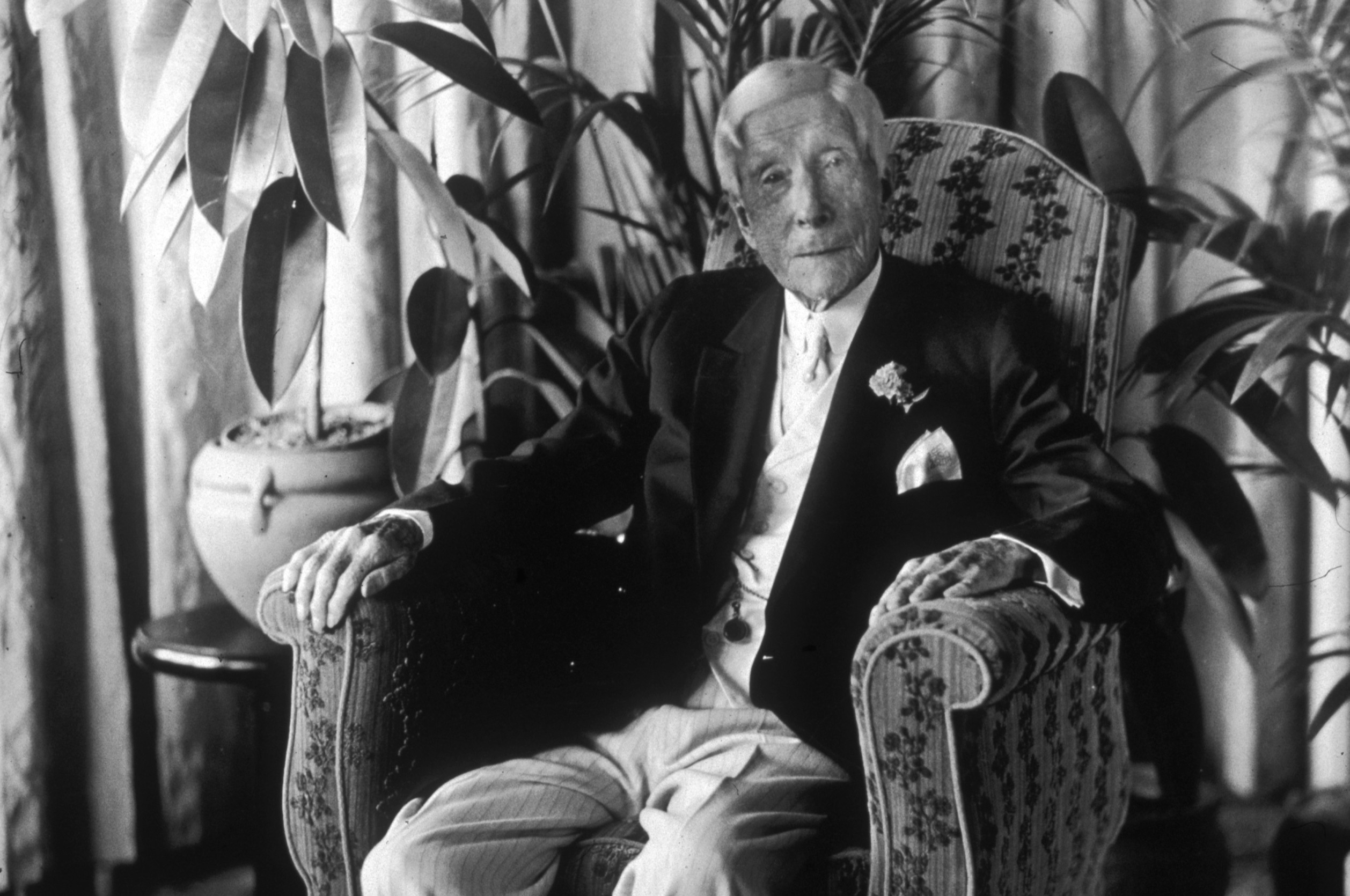
John D. Rockefeller, the founder of Standard Oil in 1870, became the richest man in the United States—the world’s first billionaire. At the same time, he was also the country’s most generous philanthropist, donating hundreds of millions of dollars to charitable causes including public health, education, arts, and scientific research.
To Rockefeller, wealth and charity were inextricably linked through his Baptist faith.
“I believe the power to make money is a gift of God,” he said in an interview toward the end of his life. He died in 1937 at age 97.
“Having been endowed with the gift I possess, I believe it is my duty to make money and still more money and to use the money I make for the good of my fellow man according to the dictates of my conscience.”
In “Titan: The Life of John D. Rockefeller, Sr.,” author Ron Chernow concludes that Rockefeller’s deep faith provides a consistent explanation for both his aggressive and often controversial business tactics as well as his profound generosity. “I have stressed his evangelical Baptism as the passkey that unlocks many mysteries of his life,” Chernow wrote.
Though most people will never run enormous business empires or amass incredible wealth, every thoughtful person must still wrestle with the same fundamental questions Rockefeller did: How far is it acceptable to go in pursuit of success? What responsibility toward others does achievement carry?


Young Devout Rockefeller
Born in western New York, Rockefeller was a teenager when his family moved to the suburbs of Cleveland, Ohio. His frequently absent father was a conman and a bigamist, but his mother was a devout Christian, with whom he attended a Baptist church. It was there that he learned the values that guided him throughout his life.
While attending public high school in Cleveland, Rockefeller earned money by doing odd jobs after school and on the weekends. At age 14, he began recording all of his financial transactions in a ledger, which he maintained for the rest of his life. After graduating from high school at age 16, he completed a 10-week business course.
Although that ended his formal education, he was an avid reader and his insatiable curiosity led him to learn about a variety of subjects on his own.
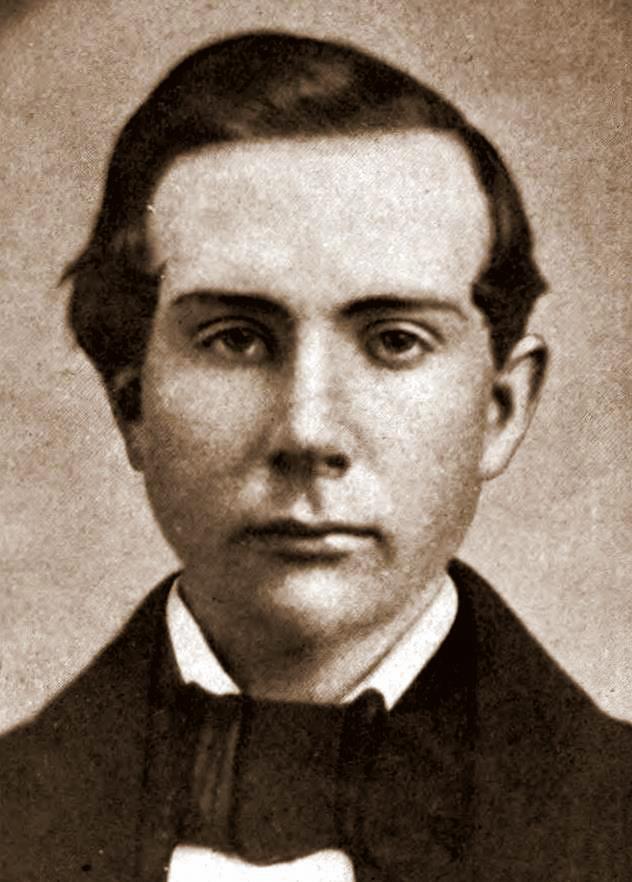
He studied the Bible while regularly attending church, and his economic ambitions were intricately connected to his Christian faith. He believed he had a moral obligation to make as much money as possible in order to use it for the benefit of society. As he said in an interview later in life, “If your only goal is to become rich, you will never achieve it.”
Having completed the business course, Rockefeller got his first full-time job as a bookkeeper for a produce distributer. There, he learned many valuable aspects of running a business, specifically those involving calculating and negotiating transportation costs—skills he would later incorporate in building his oil business.
After working as a bookkeeper for several years, in 1859 he started his own produce distribution company along with a partner. The company soon became profitable, and for the first time in his life, Rockefeller began to accumulate wealth.
As recorded in his ledger, as soon as he got his first job, Rockefeller began donating 6 percent of his salary to his church’s charitable missions, and once he founded his own company, he donated more than 10 percent of his earnings to various charities.
Building an Oil Empire
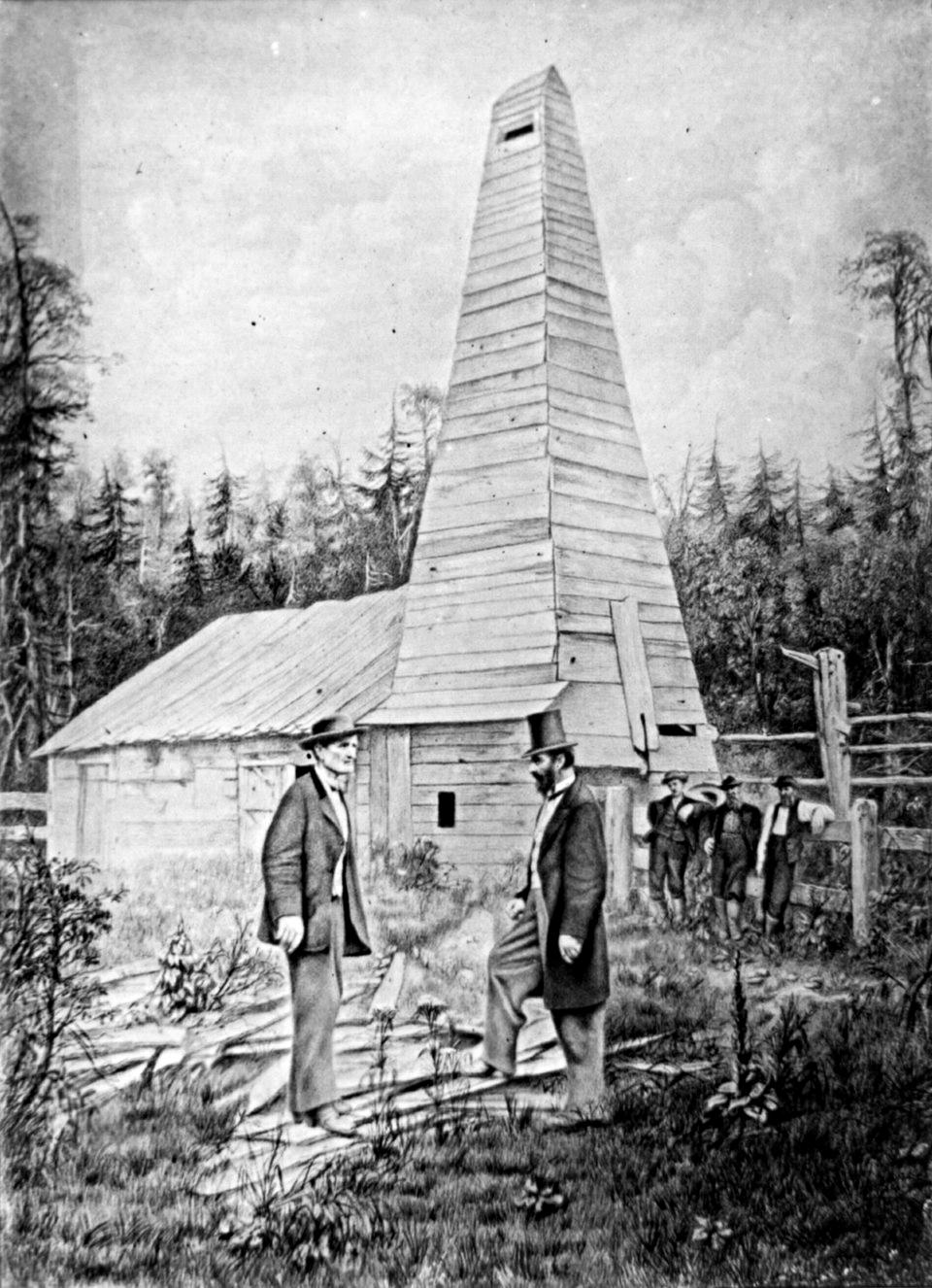
In 1861, before the Civil War began, most Americans lit their lamps either with oil derived from whales or with kerosene extracted from coal. However, crude oil was widely available throughout the Appalachian mountains, and after the first well was successfully drilled in Pennsylvania in 1859, it proved cheaper to obtain and easier to refine than the alternatives.
During the Civil War, the demand for oil grew exponentially and the price rose considerably, prompting Rockefeller to switch his business focus from produce distribution to oil.
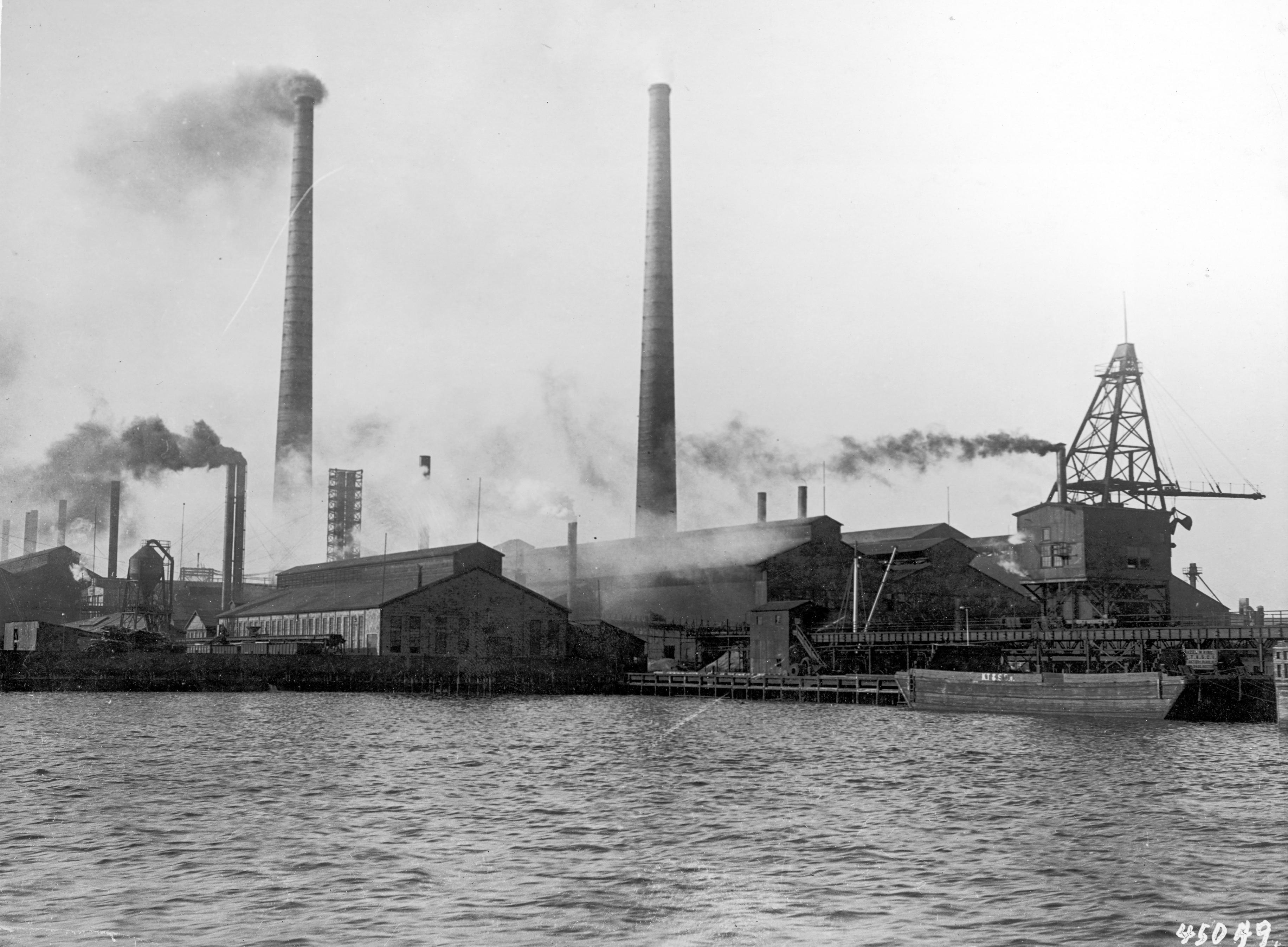
In 1863, his company built its first refinery in Cleveland and implemented groundbreaking techniques that initially allowed him to outperform all competitors and soon completely transform the industry.
While other refineries would typically discard the 40 percent of oil that couldn’t be refined into kerosene, Rockefeller was the first to put it to use. He used it to power the refinery and sold the rest as lubricating oil, petroleum jelly, tar for paving, and various other byproducts. He also saved money by hiring plumbers to lay his pipes and carpenters to construct his barrels.
In 1866, he bought a second refinery, and by 1868, along with now two partners, his company—Rockefeller, Andrews, and Flagler—was already the largest oil refining company in the world. In 1870, Rockefeller founded Standard Oil, and by 1872, the company had acquired 22 of the 26 refineries operating in Ohio.
He used the knowledge he’d acquired early in his career to negotiate preferential rates for the transport and delivery of his kerosene, and he began to acquire oil wells, pipelines, and tank cars to transport his products.
By the 1880s, Standard Oil was refining between 80 percent and 90 percent of the world’s oil. It also controlled significant portions of the extraction, transportation, and distribution of it.

Although this had the effect of significantly reducing the price of oil and making it widely available to middle and even lower class Americans, Rockefeller was often demonized by the press, who accused him of being a robber baron and running a monopoly.
However, while he did undersell and ruthlessly acquire many of his competitors, the overall picture was more nuanced than it might have appeared: many of the businessmen he bought out were generously compensated, and quite a few of them even went on to work for him at Standard Oil.
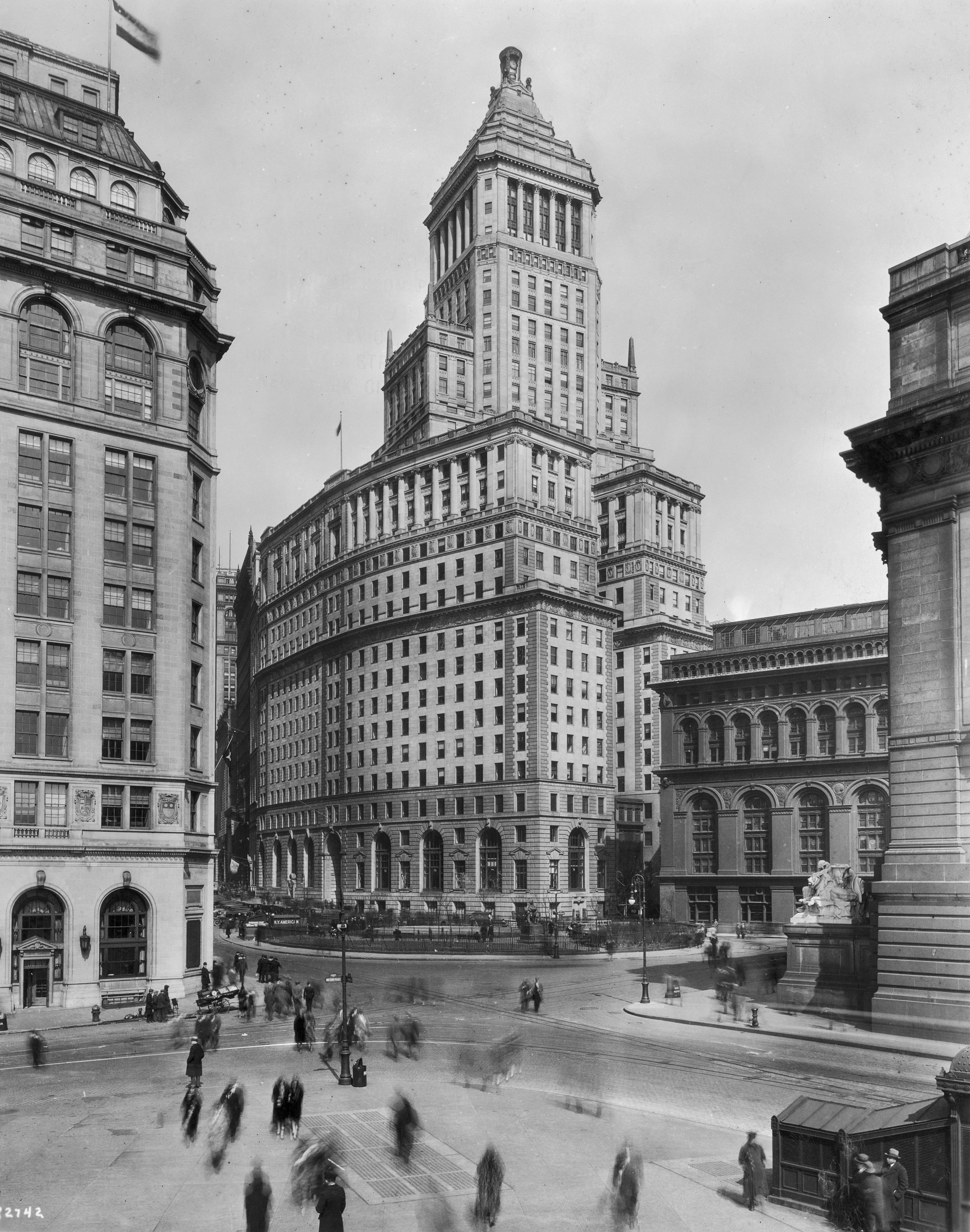
In 1882, after laws were passed to prevent his company from operating in different states, Rockefeller created the first corporate trust to manage 41 companies in multiple states. That same year, he also created the National Petroleum Exchange, the world’s first oil futures trading market.
Despite the ongoing legal challenges to his companies throughout the 1880s and ‘90s, Rockefeller’s businesses continued to thrive, and his wealth continued to grow. By the early part of the 1900s, he was by far the wealthiest man in the world.
In 1911, when the U.S. Supreme Court ordered the breakup of Standard Oil, it became 34 different companies, including Exxon, Chevron, Mobil, Phillips, Pennzoil, and many others. That was when Rockefeller, who owned significant amounts of stock in all of the new companies, became the world’s first billionaire.
Defining Modern Philanthropy
While Rockefeller’s influence on American business and corporate structure was dramatic and undeniable, his generous charitable donations to various causes were equally influential. As he explained in an interview, “I believe it is a religious duty to get all the money you can, fairly and honestly; to keep all you can, and to give away all you can.”
Throughout his career, he continued to donate a significant portion of his earnings to charities, especially those associated with the Baptist church, including their mission to establish schools and colleges for freed slaves in the South. Because of his generous donations to the Atlanta Baptist Female Seminary for African American women, the historically black college is today known as Spellman, which was his wife’s maiden name.
In 1900, Rockefeller donated $80 million to a small Baptist college, which soon became the University of Chicago, one of the most prestigious institutions in the country. In 1901, he founded the Rockefeller Institute for Medical Research in New York City. And in 1903, he founded the General Education Board to promote education at all levels everywhere in the country—with a specific focus on black schools in the South. Over the course of his life, he donated hundreds of millions of dollars to various educational, public health, and medical institutions.
He was also known for his personal generosity. While living in Cleveland in the 1860s and ‘70s, he developed a habit of handing out money to almost everyone he encountered, often giving dimes to adults and nickels to children. After moving the Standard Oil headquarters to Manhattan in the 1880s, he insisted on riding the new elevated train to his downtown office every day, and he often granted financial assistance to those fellow passengers who approached him for charity or business investments.
Throughout his life, Rockefeller donated well over $500 million to various causes. He saw himself not as the owner of his wealth, but rather as a responsible steward of it.
“I believe that every right implies a responsibility; every opportunity, an obligation; every possession, a duty,” he said.
Personal Life and Legacy
Rockefeller lived his life as a devout Christian. He never drank or smoked, was a faithful husband, and devoted to his family. Around the age of 60, he began to delegate much of his business responsibilities to his associates so he could spend more time with his family.
His wife played golf, so he decided to learn the game in order to spend more time with her. He wanted to surprise her, though, and because she was often on the course, he posted guards there while he was practicing to alert him if she was in the area. Whenever he got the signal that she was approaching, he would hide in the bushes until she had passed safely out of sight, and then returned to practicing.
Once he acquired the skill, he played frequently with his wife until her death in 1915. He then continued to play the game with friends until shortly before his death in 1937, at the age of 97.
Rockefeller’s work ethic and business acumen enabled him to become one of the most successful businessmen in history, but it was his devout faith and religious beliefs that motivated him throughout his life. He remains one of the most influential businessmen and philanthropists in American history.
In 1925, on his 86th birthday, he composed the following lines:
My life has been one long, happy holiday;
Full of work and full of play —
I dropped the worry on the way —
And God was good to me every day.”