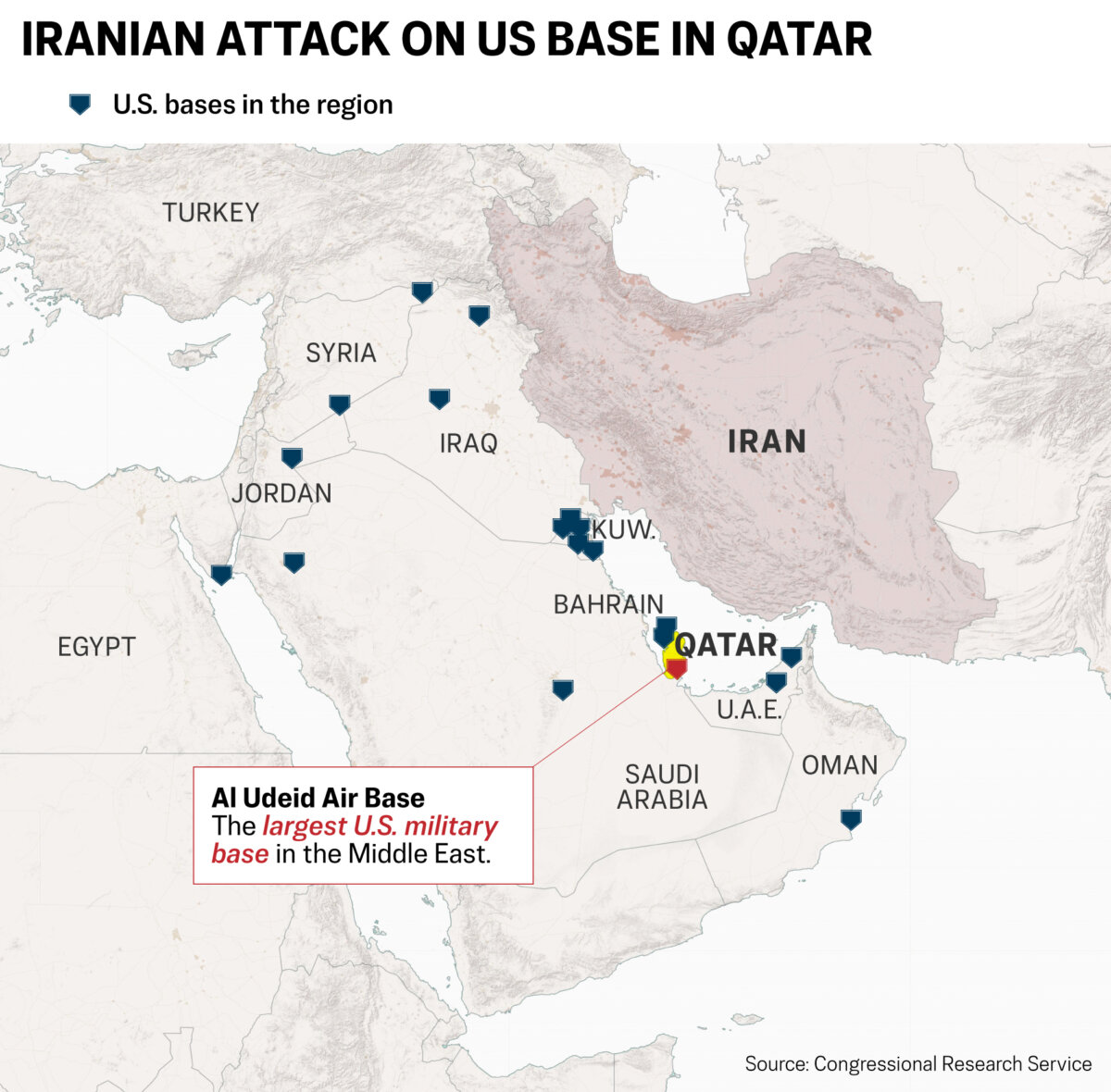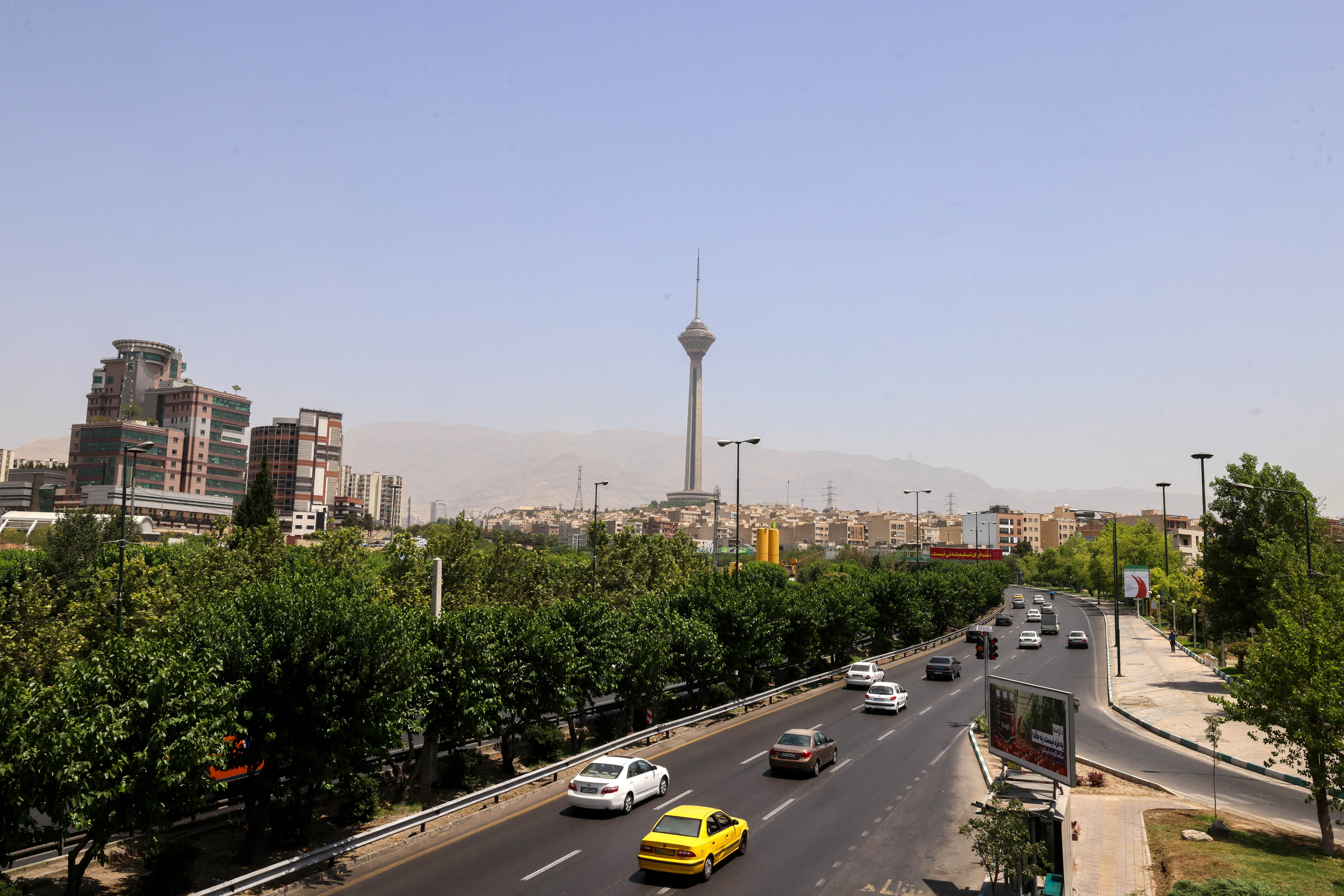



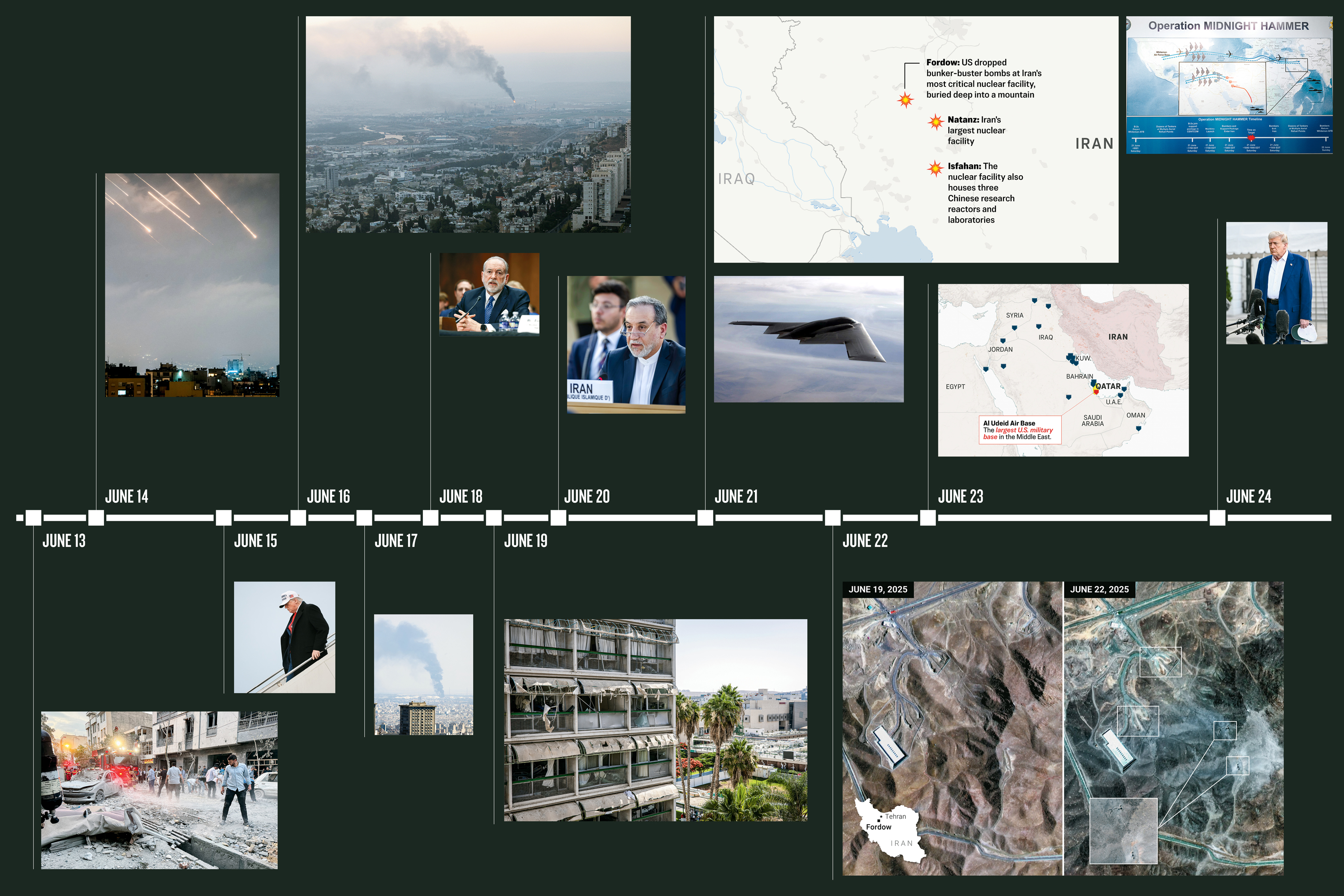
After trading fire for about 12 days, Iran and Israel have agreed to wind down a conflict that set the Middle East on edge.
The conflict began amid an impasse over Iran’s nuclear program. U.S. President Donald Trump had pressed Iran to agree to abandon its nuclear programs. While Iran has insisted it’s not pursuing nuclear weapons, Iranian negotiators had signaled reluctance to give up Iran’s uranium enrichment capabilities.
In the early morning hours on June 13, Israeli warplanes launched a surprise attack aimed at crippling Iran’s nuclear program and offensive military capabilities. Following the attack, Iranian representatives pulled out of talks set for June 14 with U.S. counterparts in Oman.
“I thank you, my friend, President Trump, and the United States, for their part in defending Israel and eliminating the Iranian nuclear threat,” he said. “The United States joining the campaign, not only on the defensive side, but also on the offensive side—this is a historic event. It has never happened before.”

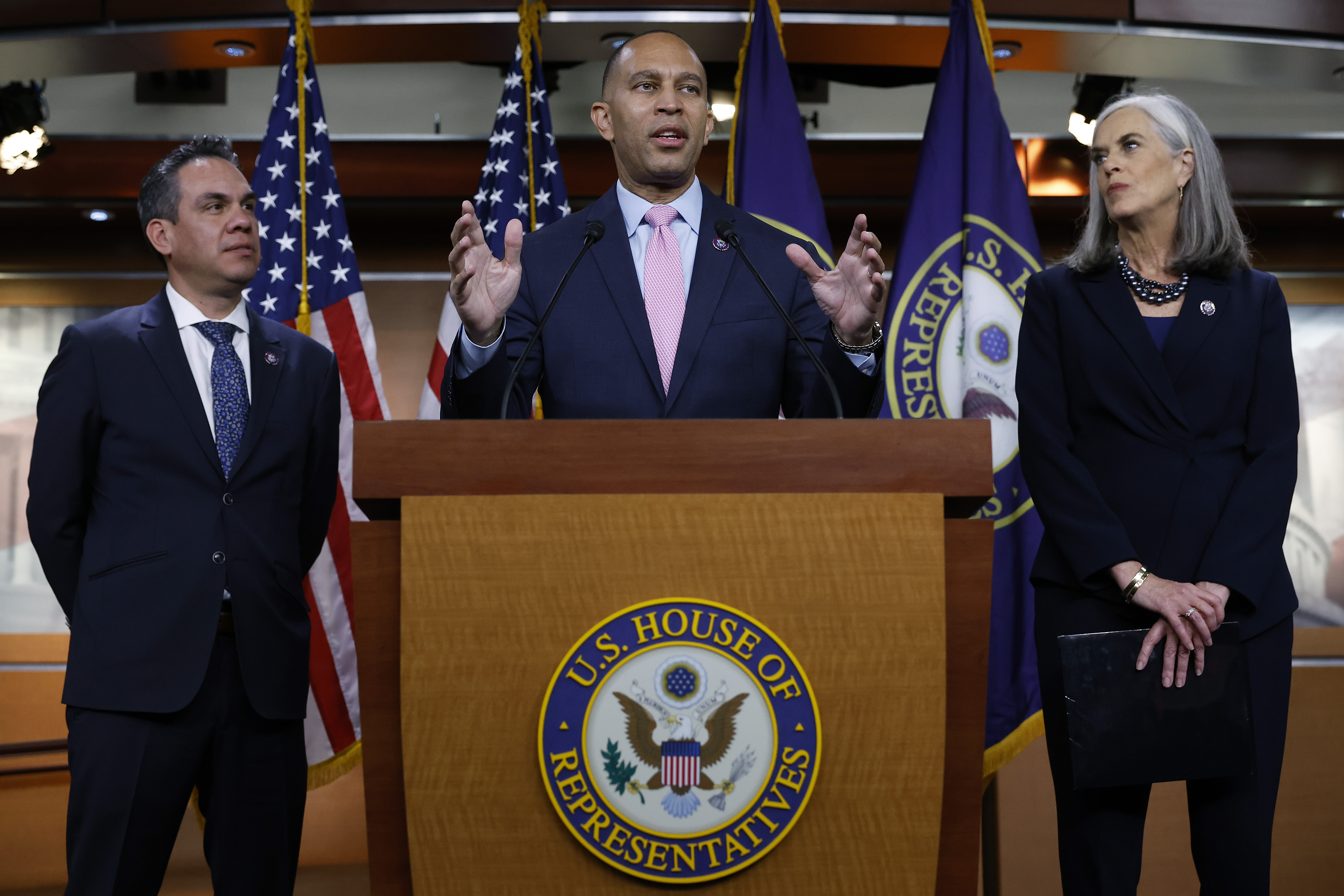
Top House Democrats raised their concerns after a classified security briefing on the recent U.S.-backed strike in Iran was postponed, delaying what they say is a necessary opportunity to evaluate the U.S. government’s actions in Iran and assess the situation in the Middle East.
“The American people deserve to know the facts and the truth,” said House Democratic Leader Hakeem Jeffries, who spoke alongside Whip Katherine Clark (D-Mass.) and Caucus Chair Pete Aguilar (D-Calif.) at a press conference on June 24. Jeffries said the Trump administration has not yet presented evidence supporting claims that Iran’s nuclear program was neutralized and asked why congressional authorization was not sought.


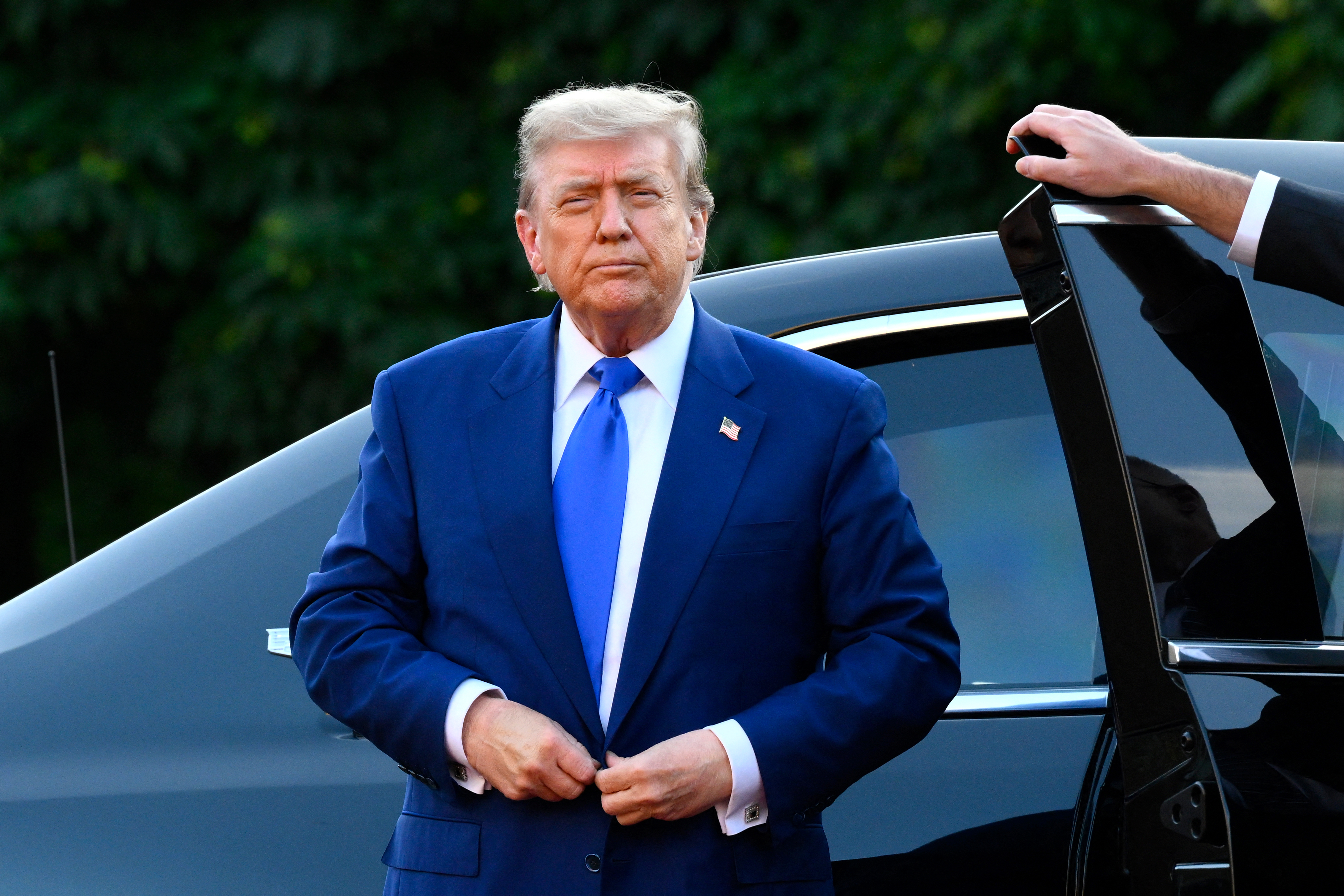
The House rejected a resolution put forth by Rep. Al Green (D-Texas) on June 24 to impeach President Donald Trump over the U.S. strikes on three Iranian nuclear facilities.
The motion to table the resolution passed 344–79.
The resolution accused Trump of bypassing Congress in launching the strikes on the Fordow, Natanz, and Esfahan nuclear sites.

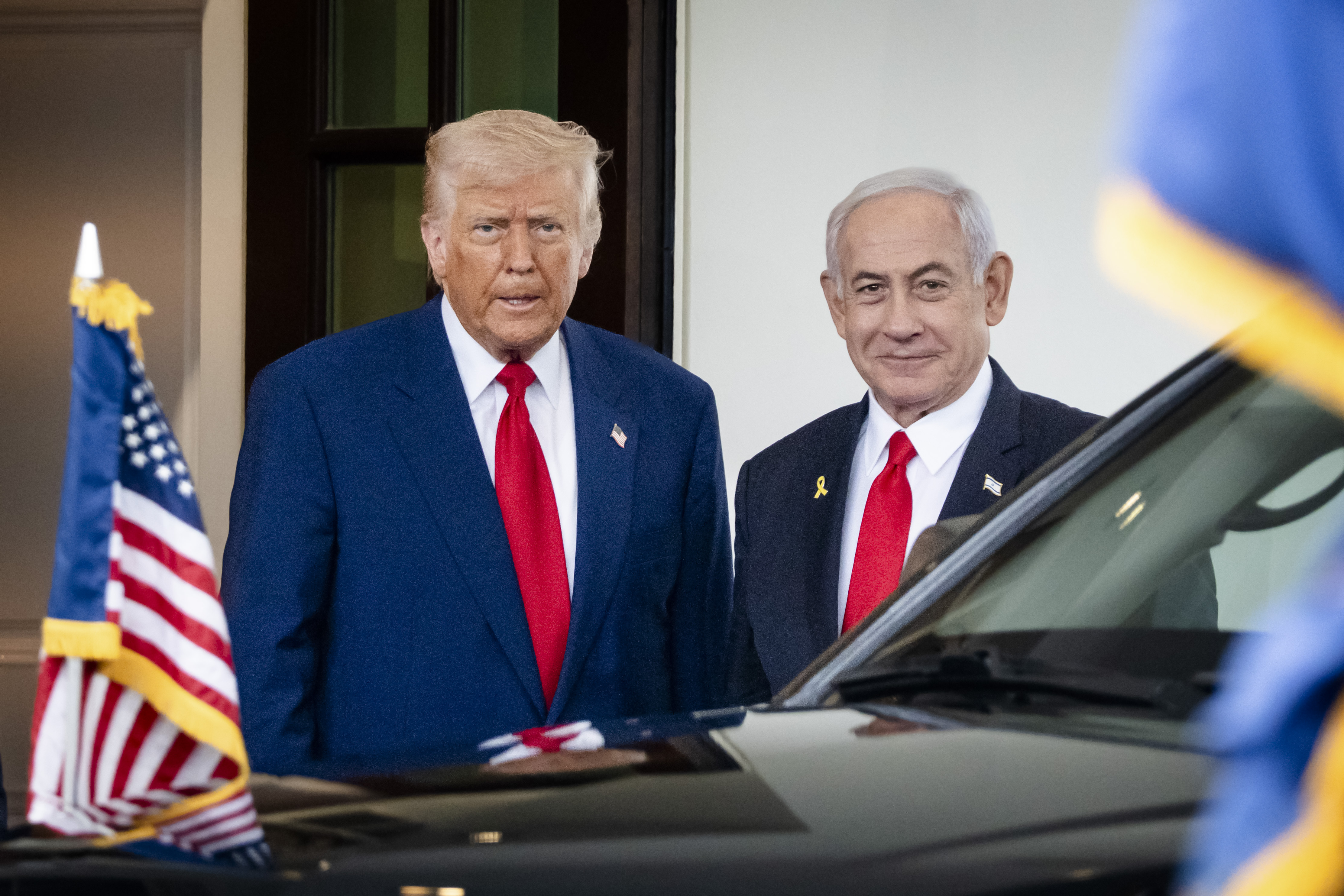
Israeli Prime Minister Benjamin Netanyahu said on June 24 that his country’s military “refrained from additional attacks” targeting Iran after a phone call with U.S. President Donald Trump.
Trump on Monday night announced a cease-fire between Iran and Israel after 12 days of strikes, and after the United States launched airstrikes of its own on Iran’s nuclear facilities.

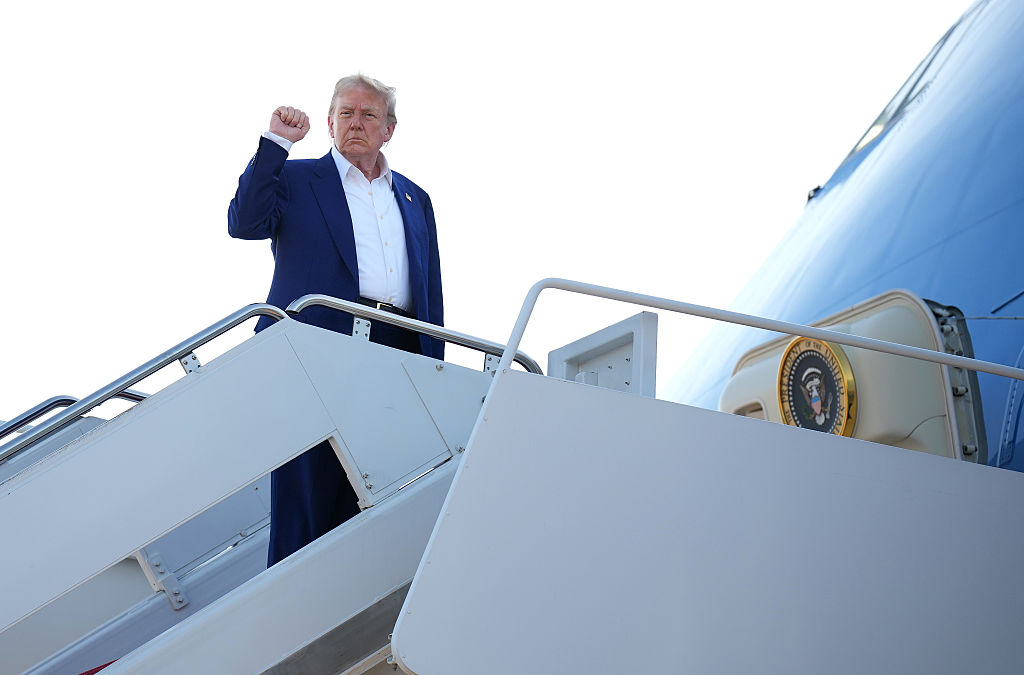
President Donald Trump said on Tuesday he’s not seeking regime change in Iran. The comments come two days after floating the possibility on social media, amid a cease-fire that he announced hours later.
Over the weekend, he wrote on Truth Social that “if the current Iranian Regime is unable to MAKE IRAN GREAT AGAIN, why wouldn’t there be a Regime change???”
“Many respected constitutional experts argue that the War Powers Act is itself unconstitutional,” he said. “They think it’s a violation of the Article II powers of the commander-in-chief. I think that’s right.”

U.S. Attorney General Pam Bondi says the Department of Justice (DOJ) is on “high alert” following U.S. airstrikes on Iran’s nuclear program over the weekend.
Rep. Tony Gonzales (R-Texas), during a House Appropriations Committee meeting on Monday, asked Bondi about the number of Iranian nationals who may have entered the United States illegally.