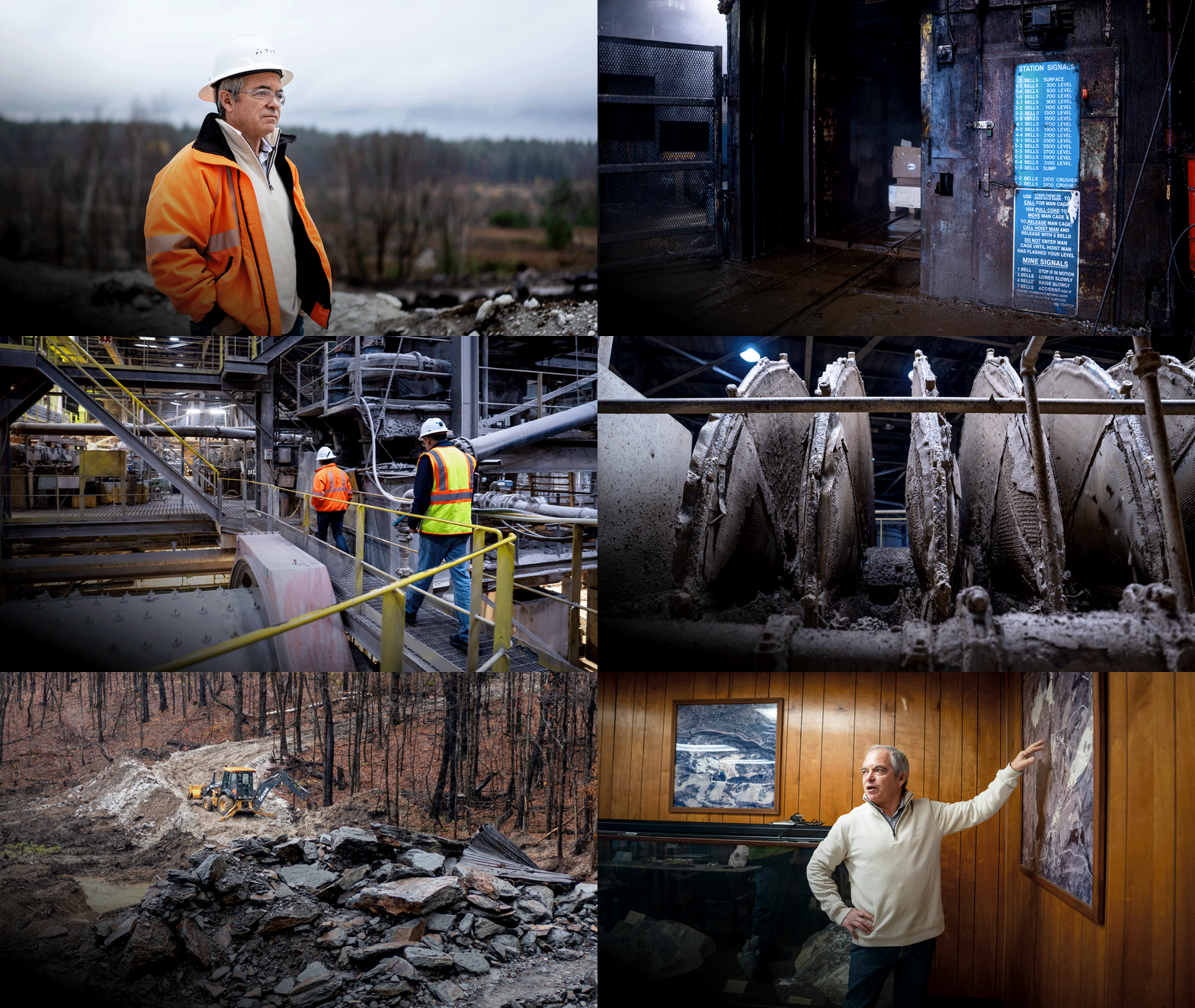

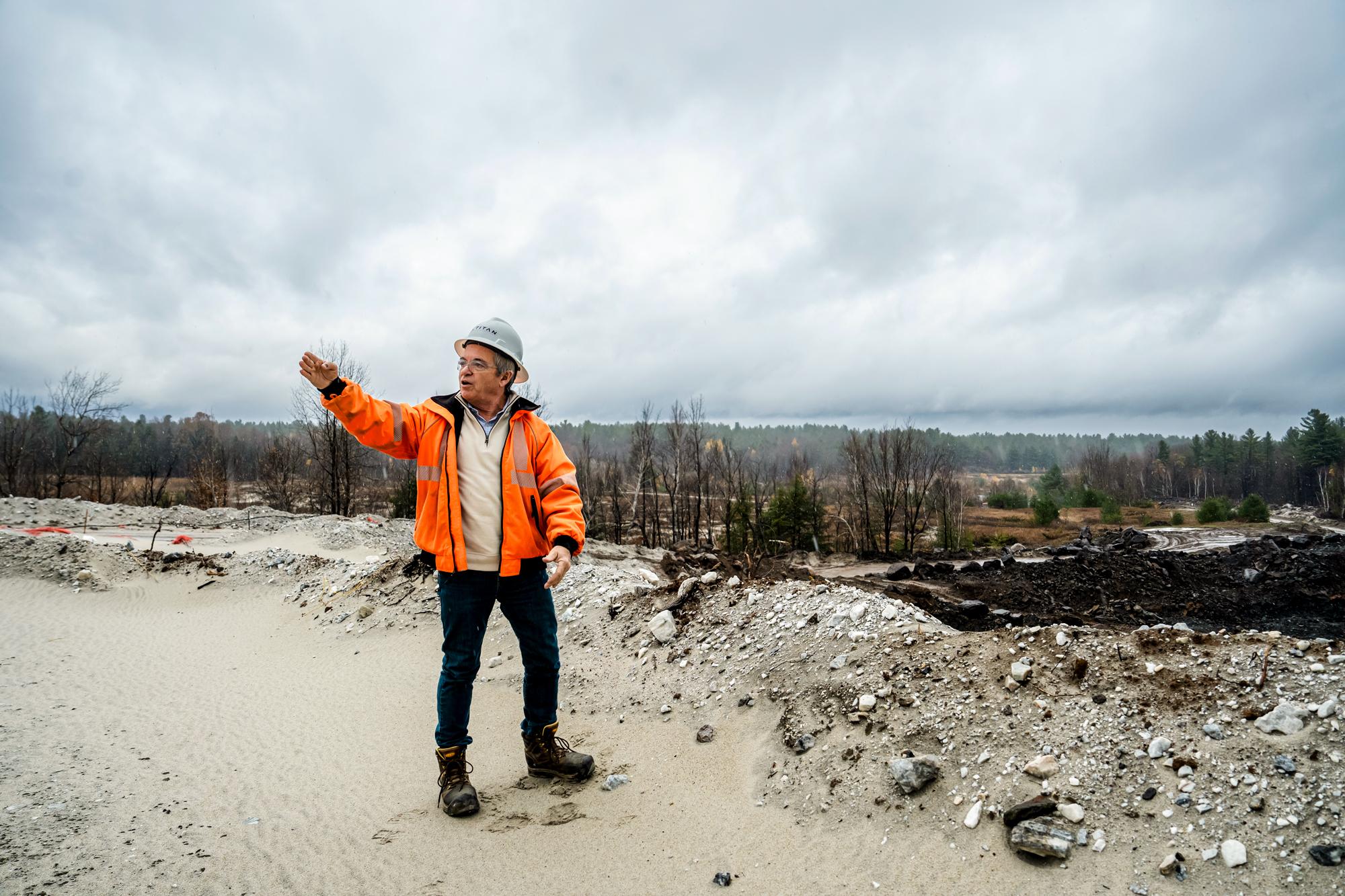
FOWLER, N.Y.—A fierce wind is slinging sleet and forcing 30-foot hemlocks to genuflect in its gusts this gray, cold November morning, but Joel Rheault is enjoying a warm and fuzzy moment atop a dynamited blast bowl.
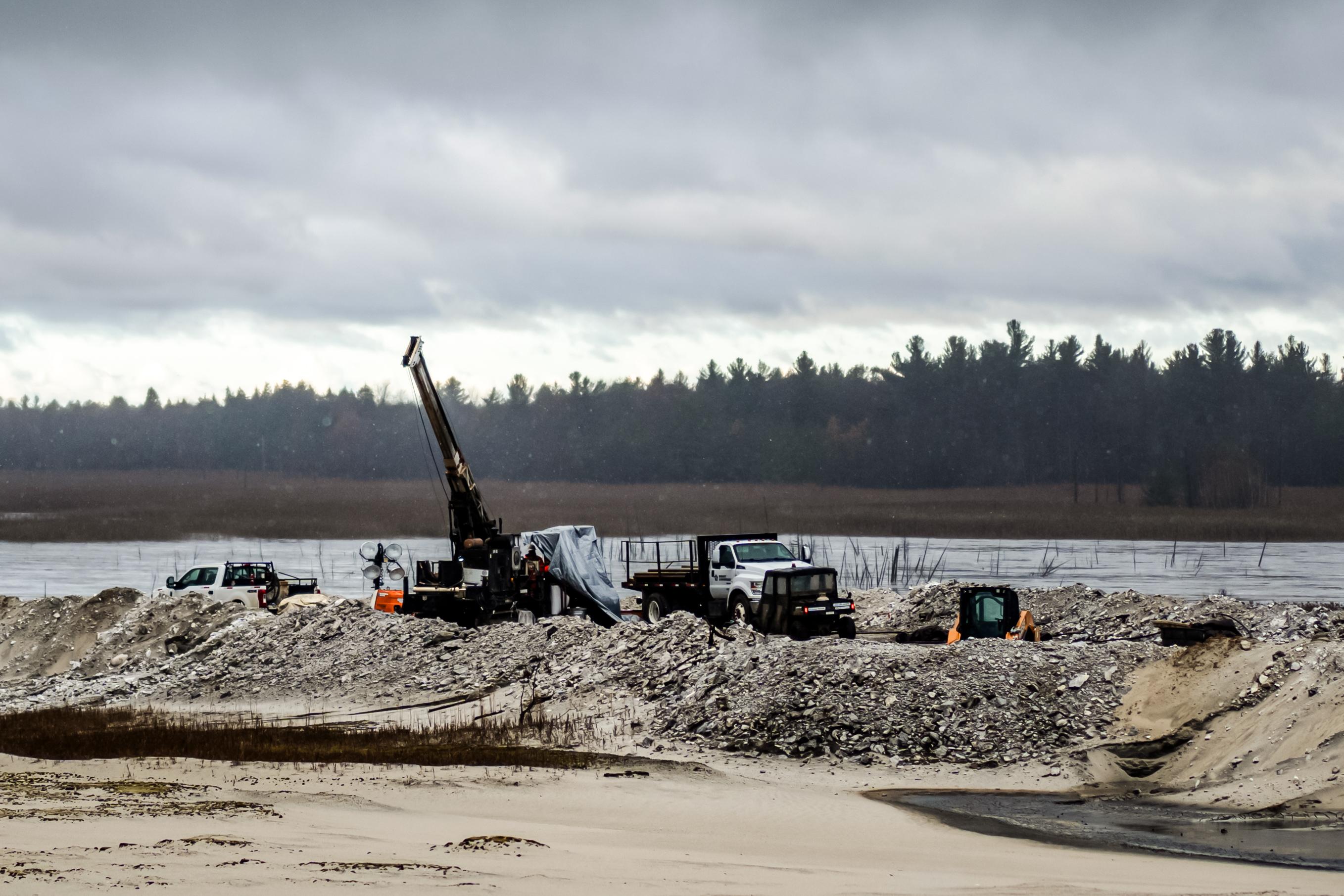
Below, a bulldozer is churning through newly dredged soil and shoving boulders aside in an open pit burrowed into the sandy, finely ground waste tailings from the nearby zinc mine.
“Drilling and blast rocking,” Rheault, vice president of operations for Titan Mining Corporation, said. “It’s a beautiful thing.”
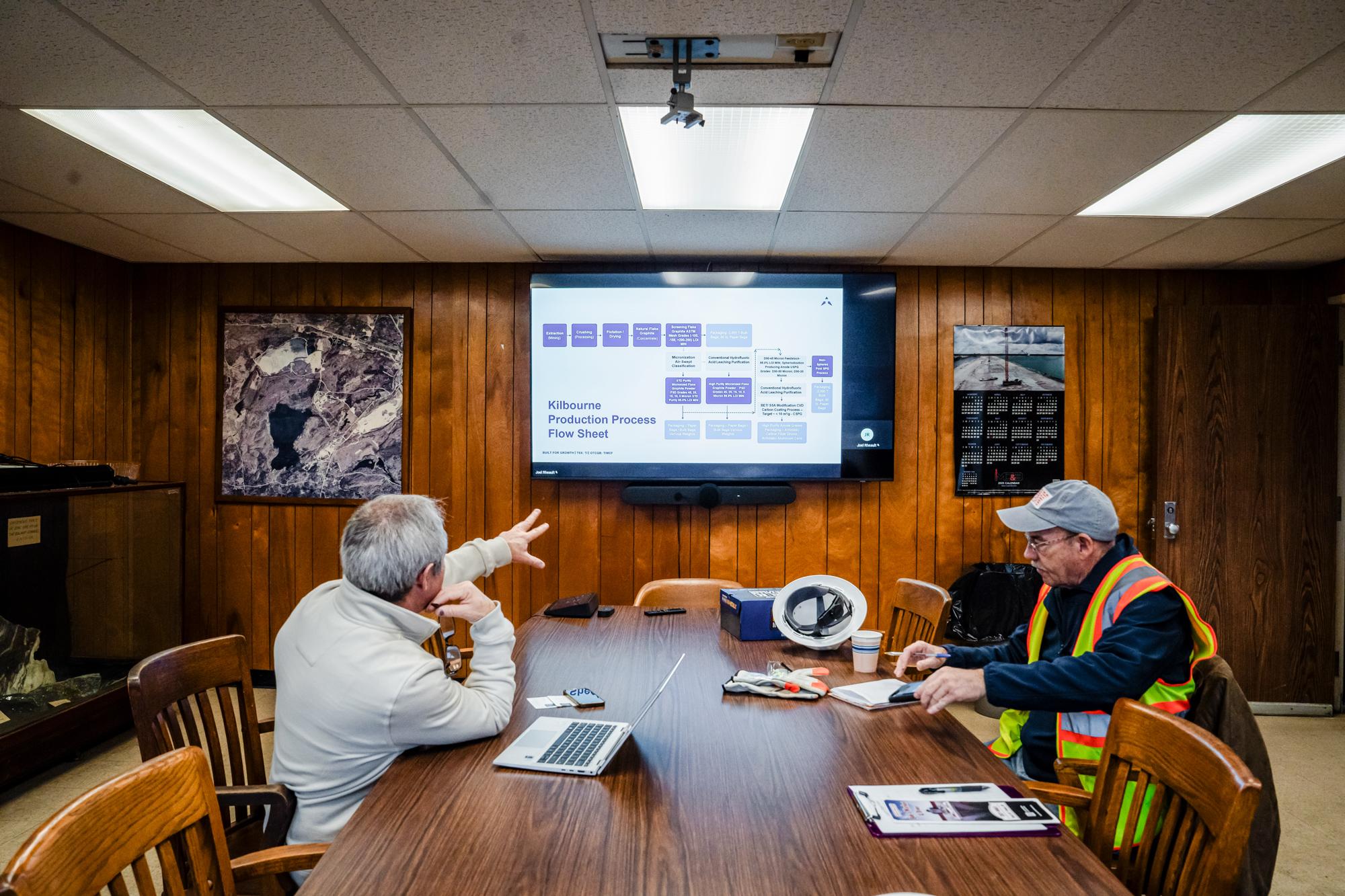
The “beautiful thing” taking shape is Titan Mining Corporation’s $360 million Kilbourne Graphite Project within Empire State Mines’ century-old zinc mine and mill, a nationally vital venture in the United States’ drive to develop a domestic manufacturing supply chain free of China’s mineral market manipulation that could revitalize New York’s rural St. Lawrence County, where small towns with proud mining heritages have languished for decades.
“As a critical mineral, graphite has not been produced in the United States for more than 70 years,” Rheault told The Epoch Times. “We aim to be first in the market to do that.”
Graphite’s high temperature tolerance and electrical conductivity make it ideal for lithium-ion batteries, industrial lubricants, and fire-resistant, lightweight machines and parts across multiple industries.
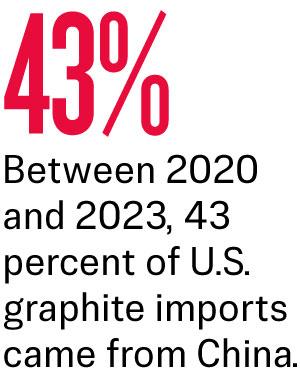
Increasing reliance on imported critical minerals largely caused by a lack of “mid-stream” capacity—mills, smelters, refineries—in markets dominated by China has been a concern for decades. Since President Donald Trump’s November 2024 reelection, securing domestic supply chains has garnered “a lot more attention,” Rheault said.
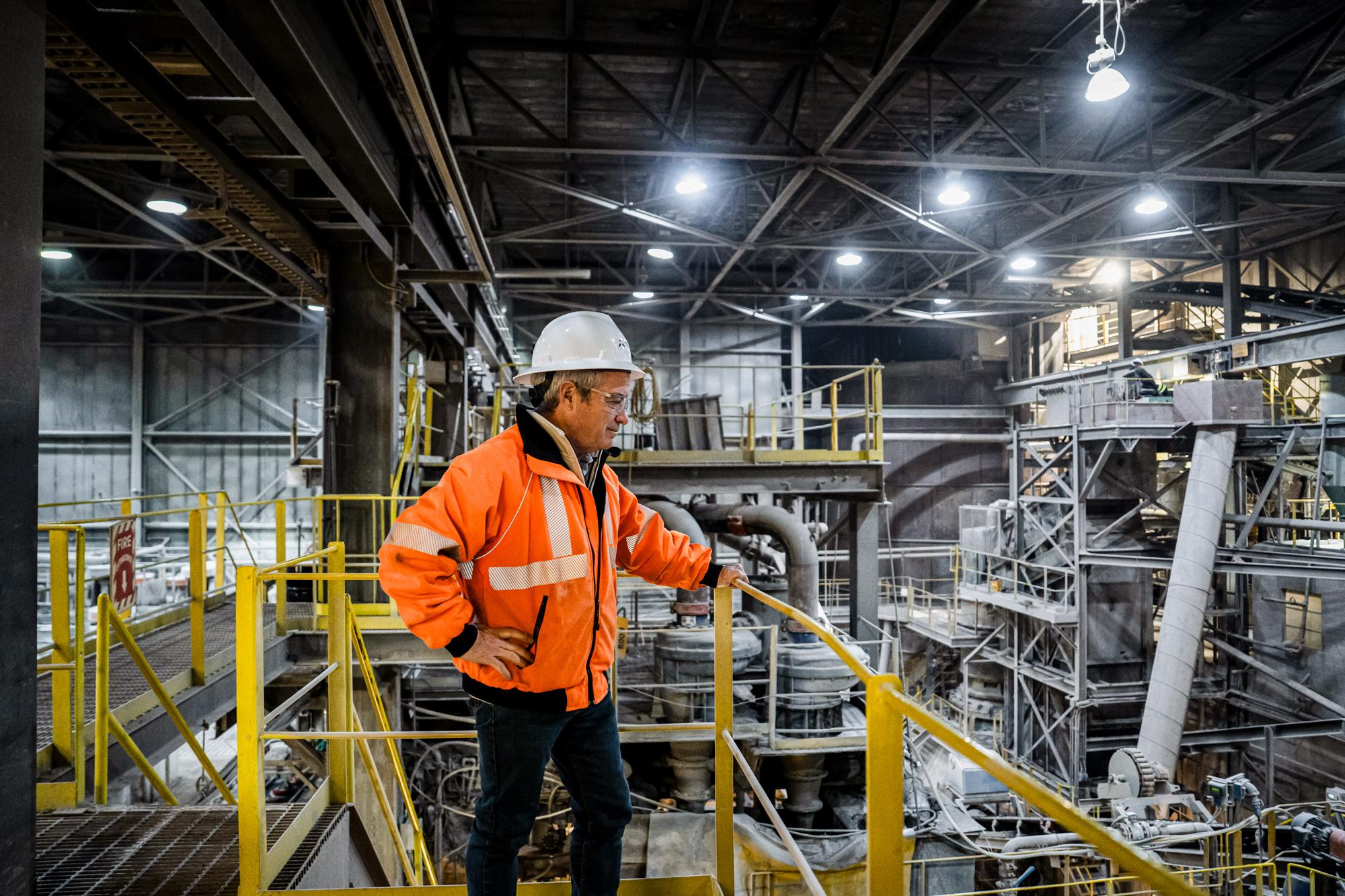
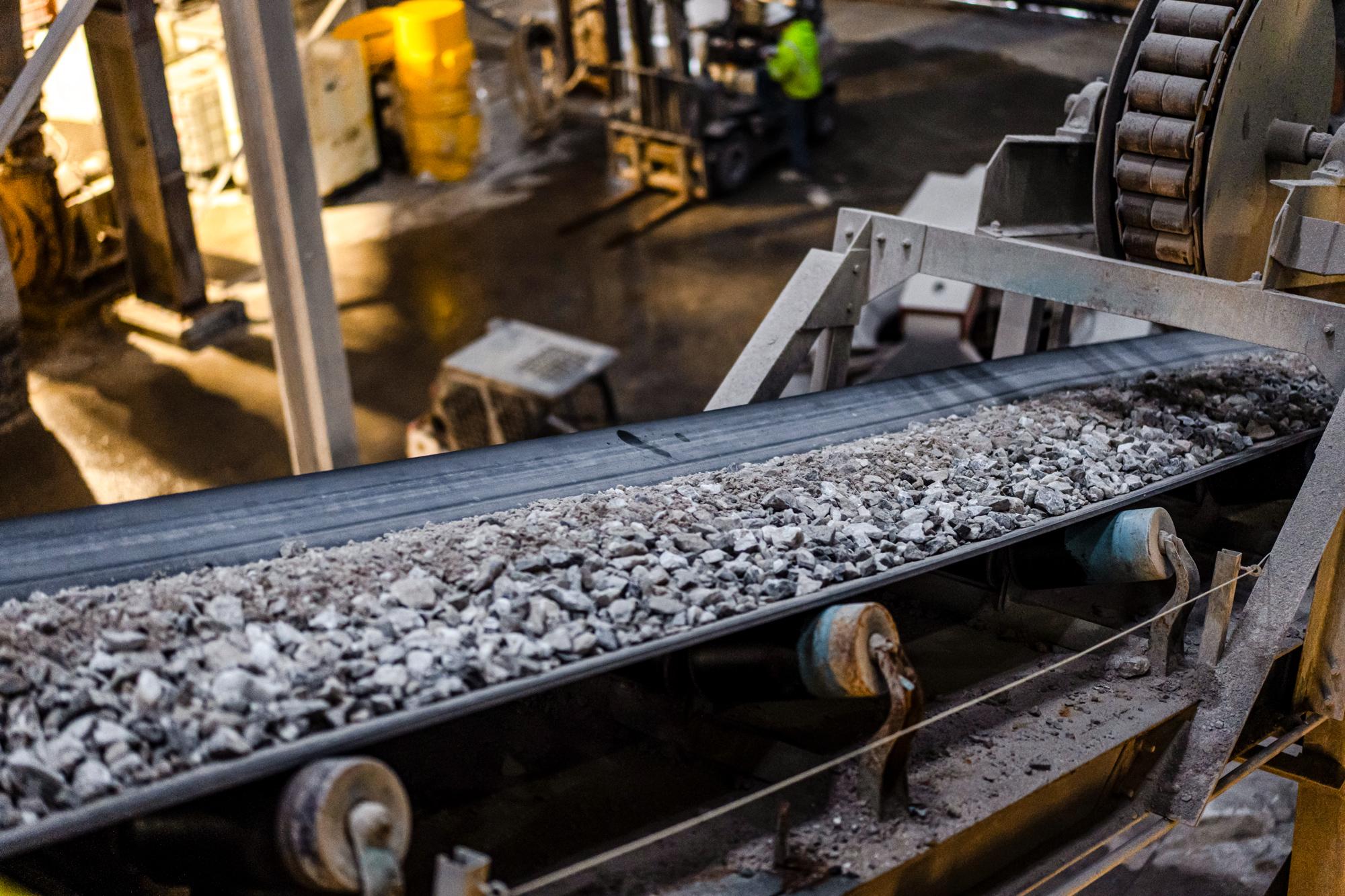
But Empire State Mines’ Kilbourne Graphite Project has an advantage over the others.
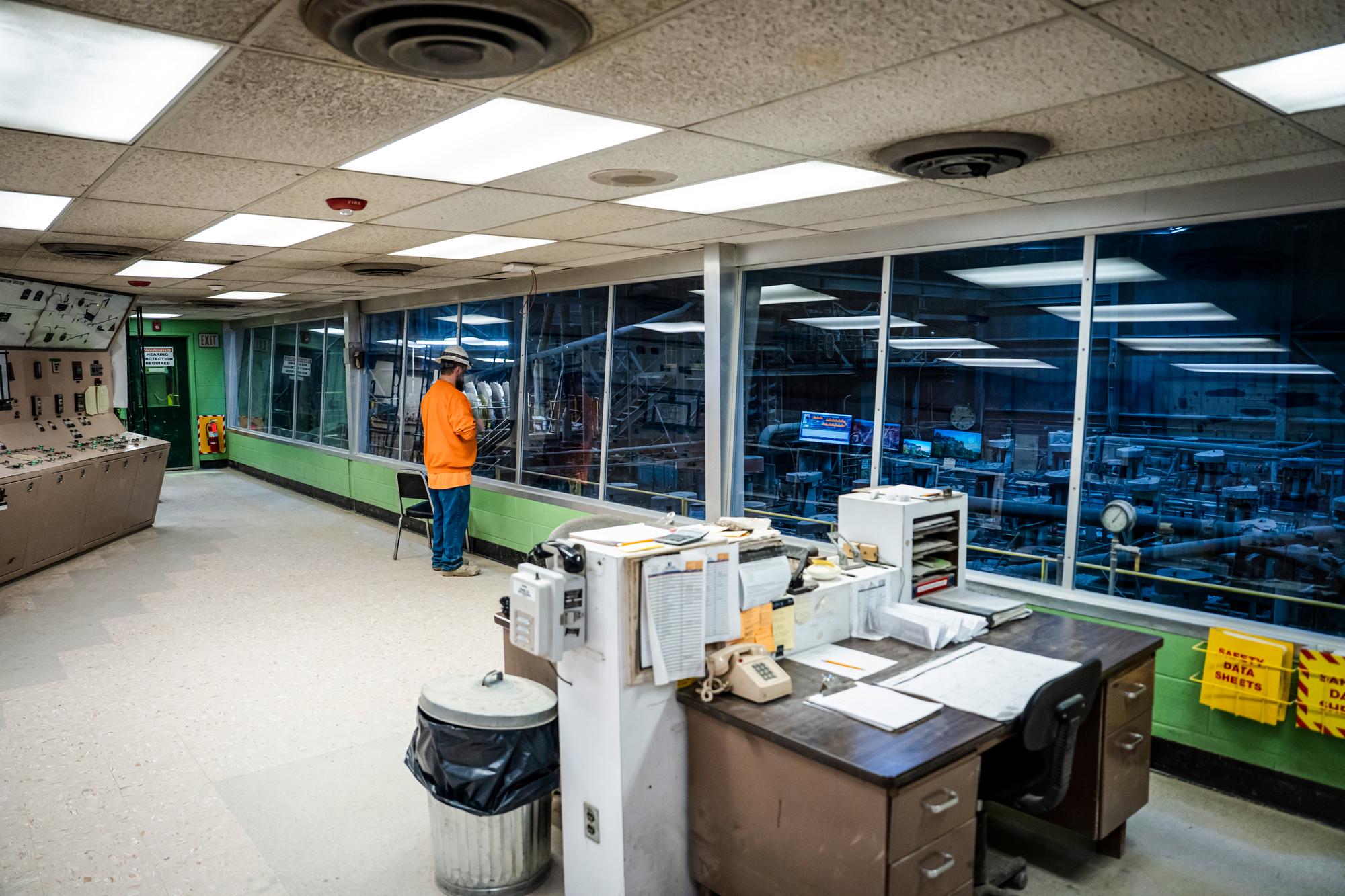
The 800-acre open pit mine is within an existing zinc mine’s footprint and is less than a mile from a mill, meaning little additional infrastructure is needed, according to Titan.
“Existing advanced mining process—it’s all here already,” Rheault said. “We will be making graphite concentrate before the end of the year.”
Investment ‘De-Risked’

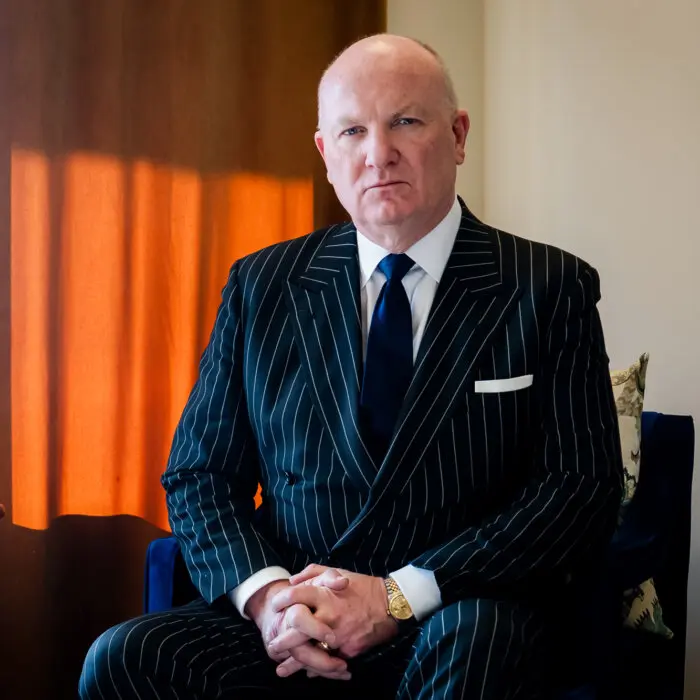
Rheault arrived at Empire State Mines in 2018 to “restart the zinc play” following Titan’s 2016 purchase of the shares of the Balmat Holding Corporation. Titan, which is a part of Toronto-based Augusta Group, led by Canadian investor Richard Warke, changed the name to Empire State Mines in 2017.
A Canadian citizen “working on a green card,” Rheault has managed mines across Canada, the United States, South America, and Europe.
“I’ve been at this for 40 years, almost,” he said.
As many as six mines across a 30-mile swath of St. Lawrence County have produced zinc since 1915, with at least one “continuously operating from the 1930s to 2001,” Rheault said.
The mines were in “care-and-maintenance mode” for more than a decade when Rheault arrived to reopen them.
“The resource was left in the ground until somebody could make it a viable business,” he said. “That somebody was Titan.”
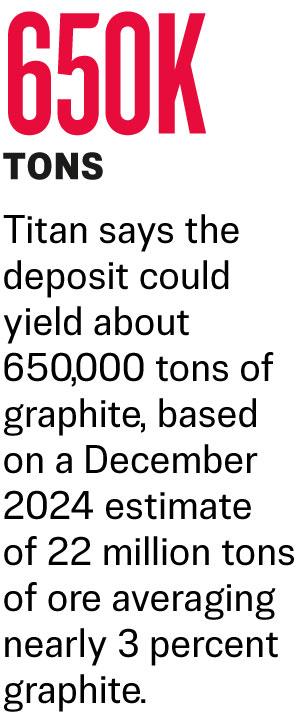
In 2023, geologists led by Empire State Mines Exploration Manager Connor Messler were analyzing rock in 45 diamond drill holes across 42,000 feet of drilling and realized they contained graphite.
Rheault said the Trump administration’s critical minerals push is fostering a domestic mining revival.
“It’s great they recognize that if you don’t have control of your own resources, you don’t control your destiny,” he said.
“We’re seeing a lot of interest,” he said.
The loan “has greatly de-risked” investing in the project.
Empire State’s Empty Quarter
This is welcome national news and front-page material in St. Lawrence County, a sparsely dotted sprawl along the St. Lawrence River between the Adirondacks and Lake Ontario that is larger than both Rhode Island and Delaware.“We’re a large rural county with a lot of natural resources, minerals, timber, agriculture, dairy,” Patrick Kelly, executive director of the St. Lawrence County Industrial Development Agency, told The Epoch Times.
The county, which is New York’s largest, includes an Amish community with horse-drawn buggies trotting along backroads.
“This is an opportunity to support an industry that’s been so important for 100 years in the county with new growth, new development, in combination with a company with the right business model at a time when the geopolitical situation aligns in a way that, hopefully, is beneficial for us,” he said.
Fowler Town Supervisor Ricky Newvine said the population declined because people are “sick of New York taxes,” which only get higher when businesses leave.
When Newvine was first elected in 1990, property taxes were “very low.”
“Much of the homeowners’ share was paid by commercial landowners, but it’s around 50–50 now,” he told The Epoch Times.
“There are fewer businesses in town. We’ve lost three or four over the years, and it makes a big difference.”
Before Empire State Mines reopened in 2018, a few dozen employees were maintaining the property. Rheault expanded staff to 90 and has added 58 new hires so far in 2025, including 30 between July and September. The workforce now stands at 165, with a $16 million annual payroll.
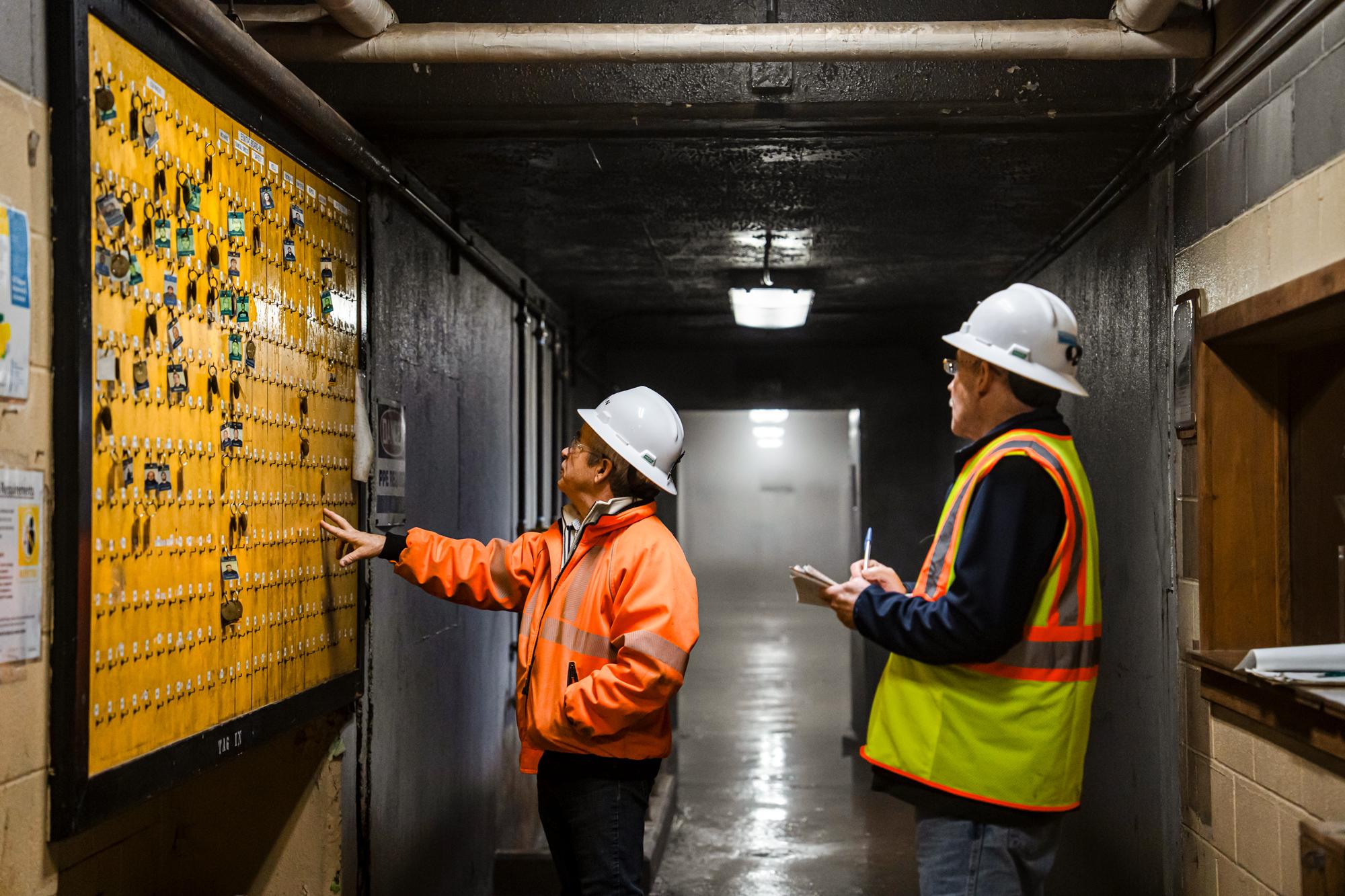
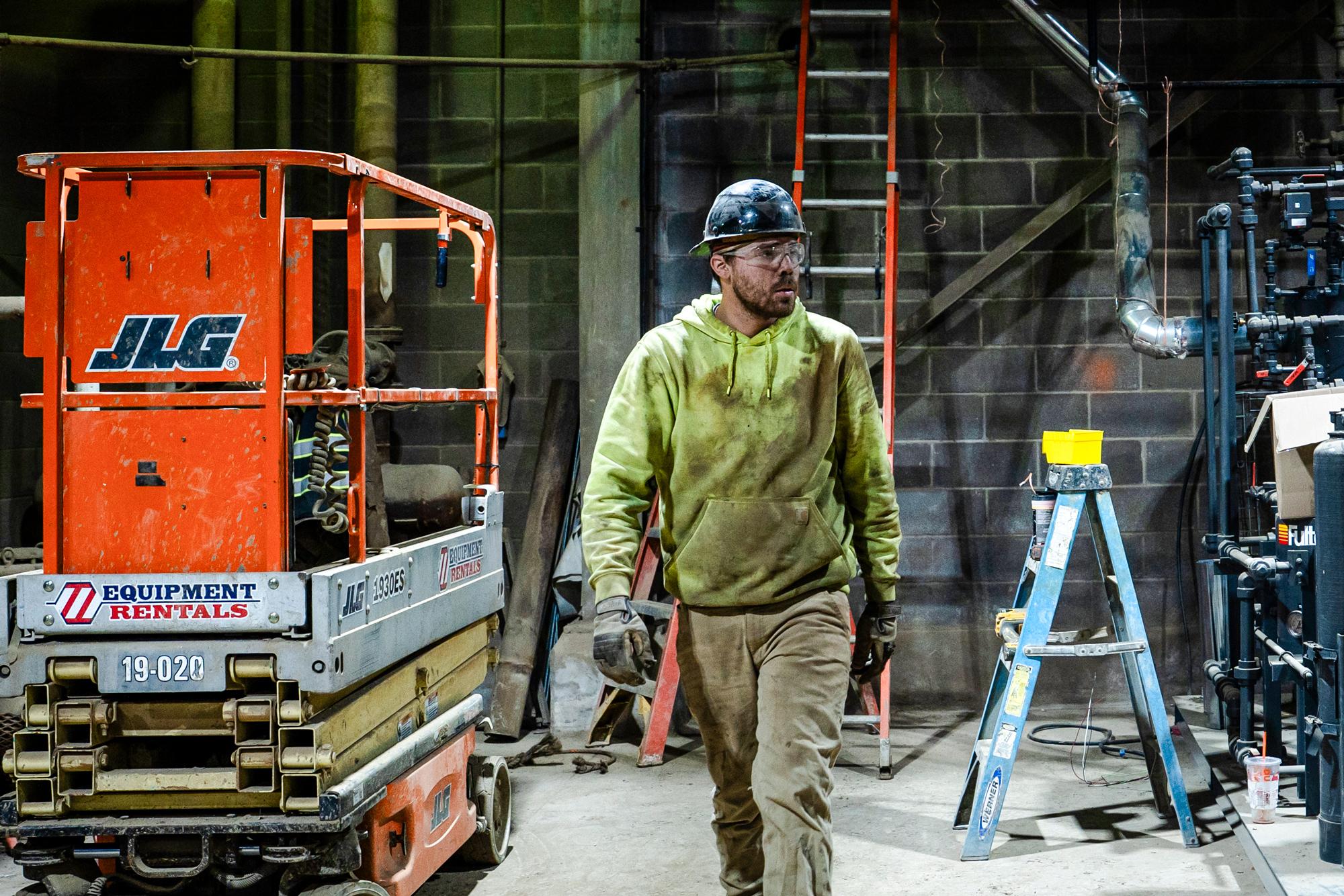
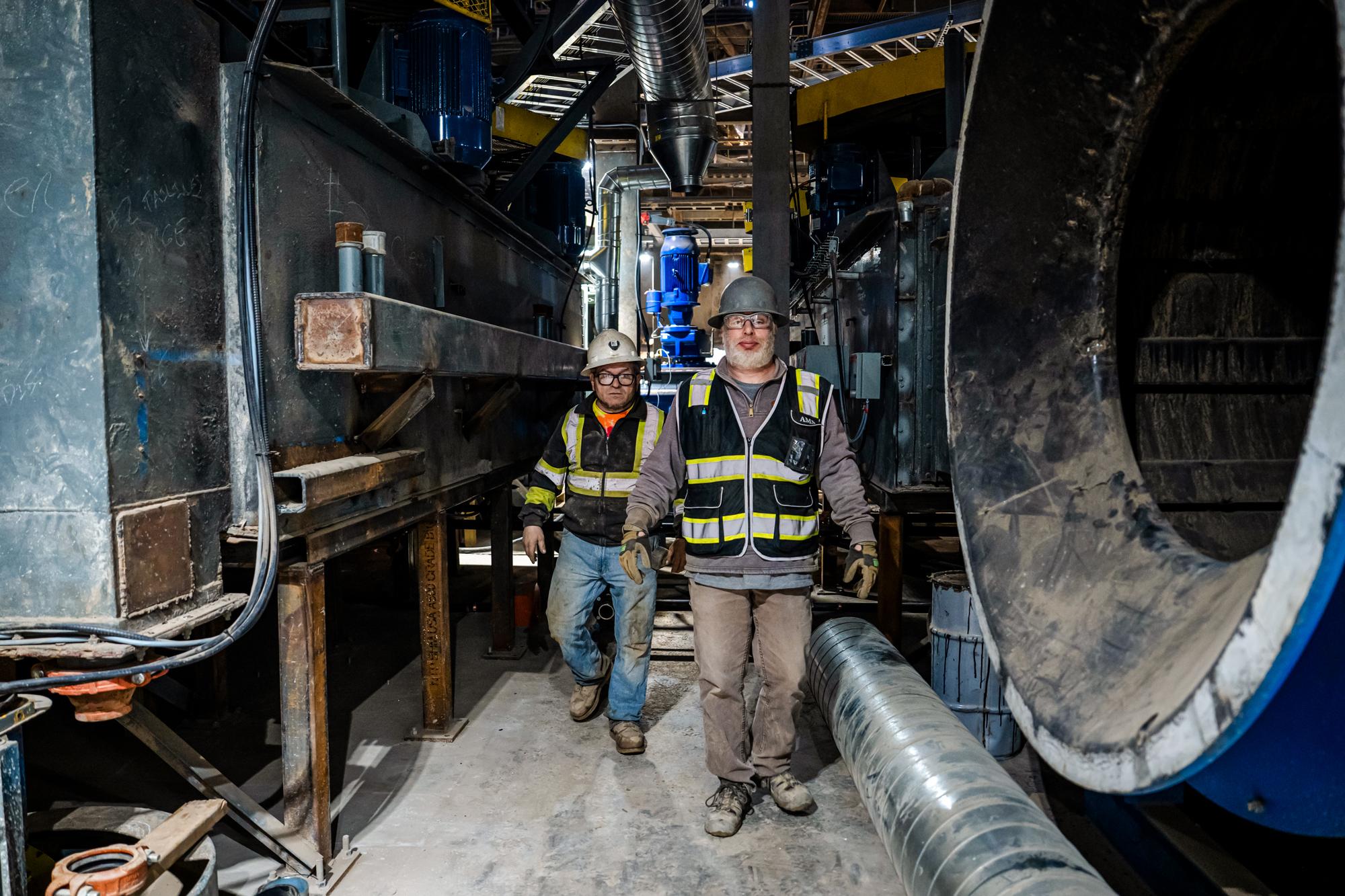
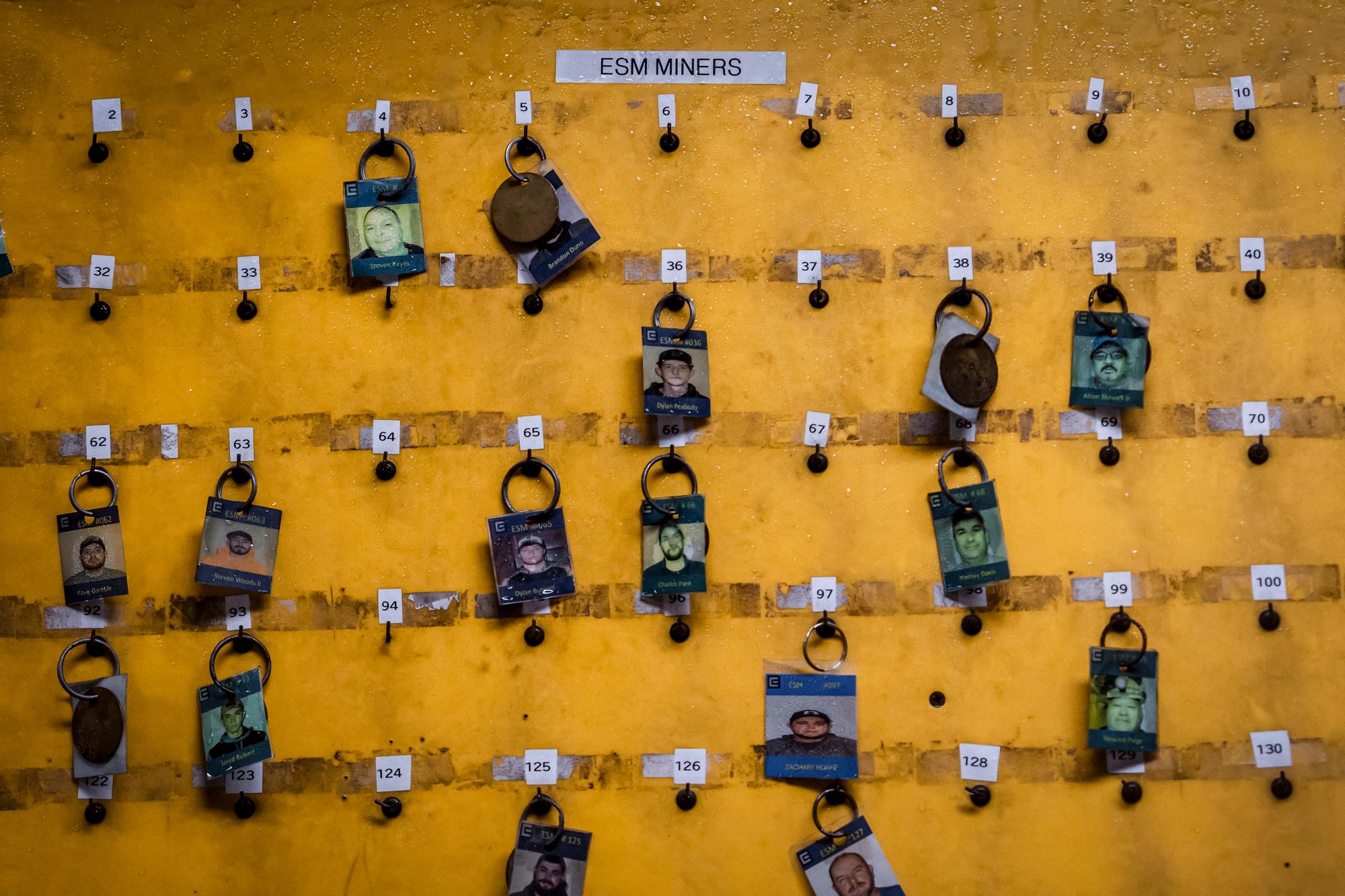
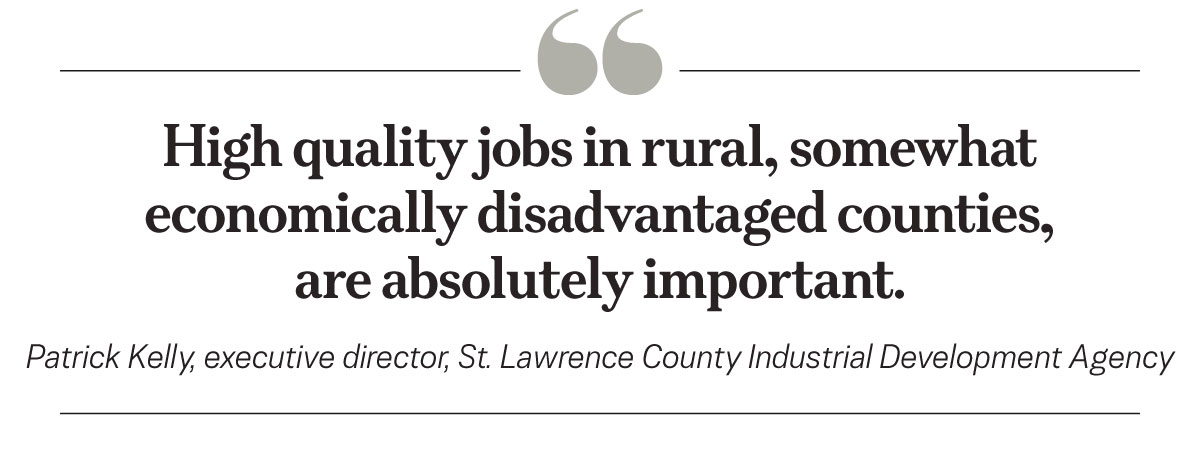
“That money travels through the regional economy,“ Kelly said. ”You see it in restaurants, at car dealerships. You see it in school enrollments, in the payer mix at local hospitals. Those are all hidden benefits. High quality jobs in rural, somewhat economically disadvantaged counties, are absolutely important.”
Ryan Powers, who owns Fun Unlimited, a snowmobile and all-terrain vehicle dealership near the mine, said he has seen an increase in sales of “recreational stuff” to young people who work at the mine.
“That’s a very healthy job,” he told The Epoch Times. “I hear them every morning going to work—4:30, 5 a.m. My biggest complaint? Get the speed limit lowered out here.”
Empire State Mines spans the town of Fowler, population 2,145, and the village of Gouverneur, population 3,579, according to World Population Review.
The latter straddles Route 11 and is divided by the Oswegatchie River, six miles from the mine. It has two grocery stores, several restaurants, and one hotel, but “calling it a ‘commercial center’ is being gracious,” Gouverneur Mayor Ron McDougall told The Epoch Times.
Titan’s graphite discovery “is the best potential economic news [in Gouverneur] in quite some time,” he said.
“We ought to thank the geologists,” said McDougall, who has acted as a board member for the Jefferson, Lewis, and St. Lawrence Counties Central Trades and Labor Council since the 1980s. “We ought to give them a memorial. This is a big deal. It creates a lot of economic opportunity for our people.”
‘This Is a Mining Town’
The Adirondacks’ western flanks include some of the nation’s best fishing and hunting and the largest old-growth hardwood forests east of the Mississippi, but they can be sparse territories for development, McDougall said.Titan has exceeded expectations with its zinc mine restart and its graphite discovery, Newvine said.
“They said 10 to 15 new jobs, now saying more than 50,” he said.
Rheault said nearly doubling the workforce over the past few years “means a lot for this small town.” He isn’t making promises about “bringing it back to its heydays of the ’60s and ’70s, but there’s potential to be stable and profitable.”
Local job-seekers have an ally in Empire State Mines Human Resources Manager Clara Cummings, a lifelong Gouverneur resident whose family once owned the village’s only motel.
“This is a mining town,” Cummings said, and that comes with ups and downs.
“When I grew up, St. Lawrence County was one of the poorest counties in the state.”
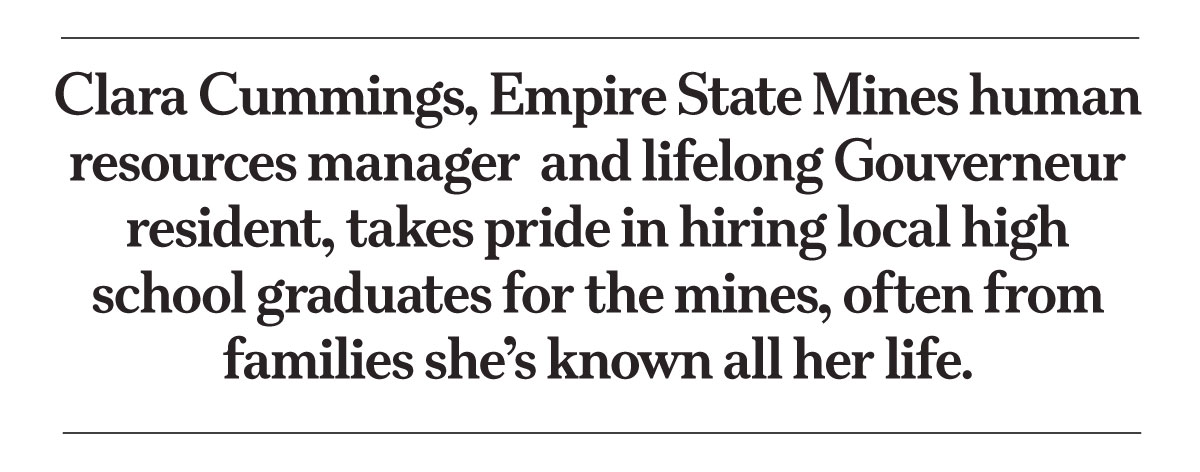
Her focus is on keeping as much of the mine’s payroll local as possible, she told The Epoch Times.
Cummings takes pride in hiring local high school graduates, often from families she’s known all her life.
“To me, it’s very rewarding to offer these jobs to kids I know—kids my kids grew up with—18-year-olds out of high school,” she said.
Among these “kids” is Cayden Stowell, 23, who was hired in November 2021 as surface labor and is now an excavator operator and fourth-generation miner working with his father, uncle, and twin cousins.
This wasn’t his plan. A star Gouverneur High running back, in 2019 he averaged nearly 10 yards per carry, scored 17 touchdowns, and was ranked among the state’s top prep halfbacks.
“I was trying to get a football scholarship, applying to lots of colleges,” Stowell told The Epoch Times. “My mom was sticking [responses] in a junk drawer. I got one from Norwich University, but by the time I saw it, it was too late.”
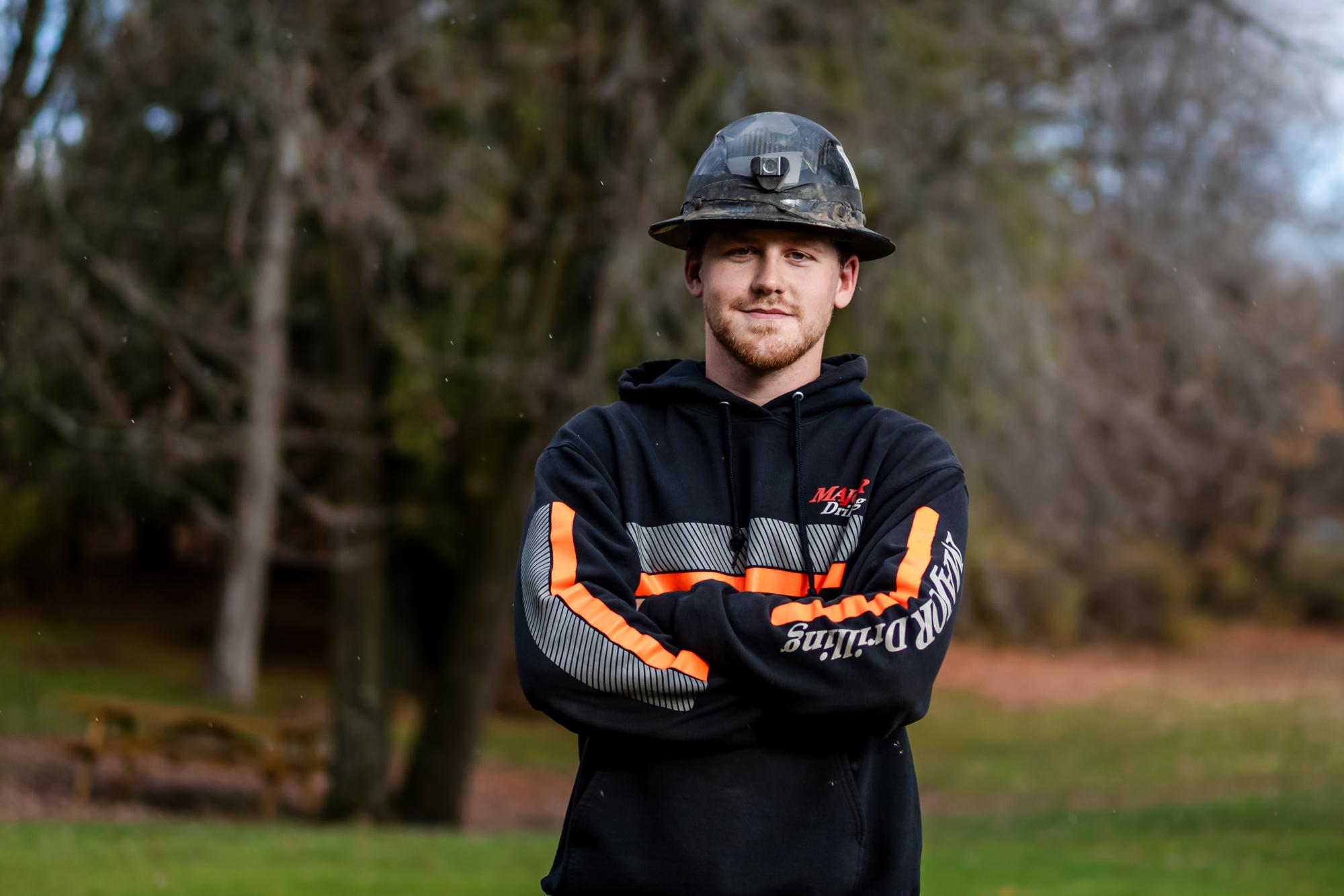
He said the teamwork skills he learned in football are now being applied in “a different world, 5,000 feet below” and “a mile out” from the mine shaft.
“One goal—every step aligns with it,“ he said. ”Everyone’s on the same page, but in different places.”
Empire State Mines’ miners see themselves as part of a bigger team working to build critical mineral supply chains impervious to China’s market manipulations.
Possible 3rd Act
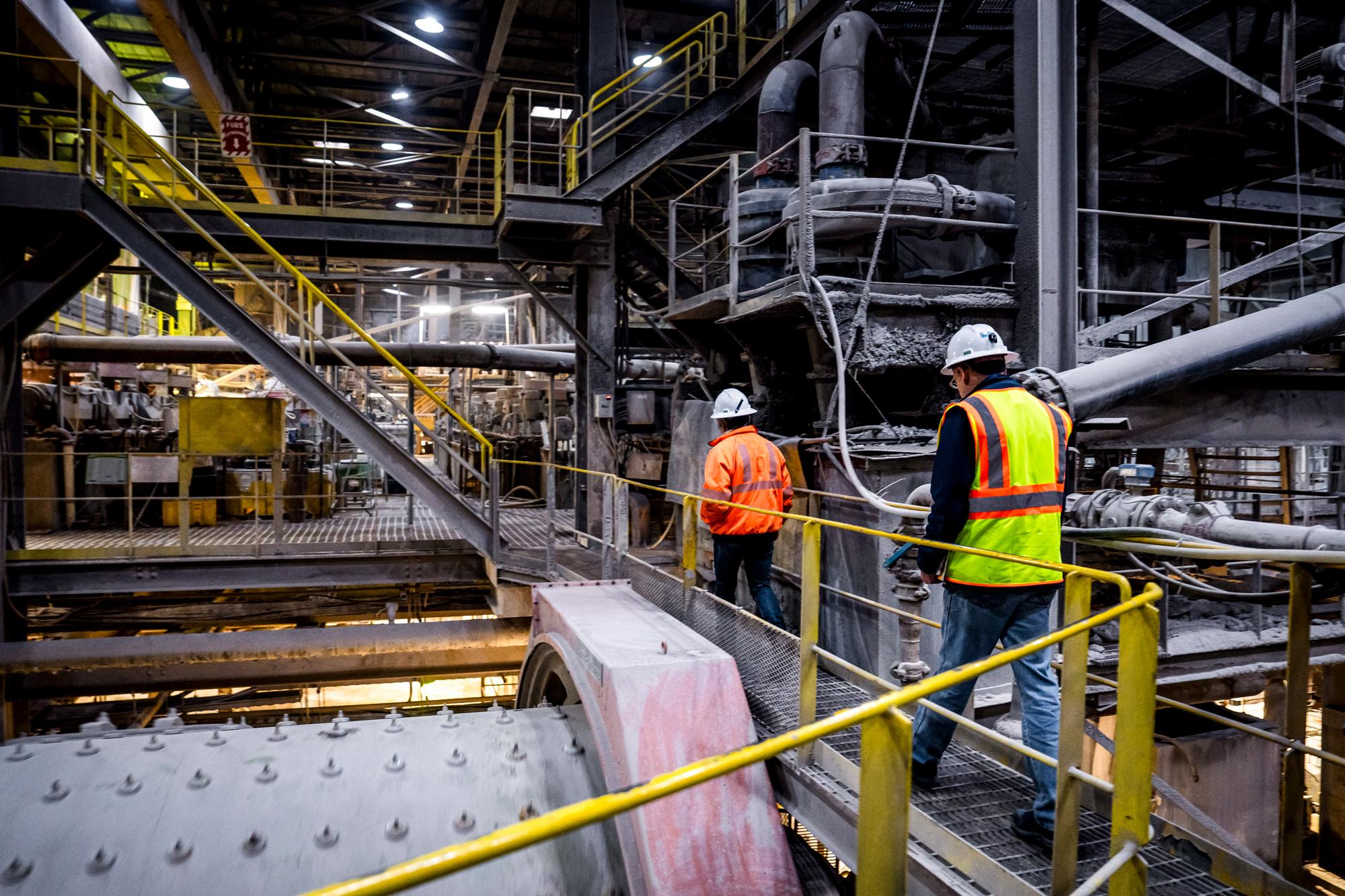
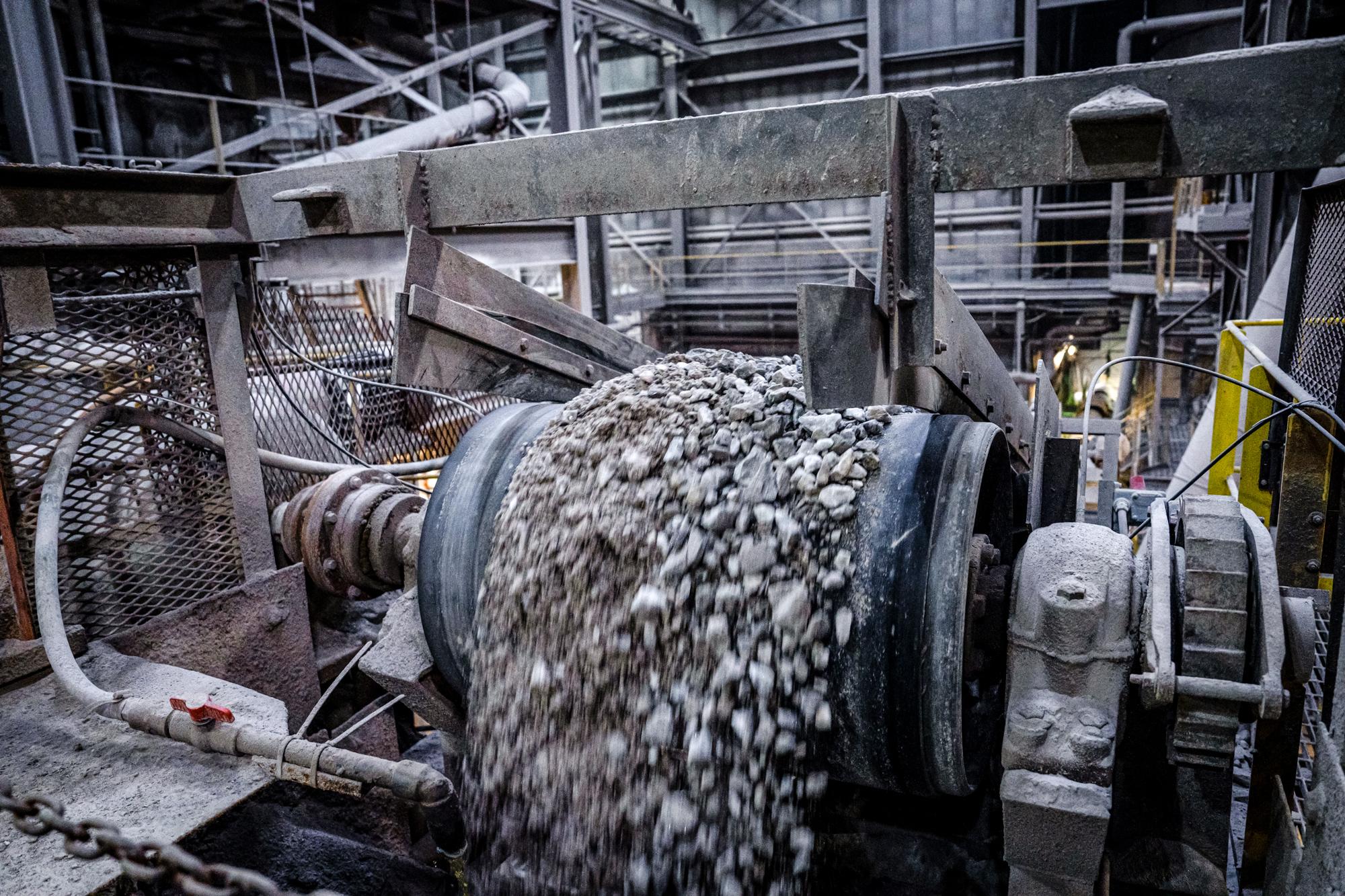
Titan’s zinc mill’s grated iron walkways and ladders built around spiked-wheel grinders that feed crushed rock into chemical flotation tanks are reminiscent of an aircraft carrier engine room.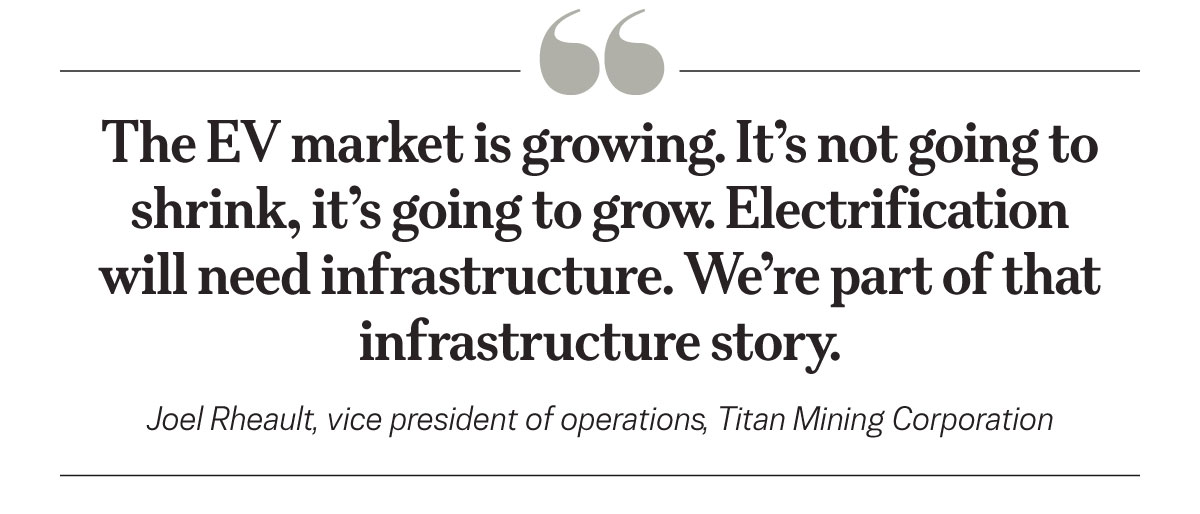
Grinders, tanks, and machinery are under tarp in an area within the plant, and the partially assembled graphite mill will eventually produce flake graphite crafted to manufacturers’ specifications, Rheault said.
The mill can turn ore into metal and ultimately ingots, he said.
“Higher purity products,” such as batteries for electric vehicles (EVs), require “tight specs” and “years of tests,” Rheault said.
“The EV market is growing. It’s not going to shrink, it’s going to grow,“ he said. ”Electrification will need infrastructure. We’re part of that infrastructure story.”
In an adjacent warehouse, ore is stockpiled.
“We’re getting ready to feed it into the demonstration plant,” he said. “People are contacting us for samples.”
Locals are watching closely.
“There’s a lot of things yet to be done before this becomes a reality,” Newvine said. “But is it good? Yeah.”
McDougall said local officials hope the Pentagon becomes a primary customer and have little doubt the project is sustainable because former New York Gov. George Pataki and former Speaker of the House John Boehner (R-Ohio) sit on Titan’s board.
“Pataki was here,” McDougall said. “He couldn’t pronounce Gouverneur.”
“A lot of testing ahead,” Rheault said. “Geologists are the most optimistic people.”
That optimism is spreading, McDougall said.
“When something like this happens, we’re very optimistic. I feel the same way,” he said.
“The exciting thing is, there’s a bigger picture story here with the supply chain and with the opportunities,” Kelly said. “We’re looking forward with hope.”