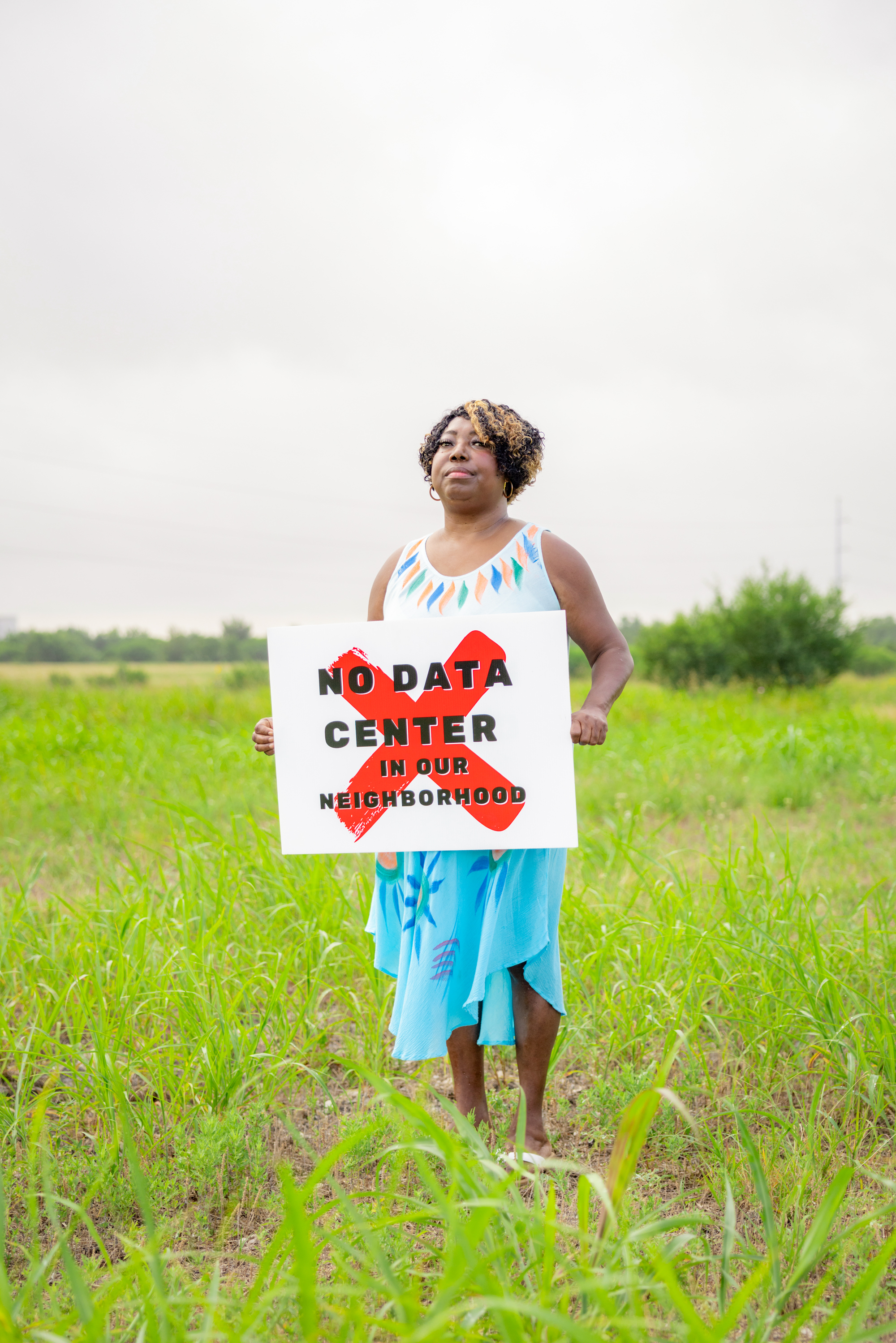

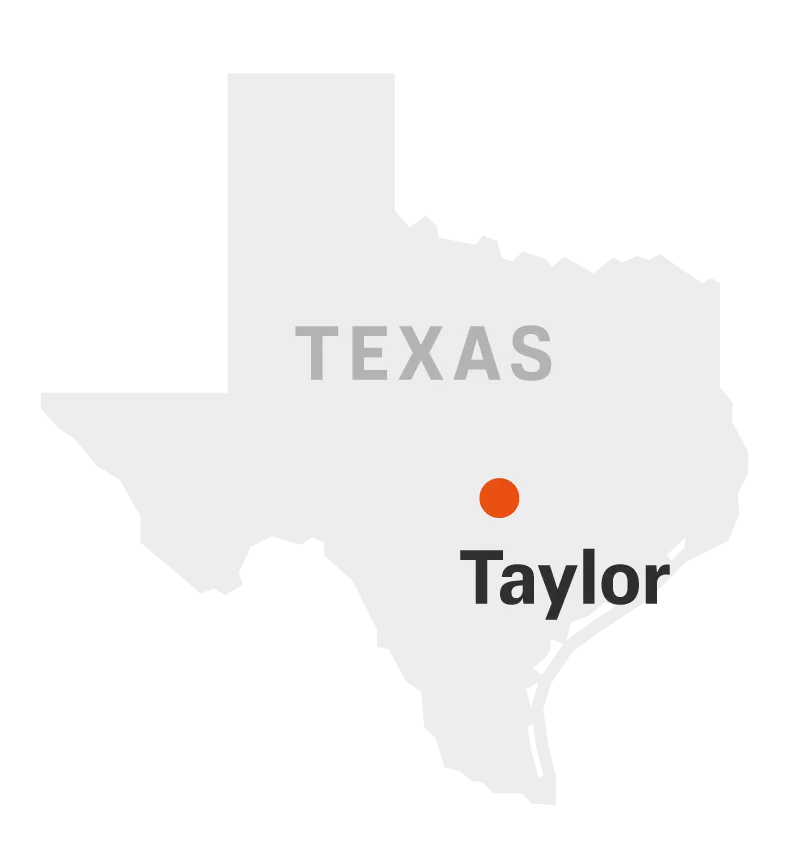
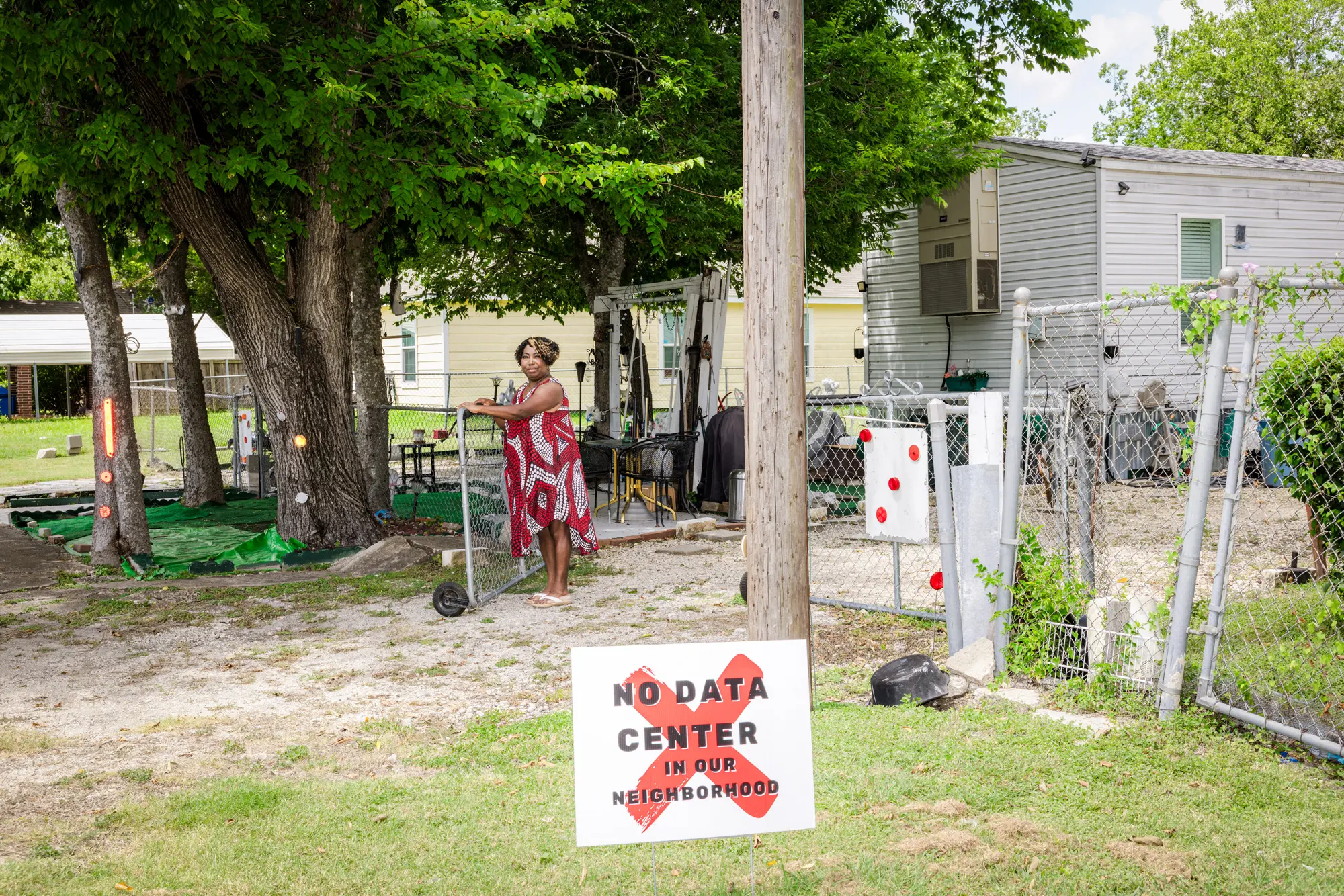
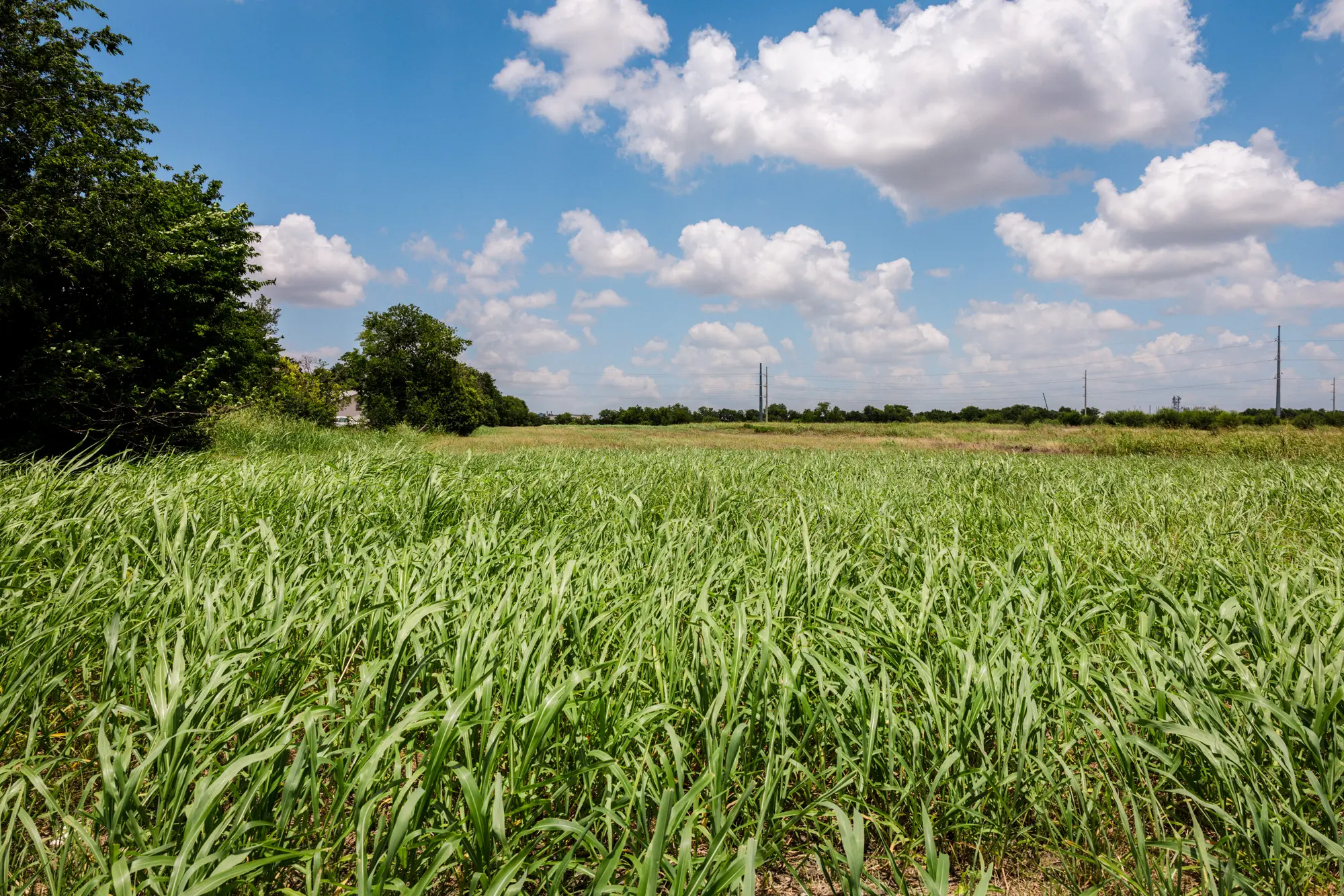
TAYLOR, Texas—The sun blazed down on the field stretching into the distance behind Pamela Griffin’s house in July, just as it has every summer for decades.
Molasses flowed quicker than change happened in this town of about 18,000 outside of Austin—until Big Tech came calling, creating a surge in residents and development.
The field evoked childhood memories for Griffin and her family, who are black. Her relatives have lived in the neighborhood since her grandmother bought the land that was outside of town. Back in the 1960s, racial minorities weren’t allowed to buy property in the city, she said.
But now those memories are likely to be bulldozed.
Last year, when local organizers knocked on Griffin’s door, she learned that the field bordering her property would be used for a data center.
“In this neighborhood, nobody had ever heard of a data center,” she told The Epoch Times.
Griffin began researching and didn’t like what she found.
She felt gobsmacked. She never received notice from the city.
She learned that dozens of acres where she had played and camped with her siblings as a girl were slated to be replaced by large, noisy industrial buildings.
Her neighbors were surprised and scared by the development, too, she said.
“A lot of them don’t have money. A lot of them are old people, handicapped people, low-income, single moms, single dads,“ she said. ”They can’t afford to move anywhere, and they’re upset, and they didn’t know how to fight.”
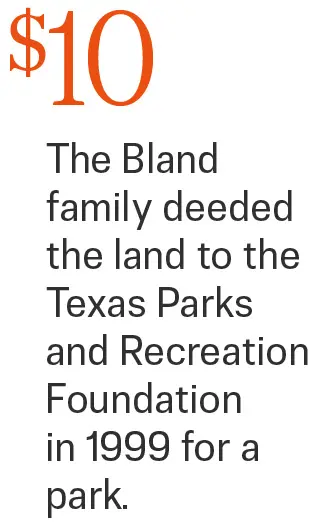
According to the city, the Bland family deeded 87 acres of land to the Texas Parks and Recreation Foundation in 1999 for use as a park for $10.
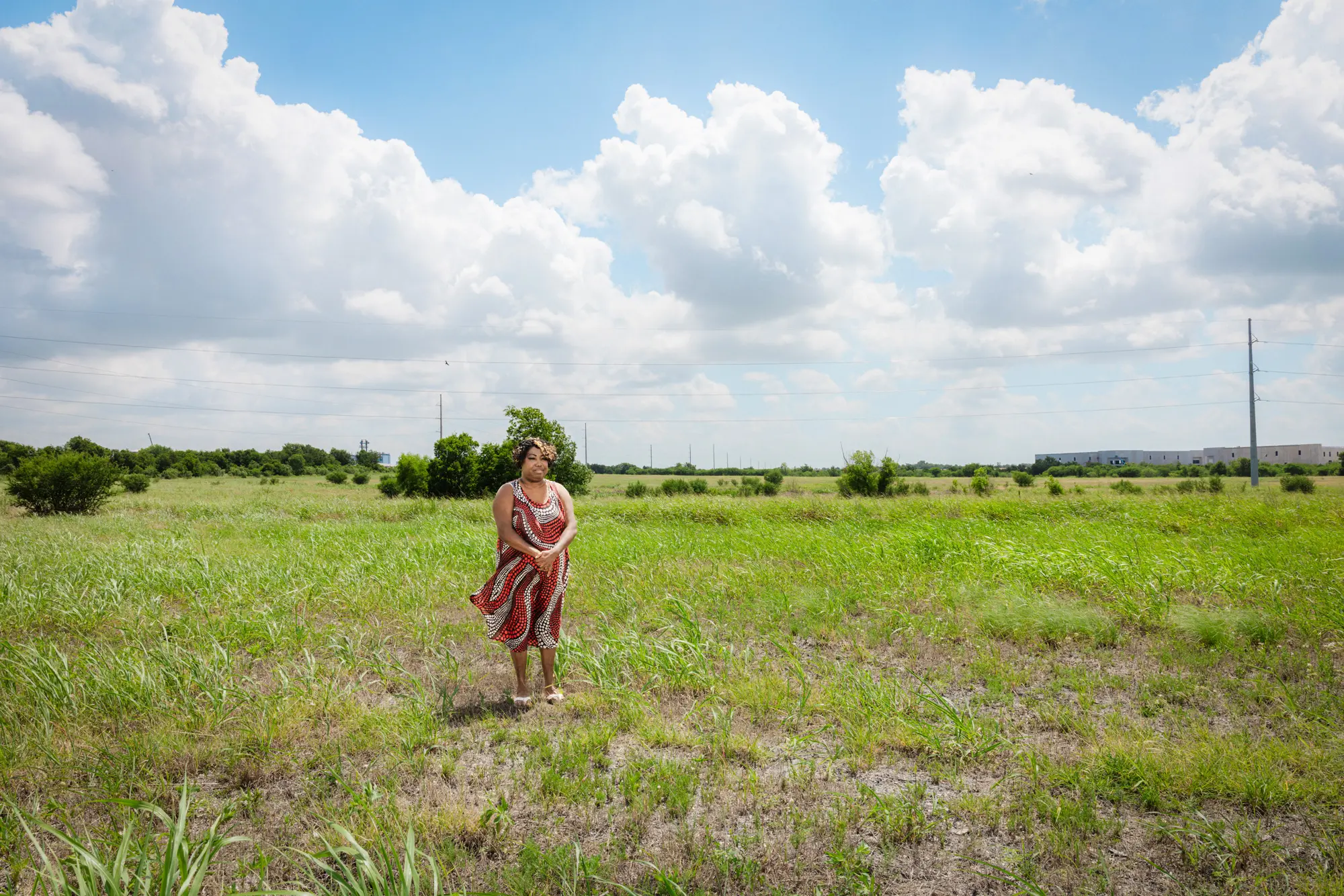
Eventually, the property was sold to the City of Taylor for $10. The city then transferred it to the Taylor Economic Development Corp. in 2009 in exchange for $15,000 and 39 acres elsewhere.
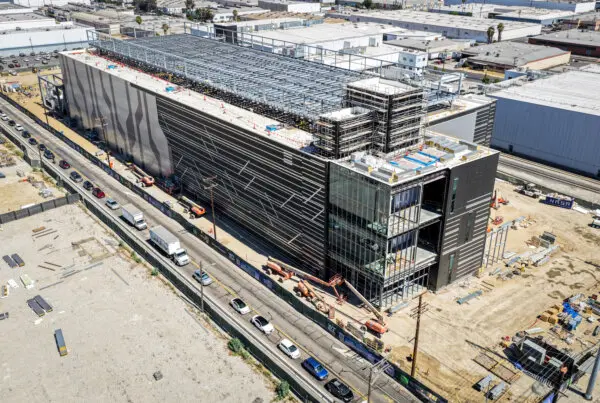
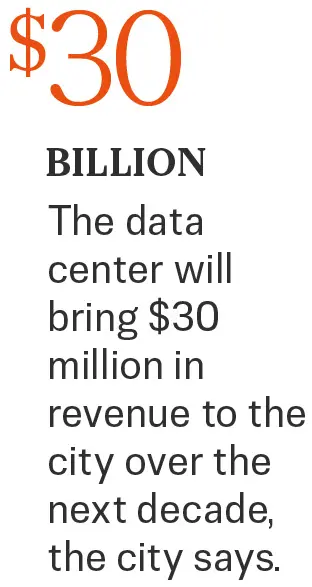
The corporation then sold the majority of the land in 2025 for $10 million to develop a data center. The $1 billion center, to be developed by Blueprint Data Centers, is projected to bring $30 million to the city’s coffers and another $20 million to schools, according to the city.
The city claims the provision stating that the property was to be held in trust for parkland was not a deed restriction—a claim that town activists and Griffin’s attorney have challenged.
Promise of a Park
Griffin recalled her father saying years ago that he'd spoken to the family that owned the field. It was the same family that sold him land where Griffin’s house now sits.
He said the Bland family wanted to donate the land as a park so the neighborhood kids would have a place to play. But no one knew that had actually happened until they began researching the deed.
So Griffin and her siblings met to talk it over.
Griffin thought about selling and moving away. But her sister argued they shouldn’t give up. Her brother told her that he wanted to live out his days on the family land.
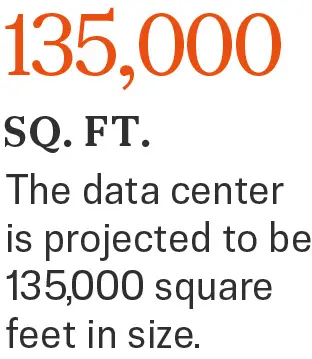
They decided to pitch in money to hire a lawyer to fight the 135,000-square-foot data center proposed next door, she said.
Battling Big Data
Griffin and others said a lack of notice to residents near the parcel of land meant they never had a chance to contest the development.
Her home sits about 500 feet from the field that the data center’s parent company bought. According to the city, it was only required to notify the 19 people who live within 200 feet of the development.
Activist Carrie D’Anna, who discovered the data center project by chance, told The Epoch Times that she left fliers in Griffin’s neighborhood about a year ago, urging people to attend a city council meeting to learn more.
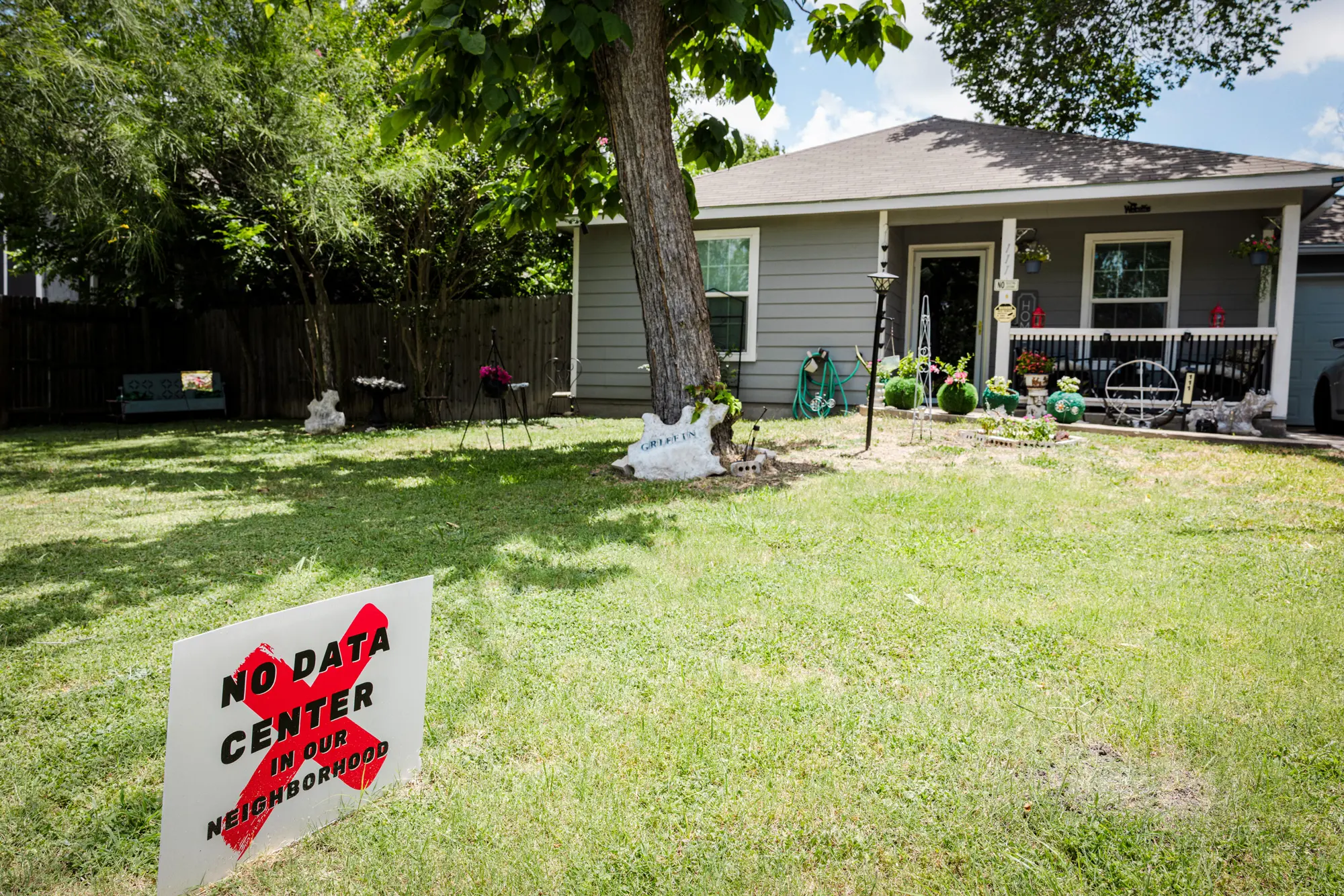
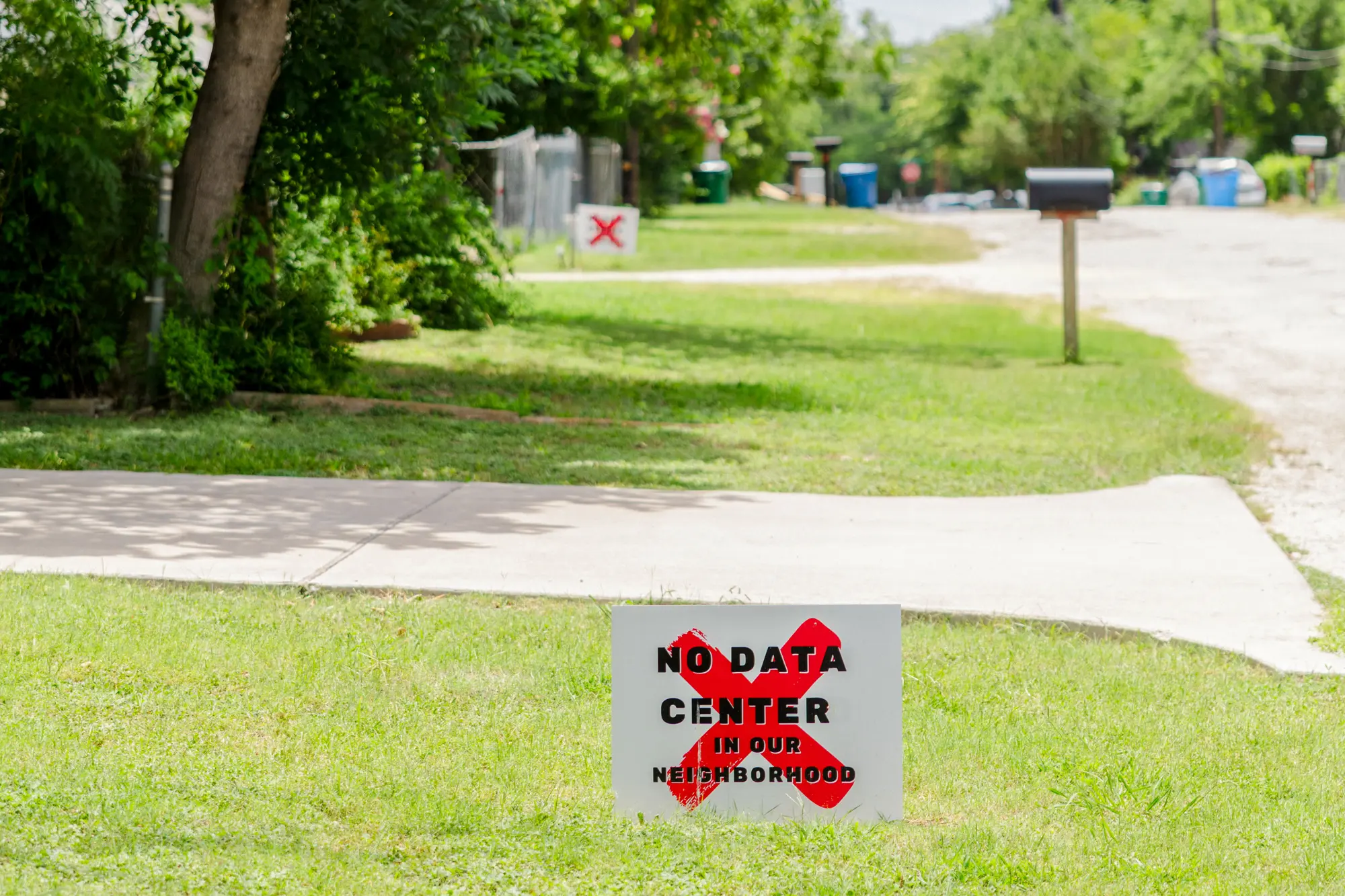
That’s where Griffin met D’Anna for the first time, as people packed city hall. Griffin told city officials that she didn’t want the center behind her house. The council brushed off her concerns, she said.
The pair have been fighting the data center ever since.
The opposition, which started in Griffin’s neighborhood on the southeast side of town, near Martin Luther King Boulevard and the railroad tracks, has spread.
D’Anna, who established the Halt Taylor Data Centers coalition, said people across town, not just those directly in the center’s crosshairs, have joined the fight.
The group started a GoFundMe campaign to cover expenses.
Blueprint did not respond to an email from The Epoch Times seeking comment.

A Quiet Development

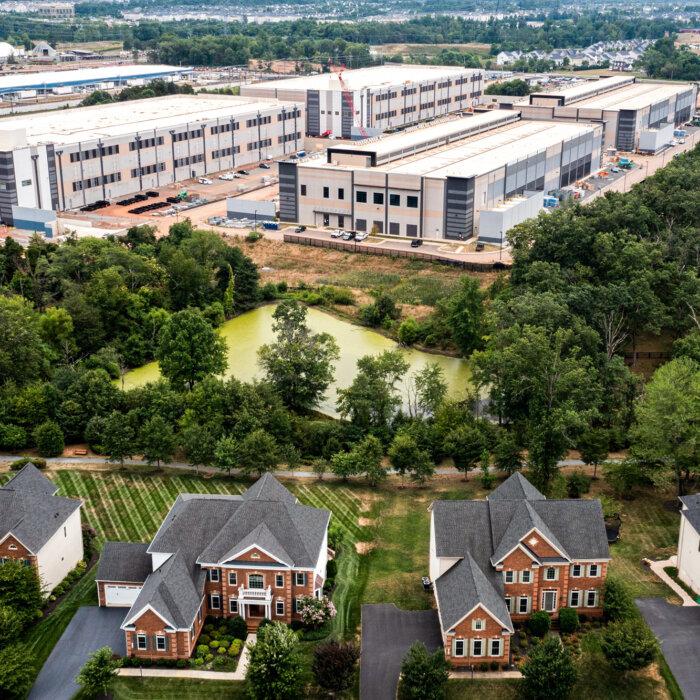
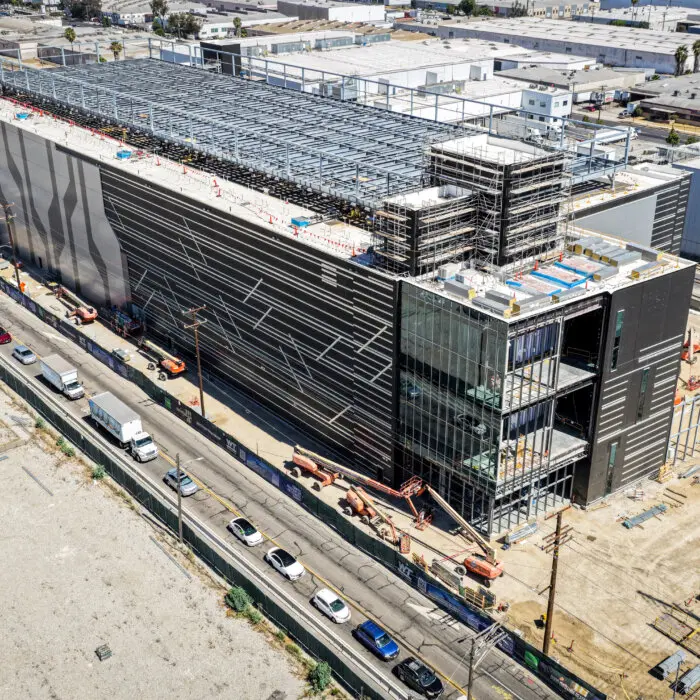
The Taylor Economic Development Corp. sold only 52 of the 87 acres, meaning the agency retained the rest, D'Anna said. That remaining land could act as a buffer zone that would avoid triggering notice to a broader area of residents, she said.
“So when the notice goes out, basically the notice is being sent to themselves,” she added.
She said that residents met with data center representatives who told them: “‘Hey, we’re trustworthy. We work with community partners.’”
The city council said Blueprint was following the rules and that there was nothing they could do about it, she said.
One of the city council members who served on the Taylor Economic Development Corp. told them the agency had been trying to sell the property—which by now had been zoned for industrial use—for more than a decade, D’Anna said.

“He’s like, ‘We couldn’t give it away,’” she said. “And yet they sold it for $10 million.”
Griffin family attorney Christopher Osborn said he suspects there would have been a public outcry sooner if the center’s development had been widely publicized.
“One of the excuses [the city uses] now is, ‘Well, we’re so far along in the process, we can’t stop now,’” Osborn told The Epoch Times.
David v. Goliath
Last July, Osborn filed a lawsuit in the Williamson County District Court seeking an injunction to enforce the parkland deed restriction.
However, the court dismissed the case on the grounds that the Griffin family didn’t have “standing,” meaning they didn’t have a personal stake in the matter or weren’t directly injured.
Osborn filed an appeal, which is now before the 15th Court of Appeals in Austin. He also asked for oral arguments in the appeal.
He is hopeful that the lower court’s decision will be overturned, given past cases involving parks.

In Osborn’s appeal, he argued that past cases allow standing under certain circumstances. For example, a Texas Supreme Court case from 1960 held that abutting property owners of property abandoned for park purposes had standing to file suit.
Osborn, who practices in Taylor, said taking on a big data center with a stable of “tall building lawyers” was like taking on Goliath.
“It was like a football team of attorneys,” he said.
Yet he has been encouraged by the support he has received.
“I’ve gotten numerous emails from attorneys, from third parties, other people who just wanted to help,” he said. “It’s just disappointing that the city would have moved forward with this without any type of real meaningful judicial analysis or even public involvement.”
Osborn has argued that the city, or any previous owner of the land, was bound by the original deed, which provided that the property was “to be held in trust for future use as parkland,” forever.
As the property changed hands among different entities over time, successive deeds omitted the provision that it was to be used as a park.
But Osborn denies that’s an excuse.
“If it’s in one deed, it doesn’t have to be recited in the subsequent deeds. And so, even though it wasn’t in those subsequent deeds, it still is an enforceable provision,” he said.
Judicial approval would have been required to remove that deed restriction, he said.
“As far as I can tell, it was never brought to any decision maker’s attention that there was in fact a deed restriction,” Osborn said.
"While the city now claims it was not bound by that clause, we believe developing the land as a data center violates the provision.”
More Data Centers
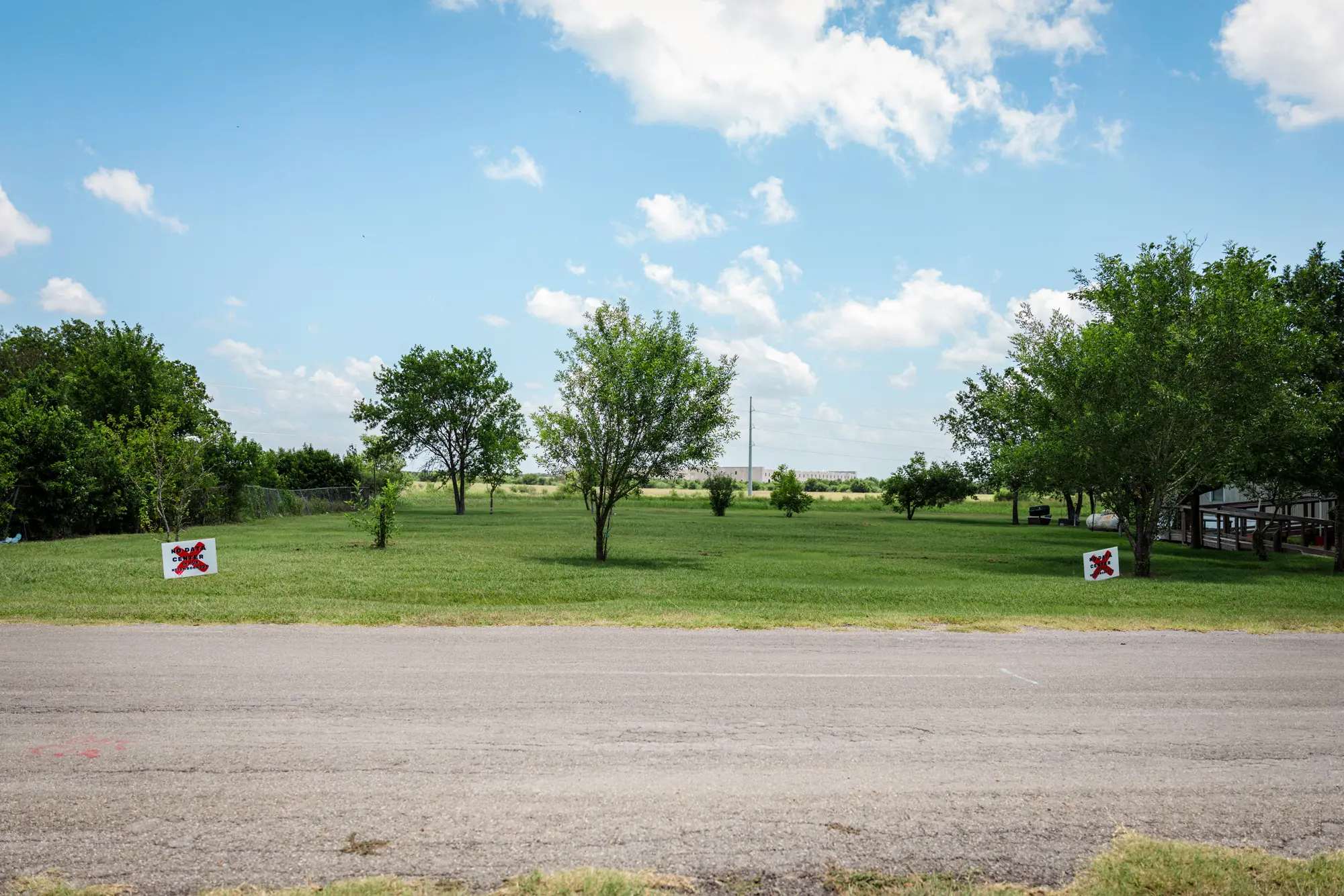
Besides Blueprint’s data center, another data center has been proposed for the city, and others may be on the horizon.
In March, the city approved land annexation and rezoning for a data center known as Project Comal, a $2.5 billion project to be built on 210 acres.
Over the next decade, $145 million in revenue will go to the city and another $70 million for Taylor public schools, according to the city.
D’Anna said that’s why it’s important for restrictions to be in place.
She led a petition drive to gather the 1,400 signatures needed to present an ordinance prohibiting data centers in all existing Taylor zoning districts until a special data center zoning could be established. The petition required at least 10 percent of eligible voters to be certified.
Under Texas city charter law, once a citizen-initiated petition is properly certified as having enough valid signatures, the city council is legally required to adopt the proposed ordinance as written or put it to a public vote.
However, in July the city council didn’t act on the petition-driven ordinance or agree to put it on the local ballot, citing legal concerns surrounding zoning. Instead, the city chose to address citizens’ concerns about data centers through newly proposed regulations.
That prompted Osborn to file a lawsuit with Austin’s Third Court of Appeals against the city on behalf of Griffin, D’Anna, and other activists. The lawsuit alleges that the city failed to abide by its charter and that the ordinance should be placed on the ballot for a vote.
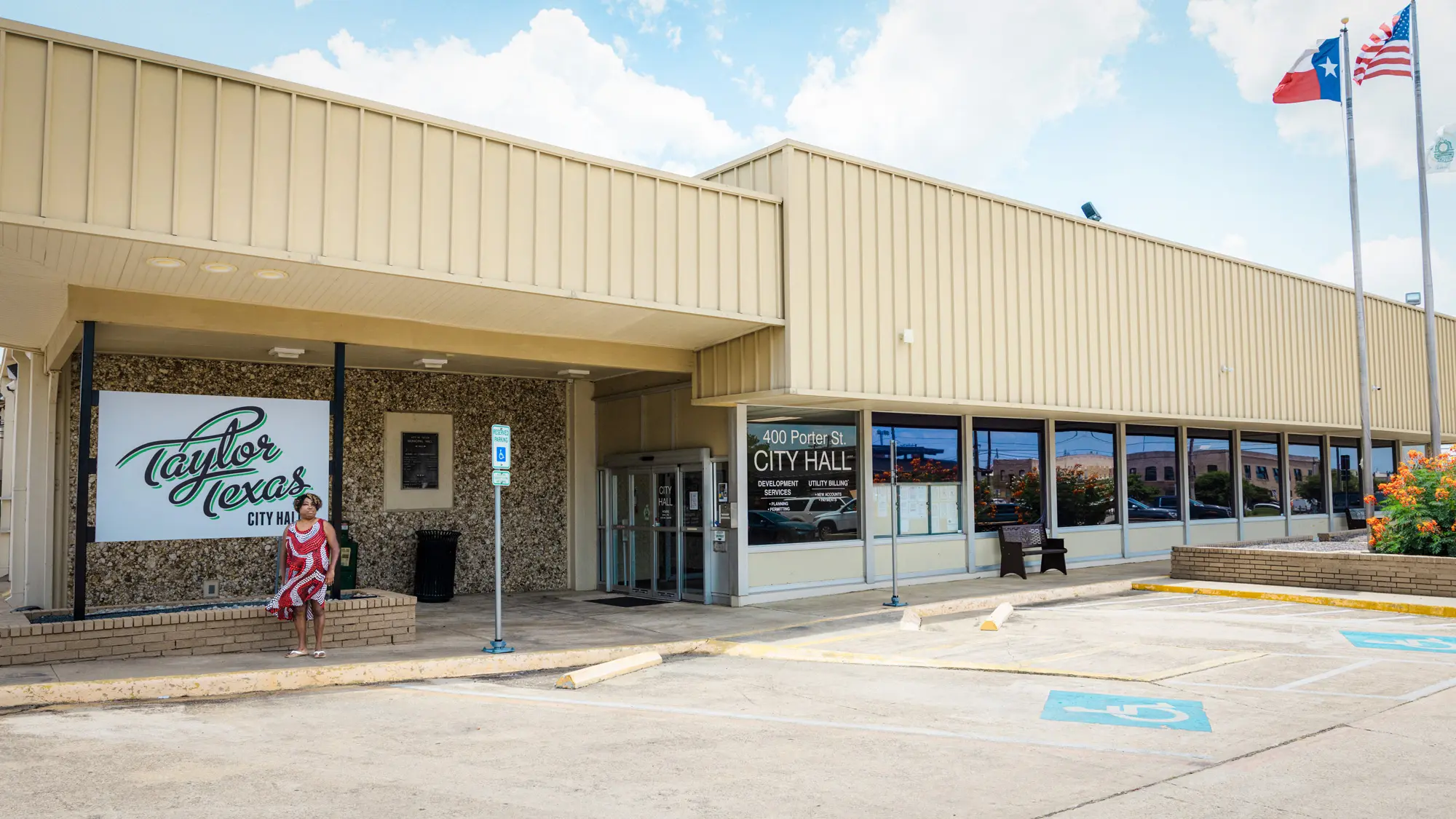
City Response
Daniel Seguin, Taylor’s executive director of community services, told The Epoch Times in an email that he’s not aware of anyone at the city or Taylor Economic Development Corp. knowing about the Bland family request to dedicate the land for a park until recently.
“The city didn’t disregard the Bland family’s intentions. We didn’t know about the request because, without a formal deed restriction, the request did not transfer with ownership of the property,” he said.
Seguin said the city has attempted to address resident concerns, including property values, the zoning notification process, and the data center’s environmental impact.
The city commissioned assessments on the environmental impact and the city’s land development code and comprehensive plan, he said.
Seguin said the city recently published proposed new data center regulations for public review and comment.
“We anticipate these new regulations will be considered by the Taylor City Council in September,” he said.