Sister Pacis Bao spent 31 years longing for revenge against the communists who murdered her family—then made a decision at age 79 that may have added 25 years to her life. The 104-year-old nun turned from hatred to forgiveness, which put her mind and body at ease.
Bao is thriving as part of the fastest-growing demographic worldwide: centenarians—people who live past 100.
Life expectancy is generally on the rise, with one in six people worldwide age 60 and over—a rate expected to double by 2050, according to the World Health Organization. Among older adults, those who reach 80 and whose cognitive and physical abilities exceed typical age-related decline are called “superagers.”
Sue Wright, a 98-year-old Midwestern woman with little in common with Bao, is also thriving as a superager.
1. Tap Into the Power of Forgiveness
At a prayer service in 2000 for those who suffered persecution in their lives, Sister Pacis Bao said the Holy Spirit prompted her to forgive the communists who killed all but one of her six siblings, both parents, and destroyed her way of life.Despite her longstanding religious vows, she describes the event as her conversion—an internal reorientation toward God marked by repentance and a resolution to live by Catholic teachings. The act, she said, unburdened her spiritually, emotionally, and physically.
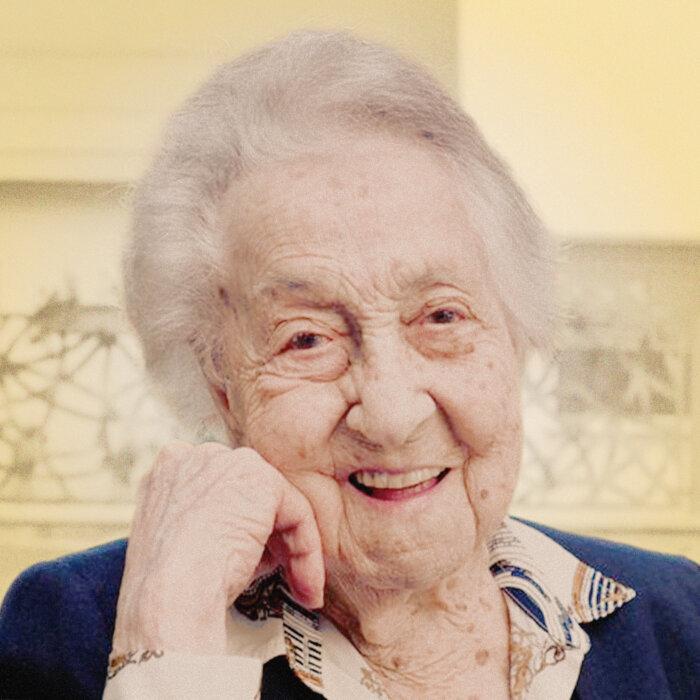

“Forgiveness, it’s most important,” Bao said.
Forgiveness offers hope by reducing depression, stress, and hopelessness, the authors noted, adding that enhanced mind-body balance may help people build resilience and live longer.
2. Live With Purpose
Forgiveness alone doesn’t explain Bao’s longevity. She’s remained tethered to gratitude, even when life didn’t turn out as she’d hoped. Practicing gratitude is a religious custom for her that allows her to find and rediscover her purpose in life in shifting circumstances.She and her father dreamed that she would become a doctor, but circumstances forced different choices. Foreseeing the danger of being a Catholic landowner during the communist takeover of China, her brother moved her to the convent from boarding school.
After the Sisters of St. Francis evacuated her and other Chinese nuns to the United States, Bao became a nurse. In retirement, she continues to devote hours a day to prayer in the chapel at her convent, crediting her faith, gratitude, and a sense of purpose as among the most potent secrets to a long life.
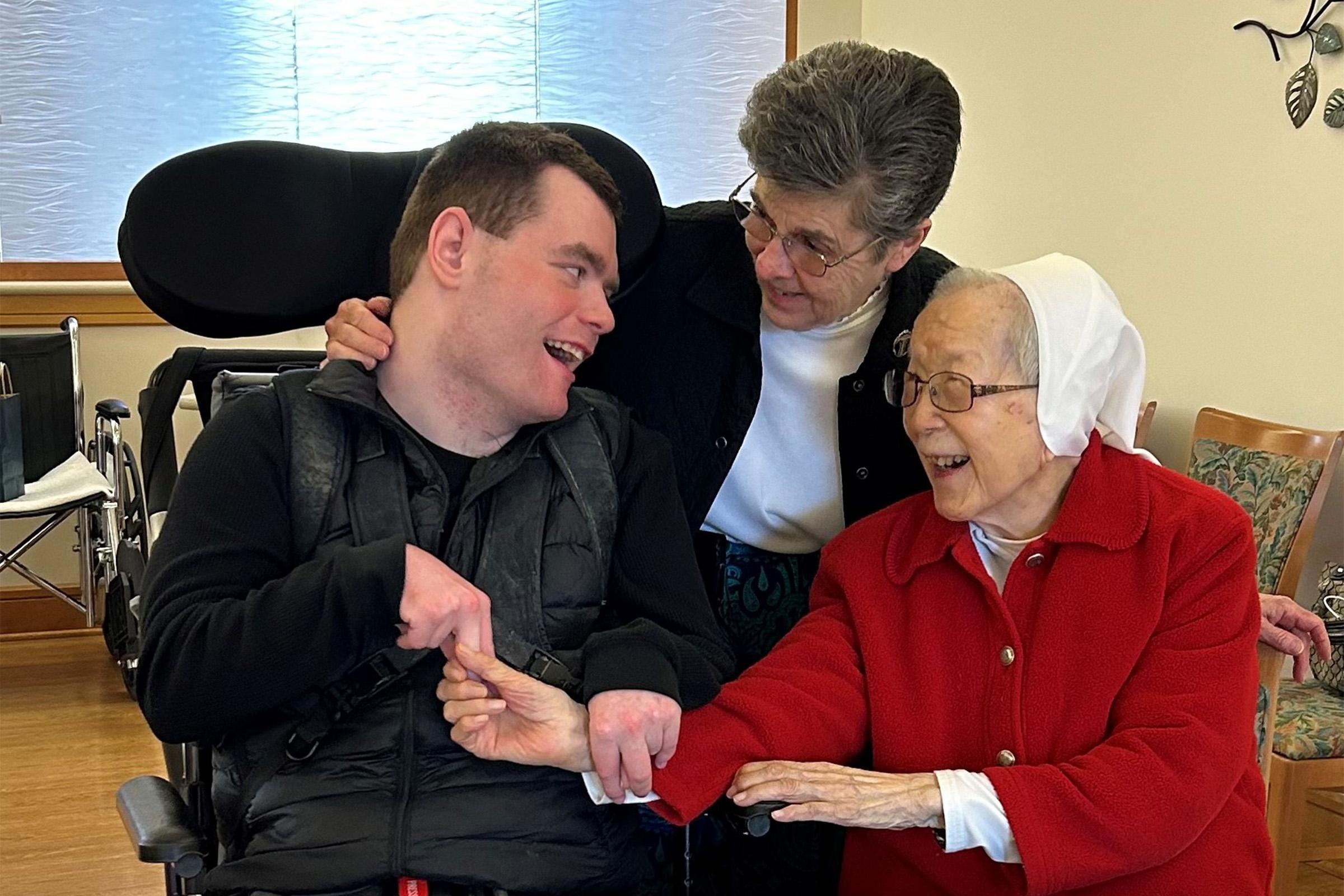
Having a reason to wake up every morning—called “ikigai” by the Okinawans in Japan and “plan de vida” by the Nicoyans in Costa Rica—appears consistently in “blue zones,” five places around the world where people regularly live beyond 100. The concept was studied as part of a National Geographic expedition in 2004.
3. Aim for Goldilocks Sleep
Both women maintain consistent sleep schedules. Bao goes to sleep by 8 p.m. every night, wakes at 5 a.m., and rests every afternoon—a rhythm that reflects best-practice data and her own needs. Wright follows a similar pattern.Their routines reflect what researchers call “Goldilocks sleep”—not too much, not too little, and of good quality.
The biological effects are significant: chronic low-grade inflammation, impaired immune function, hormonal imbalances, increased blood pressure, and reduced clearance of proteins linked to Alzheimer’s disease.
4. Maintain a Healthy Weight
Bao has never been overweight, though she indulges in potstickers and egg rolls on occasion, and enjoys a few bites of ice cream after dinner. Wright, who weighs 119 pounds now, never weighed more than 130 pounds outside of her two pregnancies.The authors noted that while people and their doctors often dismiss excess weight gain in midlife, it has serious longevity implications.
5. Flex Your Brain
Just as weight can begin causing problems before the golden years, so can issues such as memory, attention, and perception.Both Bao and Wright have kept active schedules, even after stopping 9-to-5 work, and have kept their hands busy. They read, play games, and help others in need.
6. Flex Your Muscles, Too
Centenarians don’t need to lift weights, though retaining muscle mass leads to better heart function, mobility, and balance, and prevents Type 2 diabetes.Wright grew up playing basketball and baseball with her brothers, golfed regularly as an adult, and was even spotted dancing without her walker at the assisted living home where she moved a year ago after a COVID-19 infection left her with leg weakness.
7. Fill Your Calendar
Wright’s dancing came with a lot of socializing—another hallmark of longevity. A robust social life ranked right behind good health when surveyed adults described what successful aging means to them. The findings were reported in The Gerontologist.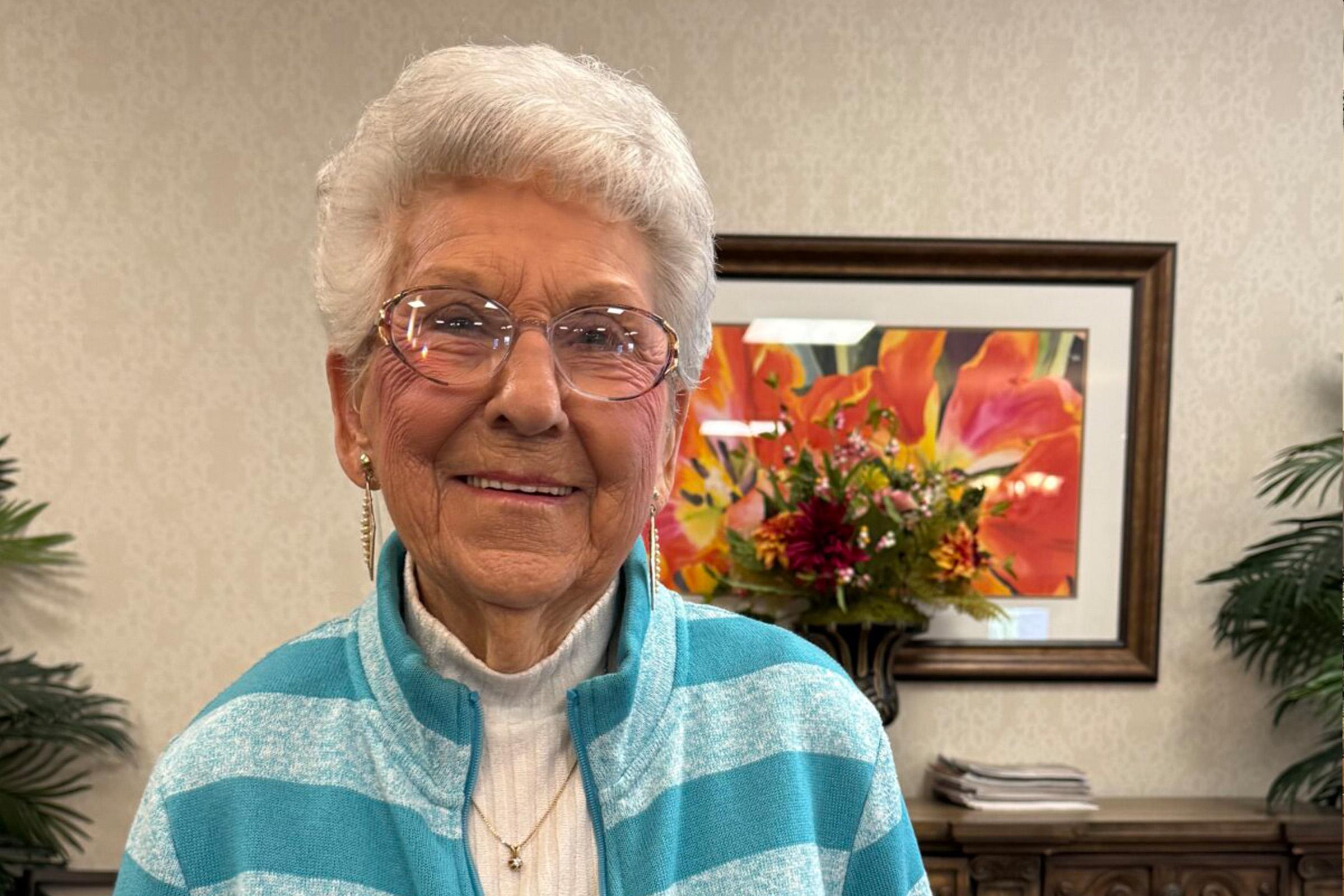
The adults pointed to having friends and family, feeling supported, not being lonely, participating in social activities, and being involved with younger generations.
While Wright misses her neighborhood friends, she is enjoying regular company and staying active in her assisted living community.
“I like everyone here,“ she said. ”It’s nice to be around people you can visit with,” she said. “I do like to help others when they need help, too.”
8. Don’t Dwell on Your Age
Aging isn’t just an ongoing celebration. Wright has outlived two husbands and all of her friends, and suffered through the loss of a son when he was age 3.“You think a lot about it and wonder why, but you have to accept losses and go on with life,” she said. “You just have to cope with it and try not to think about it, because we all have to go.”
9. Take It Easy
Overthinking aging—or anything, for that matter—increases stress, and stress is linked to numerous diseases. The solution: regularly find a way to relax both emotionally and physically.Although everyone experiences stress, the world’s longest-lived people have routines to shed that stress, wrote Dan Buettner and Sam Skemp, authors of the blue-zone article.
“Okinawans take a few moments each day to remember their ancestors; Adventists pray; Ikarians take a nap; and Sardinians do happy hour,” they wrote.
In addition to praying, Bao draws and paints hummingbirds and flowers. Her hand isn’t as steady as it used to be, but that doesn’t matter. Not only does it improve her mood to make them, but it also delights her to give away her creations.
Disease Can’t Always Be Avoided
Aging trends have spurred interest and research in centenarians—often considered models of aging well because they’ve managed to delay disease. Within the demographic, however, some are long-suffering with disease, while others seem to avoid disease altogether.- Escapers: About 15 percent who show no sign of disease at age 100.
- Survivors: About 42 percent who had disease before reaching age 80.
- Delayers: About 43 percent who had no age-related diseases until reaching age 80 or beyond.
Bao moved from the independent wing of her convent to be near the nurse’s station two years ago—but not because she’s ill. The oldest resident, Bao figured it only made sense, though a convent administrator said she’s the healthiest of the residents.
Despite the rapid increase in centenarians, reaching 100 remains rare. There are about 2.6 per 10,000 people in the United States, up from 2.1 in 2020 and 1.42 in 1980.
“Day by day, Jesus is always the same to me, giving me extra help,” Bao said.
“I say to myself every day when I get up, ‘I’m grateful, and today’s going to be a good day.’”