1. Female Sports
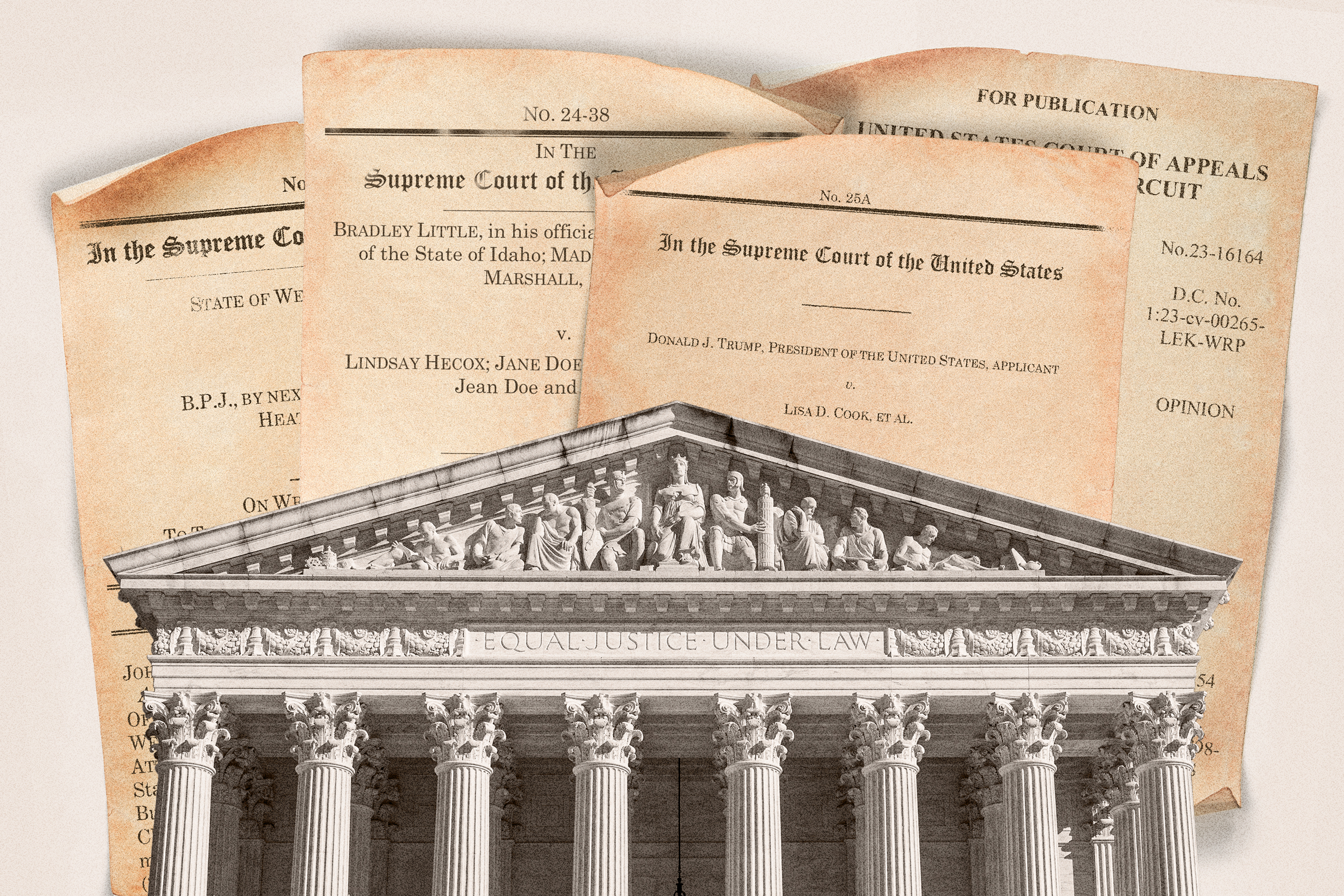
The Supreme Court on Jan. 13 will hear arguments in two cases—West Virginia v. B.P.J. and Little v. Hecox—that focus on West Virginia’s and Idaho’s laws barring males from competing in female sports. The eventual ruling is expected to tackle key questions about how federal law and the Constitution treat sex and gender.Both states faced hurdles in federal appeals courts, which held that their laws classified individuals based on their sex and “transgender status.” They also indicated that those types of classifications violated the equal protection clause of the 14th Amendment, which generally directs states to apply the law equally to everyone regardless of particular characteristics.
Although courts have sometimes allowed states to treat certain groups of people differently, legal classifications based on sex and other characteristics have also been rejected. That’s because when courts determine whether to uphold a state law, they weigh certain factors, such as whether the state has an important enough interest in using certain characteristics to classify individuals.
“On average, men are faster, stronger, bigger, more muscular, and have more explosive power than women,” Idaho told the Supreme Court. “For female athletes to compete safely and excel, they deserve sex-specific teams.”
That decision was wrong, West Virginia told the Supreme Court, because Title IX was focused on unequal treatment between the sexes rather than eliminating all sex-based distinctions.
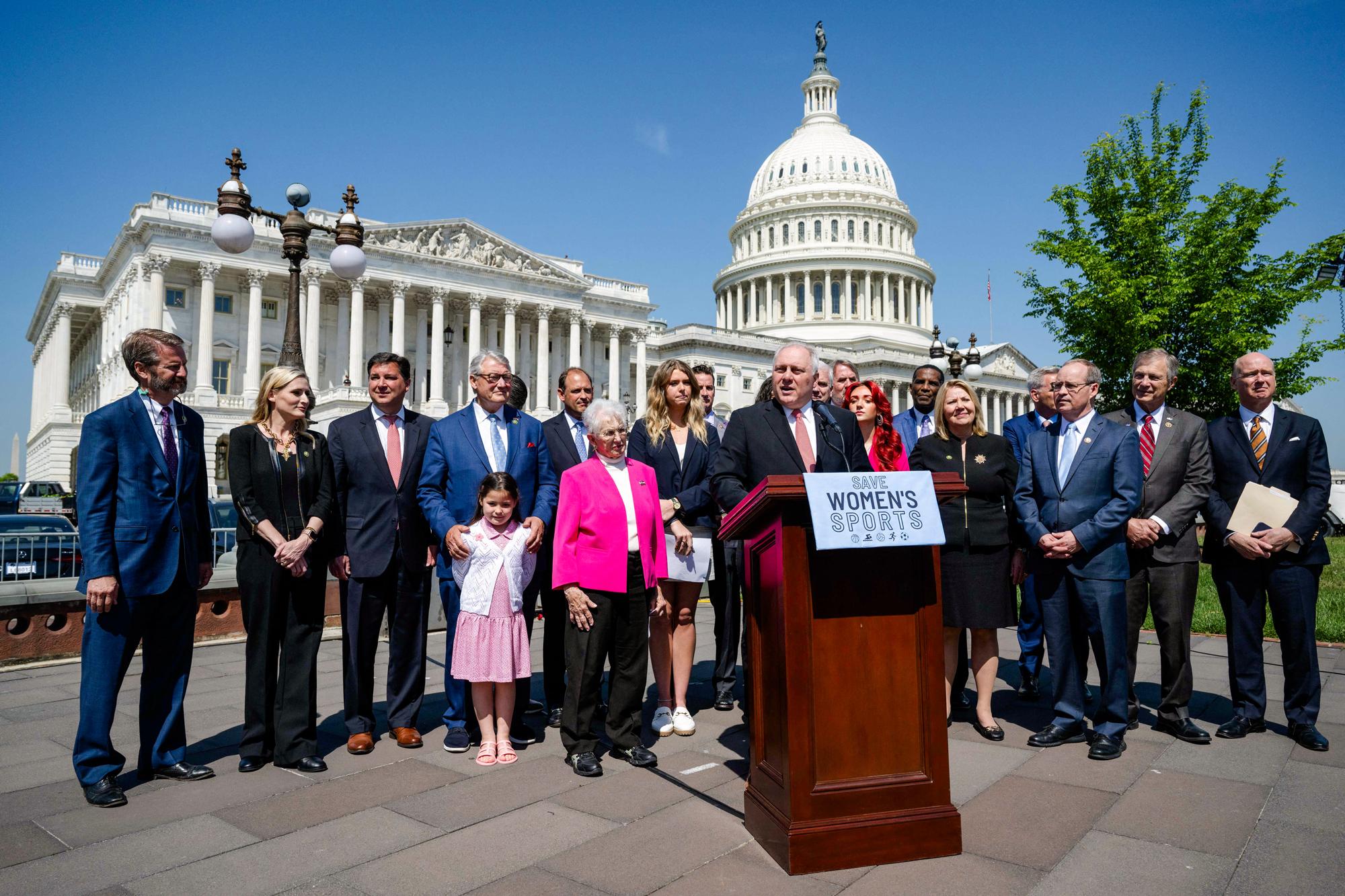
Heather Jackson, whose male child was barred from participating on female cross-country and track teams, argued that West Virginia’s law was unreasonable. Part of Jackson’s argument is that puberty-delaying drugs have prevented her child from developing physiological athletic advantages over girls.


Meanwhile, the student challenging Idaho’s law has attempted to withdraw from the dispute while pledging not to participate in women’s sports. The Supreme Court has deferred deciding on this attempt until after oral argument.
Beyond sex-based distinctions, the appeals courts raised a separate question about whether Idaho’s and West Virginia’s laws classify individuals based on “transgender status” rather than solely based on their sex.
2. Hawaii’s Gun Law
The Supreme Court will hear arguments on Jan. 20 in Wolford v. Lopez, which challenges Hawaii’s restrictions on concealed carry but also invites the court to clarify the role of American history in upholding gun laws.
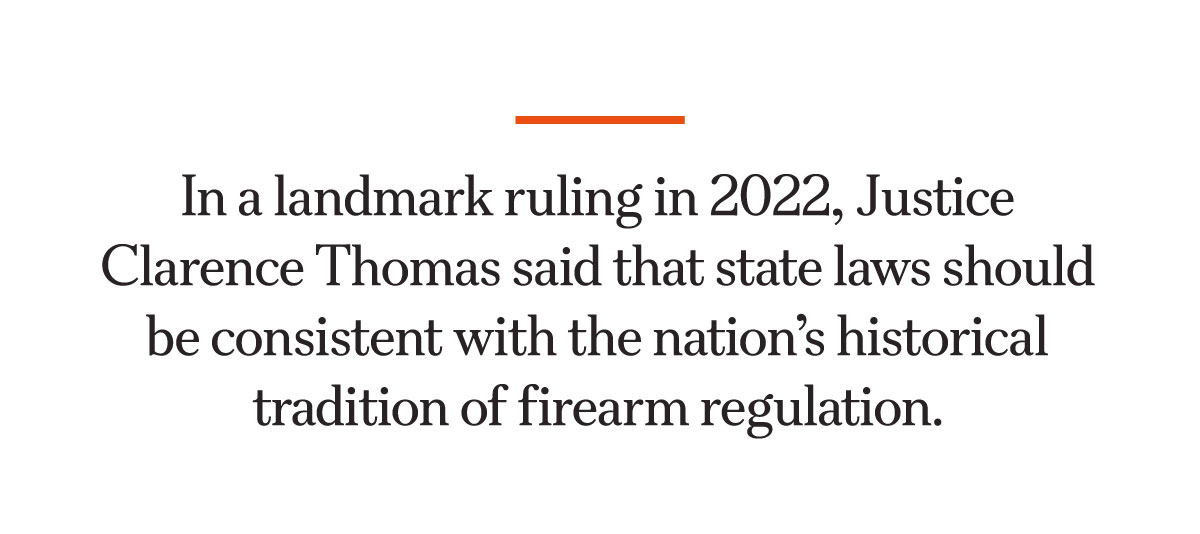
Those two were relevant because one was enacted just before the Second Amendment’s ratification, while the other came just before ratification of the 14th Amendment, which extends the Second Amendment to states.
Instead, the Supreme Court’s decision in Bruen required that the laws needed to serve similar purposes, the petition says.
Louisiana’s law was too different from Hawaii’s, Wolford said, because it not only focused on land that was barred to the public but also came as part of the state’s “black codes” intended to deprive former slaves of civil rights. He also argued that the New Jersey law was intended to control poaching on enclosed lands and was therefore different from Hawaii’s law.
3. Trump’s Fed Firing
On Jan. 21, the Supreme Court will examine the president’s authority to remove members of the Federal Reserve. The case, Trump v. Cook, follows another case heard in December over the president’s ability to fire a member of the Federal Trade Commission.Both cases focus on laws Congress passed restricting the president’s ability to fire officials. Trump v. Cook is a bit different, however, in that it focuses more on the purported cause Trump cited in firing Federal Reserve board member Lisa Cook.

Cook and Trump have differed over whether alleged fraud was the type of “cause” that Congress allowed the president to use as a basis for firing board members. The Federal Reserve Act allows presidents to fire members “for cause,” but it doesn’t offer much indication as to what that means. Trump has argued that courts shouldn’t be able to second-guess his determination that a sufficient cause existed for firing someone such as Cook.
Many of the arguments surround how much protection Cook deserves under the Fifth Amendment, which says people can’t “be deprived of life, liberty, or property, without due process of law.”
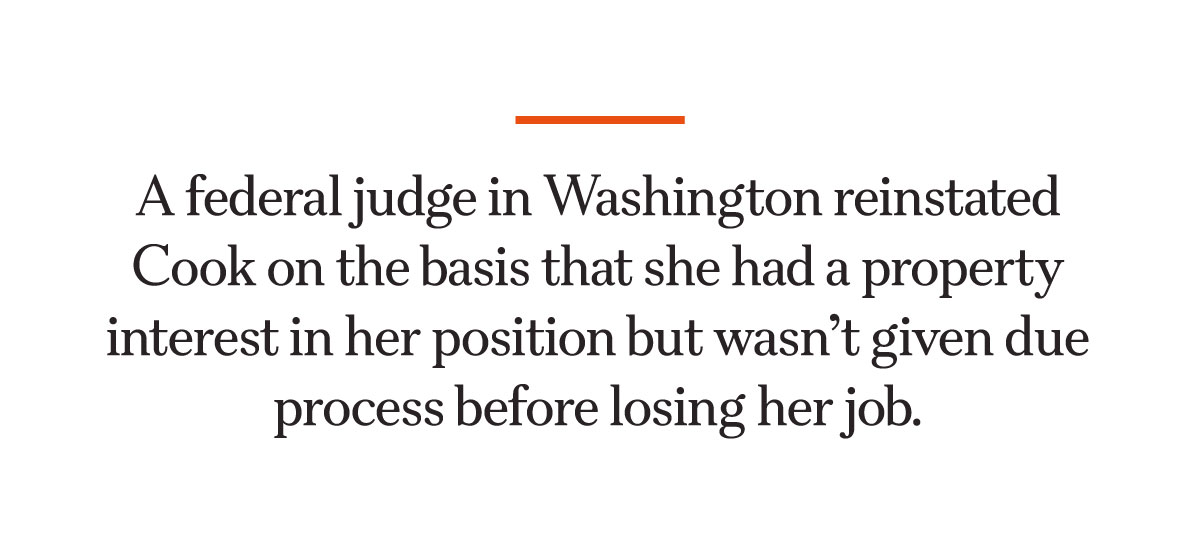
A federal judge in Washington reinstated Cook on the basis that she had a property interest in her position but wasn’t given due process before losing her job. That due process, the judge said, should include some kind of meaningful notice and an opportunity to be heard.
Trump appealed to the Supreme Court, telling the justices that tenure-protected officers didn’t have a property right to their positions and that reinstatement was outside of judges’ authority.