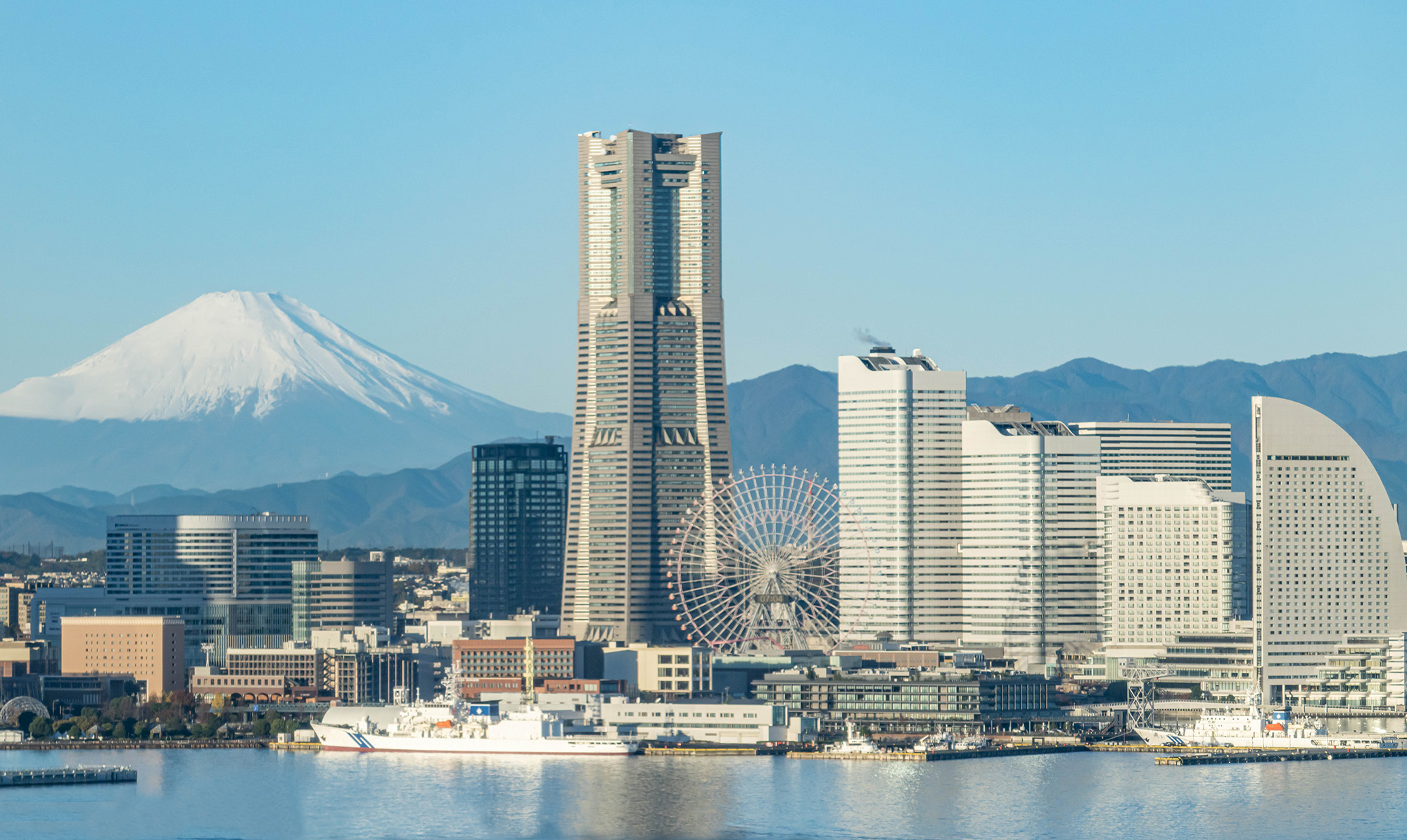
Living next door to a giant, pretty much anybody would feel small. Few cities tower quite like Tokyo. That can make it easy to overlook the fact that Yokohama, right next door to Tokyo, is Japan’s second-largest metropolis.
The primary port for Japan’s famous capital—you can ride to the Imperial Palace just by hopping on the metro—Yokohama is a truly beautiful place, too. A vertical city, reflected in and rising high above the Pacific waters of Tokyo Bay. Whether you visit before or after a cruise or just as a side-trip, there’s so much to discover and enjoy. It’s hard to fit it all into just 24 hours—but here’s a guide for maximizing your time in this glittering, glimmering place.
Arrival
Tokyo’s Haneda International (HND) is close by. It’s one of the busiest airports in the world—and often ranked one of the world’s best, too. You can reach these runways nonstop via long, direct flights from many North American cities, including Dallas, New York, Chicago, Toronto, San Francisco, and Washington.

You could honestly spend a whole day—or more—exploring all of Haneda’s attractions. There’s an aviation museum, observation decks with panoramic views, and a food hall with traditional Japanese dishes. And, almost unbelievably, there’s a hot springs spa with stone saunas and rooftop baths where you can sit, soak, and watch the planes take off.
Morning
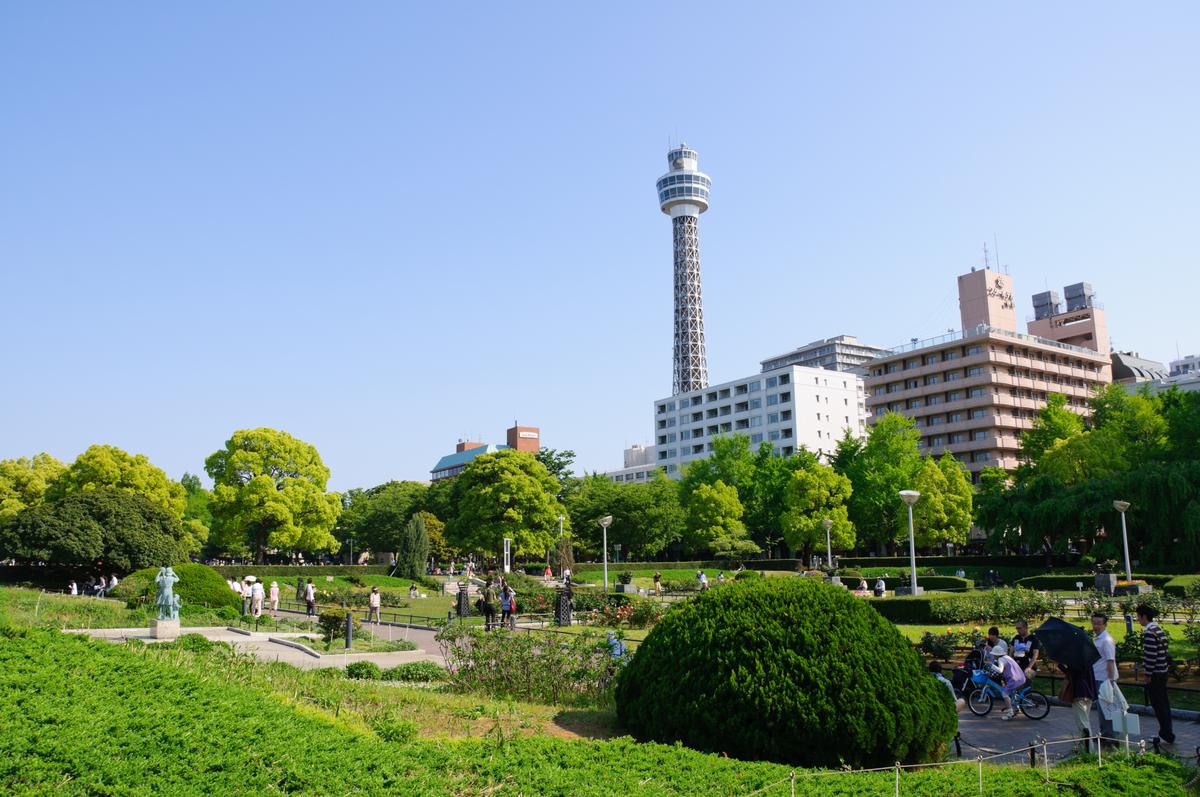
After a long, long flight, chances are you’ll be ready to stretch your legs. From Yokohama Station, the walk to Yamashita Park takes about 45 minutes. The route is a little more than two miles, flat and easy, along good sidewalks and across a couple of small bridges.At Yamashita, enjoy a beautiful view of Tokyo Bay. Stroll along the broad waterfront promenade, past fountains and carefully manicured gardens. Boat and ship traffic in the harbor provides plenty of passive entertainment.
Snap a photo of the Hikawa Maru, permanently parked alongside a dock at one end of the park. This passenger liner from 1930 made hundreds of ocean crossings from its home port in Yokohama to Seattle. There might just be enough time for a quick tour. It’s an entirely worthwhile experience.
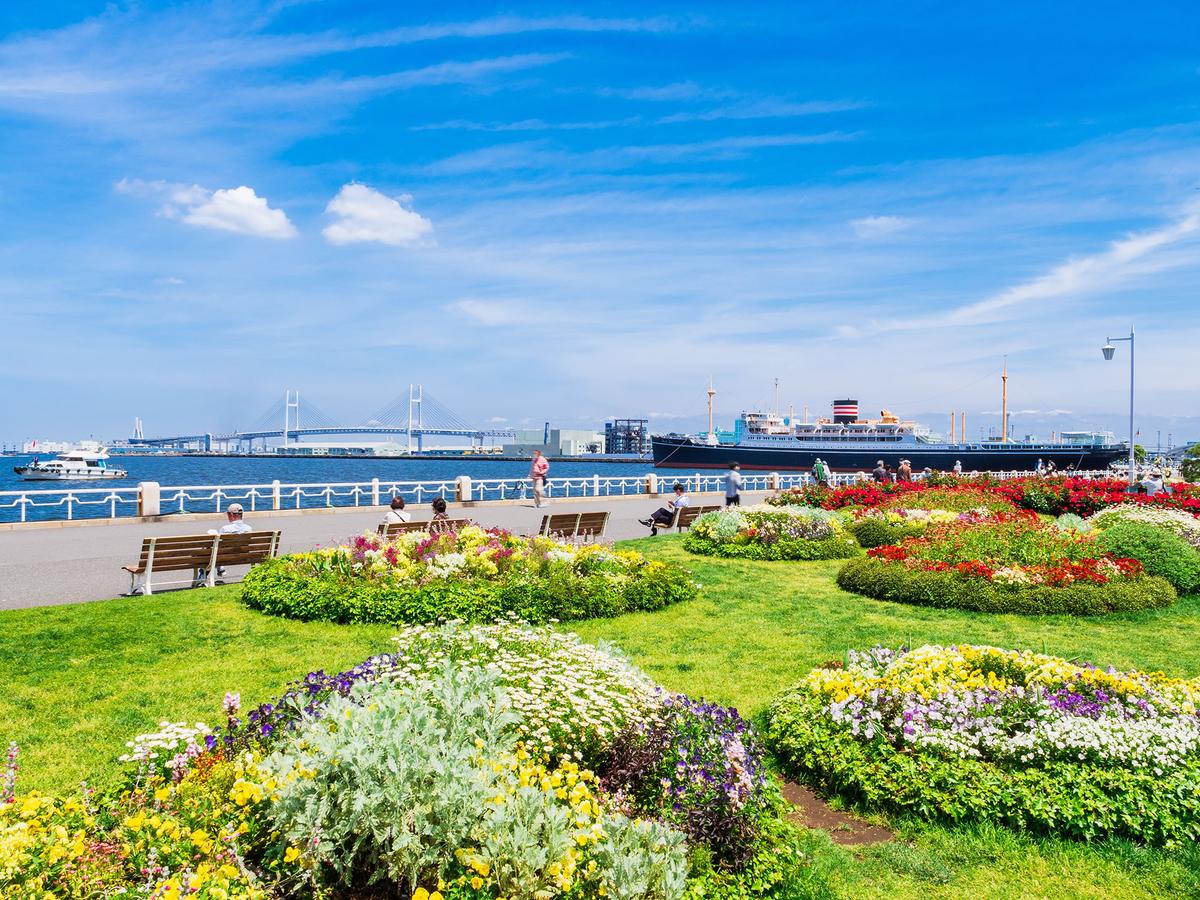
The vessel is now a museum. Suites and opulent public spaces, including dining rooms and lounges, have been restored and present a picture of what life on the ship was like for the fortunate guests on this liner.
You’re probably getting a little hungry by now. Luckily, one of the city’s best patio places is just nearby. Double back across the small Shinko Bridge to the Red Brick Warehouses.
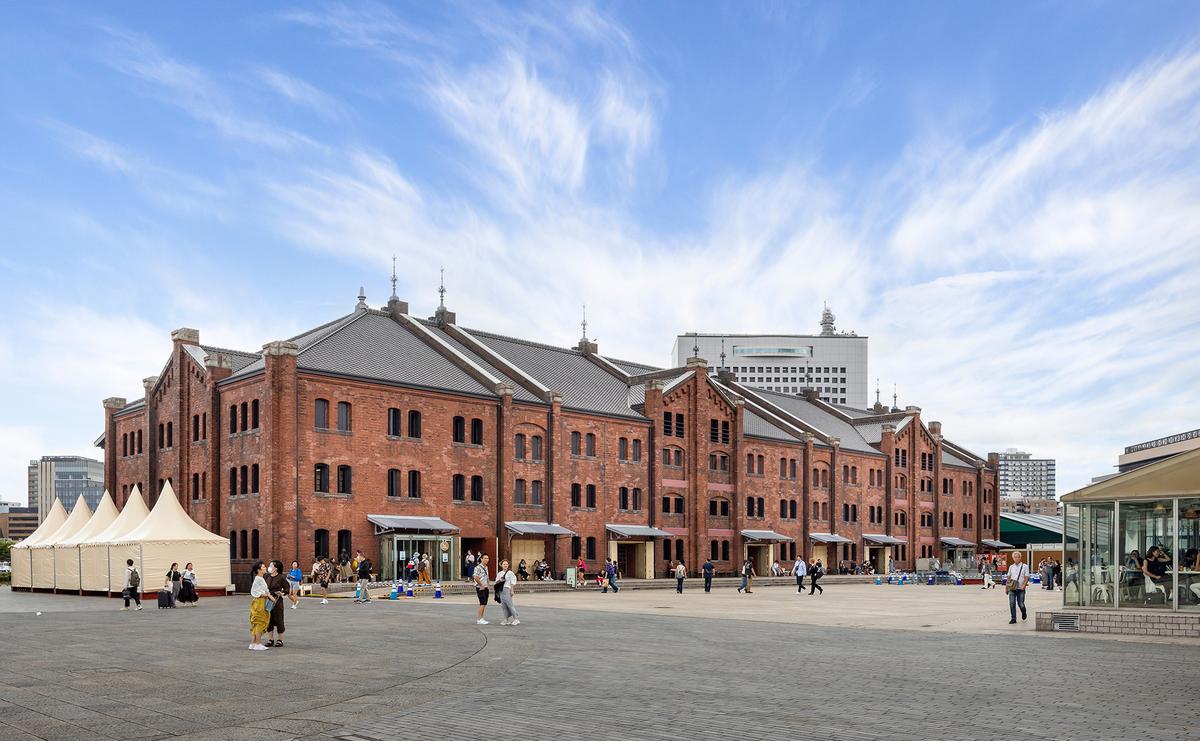
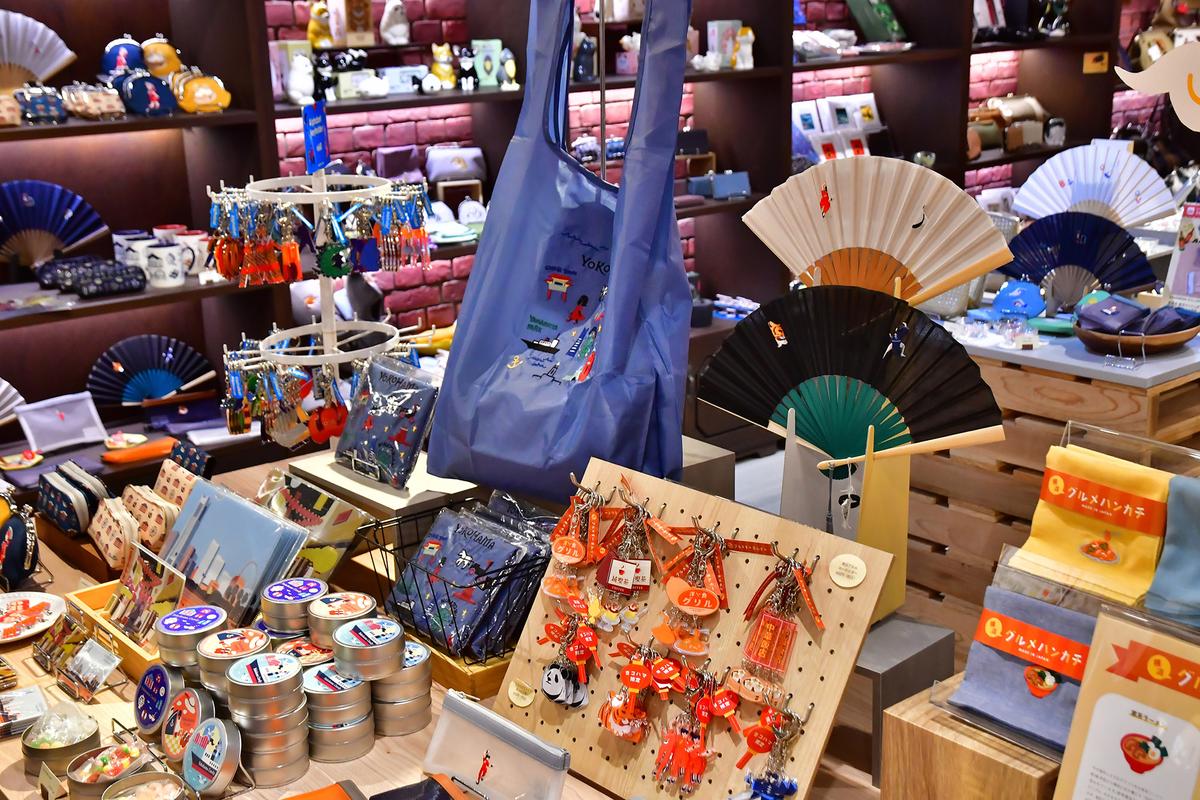
These historic structures are some of Yokohama’s most iconic buildings. People love to gather here on sunny days, and the surrounding lawns are a magnet for those looking to luxuriate in the sea breezes. Dating back to the 1920s, they once served as the customs inspection house. Now you can scoop up a truly handmade souvenir from a series of shops that sell everything from pottery to glassware to silk.
Don’t forget a steaming cup of coffee and a late-morning meal at one of the restaurants with bright outdoor seating. Keep it light and enjoy the view, perhaps with a nice rice dish from Chano-Ma.
Afternoon
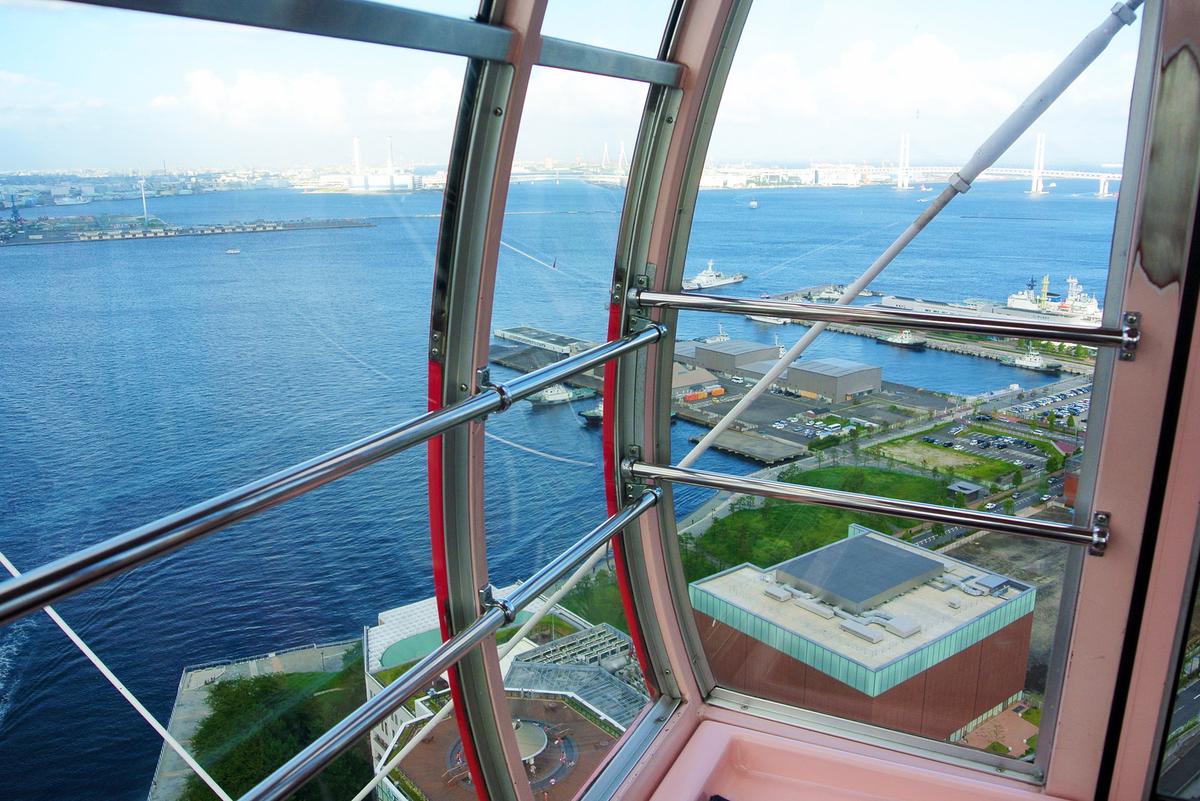
So far, the day has included plenty of walking. Now it’s time to sit for a little bit. Go for a spin on Cosmo Clock 21, just a few minutes’ walk from the warehouses. This huge and fanciful Ferris wheel was created for a special exhibition in 1989. From within your little gondola, you’ll get the best view in the city.The view stretches to the high skyscrapers, which include Landmark Tower. It was once the tallest building in Japan (today, it’s the third). On a clear day, you can see all the way to the snow-capped summit of Mount Fuji. Wait for one of the clear, see-through cars, which make the ride a little more thrilling—the vertiginous view extends below, too.
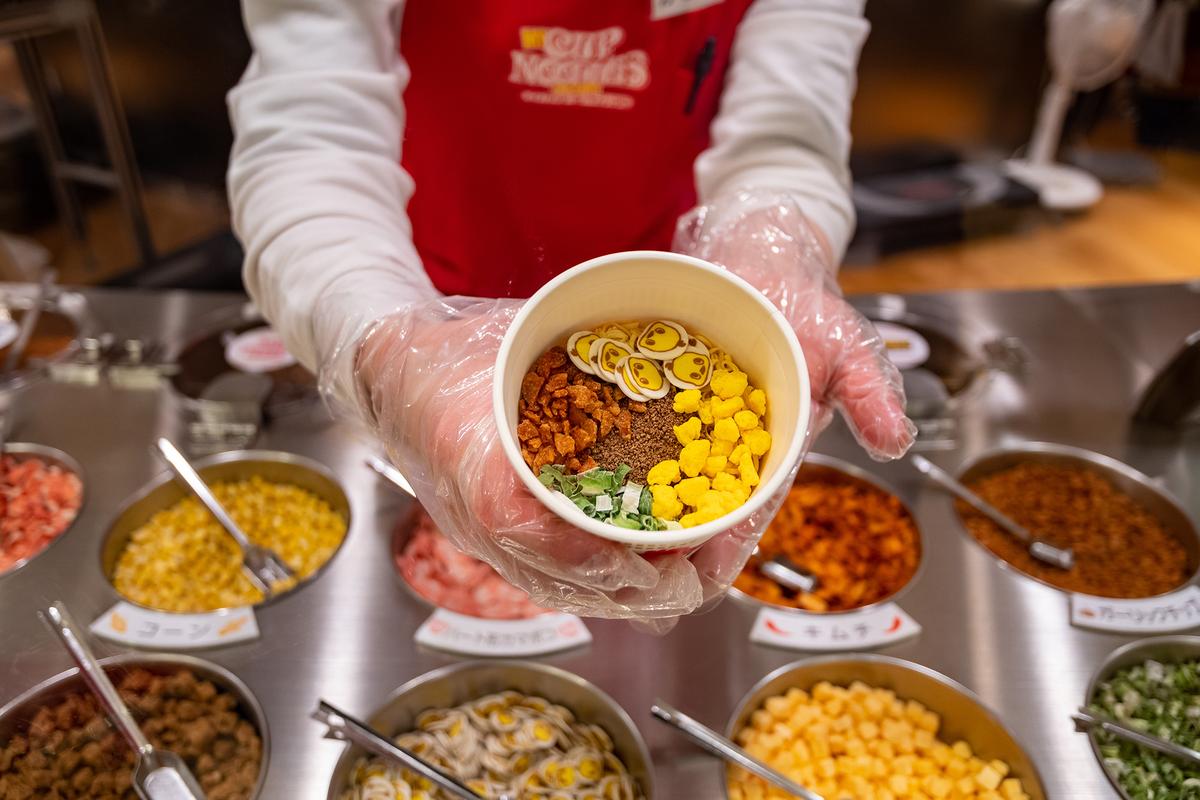
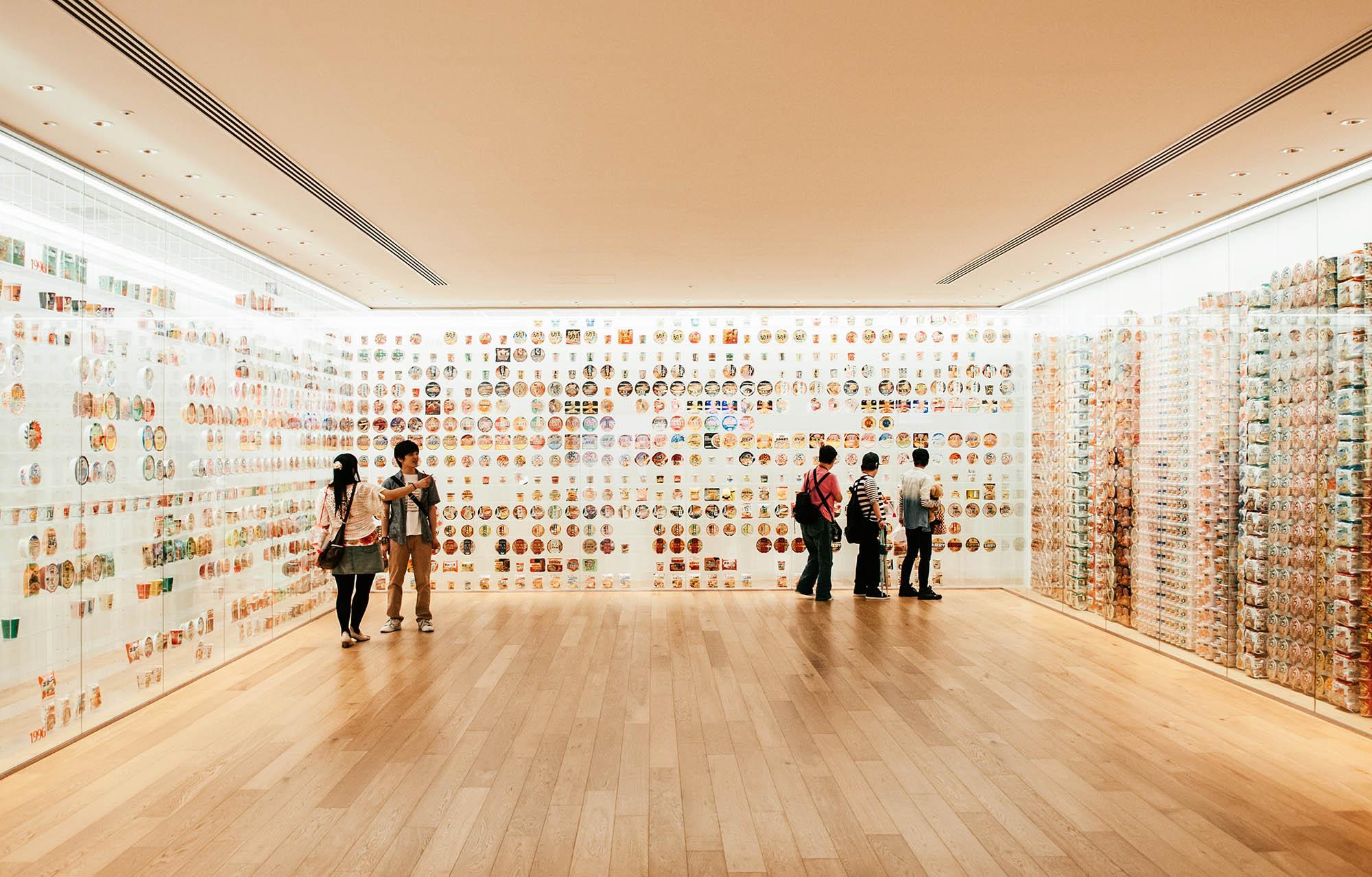
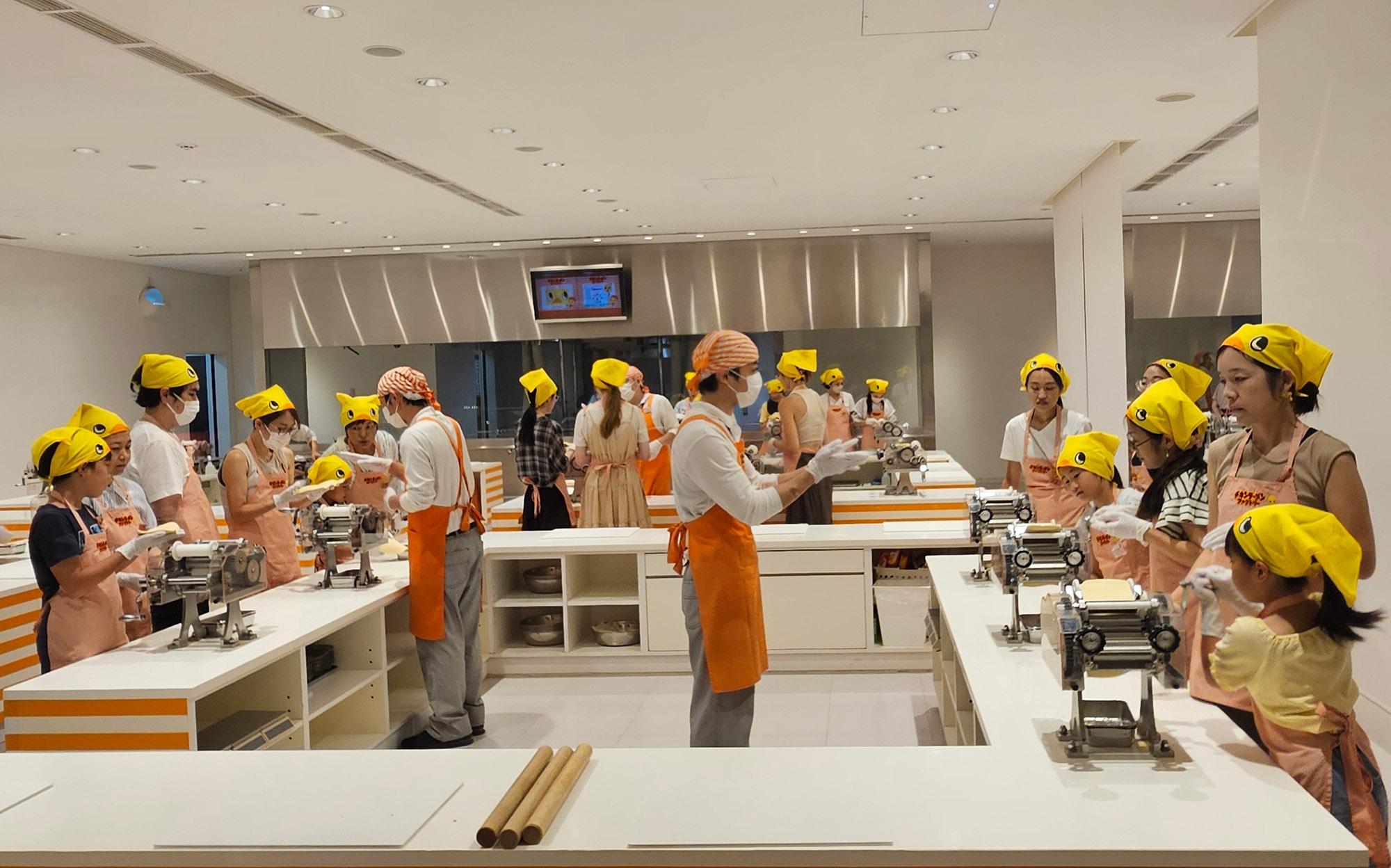
After going vertical, try horizontal. A vehicle that might be more familiar advancing up a mountainside is a cable car called the Air Cabin. It spirits guests over calm, internal waterways, surrounded by the futuristic Minatomirai District. You can then loop back for a tour and lunch—both in the same place.
In 1971, he further improved the concept with Cup Noodles, a cost-effective meal that could be prepared in just three minutes in its own container. Soon after, instant ramen went global. Today, Cup Noodles has been sold for more than half a century in 100 countries.
After this inspirational tour, hang around for a late lunch. The on-site World Noodles Road isn’t just any old food court.
Rather, this is an extension of the culinary adventures at the museum. Set up to evoke an Asian night market, the eight stands serve noodle dishes Ando experienced as he traveled and created his revolutionary food. The authenticity of each one has been certified by researchers. Choose from Vietnamese pho, Thai tom yum goong, or even pasta from southern Italy.
After carb-loading at this bazaar, it might be time for a nap. Yokohama offers one of the finest forms of early evening snooze. That is, one undertaken on board a boat.
Evening
The 90-minute Twilight Cruise on the Marine Rouge is a good option. While it’s unlikely you’ll be hungry, they do serve a meal. Instead, feast on the views as the sun begins to wane and the lights come up on the skyline. Marvel at natural and engineering wonders all around as you sail under soaring suspension bridges.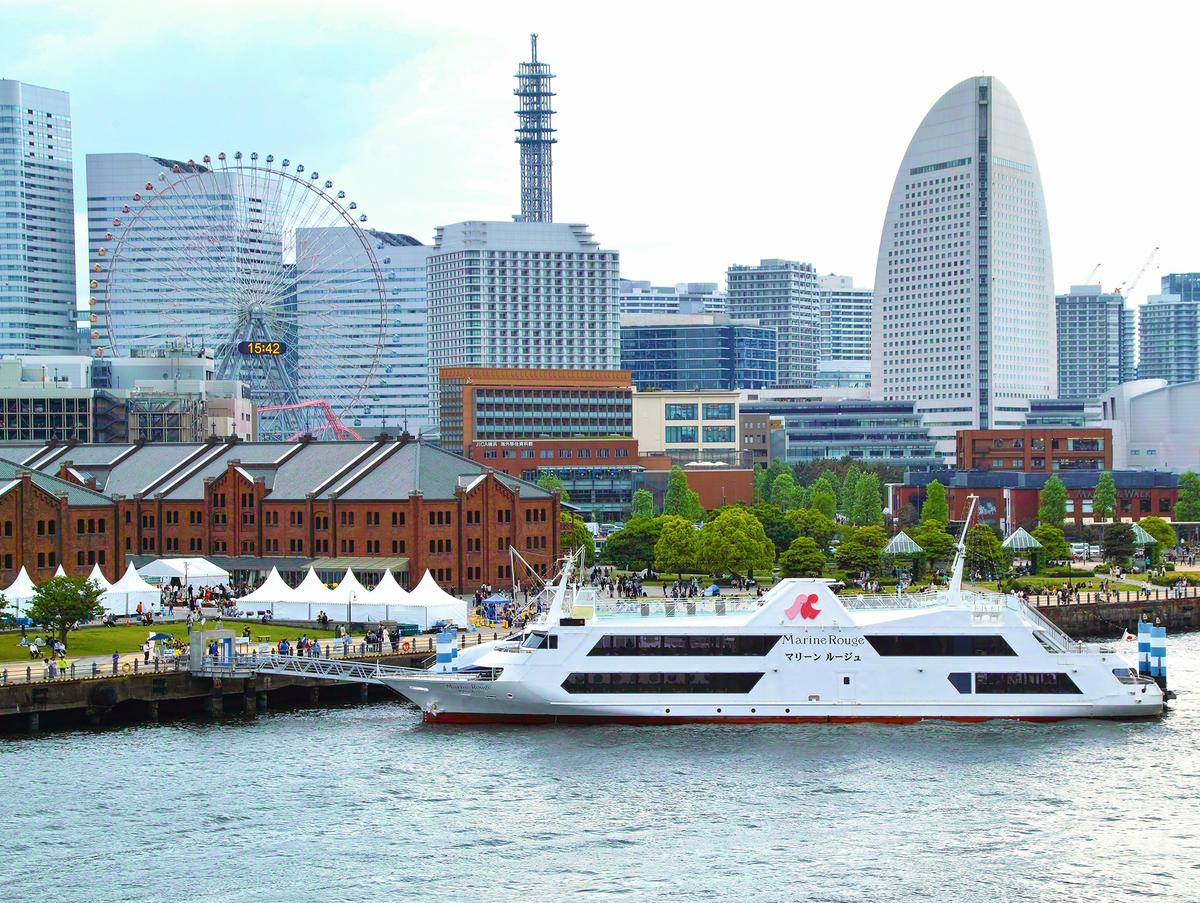
When you step back on dry land, keep moving. There’s a baseball game about to begin. Yokohama Stadium is just an easy 15- to 20-minute walk from the tour boat dock.
If you love the sport, the hometown BayStars will provide excellent entertainment. They’re one of the better teams in the country. Last year, the team won the Japan Series Championship.
But even if you know nothing at all about baseball, going to a game is worth it from a cultural perspective. In contrast to (often) quiet North American ballparks, their Japanese counterparts are usually raucous places. Cheerleaders and mascots dance between innings. Fans play drums and horns in the stands. When the home team comes up to bat, each player has his own chant, shouted and sung with gusto from the bleachers.
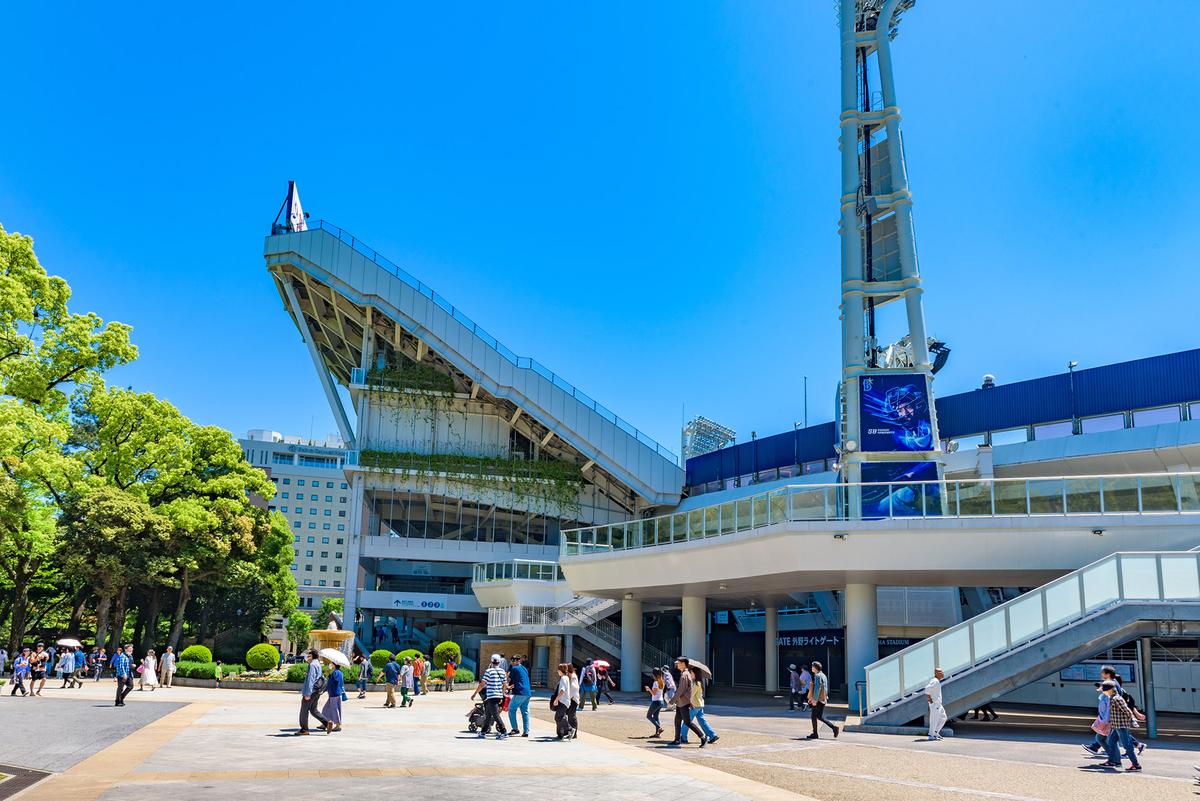
If you grow peckish in the later innings, you’re in luck. Ballparks here offer a cornucopia of culinary options that go way past the typical hot dogs and nachos. At Yokohama Stadium, you can grab everything from curry to pork katsu.
Maybe the game will remain close, a tie, perhaps, broken by a big, ninth-inning home run, slicing through the salty air and into the seats. Maybe everyone will rise to their feet and cheer the hero as he rounds the bases. Or maybe it will be a blowout.
Either way, this is the perfect place to end a busy day. You’re surrounded by passionate and happy locals. Close your eyes, hear the cheers, and reflect on the many sights, sounds, and delicious tastes you’ve encountered here in Japan’s second-largest city.