WASHINGTON—Steve Witkoff, U.S. special envoy to the Middle East, is set to travel to the region this week in hopes of advancing a cease-fire in the ongoing Gaza conflict, the State Department announced on July 22.
Speaking with reporters on Tuesday, State Department press secretary Tammy Bruce said President Donald Trump, Secretary of State Marco Rubio, and Witkoff all expressed a “strong hope” for a deal to halt the fighting that has continued between Israel and terrorist group Hamas in the Gaza Strip since Oct. 7, 2023. Bruce likewise said the administration also seeks to enable an expanded flow of humanitarian aid to the population of the embattled territory.
“I would suggest that we might have some good news, but again, as we know, this can be a constantly changing dynamic,” she said.
Bruce did not elaborate on where specifically Witkoff would go to advance these cease-fire talks.
The Gaza conflict has continued largely uninterrupted since the fall of 2023, save for two temporary cease-fire periods.
The first cease-fire at the end of November 2023 lasted about a week and saw Hamas release around 100 hostages it had taken in Israel on Oct. 7, 2023, in exchange for the release of more than 200 Palestinians detained by Israel over the years.
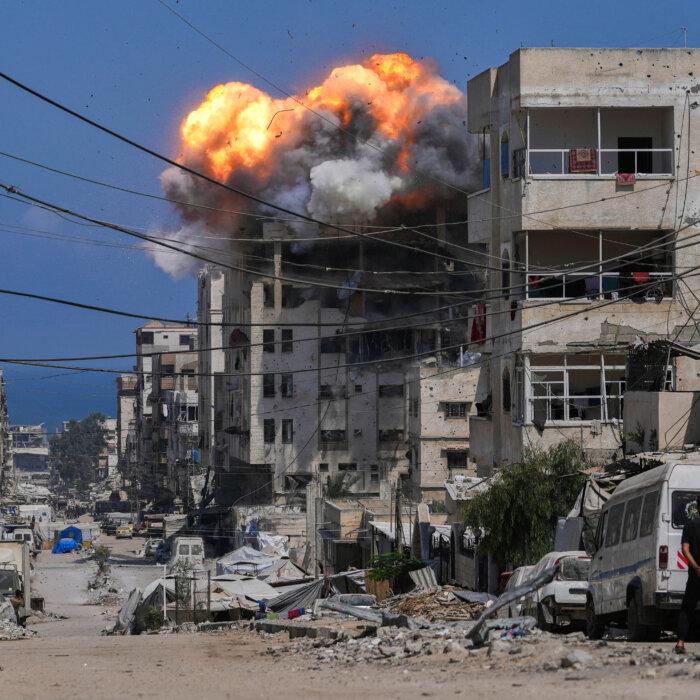

While the cease-fire that began in January fulfilled the first part of the three-phase framework the administration had supported, the truce began to collapse in March, amid disagreements about the next steps. Israeli negotiators backed a proposal that Witkoff had put forward, which would have extended the phase-one cease-fire conditions. Meanwhile, Hamas negotiators sought to move on to the second phase, which would have required the complete withdrawal of Israeli forces from Gaza in exchange for the return of all living hostages still held by Hamas.
Netanyahu has vowed to continue the war until Hamas relinquishes all power in the Gaza Strip. Meanwhile, Hamas has insisted it will not release all of its hostages without a deal to also permanently end the conflict.