Law enforcement authorities in multiple jurisdictions cracked down this week on India-based criminal organizations, including the United States laying charges in connection with an assassination carried out in British Columbia in 2023.
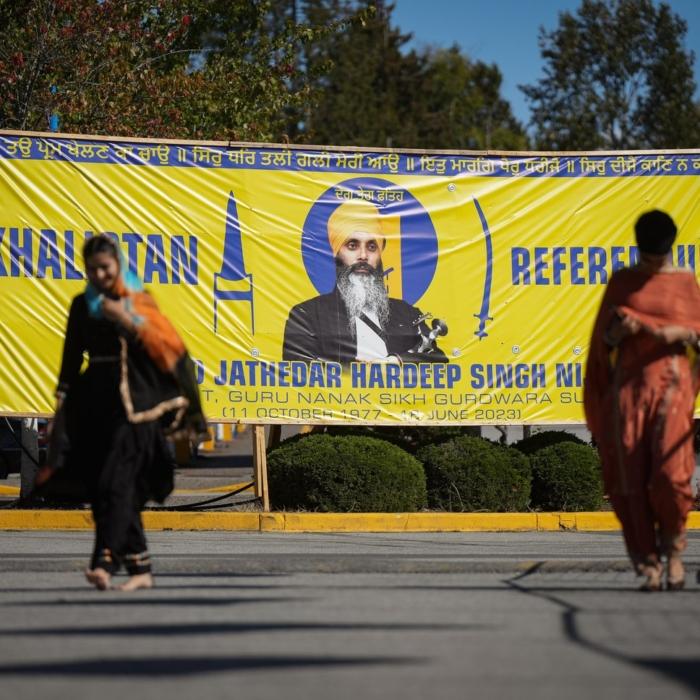
The U.S. Department of Justice alleges that crime boss Lawrence Bishnoi and his lieutenant, Satinderjeet Singh, also known as “Goldy Brar,” ordered the killing of Hardeep Singh Nijjar, who was shot dead outside a Sikh temple in Surrey, B.C., on June 18, 2023.
Nijjar was a Sikh separatist leader who advocated for the creation of Khalistan, a proposed independent Sikh homeland to be carved out of India’s Punjab region.
The RCMP has charged four people accused of carrying out the assassination and has participated in the latest operation targeting Indian organized crime, but it has not charged Bishnoi or Brar.Bishnoi is already serving a sentence in an Indian jail for other crimes, but has allegedly continued running his organization from behind bars. Canada listed the Bishnoi Gang as a terrorist entity last year, amid concerns over violence and extortion targeting the South Asian community.
Meanwhile, Brar, who allegedly oversees the Bishnoi gang’s North American operations, remains at large. The FBI is offering a reward of up to US$50,000 for information leading to his arrest and extradition.
“We are proud to say that after a two-year investigation, we have dismantled the leadership of three criminal organizations that inflicted pain and cruelty on people, victims, around the globe,” RCMP Deputy Director of Media Relations Jessica Kingsbury told The Epoch Times in a statement.
‘Operational Opportunity’
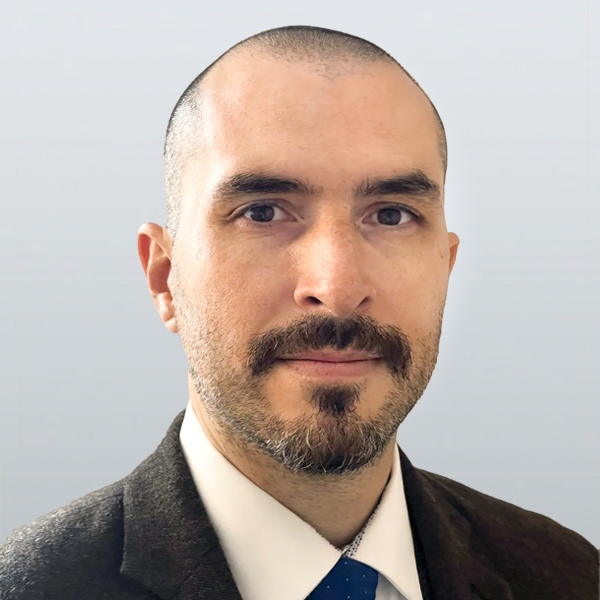
The United States’s decision to take the lead in prosecuting Bishnoi and Brar for a killing committed in Canada reflects several factors, according to a former intelligence adviser with the RCMP’s international and cross-border crime unit.“The U.S. likely charged Bishnoi and Brar because it had the clearest statutory tools, evidentiary nexus, and operational opportunity to prosecute the alleged network leadership as part of a broader transnational criminal enterprise,” Scott McGregor told The Epoch Times.
McGregor currently serves as a senior fellow and security adviser to the Council on Countering Hybrid Warfare and is managing partner of Close Hold Intelligence Consulting.
He said the United States is not supplanting the RCMP in pursuing the alleged Indian crime bosses, noting that the two countries have overlapping jurisdictions. Rather, the apparent goal is to dismantle the organization’s leadership, McGregor said, a strategy made easier by the broader prosecutorial tools available under U.S. law.
The U.S. Department of Justice is prosecuting not only the assassination of Nijjar but also other criminal activity alleged to have occurred on U.S. soil.
Bishnoi, Brar, and others have been charged of racketeering conspiracy, extortion, and conspiracy to distribute controlled substances.
Specifically, the crime group allegedly attempted to extort victims in Los Angeles and was caught trying to export cocaine from the United States to Canada via long-haul semi-trucks.
The racketeering charges relate to the U.S. Racketeer Influenced and Corrupt Organizations Act (RICO), a law adopted in 1970 to combat organized crime and corruption. The law allows prosecutors to target crime leaders who might otherwise be difficult to prosecute if they did not directly participate in the underlying offences.
McGregor noted there are criminal organization offences in the Canadian Criminal Code, but there is no “direct RICO equivalent with the same enterprise-based architecture.”
RCMP’s Kingsbury also noted that charges have been laid under RICO, “which are different from our laws in Canada.”
Another factor favouring the United States’ pursuit of Bishnoi and Brar on murder charges is that “the sentencing exposure and prosecutorial leverage are materially different,” McGregor said.
If the defendants are convicted, they would face a minimum jail time between 10 years and life imprisonment in a federal prison, and a statutory maximum sentence for life in federal prison. In Canada, a person convicted of first-degree murder receives a life sentence but is eligible to apply for parole after 25 years, and cannot be sentenced to consecutive life terms for multiple murders.
U.S. authorities said in a press conference on July 7 they will pursue extradition with India for the defendants currently incarcerated there.
First Assistant United States Attorney Bill Essayli said Indian authorities have been “very cooperative” on the file, while noting his country is “unique in that we have the power to reach people outside our borders.”
“These guys are a major problem, not just here, but also in India, and they do the same activities there, where they engage in violence and extortion, and other activities, and so I think India is very happy with today’s operation,” he said.
Canada-India Row
McGregor said it’s important to note that the U.S. complaint does not make a link between the murder of Nijjar and Indian authorities.Relations between Canada and India improved after Trudeau left office and was replaced by Mark Carney, who is pursuing a trade diversification strategy.
Along with efforts to go after the Bishnoi gang leadership, the RCMP made arrests locally as part of the international probe. Three individuals were arrested in communities near Vancouver such as Surrey, White Rock, and West Vancouver.
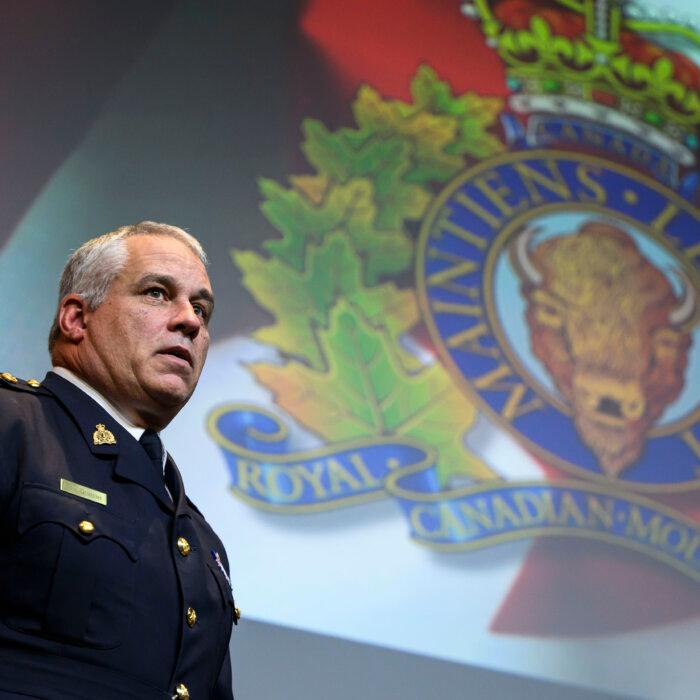
RCMP Commissioner Michael Duheme said during the July 7 press conference alongside U.S. officials that all of the arrests occurred without incident.