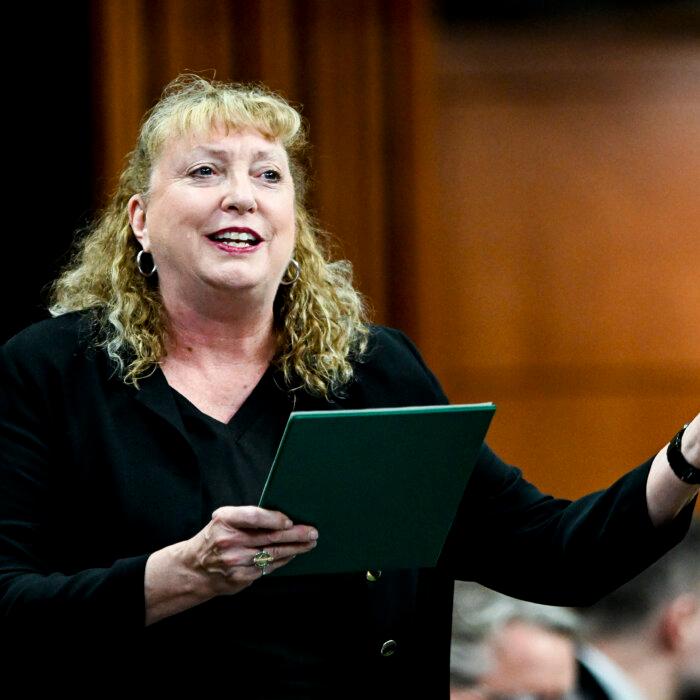
All eyes were on the upcoming April 13 byelections and their potential to hand the Liberal government its long-sought majority, until another Tory MP crossed the floor.
With MP Marilyn Gladu leaving the Conservatives to join the Liberals on April 8, the minority government now has 171 seats in the House of Commons, one shy of a majority.
Two of the three byelections taking place on April 13 are in Toronto ridings considered safe Liberal seats. A win in both would give the Liberals 173 seats, meaning they would have a slim working majority in which the House Speaker isn’t required to cast his vote to break a tie.
The Liberals still have a shot at taking the Quebec riding of Terrebonne as well, which they won by one vote in April 2025. The Supreme Court overturned the result, given Elections Canada made an error on the return address for some mail-in ballots.
Liberal MPs have turned out in force in Terrebonne, working to boost voter turnout and support Tatiana Auguste’s bid to return to the House of Commons after her brief tenure. The Liberal Party’s convention in Montreal this weekend—just a short distance away—is also helping the Liberals put more boots on the ground.
Following earlier defections—including that of former NDP MP Lori Idlout—winning Terrebonne is no longer essential for the Liberals to secure a majority. Bloc Québécois candidate and former MP in the riding, Nathalie Sinclair-Desgagnés, previously said this was a good thing, as voters would be able to more freely choose who they want as a representative in the House of Commons.
It’s a different story in the two Toronto ridings up for grabs. Those two seats became vacant after former cabinet ministers Chrystia Freeland and Bill Blair left federal politics in recent months.
338Canada classifies both seats as “safe” for the Liberals, projecting decisive wins while the Conservatives lag behind in a distant second place.
In Freeland’s former riding of University-Rosedale, 338Canada projects the Liberals will gain 62 percent of the votes against 18 percent for the Tories. In Blair’s former riding of Scarborough-Southwest, the Liberals have a projected 62-25 lead over the Conservatives.
Even if the Liberals appear to be cruising toward a majority, the byelections still carry significance. For one, they give opposition parties a chance to gauge how they’re performing against the Liberals a year after the general election.
All the major parties have different circumstances, and some have gone through a lot of turmoil and soul-searching in recent months.
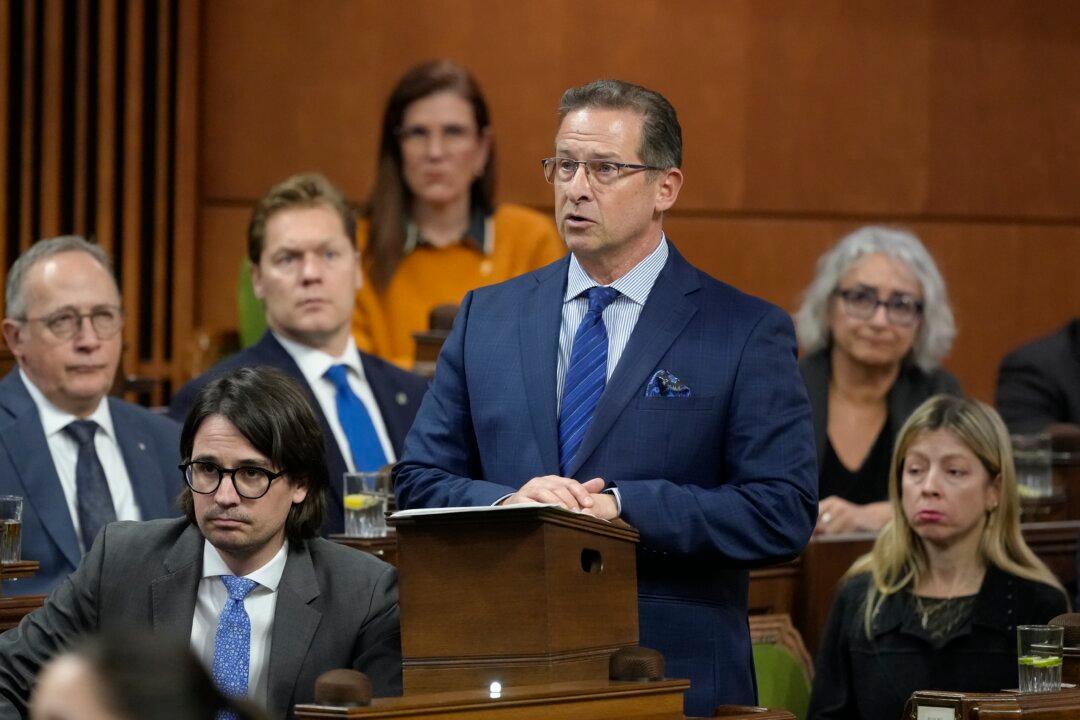
Conservative Leader Pierre Poilievre passed his leadership review with flying colours in January, but he’s lost two MPs to the Liberals since, including Gladu, who’s arguably the most socially conservative defector so far. A total of four Tory MPs have defected since November.
Even though Poilievre’s team changed strategy in the new year, aiming to show a more collaborative side with the government, the party hasn’t been able to close ground in the polls with the Liberals.
It remains to be seen whether Poilievre’s recent trip to the United States and appearances on top global podcasts will move the needle.
Some of the issues that allowed Conservatives to win the byelection in Toronto-St. Paul’s in 2024 and break a three-decade Liberal hold are still very much relevant today, such as affordability and violent crime. There is not, however, widespread fatigue with the current Liberal leader.
The NDP is also not expected to cause an upset in the byelections, but it will be the first time voters go to the polls after the party chose its new leader, Avi Lewis, on March 29. Lewis won a platform pledging to curb the oil and gas industry and increasing the government’s role in society.