Major players on the international stage will be descending on Canada next week for the G7 Summit, which is already rich in storylines before even kicking off.
A sizable amount of new baggage exists between some of the leaders, and the event will also feature many fresh faces.
Among the seven-member countries of the group of advanced economies, there has been significant change since last year’s conference, with five leaders having been replaced in elections.
Only French President Emmanuel Macron and Italian Prime Minister Giorgia Meloni are making a return to the summit this year, to be held in Kananasksis, Alberta, from June 15 to 17.
New governments were elected in the United Kingdom and Germany, and Japan’s ruling party changed its leader in an internal vote.
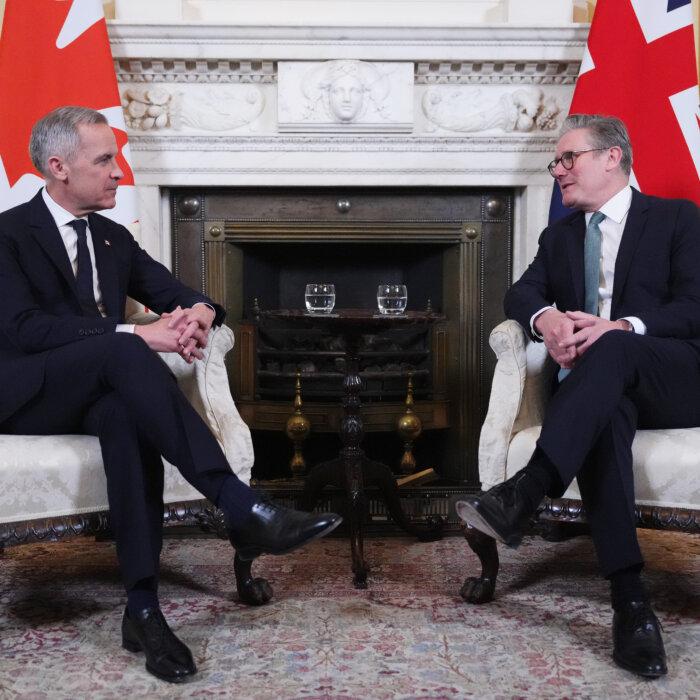
Closer to home, Prime Minister Mark Carney, who was a regular in international circles and organizations before entering politics and winning the recent federal election, will have the task of hosting the summit and ensuring it runs smoothly while attempting to make progress on some key relationships.
The most consequential election in the G7 was that of U.S. President Donald Trump, and it will no doubt be the objective of Carney and other leaders to work on that relationship as a priority. Trump has upended global trade with his tariffs agenda, and shook some international files by taking a different approach from that of his predecessor.
High-Level Diplomacy
Nonetheless, the Canada-U.S. relationship has evolved since the federal election. Carney had a relatively positive visit to the White House in early May, even though the trip saw no breakthroughs around trade. The two leaders have since remained in direct contact regarding the issue.Shortly after the meeting at the White House, both sides said Canada is in talks to join Trump’s “Golden Dome” program, a new major air defence project to counter modern missile threats.
That messaging from Trump has subsided of late. He has been dealing with crises on multiple fronts, some of which will be addressed directly with leaders at the summit who have their own set of issues with the United States. Some are similar to Canada’s, especially in the case of Mexico, which is also targeted by Trump’s fentanyl tariffs.
Mexican President Claudia Sheinbaum said this week she will attend the summit and seek to hold a first in-person bilateral meeting with Trump.
Aside from tariff-related issues, Sheinbaum has in recent months pushed back on the U.S. intention to go after drug cartels inside Mexico with military assets. Washington, followed by Ottawa, designated a number of cartels as terrorist organizations earlier this year, and countering fentanyl trafficking has been high on Trump’s agenda.
Sheinbaum said in early May she had told Trump that “sovereignty is sacrosanct” when he suggested sending the U.S. army against Mexican narcotraffickers. “We will never accept the presence of the United States military in our territory,” she said.
Modi Visit
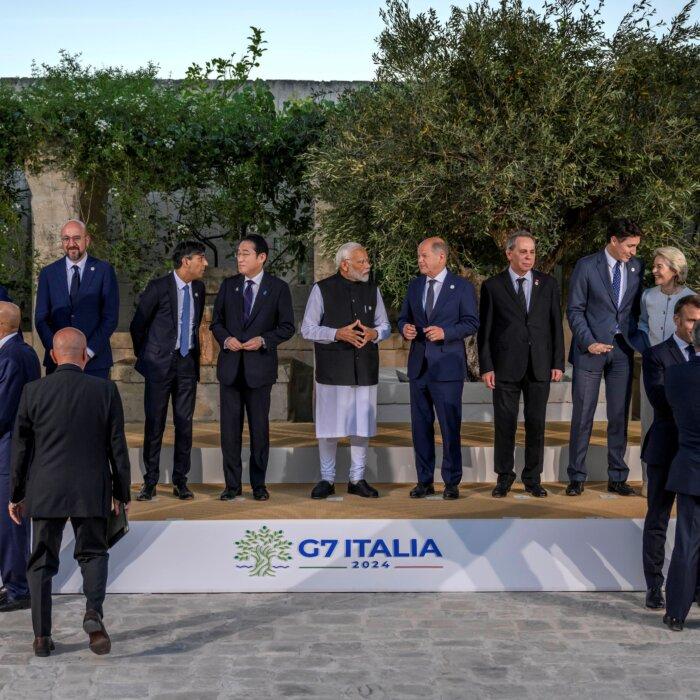
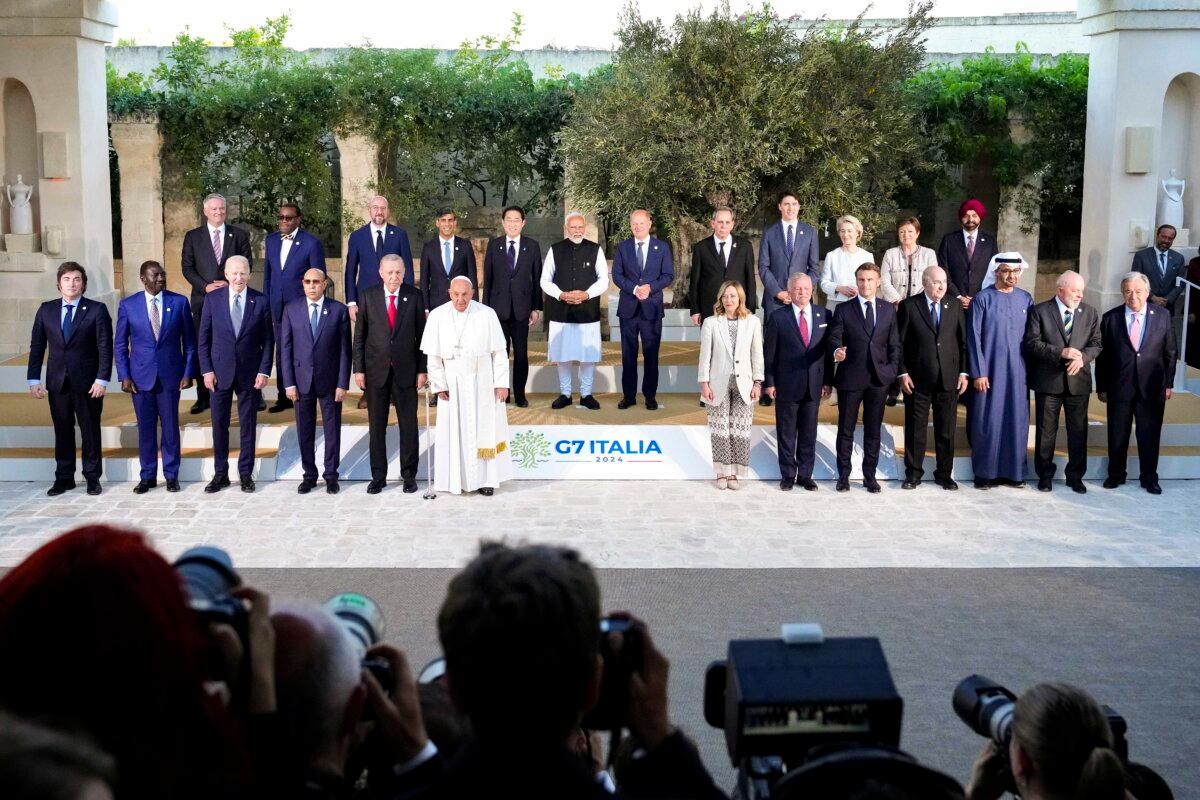
It is customary for the G7 Summit to feature leaders outside the group of seven advanced economies. The summit in Italy last year saw the participation of the late Pope Francis, along with the leaders of other countries such as Turkey, Argentina, Brazil, India, and Ukraine.Some of them have been invited again this year by Carney, as Canada holds the G7 presidency.
The invitation to Indian Prime Minister Narendra Modi was one of the biggest surprises, given the state of relations between Ottawa and New Delhi.
Canada has accused the Indian government of having a hand in violent criminality on Canadian soil, including in the murder of pro-Khalistan activist Hardeep Singh Nijjar in Vancouver in June 2023. Canada has the largest proportion of Sikhs outside India, and a portion of them advocate for the carving out of a Khalistan homeland in India’s Punjab region.
Ottawa expelled Indian diplomats last year over alleged links to criminality, including India’s high commissioner. New Delhi has said Ottawa’s accusations are politically motivated and has criticized Canada for letting Khalistani separatists organize and agitate against India.
“There is a law enforcement to law enforcement dialogue that is occurring between those two countries,” Foreign Affairs Minister Anita Anand said on June 10 when asked by reporters whether Canada is trying to normalize relations with India by inviting Modi. She added that Canada is hosting global leaders to hold talks on energy security and stability, and “it is therefore important for all countries who are being invited to be at the table.”
Modi’s visit to Canada will likely increase the workload of agencies tasked with securing the summit.
Khalistani extremists were responsible for the worst terrorist attack in Canadian history in the bombing of Air India in 1985.
More recently, Canadian ministers expressed concerns for the safety of Indian diplomats in July 2023 after posters advertising a pro-Khalistan rally in Toronto carried the words “Kill India.” The protest was in response to the killing of Nijjar weeks earlier.
If protests against Modi’s visit occur, they may increase the number of participants in other ongoing protests, such as those against Trump’s visit.
Oval Office Drama
Aside from India, there will be other interesting dynamics concerning Ukraine and South Africa. The presidents of both nations had surreal encounters with Trump during visits to the White House in recent months.In front of world cameras in the Oval Office in February, Trump and Ukrainian President Volodymyr Zelenskyy got into a heated argument about the Ukraine-Russia war, leading to a temporary breakdown in relations and the suspension of some U.S. support.
“They take the land, they kill the white farmer, and when they kill the white farmer, nothing happens to them,” Trump said. Ramaphosa rejected the claim that such killings are taking place and said that “nobody can take the land.”
The South African president remained calm during the exchange. He recognized that there’s a serious problem with criminal violence in his country and asked Trump to collaborate on the matter.
Zelenskyy and Ramaphosa are each seeking a bilateral meeting with Trump at the G7 summit. Security issues will be on the table for both, along with trade. South Africa has been waiting for a response from the Trump administration to its proposed trade deal, following Trump’s “Liberation Day” tariffs imposed in April. Ukraine has also proposed a free-trade deal with the United States.
Awaiting Saudi Decision
One leader who has a good relationship with Trump is Saudi Crown Prince Mohammed bin Salman. Media reports citing anonymous sources say Carney has sent an invitation to the prince, who has yet to confirm whether he will attend.Relations between Canada and Saudi Arabia underwent turmoil in recent years, with Riyadh expelling Canada’s ambassador in the summer of 2018 following a statement from Ottawa criticizing the human rights situation in Saudi Arabia.
While Bin Salman denied he had ordered the assassination of the Saudi journalist, he said in 2019 that he took “full responsibility” for it.
Saudi Arabia is a major economic player as a top oil producer and also holds considerable sway in the Arab and Muslim worlds.
G7 leaders typically issue a long communiqué following the summit which outlines stances on a wide range of issues, from the global economy to localized conflicts.