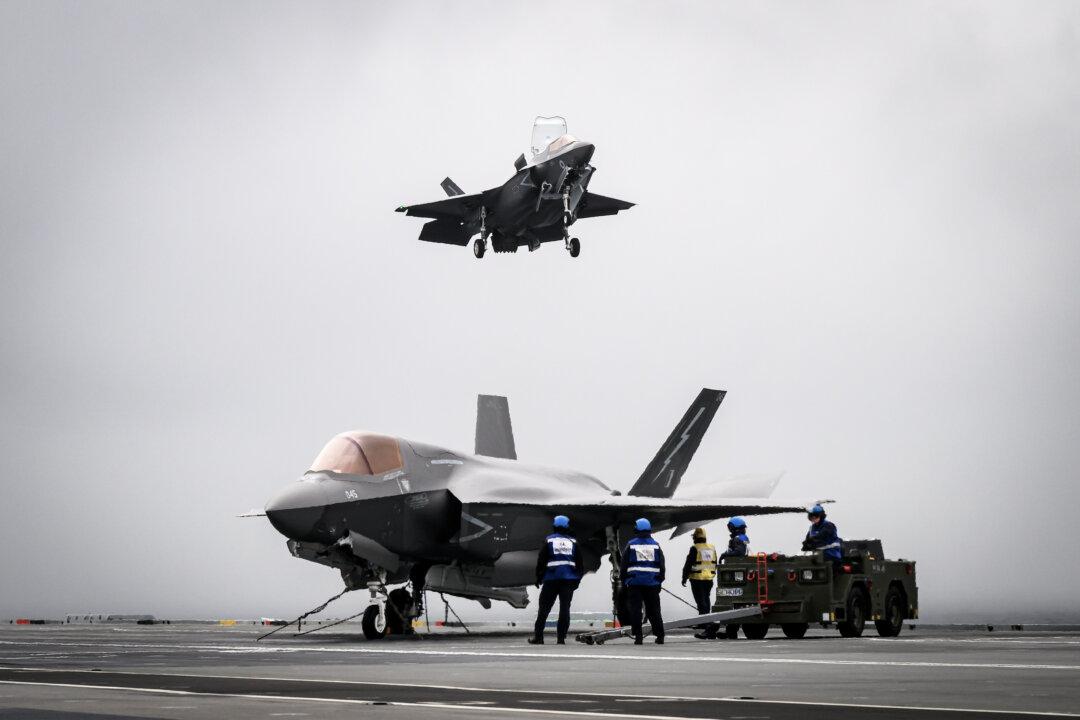
President Donald Trump, on July 23, warned he would order retaliatory military action against Iran in response to new attacks by the Houthis, a terrorist organization that controls much of Yemen.
Also known as Ansarallah, the Houthis are a movement of Shia Muslims in Yemen that have historically aligned with Iran’s Shia clerical leadership.
Amid renewed fighting between the United States and Iran, the Houthis have taken steps to attack Saudi Arabia and impede maritime trade through the Red Sea.
“Please let this TRUTH serve to represent that if they do this again, the United States will hold Iran responsible, in that the Houthis are a Surrogate and/or Proxy of Iran, and major military punishment will be inflicted upon Iran and, of course, the Houthis, themselves,” Trump wrote.
The Houthis became a dominant force in Yemen after seizing the capital Sanaa in 2014, helping to trigger a civil war that continues to this day.
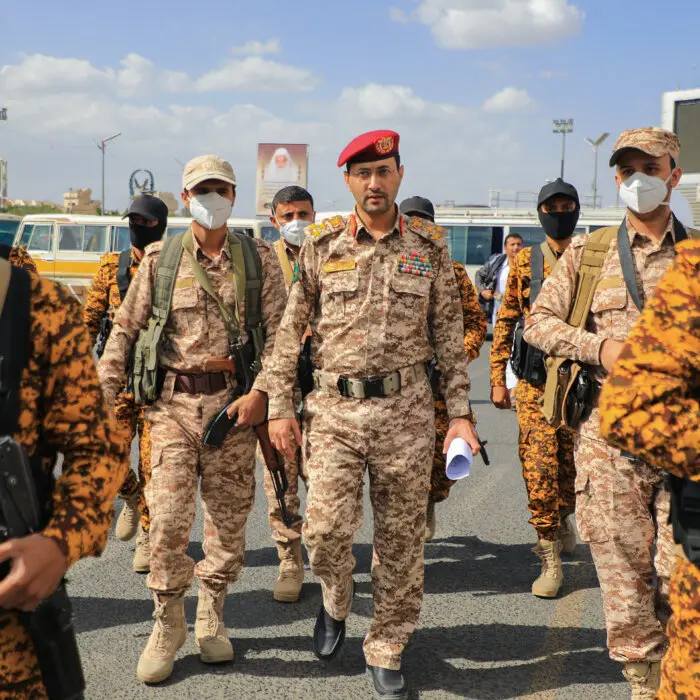
By early 2015, the Houthis had consolidated power in Sanaa and unseated the internationally recognized government, which is predominantly Sunni Muslim. Since 2015, they have also held out against a U.S-backed and Saudi-led international military coalition, which began intervening on behalf of the deposed government.
Currently, the Houthis control a swath of northwest Yemen that covers about 80 percent of the country’s population of 32 million people.
After Israeli forces began combat operations in the Gaza Strip in response to the Oct. 7, 2023, Hamas attacks that killed about 1,200 Israelis, the Houthis began targeting Israel and attacking shipping in the Red Sea. They vowed to continue these attacks as long as the fighting in Gaza continued.
By January 2024, then-President Joe Biden ordered U.S. forces to strike Houthi targets in Yemen. These operations continued until January 2025, when the outgoing Biden administration announced a ceasefire agreement in Gaza.
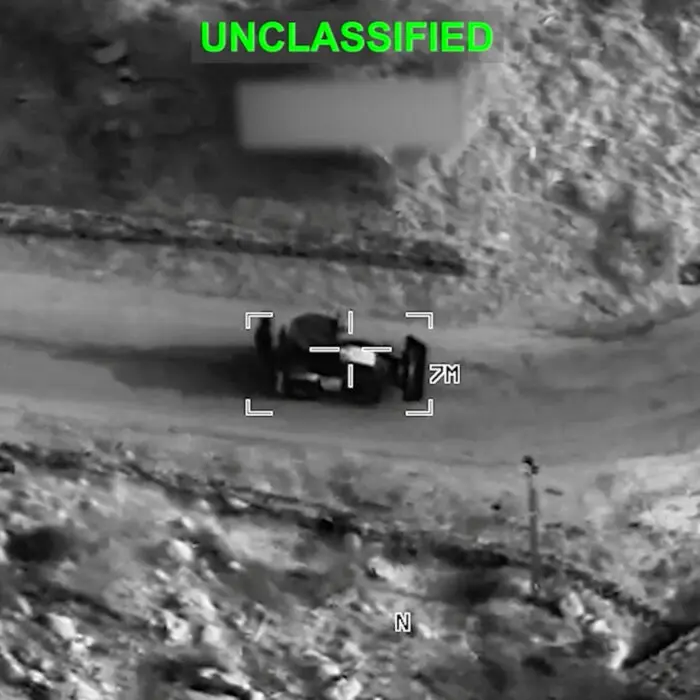
As the Gaza ceasefire collapsed in March 2025, the Houthis resumed attacks on shipping in the Red Sea. In turn, Trump ordered a new series of U.S. strikes on Yemen, dubbed Operation Rough Rider.
The Houthis have remained largely idle since U.S. and Israeli forces commenced combat operations against Iran on Feb. 28. The Yemeni group’s expanding involvement now threatens to open a second front.
Fighting with Iran has already disrupted traffic transiting the Strait of Hormuz, which creates a narrow chokepoint along a major route for global oil exports. Tehran has attempted to use these trade disruptions to expand its leverage at the negotiating table.
Since the start of the Iran conflict, Saudi Arabia has begun to reroute oil exports to the Red Sea port of Yanbu.