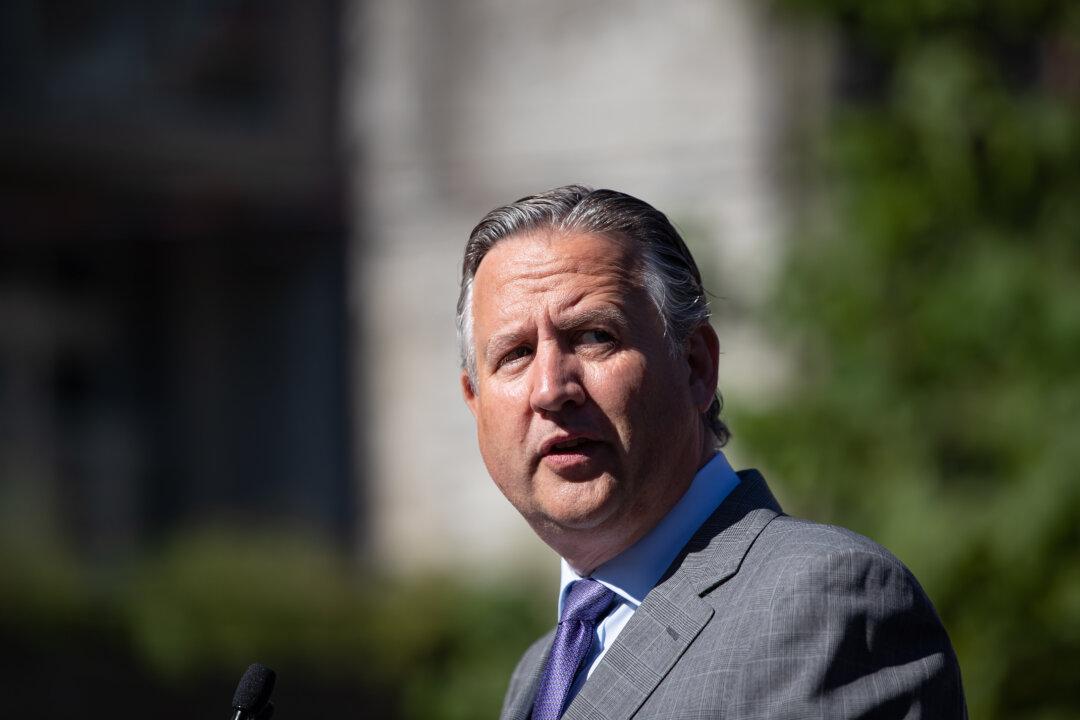
A U.S. senator says he’s asked Prime Minister Mark Carney to “move as quickly as possible” to repeal Canada’s Digital Services Tax (DST).
“I asked that Canada move as quickly as possible to get a law passed in Parliament making sure that it’s gone permanently,” said U.S. Democratic Senator Ron Wyden, following a July 21 meeting with Carney in Ottawa.
Wyden, who visited Ottawa with a bipartisan delegation of four U.S. senators, said Carney was “receptive” to passing the law.
The DST puts a 3 percent levy on revenue from digital services like streaming platforms whose revenue is more than CA$20 million, and impacts U.S. tech giants such as Google, Amazon, and Netflix. Carney vowed to scrap the tax late last month, two days after U.S. President Donald Trump said he was ending all trade negotiations with Canada due to the DST.
The prime minister’s reversal came just before the due date for a retroactive payment that would have cost U.S. tech firms an estimated $2 billion. Canada’s tax agency is not requesting payments be made by those owing under the DST but will not grant refunds to those who already paid until a law is passed formally ending the tax.
Canada’s House of Commons is on summer break until Sept. 15, and Wyden said Carney was open to getting a law passed “in the fall.”
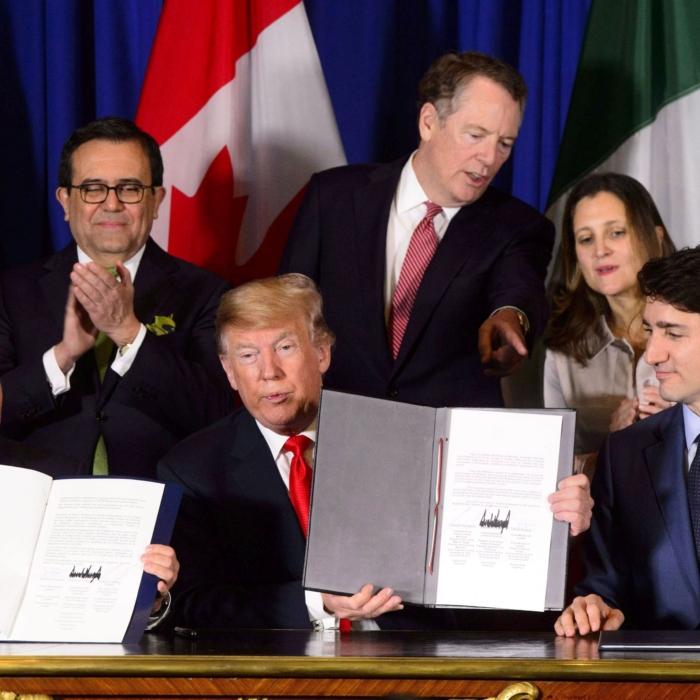
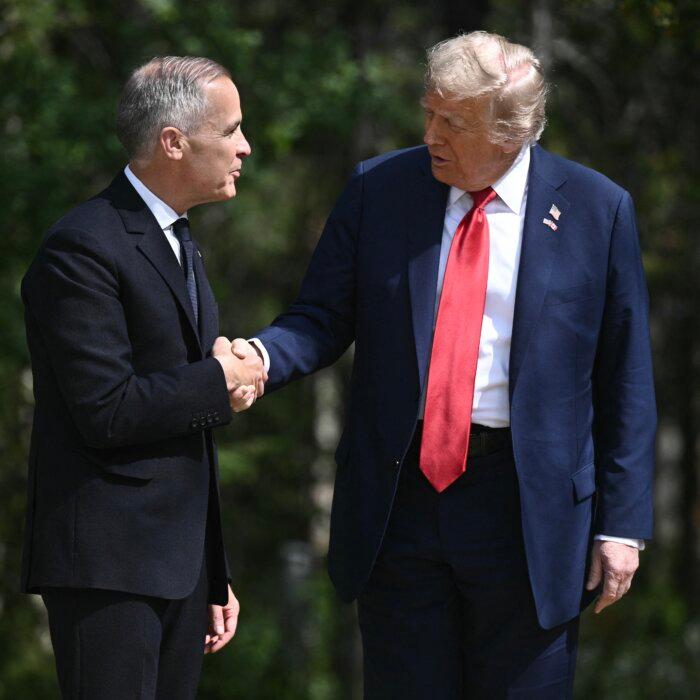
Wyden was in Ottawa to discuss trade tensions between Canada and the United States alongside fellow Democratic senators Maggie Hassan of New Hampshire and Catherine Cortez Masto of Nevada, along with Republican Senator Lisa Murkowski of Alaska.
Trump said July 10 that he will apply 35 percent tariffs on all Canadian goods on Aug. 1 unless a new trade deal is reached. The U.S. is currently imposing a 25 percent tariff on all goods that do not fall under the United-States-Mexico-Canada (USMCA) free trade deal, and a lower 10 percent rate on energy and potash as part of a tariffs regime related to border concerns.
The delegation of senators said they are seeking to help bring stability and consistency to the Canada-U.S. relationship as the Aug. 1 deadline for a new trade deal approaches.
“We want to work with all sides of the executive branch in both countries to get some stability back in the economy in the United States and in Canada,” Wyden said, adding that discussions with Prime Minister Mark Carney had given “a clear idea on how to proceed” on the softwood lumber dispute between the two countries.
Murkowski said that U.S. tariff negotiations “have been very closely, very tightly held,” and declined to say her opinion on whether a tariff-free deal could be reached by Aug. 1.