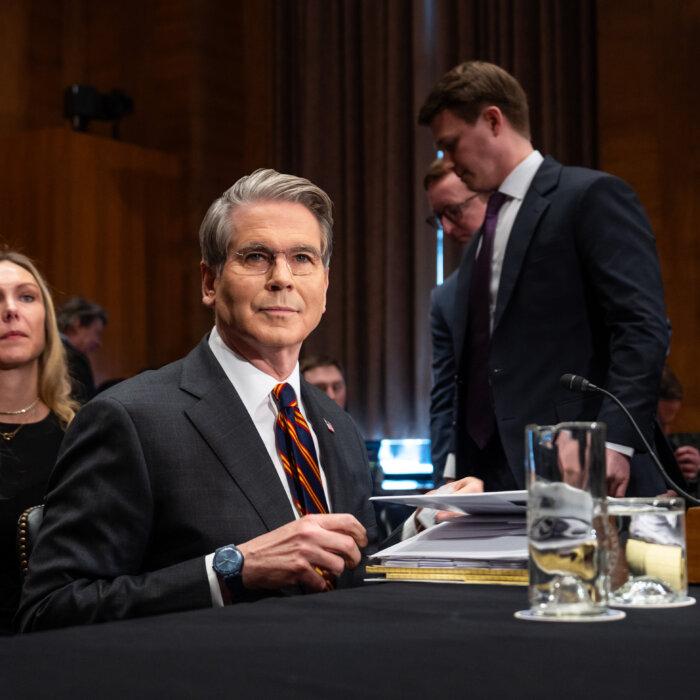
The U.S. government has sanctioned multiple cryptocurrency wallets connected to Iran, freezing an estimated $344 million in digital assets, Treasury Secretary Scott Bessent said on April 24.
In a post on X, Bessent said the Treasury Department’s Office of Foreign Assets Control enforced the sanctions action against the cryptocurrency wallets as part of a campaign of economic pressure against Iran’s leadership dubbed Operation Economic Fury.
“We will follow the money that Tehran is desperately attempting to move outside of the country and target all financial lifelines tied to the regime,” Bessent said.
A U.S. official said the Office of Foreign Assets Control worked with blockchain analytics experts to identify the suspect cryptocurrency wallets. The official said investigations identified transactions involving Iranian exchanges, and a series of transactions through intermediaries that interact with other cryptocurrency wallets associated with the Central Bank of Iran.
“The Central Bank of Iran has used increasingly complex methods to obfuscate its involvement in cross-border transactions using digital assets, as they seek to stabilize the rial and facilitate international trade in an increasingly restricted environment,” the U.S. official said.
On Friday, the Treasury Department also announced sanctions against China-based Hengli Petrochemical (Dalian) Refinery Co. for its continued purchases of sanctioned Iranian crude oil.
Hengli has positioned itself as a top customer for Iranian oil exports, with its purchases generating hundreds of millions of dollars in revenue for Iran, according to the Treasury Department.
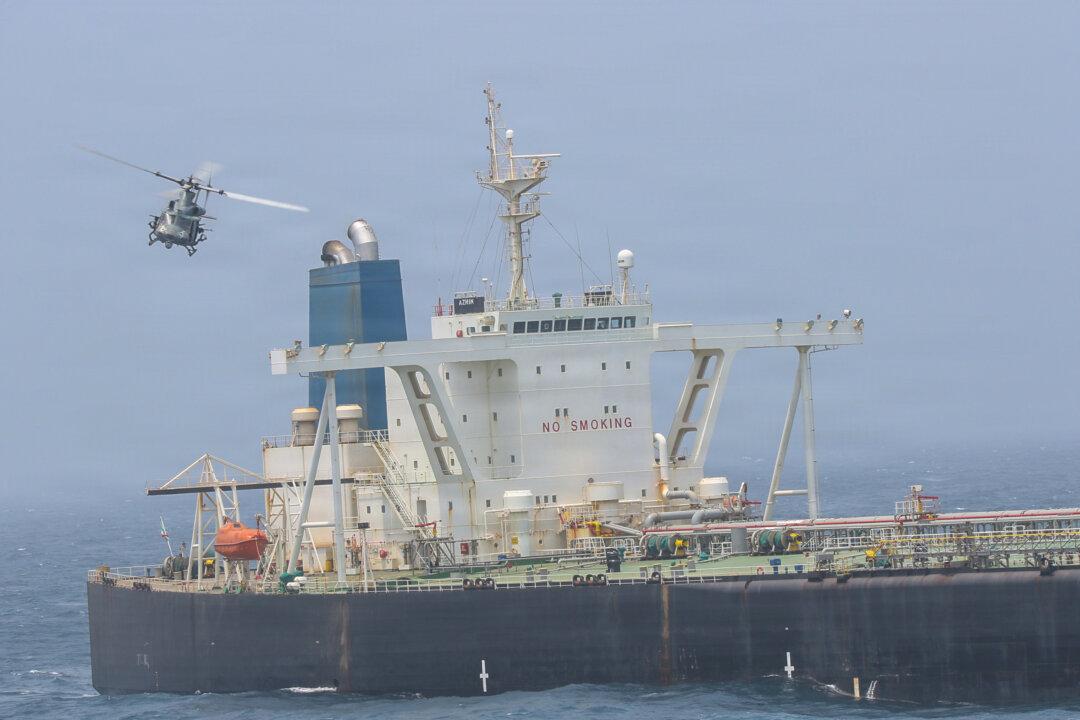
The U.S. sanctioned about 40 more business entities and commercial ships accused of purchasing and transporting Iranian petrochemical shipments.
“At President Trump’s direction, Treasury will continue to constrict the network of vessels, intermediaries, and buyers Iran relies on to move its oil to global markets. Any person or vessel facilitating these flows—through covert trade and finance—risks exposure to U.S. sanctions,” Bessent said.
On April 21, Trump announced he had agreed to extend the pause on U.S. military action to allow more time for Iranian leadership—whom he described as “seriously fractured”—to prepare a unified proposal for how to proceed with peace talks.
Trump told Reuters that Tehran is planning to submit an offer to address U.S. demands.
“They’re making an offer and we’ll have to see,” Trump said.