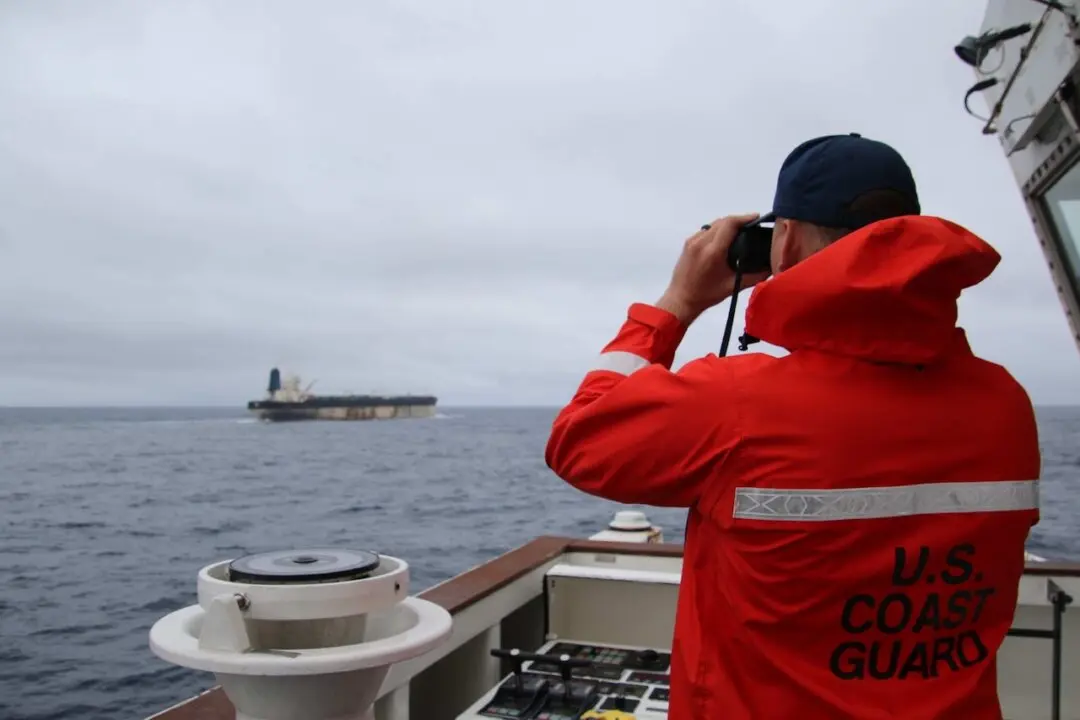
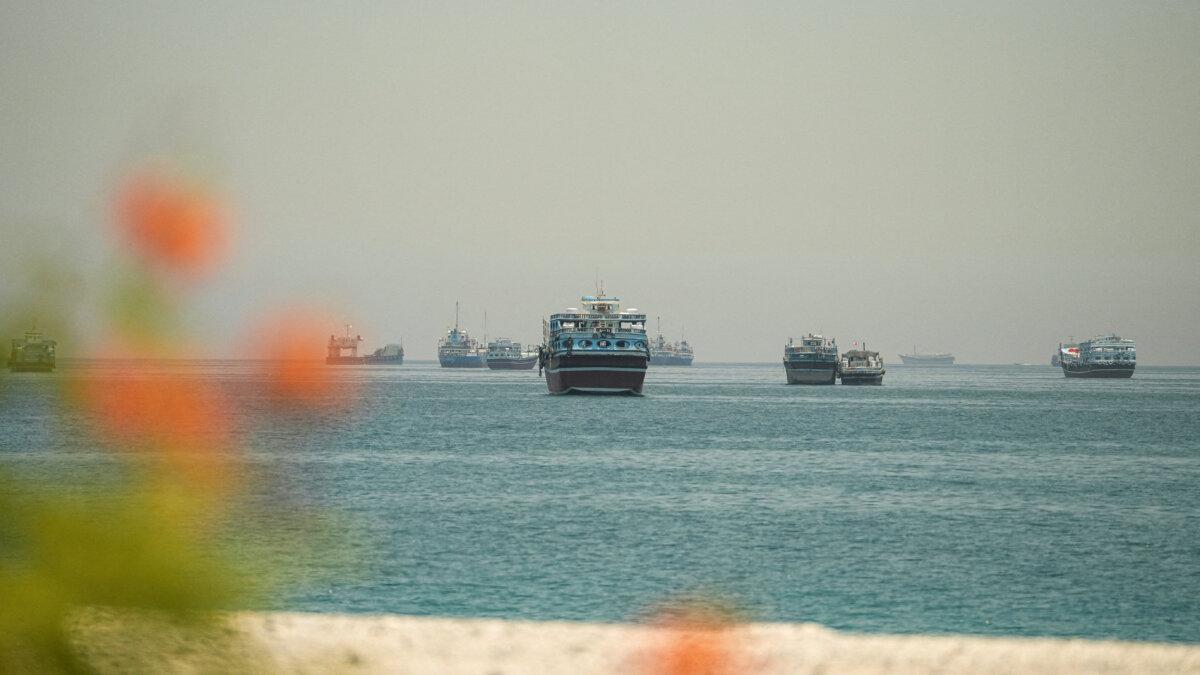
U.S. military forces have redirected 108 commercial vessels from entering or exiting Iranian ports as of Tuesday to ensure compliance with the United States’ ongoing maritime blockade of Iran, U.S. Central Command said in a May 26 post on X.
According to a May 23 post on X by Central Command, over 15,000 troops, more than 200 aircraft, and 20-plus warships have been deployed as part of the mission. The United States has deployed aircraft carriers, dock landing ships, amphibious assault ships, guided-missile destroyers, and land and sea-based fighter aircraft.
U.S. ships taking part in the blockade include the George H.W. Bush Carrier Strike Group, Abraham Lincoln Carrier Strike Group, and Tripoli Amphibious Ready Group/31st Marine Expeditionary Unit.
Both the United States and Iran are currently working on a deal that could end the war.
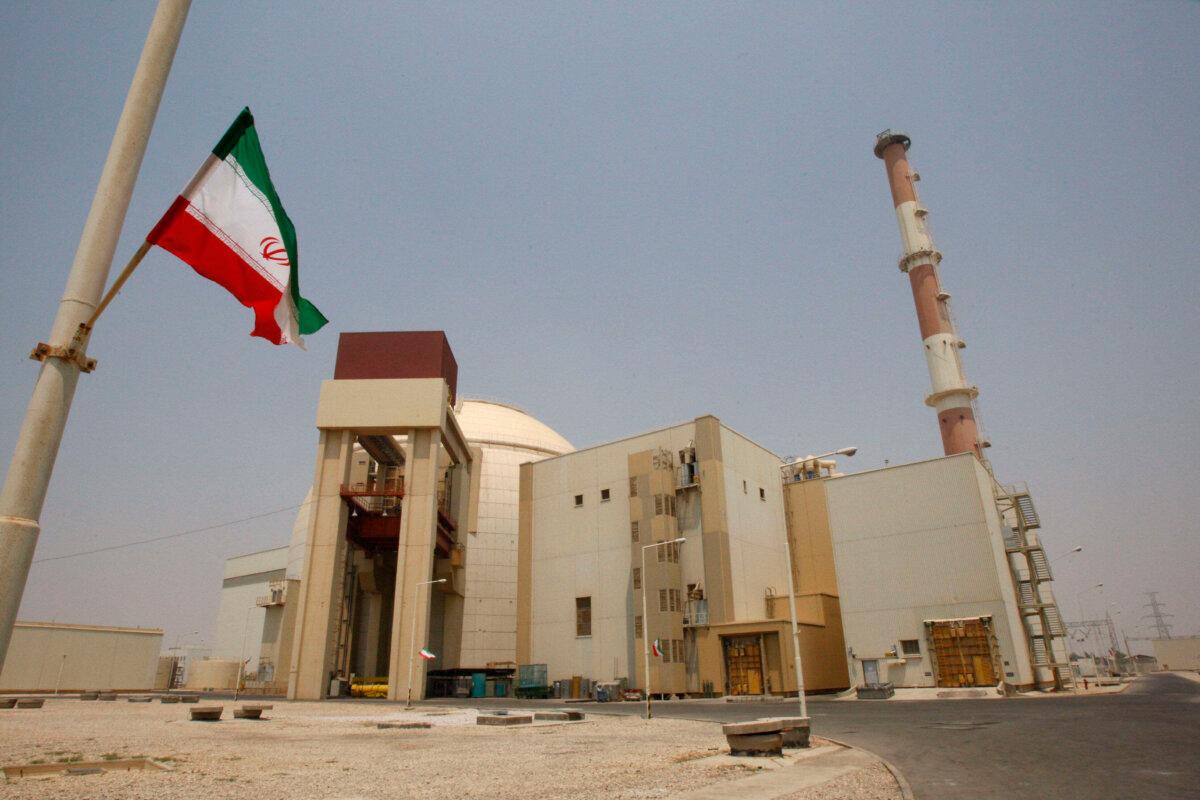
“The Enriched Uranium (Nuclear Dust!) will either be immediately turned over to the United States to be brought home and destroyed or, preferably, in conjunction and coordination with the Islamic Republic of Iran, destroyed in place or, at another acceptable location, with the Atomic Energy Commission, or its equivalent, being witness to this process and event,” Trump wrote.
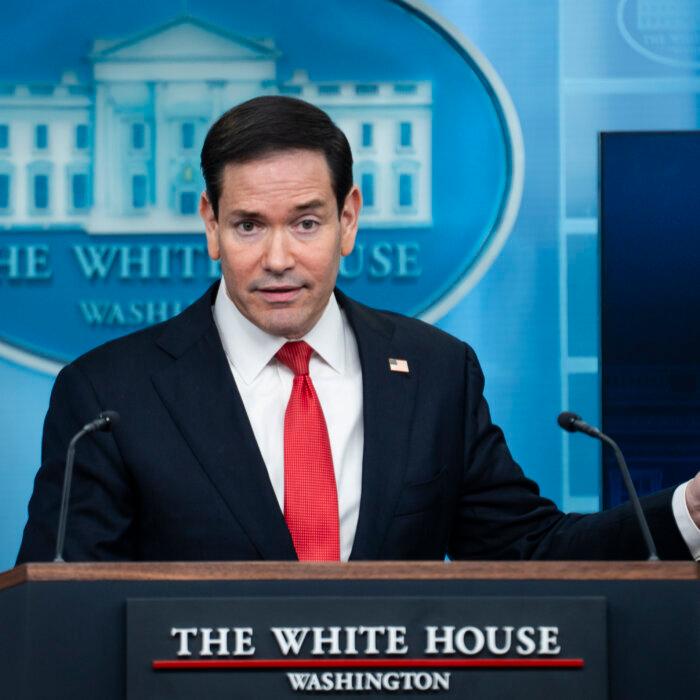
“Look, I think our position is well-stated,” Rubio said, adding that disagreements remained over specific details and wordings.
“There’s going to be a deal, we’re going to have to work through that, but this is either going to be a good deal or there isn’t going to be one.”
In a May 26 report, the Atlantic Council think tank suggested that the Iranian regime was keen on ending the war.
“It is increasingly clear that Iran’s leaders are interested in securing a ceasefire and avoiding further escalation. Tehran understands the heavy strategic, economic, and military costs of continued confrontation and appears determined to prevent the conflict from spiraling into a broader regional war,” wrote Danny Citrinowic, a nonresident fellow with the Atlantic Council’s Middle East programs.
War Implications
The ongoing Middle Eastern conflict is threatening global food and energy security.On Tuesday, Qu Dongyu, the director-general of the U.N. Food and Agriculture Organization, warned at an event in Rome that the world could face a serious food crisis in the coming years if the war was not addressed as soon as possible, according to a May 26 statement from the organization.
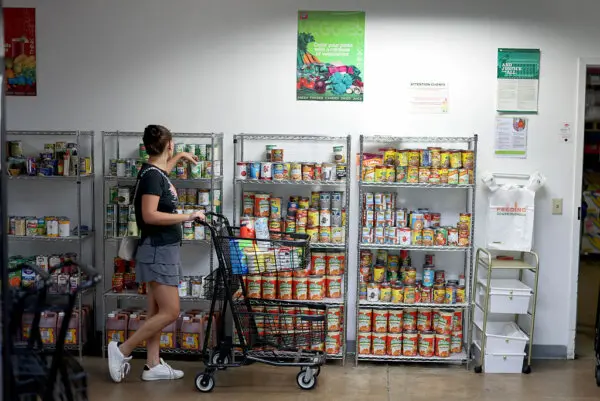
“What we are witnessing today is not only a geopolitical crisis, it is a systemic shock to the global agrifood system,” Qu said. “The decisions we make now will determine whether this remains a manageable shock, or evolves into a deeper global food security crisis in 2026 and 2027, and beyond.”
The biggest shocks from the geopolitical crisis may not be immediate and will only emerge several months from now when farmers start harvesting less after being forced to plant fewer crops, use a lower amount of fertilizers, or are unable to afford production, the organization said.
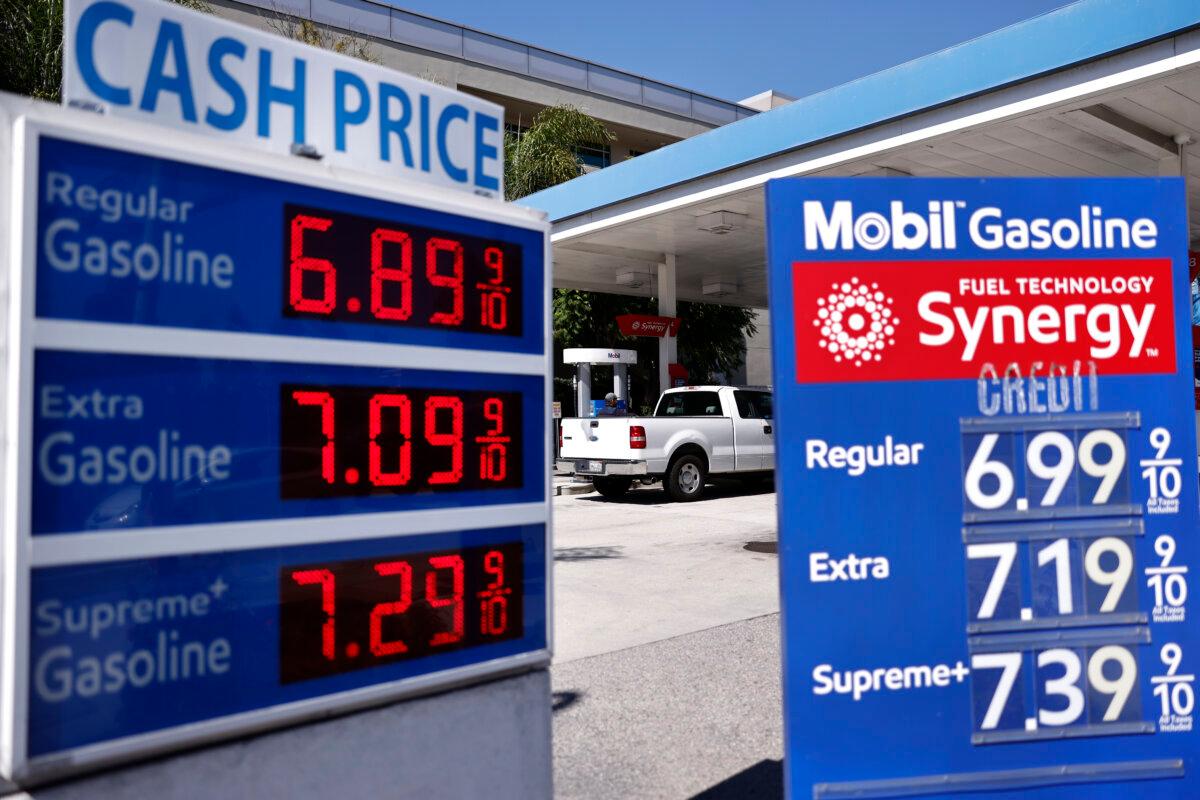
Oil prices continue to remain elevated. On Feb. 27, a day before the war broke out, Brent crude oil futures closed at around $72 per barrel. On Wednesday, oil was trading at $93.87 as of 6:50 a.m. ET.
According to data from the American Automobile Association, the national average price of regular gasoline was $4.45 per gallon on May 27, up from $4.11 a month back, and $3.17 a year back.
Internationally, the Middle East conflict has turned out to be a “global energy crisis of unprecedented magnitude,” the International Energy Agency (IEA) said in a May 13 report.
“Previous energy crises affected economies and societies in profound ways, often forcing households to ration fuel for their cars and heating for their homes. The 2026 crisis is being felt across the globe – and households in emerging and developing economies are now facing a particularly severe challenge: whether there is enough fuel simply to cook a meal, and whether they can still afford it.”