Kyiv’s continued drone strikes on Russia’s energy infrastructure have resulted in power outages in Crimea’s largest city, along with targets being hit in central and southern parts of the Russian Federation.
Robert Brovdi, Ukraine’s drone forces commander, said on June 24 that unmanned aerial vehicles (UAVs) had struck the main substation at the Sevastopol power plant in Crimea, which was annexed by Russia in 2014.
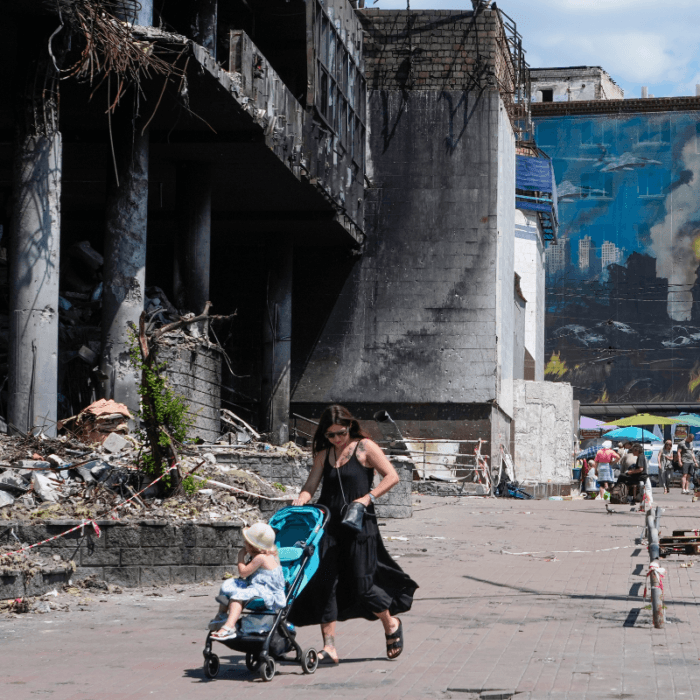
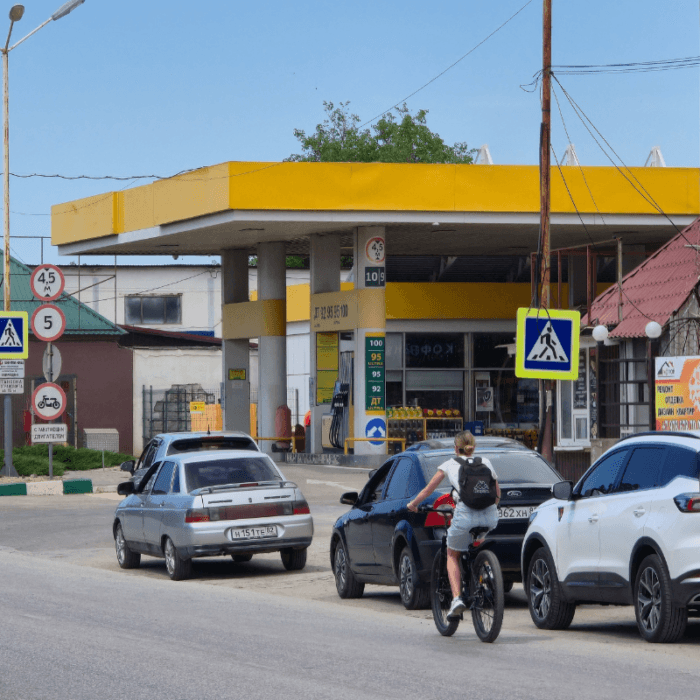
Ukraine’s strikes on Russian supply routes, depots, and refineries have caused gas prices to go up and shortages in some regions, particularly Crimea.
Then, on June 24, Razvozhayev said the latest wave of attacks had downed power lines, and trolleybuses were rendered inoperable. Parents were advised to keep their children home from school.
Rest of Russia
Ukraine continued its air assaults across other parts of the country. The Russian Ministry of Defense said its air defenses had shot down 323 UAVs overnight across the federation.Ukraine targeted the central Russian region of Nizhny Novgorod, which is home to NORSI, Russia’s fourth-largest oil refinery.
Nizhny Novgorod Gov. Gleb Nikitin said falling UAV debris had damaged an industrial facility, but not critically. However, two people were killed.
Authorities in the remote Orenburg region, 621 miles southeast of Moscow and bordering Kazakhstan, said that drones had been downed over an industrial facility. The region is home to several industrial facilities, including an oil refinery and a gas processing plant.
In the Belgorod region near the Russian border with Ukraine, a man was killed and a woman was injured during a drone attack. Meanwhile, Russian shelling in the eastern Ukrainian city of Balakliia resulted in the death of one person, according to local authorities.
Ukraine OECD Membership
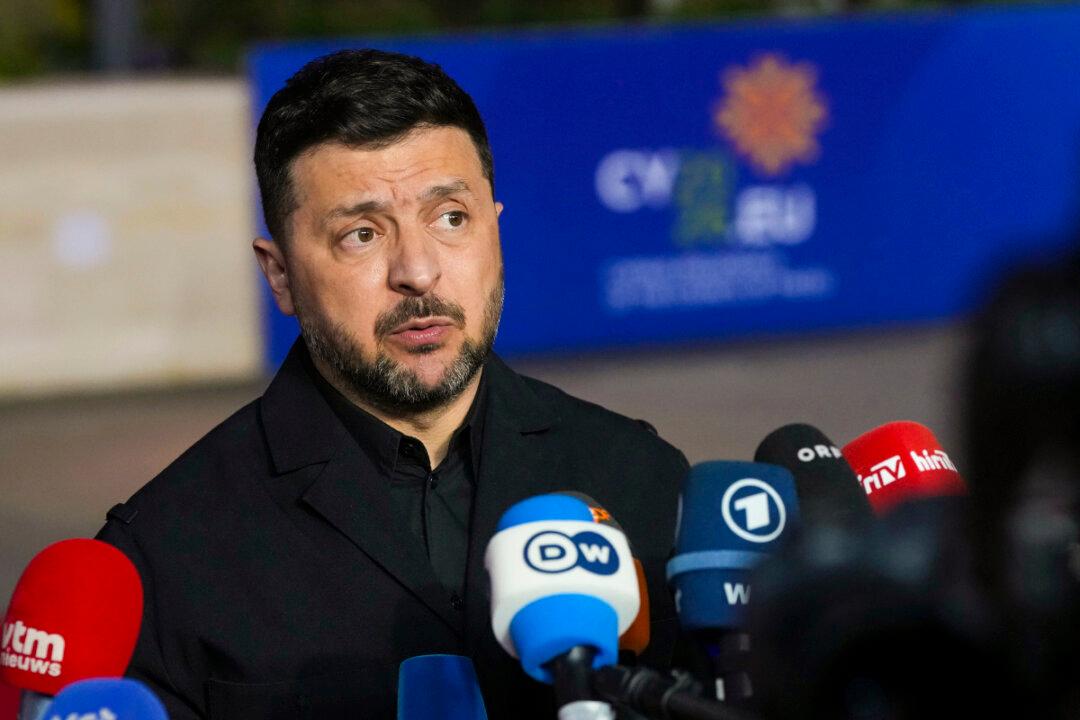
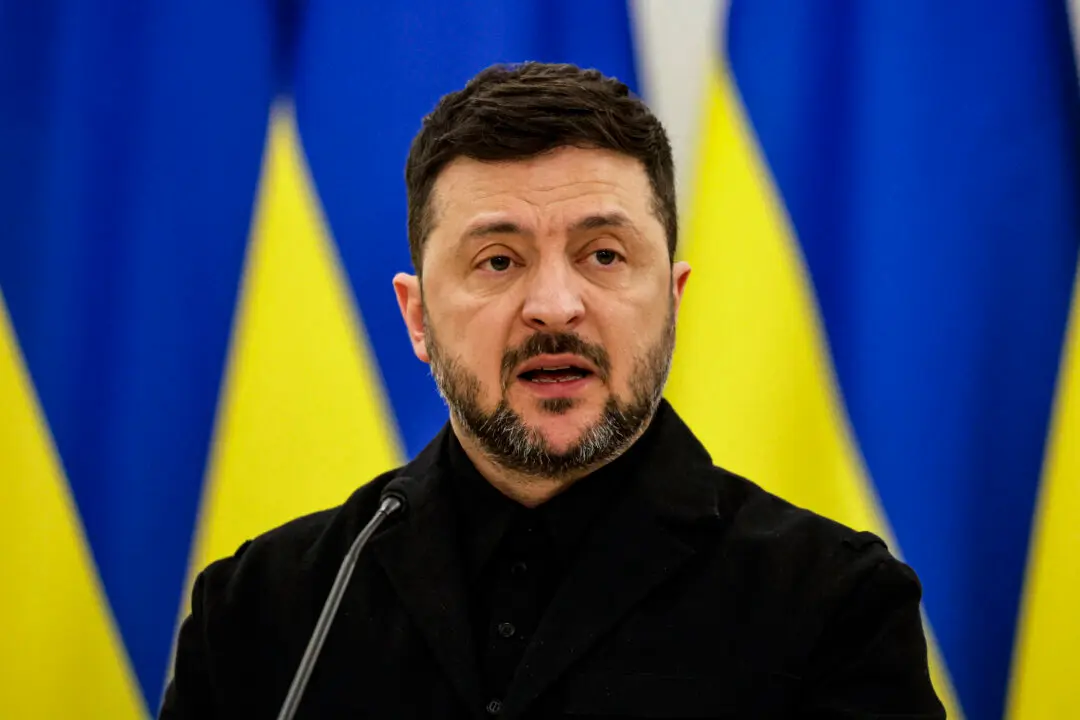
Ukrainian President Volodymyr Zelenskyy said on June 23 that he had submitted a revised application for the Organisation for Economic Co-operation and Development (OECD), another step in Ukraine’s inclusion in Western institutions.The OECD is a club of mostly advanced economies, and it works with more than 100 countries around the world.
Ukraine has been working for several years on its reforms and governance standards to become a member.
OECD Secretary-General Mathias Cormann met with Ukrainian Prime Minister Yulia Svyrydenko on June 23 and presented her with three reviews covering governance, infrastructure, and the justice system.
Cormann said in a statement that these reviews “show a country reforming in real time and bringing its institutions closer to the standards shared by the world’s advanced market based democracies.”
“Ukraine is not waiting for the war to end to build a stronger country,” he said.
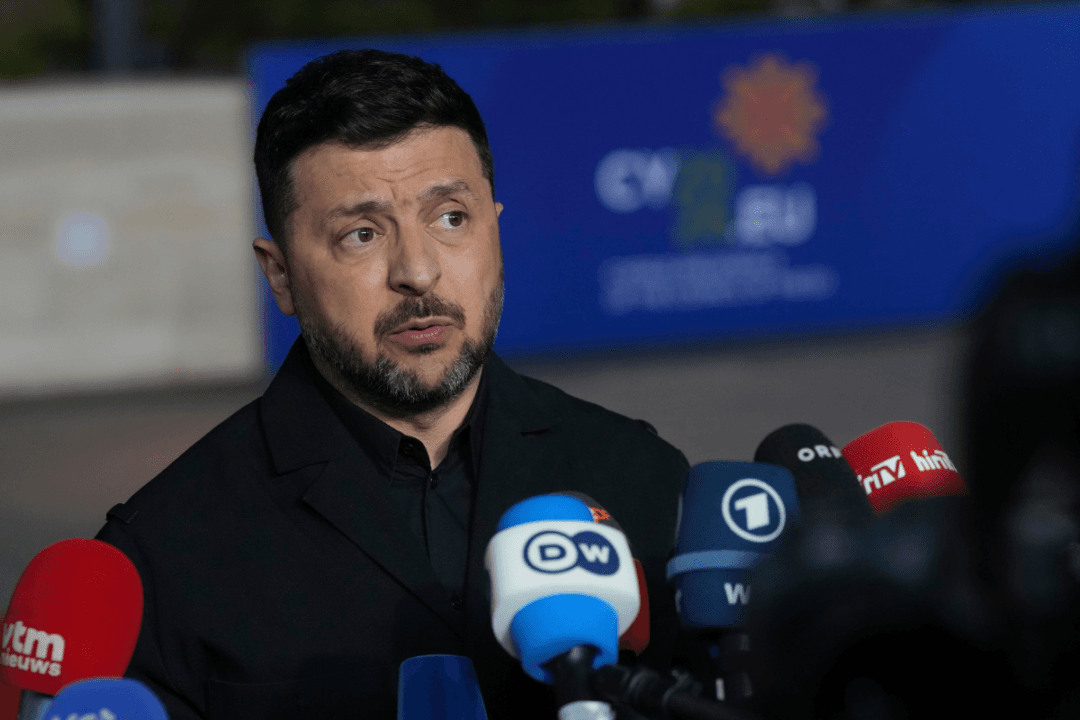
Zelenskyy said in a post on X that he had met with Cormann and that Svyrydenko had submitted the updated application, saying that OECD membership was important to Ukraine.
He said he hopes for Ukraine to receive candidate status as early as the fall.
“We also paid special attention to Ukraine’s progress on the path to European integration and the implementation of reforms necessary for rapid progress toward EU membership,” the Ukrainian president said.
“We also spoke about the implementation of the European Union’s financial support package, the strengthening of sanctions against Russia, and engagement with partners.”
Ukraine is currently in the process of joining another supranational organization, the EU, a trade and political bloc of 27 member states.