UK to Raise Reservist Minimum Call-Up Age to 65 to Boost Military Personnel Capacity

The Ministry of Defence said this approach will increase the pool of knowledge they can draw on outside of the active military in times of conflict.
UK to Raise Reservist Minimum Call-Up Age to 65 to Boost Military Personnel Capacity
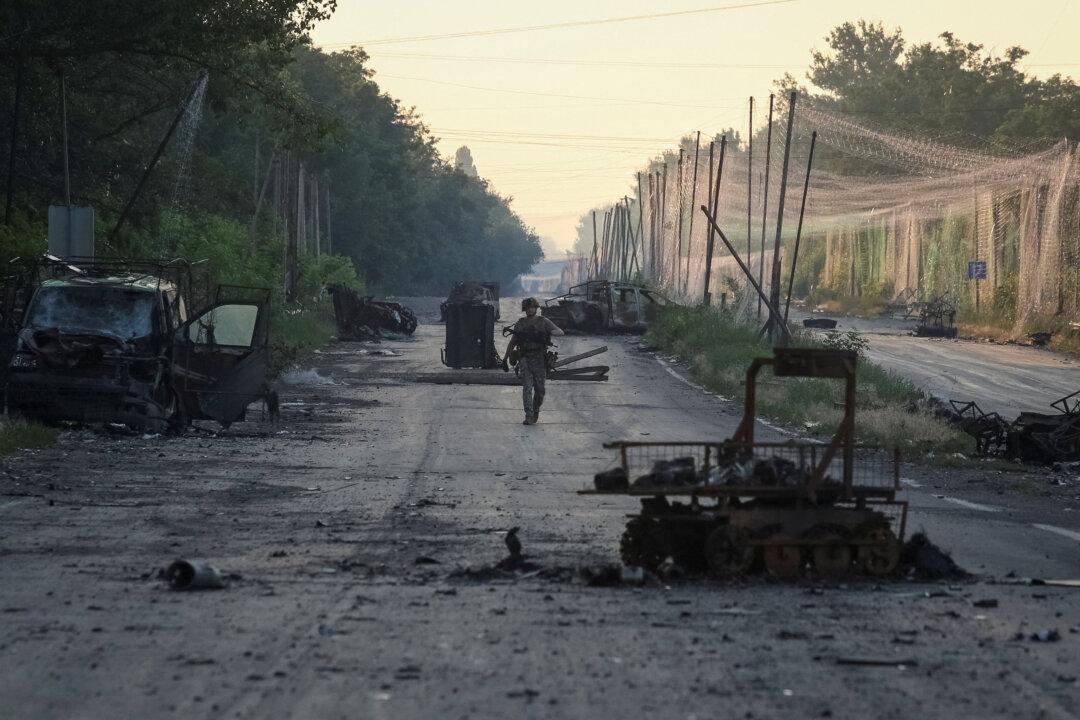
Service personnel race to the finish line after erecting and deconstructing a tent during The Duchess of Edinburgh Competition at Royal Military Academy Sandhurst in Camberley, England, on Nov. 5, 2025. Leon Neal/Getty Images
|Updated:
0:00
The UK announced on Jan. 15 that it will increase the upper age limit for recalling veterans for duty to 65, under plans to make Britain better prepared for potential war.
The Ministry of Defence (MoD) said in a statement that measures being introduced through the Armed Services Bill will raise the call-up age of former military personnel from the current maximum of 55.

The bill will also lower the threshold for recall to include “warlike preparations”; currently, former personnel can only be recalled for “national danger, great emergency or attack on the UK.”

The plans unveiled by the MoD are meant to increase the size of the UK’s Strategic Reserve, which will help the military draw on veterans’ skills and experience “in times of crisis,” the ministry said.

“As the threat to our nation grows, we must ensure our Armed Forces can draw on the numbers and skills required to meet it. I fully support these measures, which will give us the widest possible pool of experienced personnel to call upon in times of crisis,” Commander Standing Joint Command Lt. General Paul Griffiths, who is leading British efforts to ensure combat readiness, said in the statement.

“Our Strategic Reserve represents a wealth of expertise built over years of military and civilian experience—from cyber and intelligence to medicine and communications. These reforms will allow us to mobilise that talent rapidly when it matters most, strengthening our readiness and aligning with a similar approach many NATO forces are taking to bolster their own resilience,” Griffiths added.

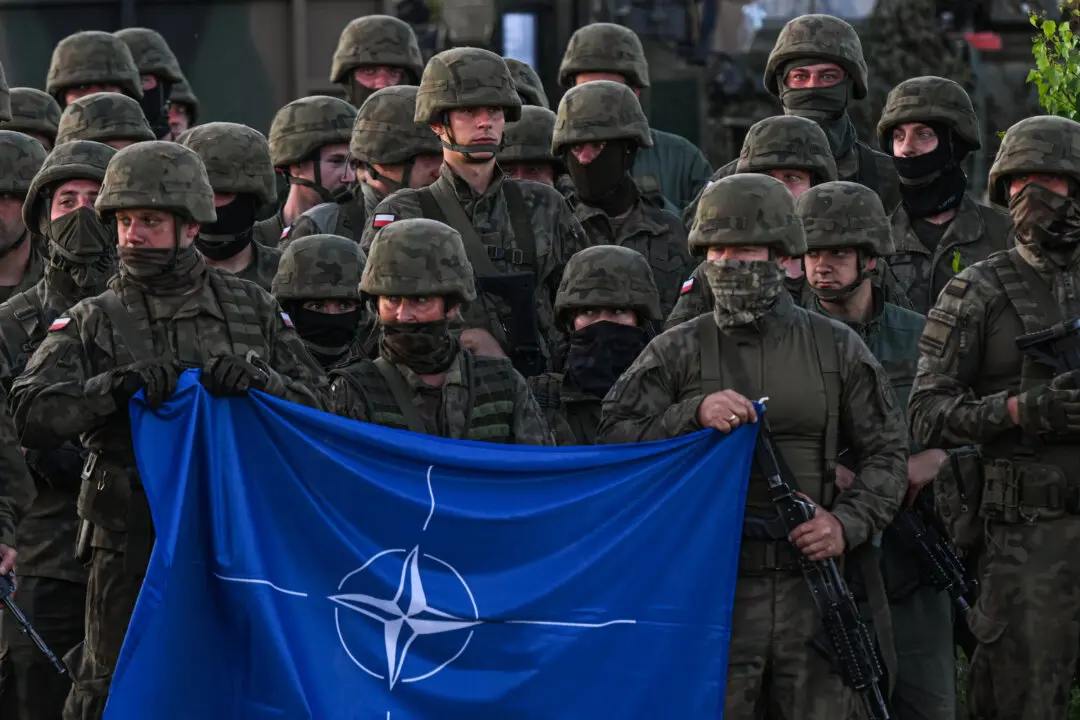
The MoD said this approach is putting the UK in line with other NATO allies that are increasing focus on their reserve forces.

More Britons Needed to Fight

The move comes after the Strategic Defence Review, the government assessment of the UK’s defense and security capabilities published in June 2025, said the Army should “reinvigorate the Active and Strategic Reserves, which will be critical for providing contingent capability and access to expertise that can be mobilised rapidly if needed.”
The plans follow Air Chief Marshal Sir Richard Knighton’s comments late last year that more Britons need to be ready to fight for their country, amid growing risks posed by Russia.
Knighton, who is the head of the UK’s armed forces, suggested during a speech at the Royal United Services Institute (RUSI) on Dec. 15, 2025, that while there was only a remote chance of an attack by Russia, conflict was no longer the distant concept it had been in previous decades.

“Sons and daughters. Colleagues. Veterans … will all have a part to play. To build. To serve. And if necessary, to fight. And more families will know what sacrifice for our nation means,” Knighton said at RUSI’s annual lecture.

Russia has repeatedly said it has no interest in attacking NATO members.

The British military is working to increase recruitment capacity. On Dec. 27, last year, the MoD announced that it would offer young people paid training in the British Army, Royal Navy, or Royal Air Force in fields including logistics, engineering, and other technical roles.

Germany Begins Military Service Registration

European nations have been working to boost their military capacity amid growing global instability and in response to U.S. President Donald Trump’s calls for NATO allies to take greater responsibility for their own security.
This includes recruitment, with European countries, including France and Germany, taking steps to boost the number of young people joining the military.
On Dec. 5, German lawmakers backed plans to increase the number of people in their armed forces—the Bundeswehr—through a new military service plan targeting young people. The law stops short of conscription but leaves the option open if a voluntary drive fails to produce the required number of military personnel.
New recruits of the German Army Bundeswehr attend a ceremony to take their oath in front of the North Rhine-Westphalia state parliament in Düsseldorf, Germany, on Sept. 4, 2025. (Martin Meissner/AP Photo)
New recruits of the German Army Bundeswehr attend a ceremony to take their oath in front of the North Rhine-Westphalia state parliament in Düsseldorf, Germany, on Sept. 4, 2025. Martin Meissner/AP Photo
The Bundeswehr said in a statement on Jan. 15 that it had sent its first batch of questionnaires to 18-year-olds to assess their motivation and suitability for military service. Completing the survey is mandatory for men, but optional for women.

“Military registration is a central component of the new military service. It serves to systematically collect basic personal data and to assess potential interest in service in the armed forces, thus creating a basis for further information and advisory services,” the statement said.

German men who turn 18 on or after Jan. 1, 2008, will be required to register for military service, but military service itself “remains voluntary,” the Bundeswehr said, stressing that completing the survey does not trigger an obligation to join.
Google LogoMark Us Preferred on Google
Victoria Friedman
Victoria Friedman
Author
Victoria Friedman is a UK-based journalist covering a wide range of international stories, with a particular interest in technology, eastern Europe, and defense.