After U.S. President Donald Trump signed his megabill into law last week, focus has shifted to international trade as Trump’s deadline for countries to reach a deal to minimize tariffs approaches.
Trump had announced the imposition of “reciprocal” tariffs against U.S. trade partners in April, on a date he dubbed “Liberation Day.” The tariff disruption was followed by a global crash in markets, and soon after the Trump administration said the tariffs would come into force after a 90-day pause to allow time for negotiations.
That pause will expire by the new deadline, and the White House said deals will soon be announced in the cases where agreements have been reached. Otherwise, countries without deals have started receiving letters from Trump indicating the level of duties that will be imposed on their imported goods.

Markets again started reacting negatively to the news.
Canada and Mexico had been spared from Trump’s reciprocal tariffs announced on April 2, given the two have been under previously announced tariffs related to U.S. concerns around border security, illegal immigration, and drug trafficking. Those tariffs have a 25 percent rate for goods and a 10 percent rate on energy, with exemptions for items covered by the United States-Mexico-Canada free trade deal.
The impact of the deadline for countries to reach deals with the United States has no direct technical impact on Ottawa’s own trade situation with Washington.
Where there could be potential for an impact is if the Trump administration becomes more focused on handling multiple negotiations or trade conflicts with other countries as Canada tries to reach its own deal. As well, if the United States makes gains or concessions in one particular deal, that could have implications in what it may seek from Canada for an overall balance the U.S. administration may be seeking.
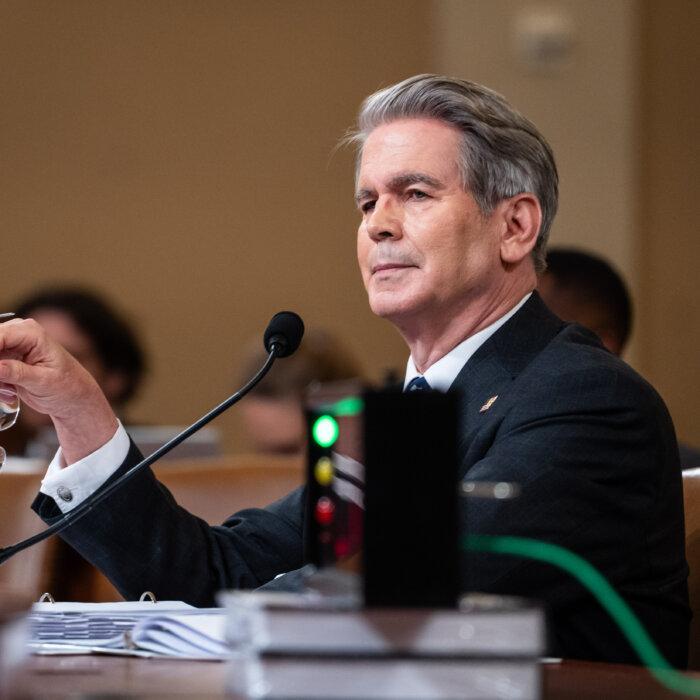
Treasury Secretary Scott Bessent told CNBC on July 7 that after Trump said the reciprocal tariff rates announced on April 2 could “boomerang back” this week, the U.S. administration has seen “a lot of people change their tune in terms of negotiations.”
“My mailbox was full last night with a lot of new offers, a lot of new proposals. So it’s going to be a busy couple of days,” Bessent said.
He added that “several” trade announcements will be made in the next 48 hours, but that Trump is more concerned about the quality of the deals rather than the quantity.
Canada and the United States are already working on a tight deadline to reach a deal.
The Prime Minister’s Office said during the G7 summit in mid-June that Carney and Trump had agreed to aim to reach a trade deal within 30 days. Later the Liberal government started mentioning July 21 as the date the countries are aiming for.
“I’m not going to commit to a date,” he said. Hoekstra also noted that Canada is unlikely to see all tariffs removed, given Trump has “made it clear” that “every country is going to pay some level of tariff.”
The comments came shortly after Ottawa announced it would rescind its legislation enacting its Digital Services Tax after Trump said he was cancelling trade talks with Canada over the tax aimed at tech giants.
It’s hard to predict how the situation will unfold in the coming days, but there is a scenario that could benefit Canada and it’s if Trump is looking for a win by announcing a major deal.
White House trade official Peter Navarro downplayed the amount of deals completed since April in an interview with CNBC on July 7.
“I’m happy with with the progress we’ve had, because every country that we run a major deficit with is fully engaged,” he said. “I think the negotiations are proceeding well, and by the way, the tariff revenues are coming in and really helping this country, and we’re able now to get trillions of dollars in investment here to build up our factories and jobs.”