
Tensions between the United States and Iran remain high, as President Donald Trump continues to seek new security concessions from Tehran.
Trump is primarily working to limit Iran’s nuclear activities, but demands for other concessions may prove to be a hurdle to a deal to de-escalate the regional standoff.
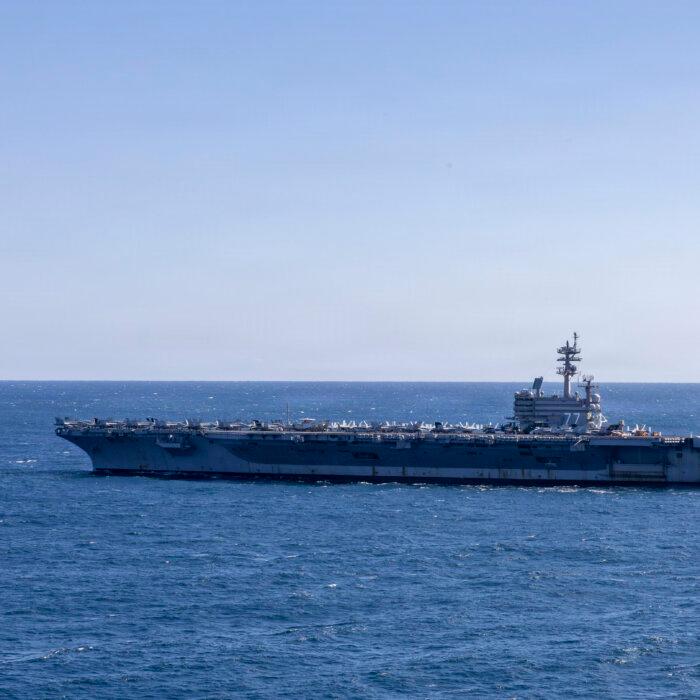
While negotiations continue, Trump has been amassing U.S. military forces near Iran and threatening military action if Tehran doesn’t make sufficient concessions.
Amid the rising pressure, Iranian officials have threatened to respond to any new U.S. attacks by targeting U.S. military bases throughout the region.
Driving Tensions
Multiple factors are fueling the current tensions with Iran. Among the persistent long-term concerns is Iran’s nuclear program.In 2015, the United States joined a multinational agreement for Iran to limit its nuclear activities in exchange for relief from international economic sanctions.
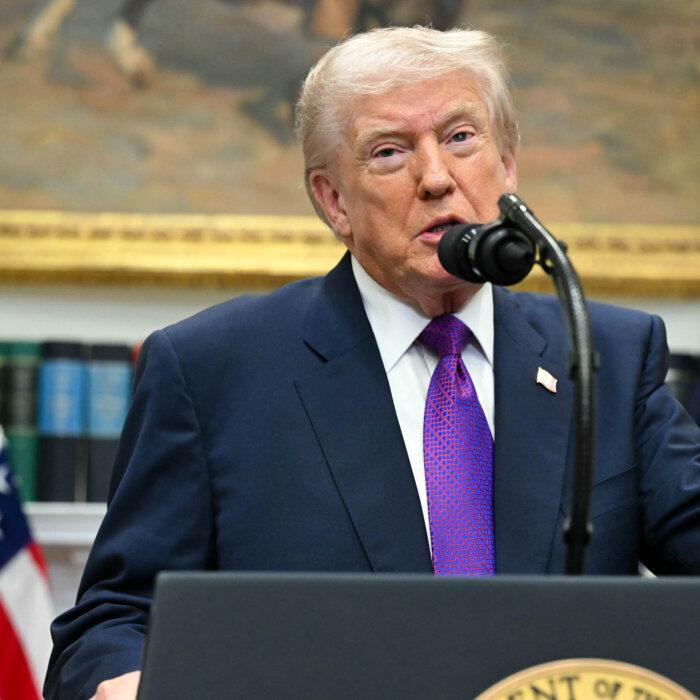
Trump withdrew the United States from this agreement in 2018 during his first term, citing concerns that it wouldn’t sufficiently restrain Iran’s nuclear development, its ballistic missile program, and its support for designated terrorist groups throughout the Middle East. Trump then ordered a resumption of U.S. sanctions on Iran, and pressed for negotiations on a stricter deal.
After returning to the White House as president in 2025, Trump resumed his push for Tehran to accept a more expansive Middle East security framework. Those talks stalled in June last year, as Israel launched surprise strikes on Iran.
Israeli forces extensively targeted Iranian military leadership, as well as nuclear infrastructure and nuclear scientists. Then, on June 22, Trump ordered U.S. forces to strike three Iranian nuclear facilities.
Iran regained Trump’s attention last month after economic-driven protests within the country devolved into deadly confrontations with Iranian security forces.
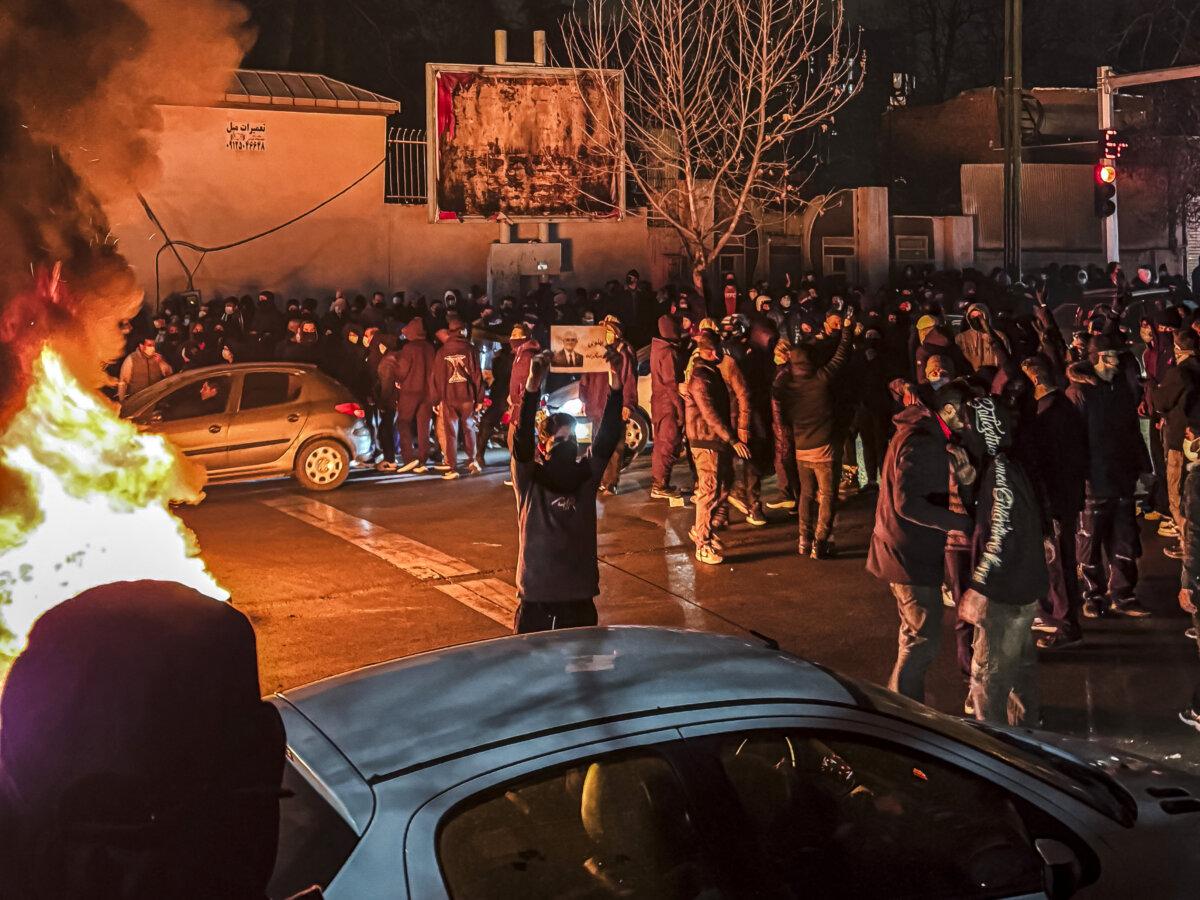
Trump has since threatened new U.S. military action against Iran and directed additional U.S. forces to the region.
At a White House press conference on Feb. 12, Trump said he intends to let negotiations play out for about another month.
When asked on Feb. 13 whether he wants regime change in Iran, the president said, “It seems like that would be the best thing that could happen.”
Scope of Negotiations
Iranian officials have expressed a willingness to discuss Iran’s nuclear projects, but other topics could prove a sticking point for negotiations.On Feb. 4, U.S. Secretary of State Marco Rubio said talks should address Iran’s missile programs, violent protest clampdowns, and support for terrorist proxies across the Middle East.
Iranian Foreign Minister Abbas Araghchi, however, has said Iran’s missile programs would not be up for discussion.
After U.S. and Iranian representatives concluded a round of talks in Oman last week, Israeli Prime Minister Benjamin Netanyahu called a meeting with Trump in Washington to address the negotiations.
As he prepared to depart Washington on Feb. 12, Netanyahu told reporters an agreement with Iran “must include the elements that are vital to us, to Israel, and in my opinion, not just to Israel.”
Escalation Risks
Trump’s pressure campaign is not without risks. Iranian officials have threatened a regional conflict if they come under attack.Earlier this month, Iranian leader Ayatollah Ali Khamenei said Iran doesn’t seek conflict but “will strike a strong blow against anyone who attacks.”
Following the U.S. strikes on Iranian nuclear facilities in June, Iranian forces launched a salvo of ballistic missiles at a base hosting U.S. troops in Qatar. Trump said Tehran notified Washington in advance of the strikes, and U.S. forces were able to intercept the missiles without sustaining casualties.
Sen. Chris Coons (D-Del.), who serves on the Senate Foreign Relations Committee, told The Epoch Times that if Trump were to pursue military action against Iran, it “would be very difficult to guarantee that there'd be no casualties” for U.S. troops.
Rep. Jason Crow (D-Colo.), a U.S. Army veteran now serving on the House Armed Services and Intelligence Committees, said he has confidence that U.S. commanders in the Middle East are taking necessary measures to protect U.S. troops.
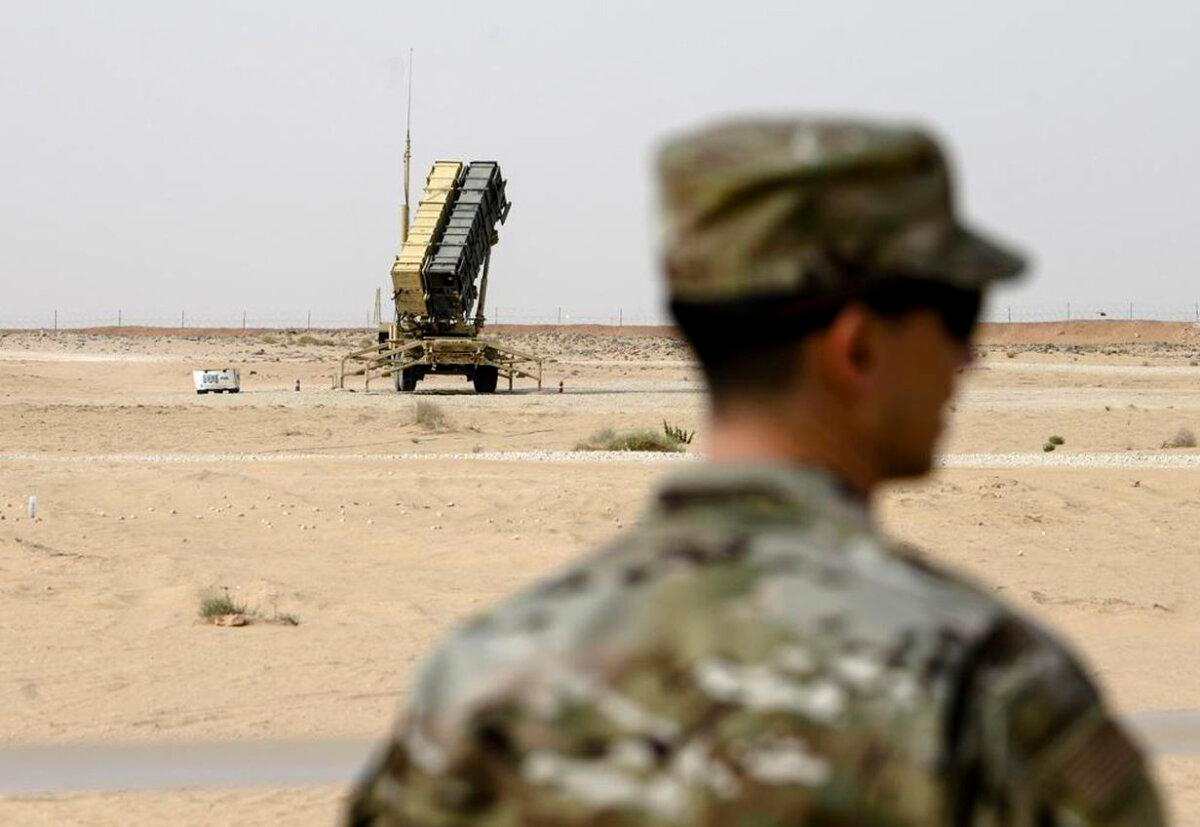
Still, Crow said he remains wary of the Trump administration’s overall strategy and endgame in its engagement with Tehran.
“I have consistently relayed my concerns to the administration about ‘what is our strategy?’” Crow told The Epoch Times.
Speaking with reporters this week, Rep. Dan Meuser (R-Pa.) described Iran’s current leadership as “a cancer on the world.”
Meuser expressed support for those seeking to cast off the ayatollah, but said a potentially challenging path is ahead.
“We’re going to do what we can to be supportive, and in the end, the people have got to decide. But let’s face it, I mean, tyrannical governments like that aren’t so easy to change,” he said.
When asked if he felt U.S. forces in the region are adequately prepared for Iranian retaliatory attacks, Meuser said, “I can’t say I’m confident in that, but I’m sure our Department of War, the White House, those who have oversight of armed services, are very focused on that.”