Australians will remember the “substance” of the government’s changes to wealth creation channels and anger about the issue will have subsided by the next election, the treasurer says.
Negative gearing allowed investors to invest in a property and deduct net rental losses against their wage, salary, or other personal income—lowering their tax burden.
Another major change is to capital gains tax, with the traditional 50 percent discount on the taxable profit of a sale, to be replaced by a 30 percent minimum tax on all capital gains plus inflation costs.
“But I think the substance of what is changing here is more important. We are delivering cost of living help and we’re delivering real change via the tax system. When you do that at every point in the history of this country, when there’s economic reform and especially tax reform, that is contested.
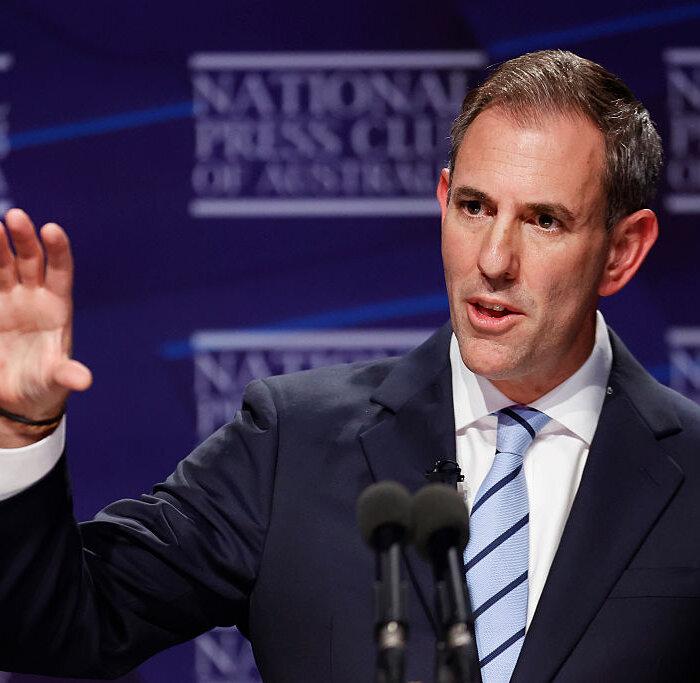
“Every time there’s tax reform, people say the sky will fall in, people say that it is disastrous. But typically what happens in time is people look back on big tax reform and wonder what all of the fuss is about. I’m confident that will happen again,” he said.
The legislation also introduces a $250 Working Australians Tax Offset (WATO) and a $1,000 standard deduction for work-related expenses.
“We’re making it easier for people, especially young people, to get a toehold in a difficult housing market,” he said. “It’s the most important part of the most ambitious tax reforms in more than a quarter of a century.”
As part of the deal, the government agreed to end an exemption that allowed self-managed superannuation funds to borrow money to invest in residential property and to delay a planned overhaul of the National Disability Insurance Scheme (NDIS) until at least August to allow the Greens additional time to seek more protections for people impacted by the proposed changes.
“It’s not unusual when you’re doing big tax reform like this that there'd be consultation and that there will be multiple pieces of legislation,” he said.
“If you think about tax reform under John Howard’s government, on a couple of occasions they had something like 30 different pieces of legislation. We were very upfront at budget time that there would be more consultation and ... there will be subsequent pieces of legislation to implement other parts of the tax reform package ... that’s not unusual.”