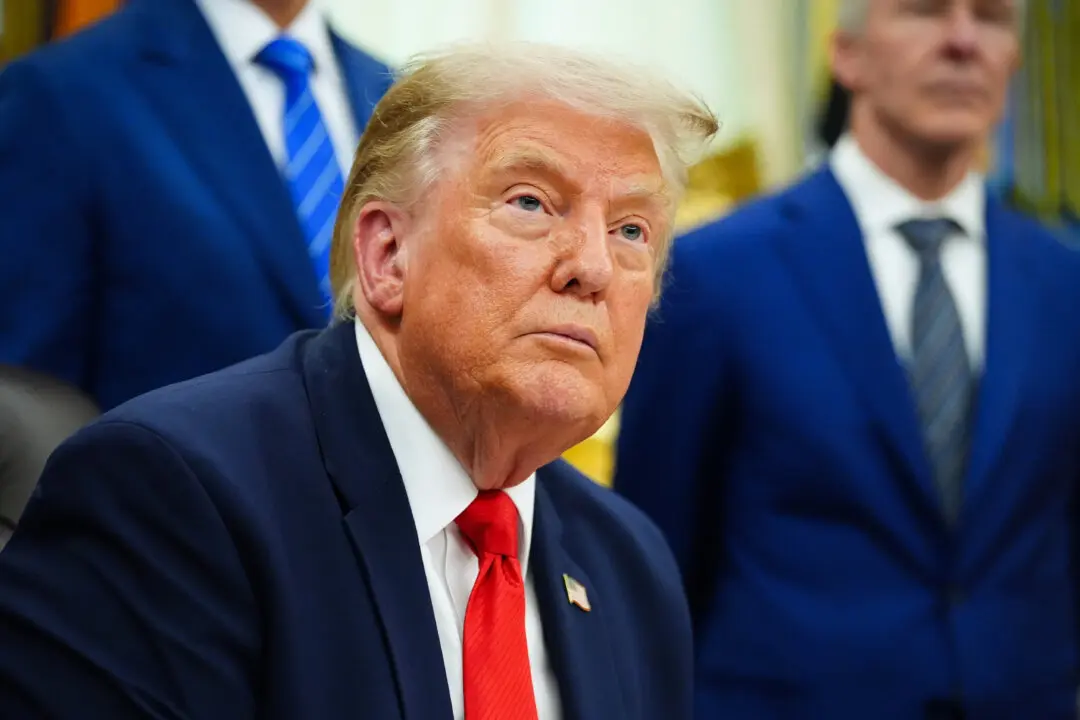
Taiwan’s Ministry of Foreign Affairs said on May 21 that Taiwanese President Lai Ching-te would be happy to speak with U.S. President Donald Trump, in what would be an unprecedented phone call between the leaders.
On May 15, the U.S. president, speaking from Air Force One, said he had to speak to the person “running Taiwan.”
Taiwan’s foreign ministry said on May 21, “In addition to being committed to maintaining the stable status quo in the Taiwan Strait, President Lai is also happy to discuss these matters with President Trump.”
The presidents of the United States and Taiwan have not spoken directly since U.S. President Jimmy Carter shifted diplomatic recognition from Taipei to Beijing in 1979.
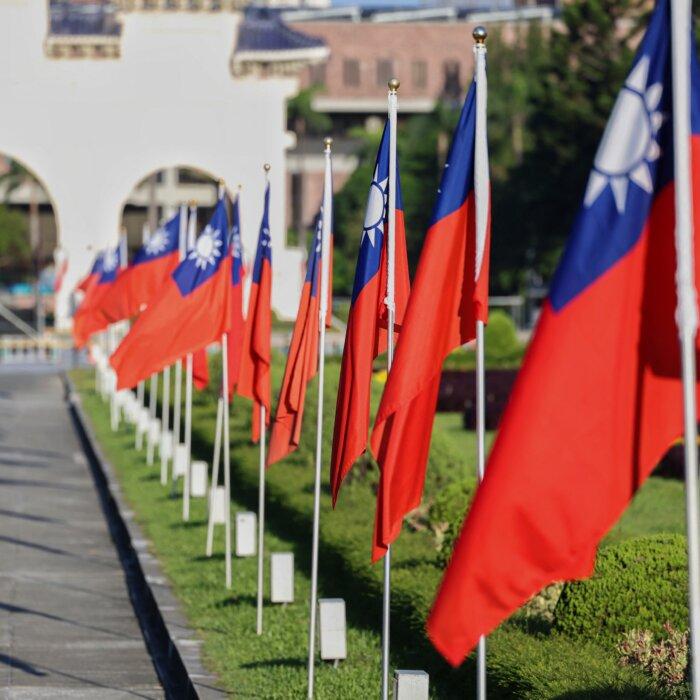
Beijing, formally the People’s Republic of China (PRC), claims that its younger regime is the rightful ruler of the Republic of China (ROC), or Taiwan, a self-ruled, liberal democratic island. It calls Taiwan a breakaway province, even though it has never governed the archipelago of 23 million people.
Conversations between U.S. and Taiwanese heads of state have been avoided as a self-imposed diplomatic practice rooted in the U.S. “One China” policy to maintain only unofficial relations with Taiwan.
Taiwan Not Seeking Independence
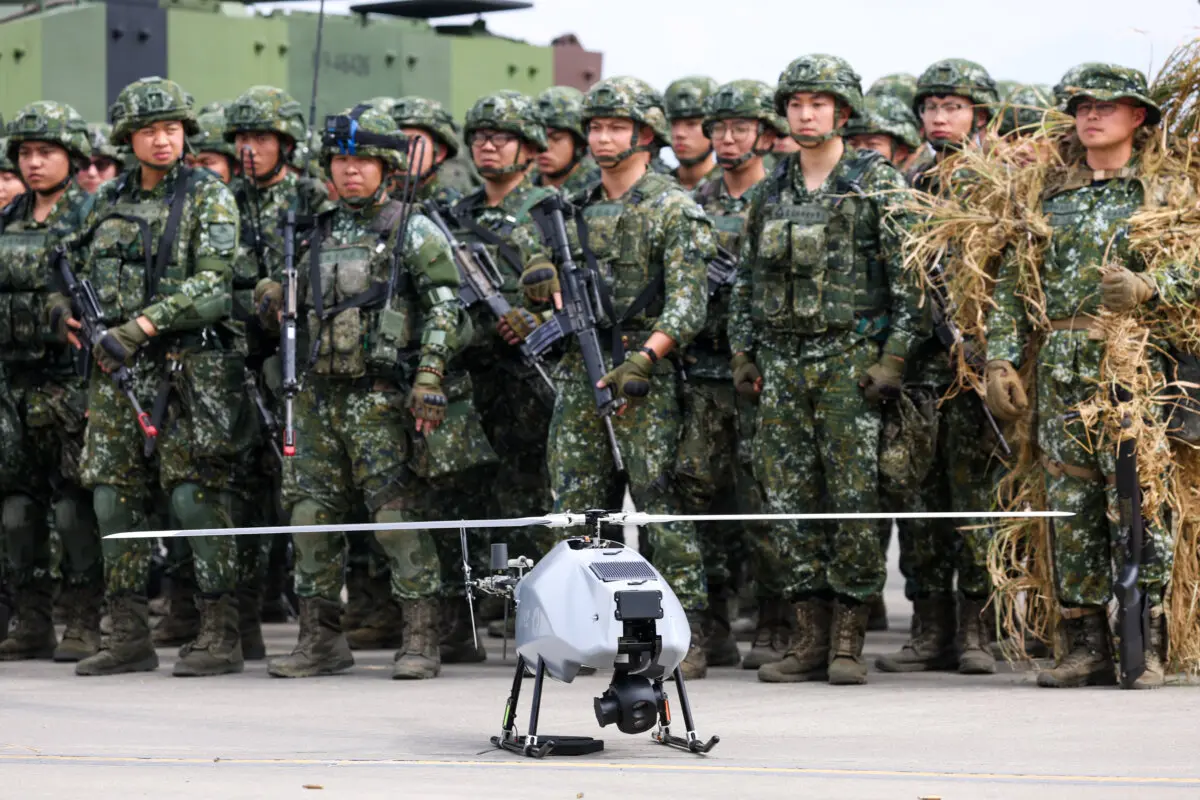
Since 2016, Taiwan’s ruling Democratic Progressive Party has formally stated that it is not seeking to declare independence from China in its foreign policy but is already a sovereign, independent country—the ROC—and seeks to maintain the cross-strait status quo.He stated that neither the ROC nor the PRC is subordinate to the other.
Lai also said that Taiwan will not provoke or escalate conflict but will not be pressured by the Chinese communist regime into giving up its “national sovereignty and dignity, and democratic and free way of life.”
‘Keep a Low Profile’
The secretary-general of the Taiwan National Security Council, Joseph Wu, told lawmakers on May 21 that the government will “keep a low profile” with regard to the possible talks until they are confirmed. He said that if there is any progress, it will be made public.“If these communications and dialogues can continue to be elevated to higher levels, and if we can maintain a dialogue that contributes to regional peace and stability, this would be of great significance not only to Taiwan but also to democratic nations and the Indo-Pacific region as a whole,” he said.
Addressing Trump’s use of the words “Taiwan problem,” which echoes communist China’s phrasing, Wu said that Taiwan was not the one causing the problems.
“China is creating all kinds of problems along the first island chain,” he said. “China is the problem.”
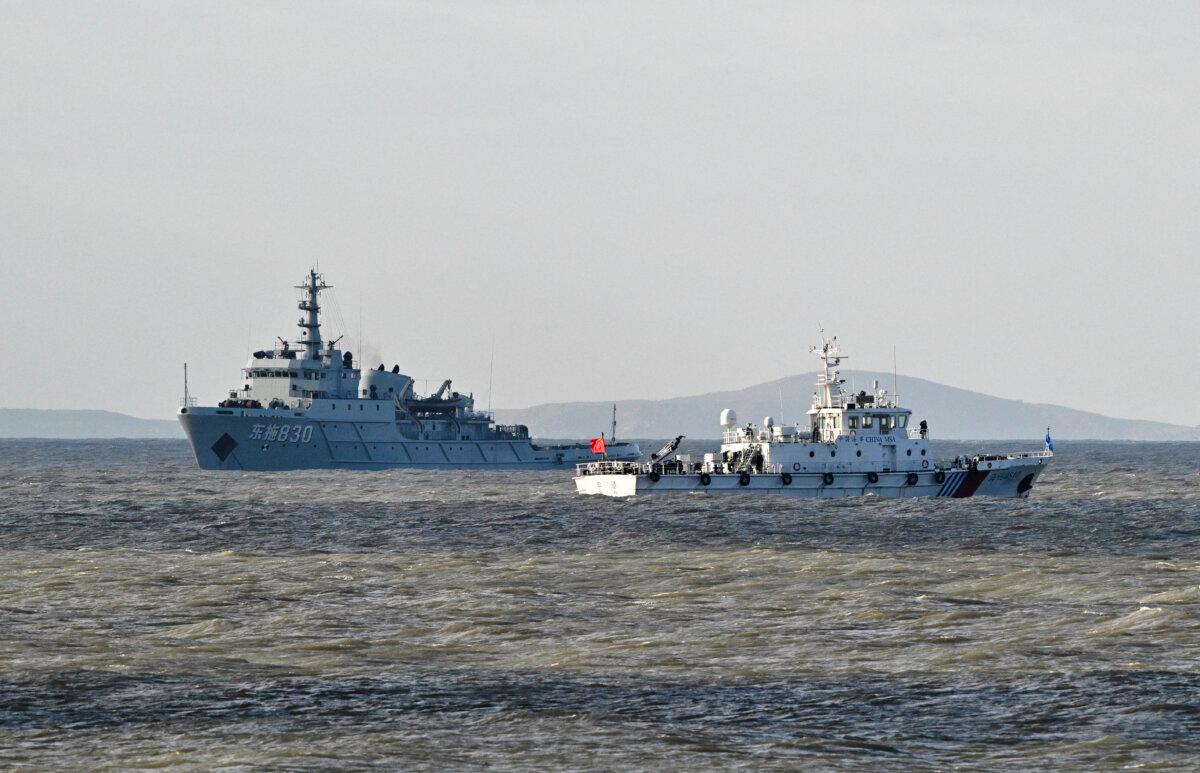
Lai on May 20 marked the second anniversary of his taking office. In a celebratory speech, he said that Taiwan remains committed to maintaining the current status quo of the ROC and PRC.
“Maintaining peace and stability across the strait and preventing external forces from altering the status quo are our national strategic goals,” he said.
Amid the growing tensions, Filipino President Ferdinand Marcos Jr. said on May 18 that the Philippines would have no choice but to get involved if a war were to break out over Taiwan.