South Korea’s parliament on Thursday approved a revision to the country’s martial law rules that bans any attempt to block lawmakers from entering the National Assembly.
The military and police are also prohibited from entering the National Assembly without approval from the speaker of parliament. The revision follows a crisis in December sparked by then-President Yoon Suk Yeol’s sudden declaration of military rule.
The revision of the Martial Law Act passed with 255 of the 259 members present voting in favor during a plenary session of the National Assembly, according to Korean media outlet Good Morning Chungcheong. The remaining four abstained.
That move sent Asia’s fourth-largest economy spiraling into months of political turmoil and led to the Constitutional Court eventually relieving him of the presidency in April. Yoon has denied the charges.
Lee Jae Myung replaced Yoon following a snap election in June.
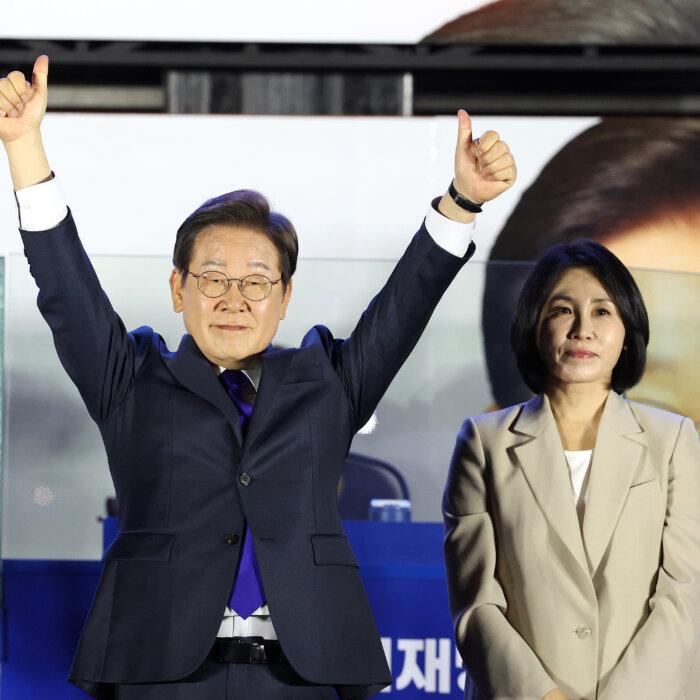
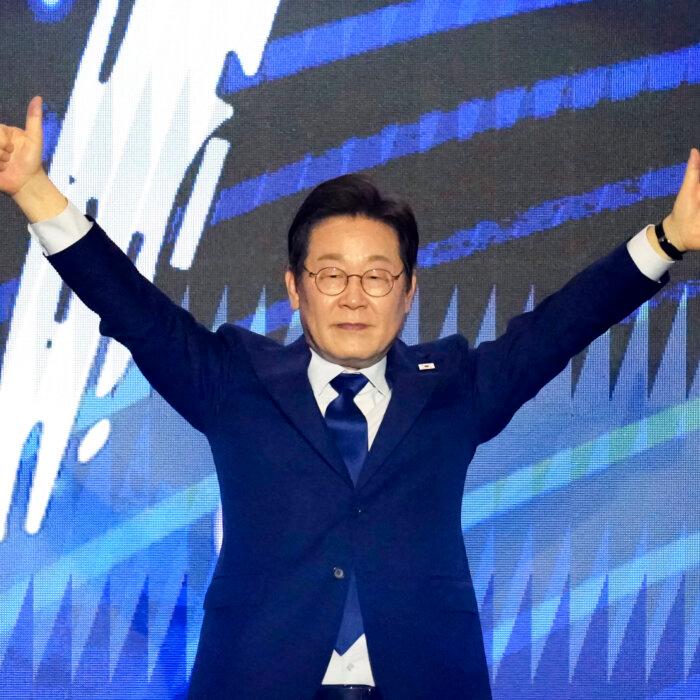
During his campaign to become president, Lee had promised to reform the rules due to the upheaval caused in December.
Yoon risked being detained on Tuesday after failing to show up for questioning by a special prosecutor investigating his December declaration of martial law.
Yoon said he didn’t attend because he needed to prepare for a hearing later this week in an ongoing case.
The special prosecutor has since ordered the former president to attend questioning on July 5.
Last month, Lee nominated a civilian for the post of defense minister, breaking with the decades-old tradition of appointing generals to the post.
Five-term Democratic Party lawmaker Ahn Gyu-baek is now almost certain to be the first civilian to hold the office since 1961.
30 Days in Charge
Along with a revision of martial law rules, Lee on Thursday also said he would implement a bold fiscal policy to boost the nation’s sluggish economy. In an address marking 30 days since taking office, he said his top priority was improving the lives of South Koreans.“At a time when the proactive and bold role of public finance is more important than ever, we moved faster than any previous administration to propose a supplementary budget worth 30.5 trillion won ($22.4 billion),” Lee said. “I look forward to the swift passage of the bill in the National Assembly to help spark economic recovery and revive domestic consumption.”
Lee also said he was striving to achieve a mutually beneficial outcome from trade negotiations with the United States.