The appointment of Greg Moriarty as Australia’s next ambassador to the United States, replacing Kevin Rudd, has not been without his sceptics.
A former chief of staff to Malcolm Turnbull, Moriarty was also Australia’s envoy to Iran and Indonesia, and has led the Defence Department since 2017.
He’s no stranger to conflict, having been the country’s first counter-terrorism coordinator, represented Australia in Papua New Guinea and been a negotiator with the peace monitoring group in Bougainville.
Both Prime Minister Anthony Albanese and Opposition Leader Sussan Ley praised Moriarty when the appointment was announced.
Albanese called him an “outstanding Australian public servant” and noted he'd made his choice only after having “engaged broadly in discussions about who the right person was.”
Ley called him “a safe pair of hands to advance Australia’s interest,” while one of her predecessors, Tony Abbott, called Moriarty’s skills as a chief of staff “saintly.”
Foreign Minister Penny Wong said he had “unsurpassed credentials across Australia’s international policy.”
His immediate predecessor, who will leave the post at the end of March, said in a statement that he was “delighted” by Moriarty’s appointment.“He is deeply familiar with AUKUS and will be a critical leader in driving AUKUS to implementation,” Kevin Rudd said. “This relationship could be in no better hands.”
But the 61-year-old’s appointment has divided outside observers.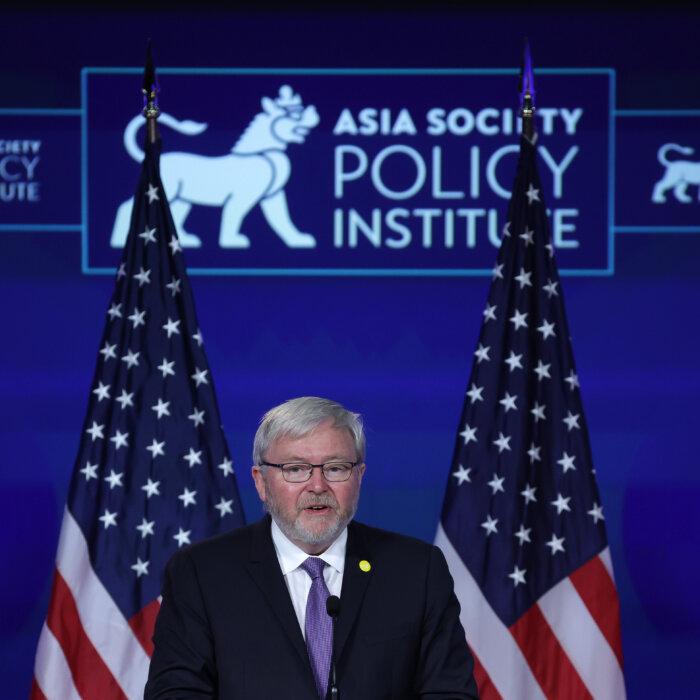
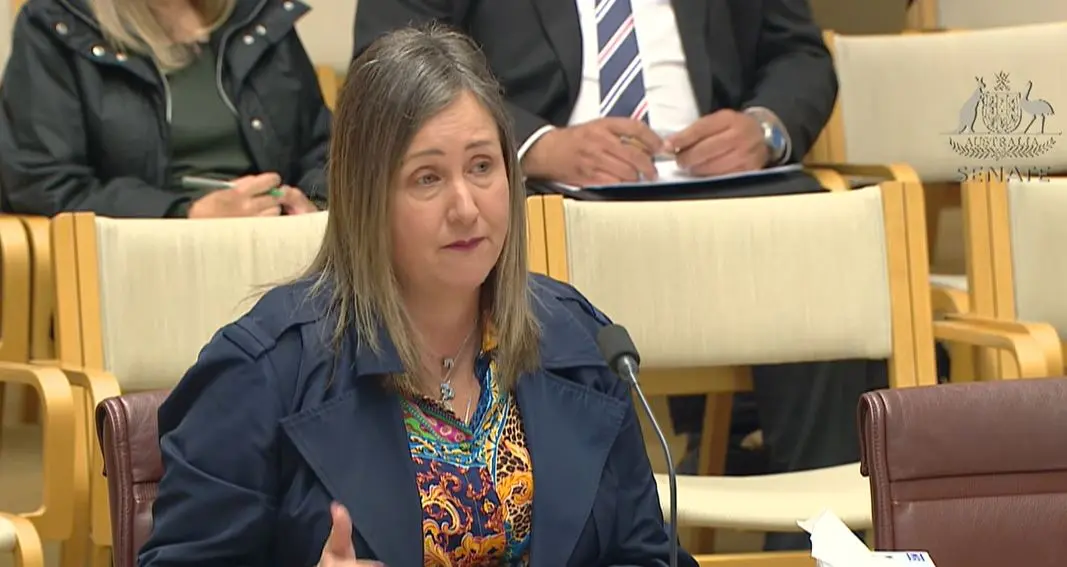
She was also one of 12 senior public servants who were found to have breached the code of conduct 97 times during their involvement in Robodebt by an Australian Public Service Commission taskforce.
Greens MP David Shoebridge, who‘d previously questioned Moriarty on the Hunter frigates, has also been blunt in his criticism, writing, “My favourite fail from Moriarty is the $45 billion Hunter Frigate scandal. Under him, Defence didn’t assess the project for value for money and ’lost' the records explaining why they chose the UK’s BAE to deliver it … but there are so many it’s hard to choose.”
The Australian National Audit Office found in 2023 that “Defence’s procurement process and related advisory processes lacked a value for money focus, and key records, including the rationale for the procurement approach, were not retained.
“Contract expenditure to date has not been effective in delivering on project milestones, and the project is experiencing an 18-month delay and additional costs ...”