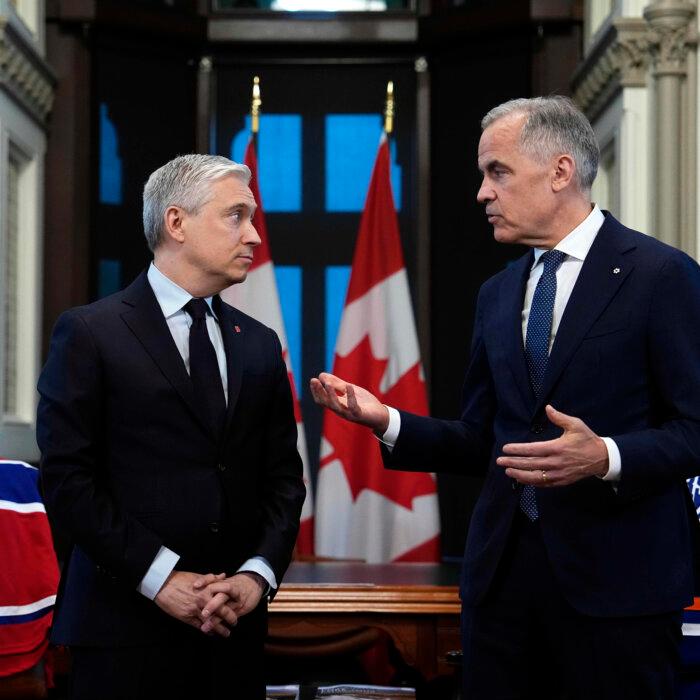
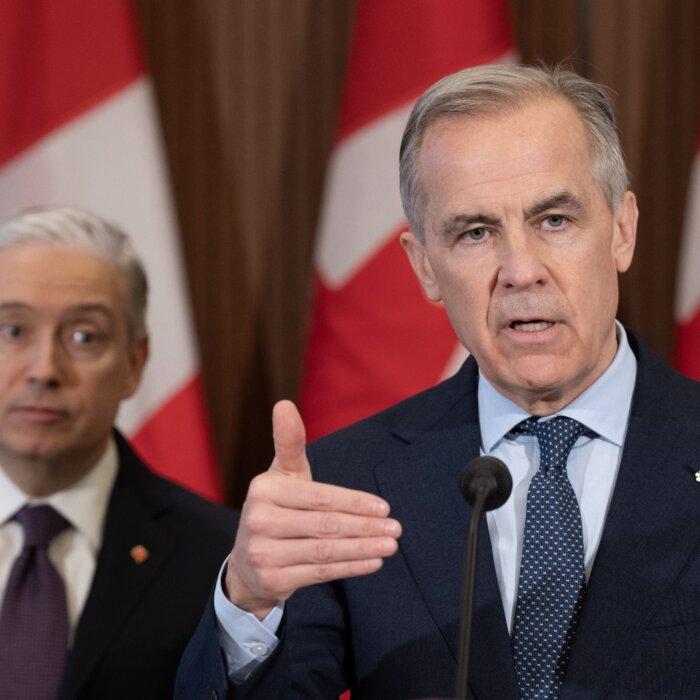
On April 28, Finance Minister François-Philippe Champagne presented the fiscal update, a mini-budget outlining Canada’s fiscal health and projecting tens of billions in new spending.
With the focus on top-line numbers, such as the deficit for the previous fiscal year coming in at $66.9 billion—$11.4 billion lower than projected last fall—other details attracted less attention.
The fiscal update lists 11 non-tax-related legislative measures that the now-majority Liberal government will be able to pass in Parliament.
Some could impact privacy rights, including one giving the police new powers to open mail.
This marks the second attempt by the Liberal government to amend the Canada Post Corporation Act to facilitate the inspection of mail.
Bill C-2 was split in two to speed up the adoption of measures on border security and immigration, which became law in March through Bill C-12.
Details are few about what changes the government will make to the act, given the related bill has not been tabled yet. The fiscal update notes that Ottawa will propose to amend the act to “enable law enforcement to lawfully search and seize mail as authorised under an Act of Parliament.”
Air Travel
Budget 2025, released last November, indicated Ottawa is considering reforming airport governance. This week’s fiscal update provides additional details.The federal government is seeking access to airport data to conduct its evaluation of airport reforms.
The update says Ottawa wants to amend the Canada Transportation Act to give the minister of transport the power to require that airport operators and associated third parties provide “any information necessary for the development and administration of transportation policy.”
There is no further detail on what kind of information would fall under the legislation.
The update says responsibilities to handle the complaints will be transferred to the minister of transport through an amendment to the Canada Transportation Act. The update adds the plan is to have a neutral third-party entity involved in the resolution of air passenger complaints.
Regulatory Sandboxes
The Carney government tabled its first budget and related implementation bill when it had minority government status, and accepted in February a Tory amendment to its plan to create “regulatory sandboxes.”The initial plan proposed by the Liberals granted ministers the ability to temporarily exempt individuals and businesses from any Canadian law but the Criminal Code, in a bid to spur innovation.
In the spring economic update, the government says it will add the Official Languages Act to the list of exempted statutes.
Other measures include banning cryptocurrency ATMs, establishing the Defence Investment Agency as a departmental agency headed by a minister, and reducing the base Canada Pension Plan contribution rate from 9.9 percent to 9.5 percent.
The government will also change the mandates of the Canadian Food Inspection Agency and of the Pest Management Regulatory Agency to include consideration of food security and cost of food. Ottawa is currently developing a National Food Security Strategy to bolster domestic food production.
The bill to implement measures contained in the fiscal update has yet to be tabled. The government tabled a motion on April 29 to announce its imminent introduction.