A bid by the Canadian arm of PetroChina Ltd. to take full ownership of Alberta’s Grand Rapids Pipeline is facing various legal and regulatory obstacles.
The Chinese-owned corporation currently owns about half of the 460-kilometre pipeline that transports oil from the oil sands in and around Fort McMurray, Alta., to the Edmonton area, and is seeking to buy the remaining stake from Calgary-based South Bow Corporation.
PetroChina attempted to buy out South Bow’s share in November 2025 via a purchase option in their shared agreement that came with a 30-day deadline. This did not allow time for legally required government approvals under the Competition Act and Investment Canada Act to go through.
On Nov. 24, South Bow declined to extend the 30-day time period or wait further for the regulatory approvals to go through, meaning the deal could not be finalized. PetroChina triggered a dispute resolution process since it could not get the required approvals by Dec. 24, 2025, and also sought an injunction from the court that would stop the option from expiring as arbitration continued.
Mah said that PetroChina had not demonstrated why it would suffer irreparable harm if the option expired and said the option could later be restored by the arbitration panel if it agrees with PetroChina.
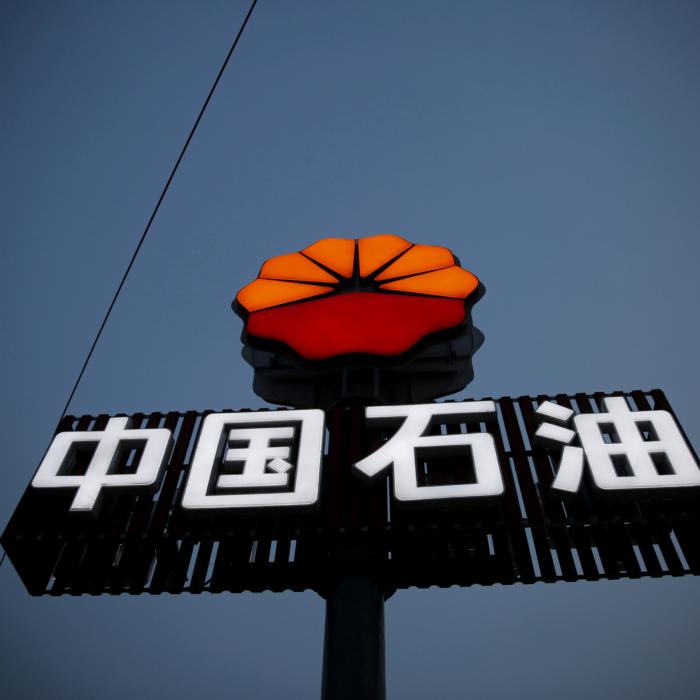

Concerns over Chinese state-owned enterprises have been raised by various Western nations, officials, and private sector entities, who cite national security risks, unfair competition, and data security issues, noting Chinese state-backed corporations are mandated by national security laws to hand data over to Beijing when required for intelligence work.
PetroChina has also faced past controversies including corruption scandals with executives such as former chairman Wang Yilin jailed for bribery, accusations of disrupting oil markets and tax evasion, and U.S. fines for misreporting exports. Other issues involve environmental concerns linked to projects in Myanmar, and a fallout with auditor PwC after the Evergrande scandal.
PetroChina partnered with TransCanada Corporation, now TC Energy Corp., in 2012 to construct the Grand Rapids Pipeline, which has been operational since 2017, and cost an estimated $3 billion to build. TC Energy Corp. shifted its oil pipeline assets into South Bow in late 2024. The current value of the pipeline was not listed in court documents.
The Canadian Press contributed to this report.