The Parti Québécois Parti Québécois said it would opt out of the federal high-speed rail project if it forms government after the October election, citing the project’s high costs and other funding priorities.
Parti Québécois Leader Paul St-Pierre-Plamondon said the billions of dollars projected to be spent on the project should instead go to fixing infrastructure and funding other priorities such as health care, education, and safety.
The PQ said the cost could balloon to $200 billion, based on an unofficial projection by the federal Bloc Québécois. Based on this projection, the PQ said Quebec’s stake in the project could be worth $40 billion.
These are “colossal sums that Quebecers would have to pay for decades,” St-Pierre-Plamondon said.
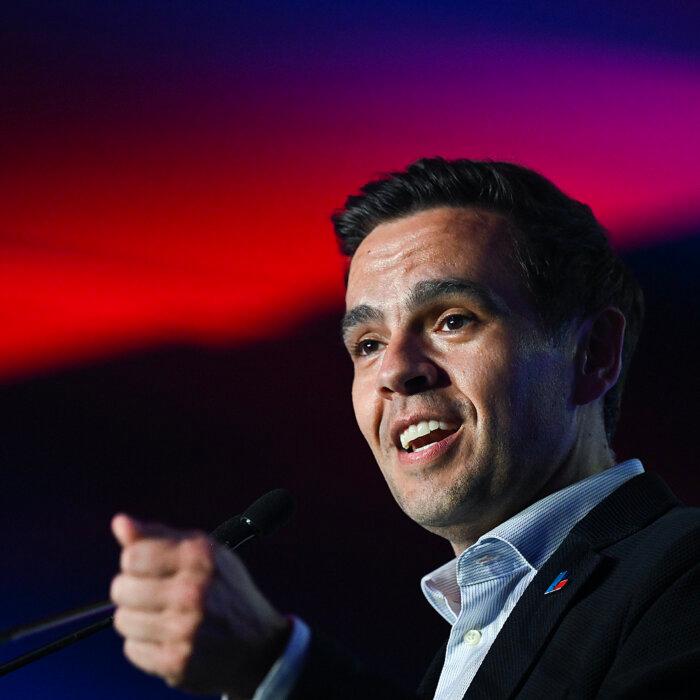
The PQ leader said these funds could instead be used to renovate “nearly all of our aging infrastructure” such as roads, schools, hospitals, and public transit systems.
“In short, we have neither the luxury nor the interest in treating ourselves to a train that could cost up to $200 billion, whose primary goal is to fulfill the federal Liberal government’s desire for ‘nation building’ and strengthening Canadian unity,” he said.
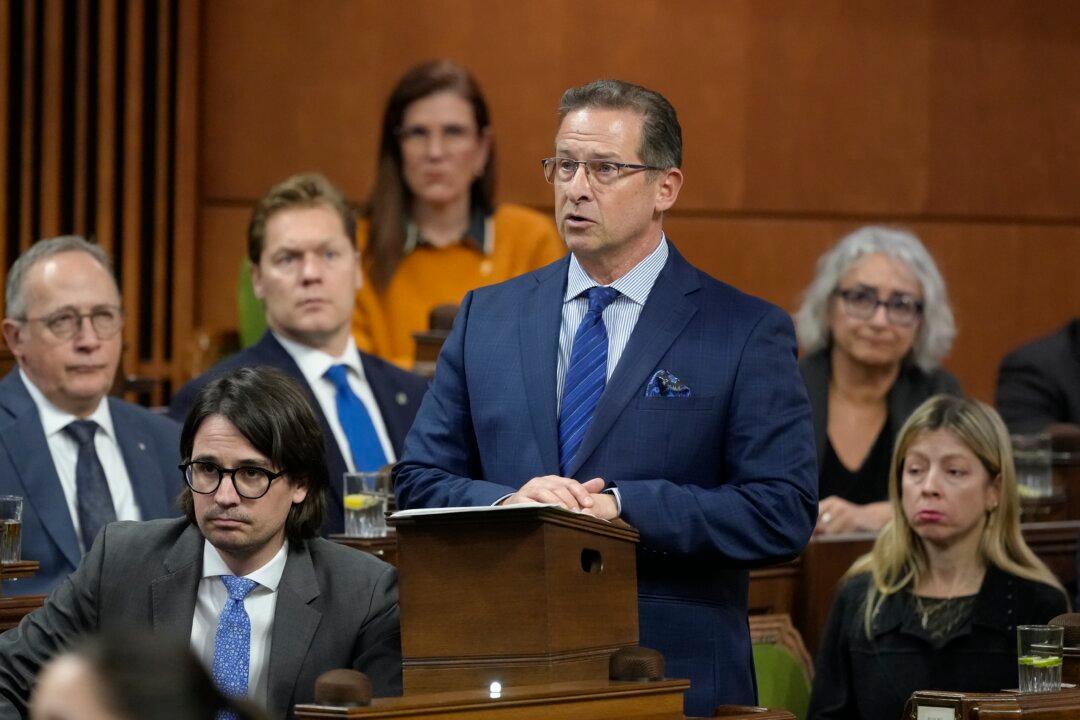
The Alto project was raised by Conservative Leader Pierre Poilievre during question period in Parliament on June 9, where he argued it would destroy Quebec farms and cost each Canadian family $4,000.
“Why is the prime minister sacrificing regions of Quebec for another Liberal white elephant,” he said.
Prime Minister Mark Carney said that Quebec voted for a Liberal government in the last election, and for its platform, which included building a high speed rail.
“We have to be for great projects on a national scale,” he said. “This will be the biggest infrastructure project in Canada’s history.”
The office says the new train would travel at speeds of up to 300 kilometres per hour and cut travelling times in half. Ottawa says the project will spur economic growth to the tune of a 1.1 percent increase of GDP per year while creating up to 51,000 jobs over 10 years.
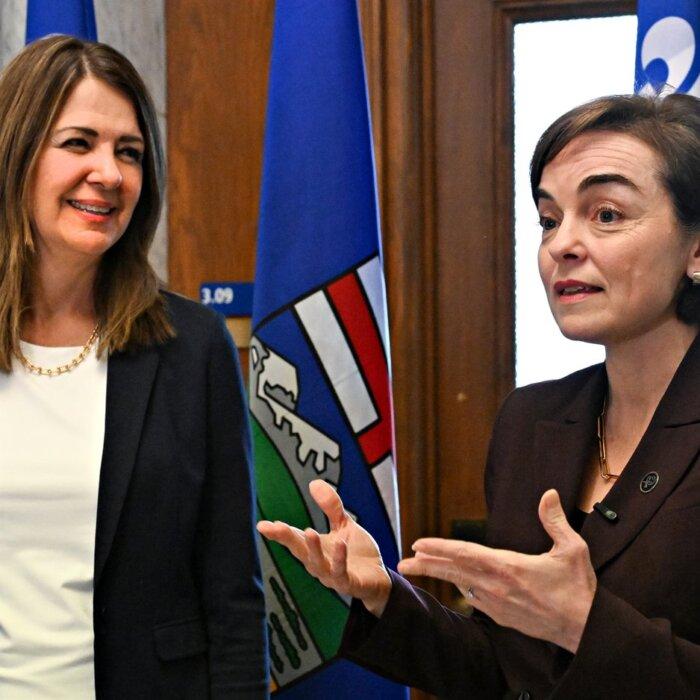
In response to the PQ announcement, federal Industry Minister Mélanie Joly said Quebecers are frustrated that countries such as France already have high-speed rail systems, while Quebec does not.
“In a modern Quebec, in a modern Canada, we’re able to build great things, we’re able to have high-speed rail, and we’re able to link Quebec’s four most populous cities through high-speed rail,” she said before a cabinet meeting on June 9.
Transport Minister Steven MacKinnon also commented on the issue before the cabinet meeting, saying, “Let’s be clear, there’s no Alto project without Quebec.”