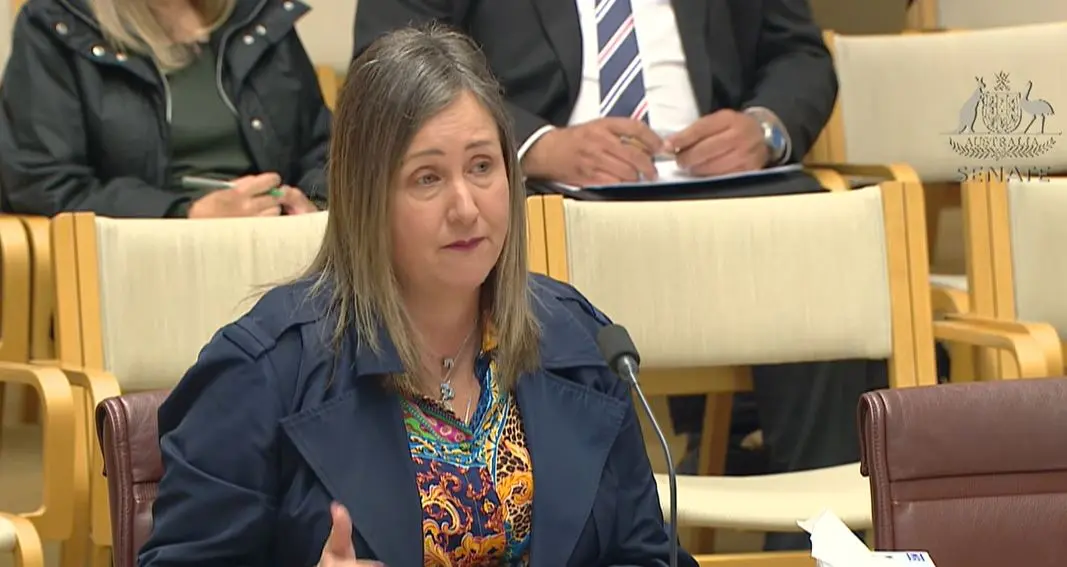
The newly elected Solomon Islands Prime Minister Matthew Wale wants to “reset” relations with Australia, which were strained under his predecessors amid concerns of Beijing ties.
Wale faced questions about the 2022 security deal inked between former Prime Minister Manasseh Sogavare and the Chinese Communist Party (CCP) that would allow Beijing to station troops, weapons, and naval ships in the country.
The issues raised consternation from defence experts given the Solomons are located just 2,000 kilometres (1,240 miles) north-east of Australia.
Speaking at a joint press conference with Australian Prime Minister Anthony Albanese, Wale said he had not seen details of the deal until just visiting Australia.
“I have had to remove certain people from key positions. I have not been afforded a copy, even, of that agreement, until a day before I left, so I have not had a good look at it,” he told reporters on June 3.
“I’ve been praying and fasting about it, but of course, the Cabinet will need to have a look at these things. There is a non-disclosure clause in it, so I couldn’t show it to you right away, but we are going to be reviewing it, as we are reviewing other security agreements that we have with many other countries.”
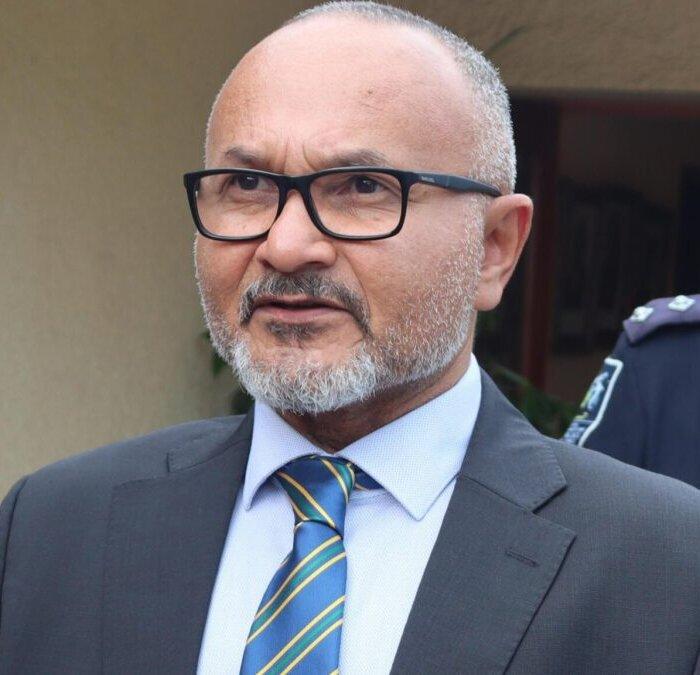
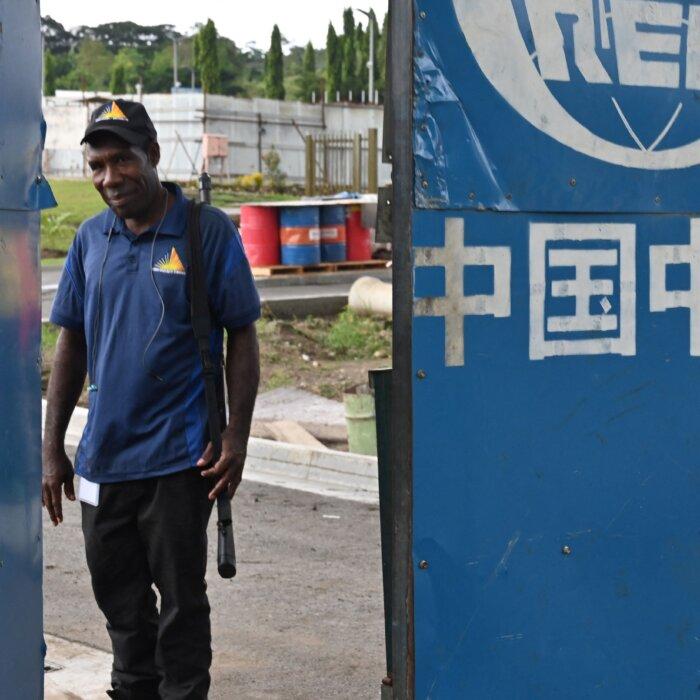
On the Solomon Islands exposure to Chinese banks—which have doubled investment in local infrastructure—Wale said they would be “looking to Australia ... perhaps [to] give us some good rates so we can build critical infrastructure and have sovereign control over them.”
This framework enables the United States to mobilise private capital, to offer debt, equity, investment insurance, and project guarantees to support sustainable economic development.
That is in contrast to the Solomon Islands under Sogavare, who rejected U.S. offers of infrastructure grants.
Wale acknowledged that the relationship between Australia and the Solomon Islands had experienced “bumps here and there.”
Hopes for ‘Comprehensive Strategic’ Partnership
Albanese indicated that the two nations were considering a “comprehensive” treaty “underpinned by mutual trust, respect, and open dialogue.” It is likely to follow the model of the recent groundbreaking agreement signed with Papua New Guinea.Australia would immediately provide $35 million ($25 million) to assist Solomon Islands with the response to Tropical Cyclone Maila and the impacts of global energy shocks, Albanese said.
The leaders also agreed to progress a major police training deal.
“We have said very clearly we want Australia to be the security partner of choice in our region and we want the Pacific family to look after our security in this region,” Albanese said.
Australia’s offer to fund the expansion of the Solomon Islands’ police force had stalled under the former Manele government, which allowed Chinese police to enter villages and collect biometric and household data.
Wale said he sought to “elevate our relationship to a comprehensive strategic one where both sides will benefit by having trust in each other’s decision-making. And that will be good also for the region.
“It will be important in such a treaty, both at the bilateral level, but perhaps also at some stage at the regional level, that the first reference point in these matters is within the region. That, I think, is very important going forward. So, that’s the direction we want to take.”
“If Australia had not been told about that [agreement], if it wasn’t leaked, right now we'd have PLA troops in the streets on the island, and I’m not exaggerating,” Johnstone said.