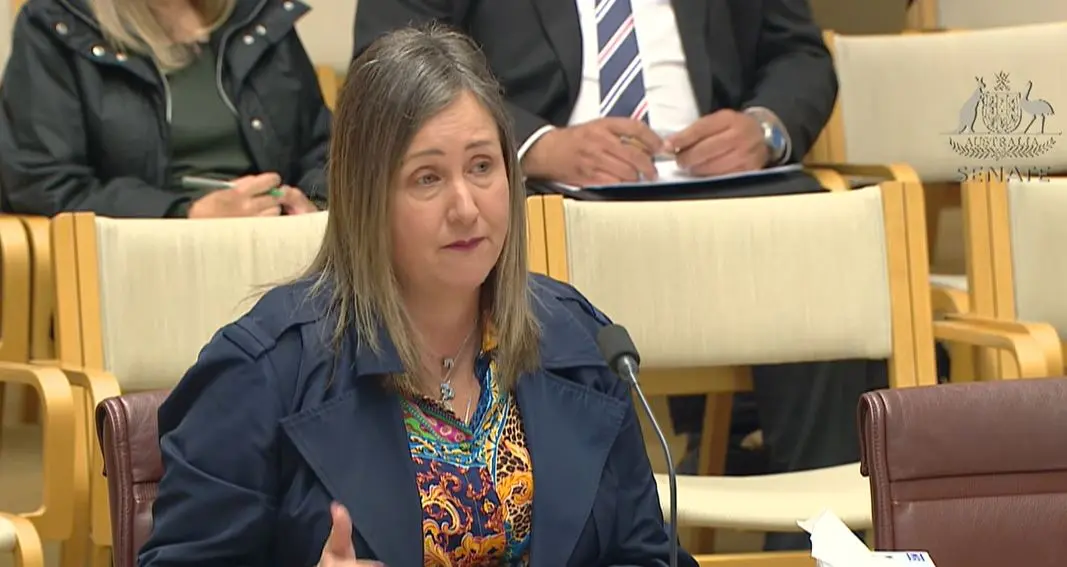
A majority of Australians still believe in democracy, but among younger people, support is waning, driven by distrust in institutions.
That’s the finding of a survey conducted by the Australian National University (ANU) to establish a benchmark against which future changes in attitudes can be measured.
“Polling between October 2024 and December 2025 found that between about 66 percent and 75 percent of Australians are satisfied with the way democracy is working,” said Biddle, the head of ANU’s School of Politics and International Relations.
After the May 2025 federal election, the proportion of Australians who agreed or strongly agreed with the proposition that “democracy is always preferable to other forms of government” fell to 66.9 percent.
“This leaves almost one-third of Australians who are either ambivalent towards democracy, or sceptical of its benefits,’’ he said.
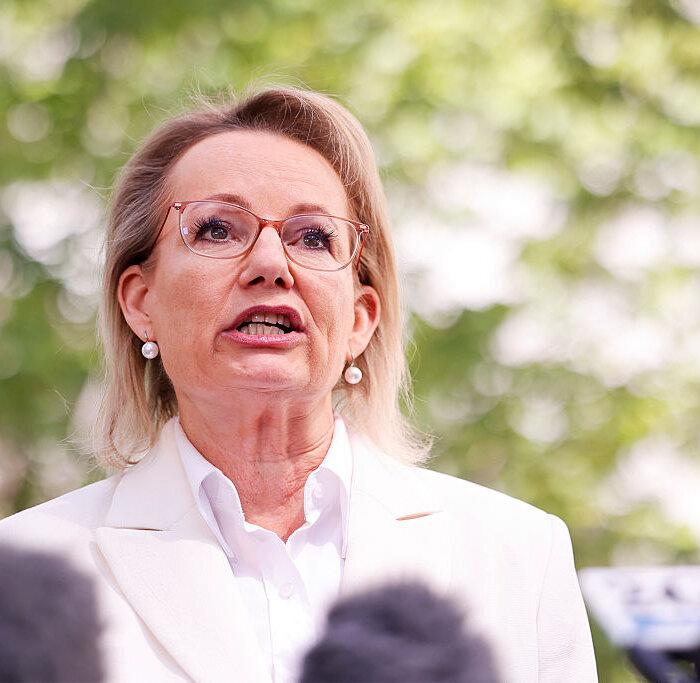

The level of support also declines as respondents get younger, with age now one of the key predictors of support for democracy.
Among baby boomers aged 65 to 74, 80.8 supported democracy. That rises to 89.1 percent for those over 75.
Higher Education Means Higher Support
Within that cohort of young people, education level is a key determinant: support for democracy is at 62.9 percent among those aged 18 to 34 with a university degree, but that plummets to just 22 percent for those who had not completed Year 12 or had some other type of post-school qualification.“Older Australians may have more individual memories of Australia’s interaction with non-democratic regimes, and may also have lived through periods when outcomes in democracies were far superior to those in non-democratic regimes,” said Gray, director of the ANU Centre for Social Policy Research.
Sex differences are also evident. Womens reported lower levels of support for democracy (63.1 percent) than men (70.7 percent).
Whether people lived in cities, the suburbs or rural and remote parts of the country didn’t affect the results. Nor did migration status, with support among immigrants similar to that expressed by those born in Australia.
Religion, however, was a predictor: three-quarters of people who said they belonged to a church of some kind supported democracy, while just 63.2 percent of those with no religion held the same view.
Financial stress had a modest association: people who were short of money were less likely to be satisfied with how democracy is working.
But it’s not just people’s personal situation that affects their view; there is a strong relationship between a person’s perception of the fairness of the income distribution and their satisfaction with democracy. Among those who believe the income distribution is fair or very fair, 77.9 percent reported being satisfied with democracy, but this figure falls to 58.7 percent for those who believe it is unfair or very unfair.
“For the Royal Commission, these findings imply that social cohesion and support for democracy is sustained through material inclusion and perceived fairness,” Biddle said.
“All our political institutions need to pay close attention to structural and attitudinal conditions that weaken democratic legitimacy, such as educational stratification, persistent financial stress, declining trust in political institutions, and pessimism about social mobility.”