NATO allies announced major arms contracts ahead of a summit with U.S. President Donald Trump in a push to meet defense spending targets, NATO Secretary-General Mark Rutte said on July 6.
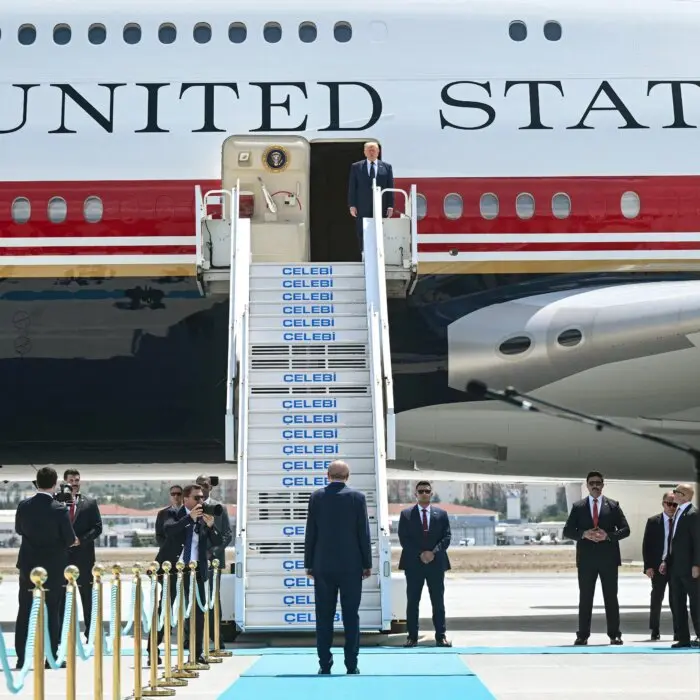
The deals were unveiled during a defense industry forum in Ankara, Turkey, on July 7, ahead of a two-day summit that Trump is expected to attend later that evening.
“We can do more when we do it together. And we must do more of it,” Rutte said at the forum. “NATO allies are joining new multinational procurement coalitions. This really helps us get more of what you need across a range of capabilities.”
The arms deals include purchases of surveillance drones from American company Northrop Grumman by European countries and NATO’s planned acquisition of aircraft from Swedish aerospace company Saab.
Rutte also announced plans for NATO allies to invest more than $40 billion over the next five years to bolster their counter-drone capabilities.
Before the forum, Rutte said in a July 6 statement that the deals are intended to “provide the crucial kit we need to deter and defend.”
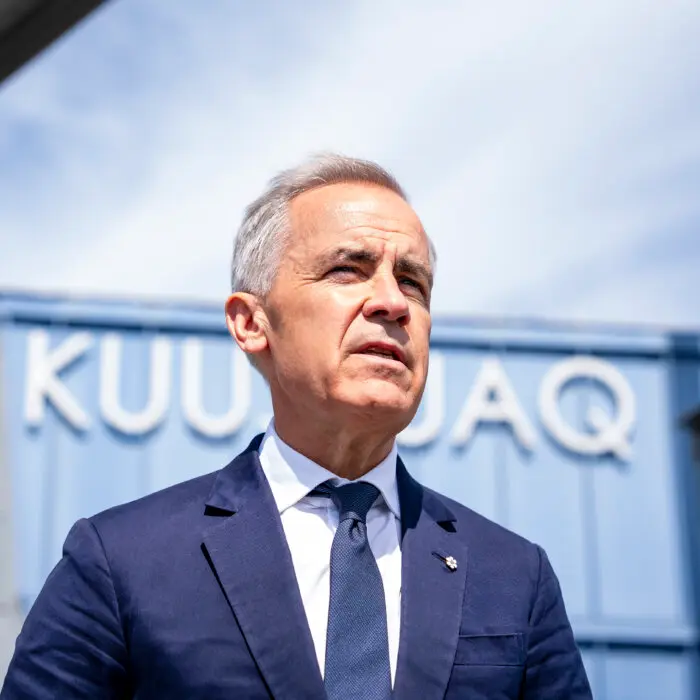
He noted that European allies and Canada have made progress over the past year by investing roughly 4 percent of their gross domestic product (GDP) in defense and security. Rutte added that NATO members will also reaffirm their support for Ukraine during the summit.
“Allies and NATO partners must continue to ensure Ukraine gets what it needs,” Rutte said. “And let me be clear, all allies need to pull their weight, so that our support to Ukraine continues to flow. Because Ukraine’s security is so closely linked with our own.”
Leaders from the 32 NATO member states are expected to gather for the summit, hosted by Turkish President Recep Tayyip Erdogan, to review progress on the alliance’s defense spending commitments and burden-sharing goals.
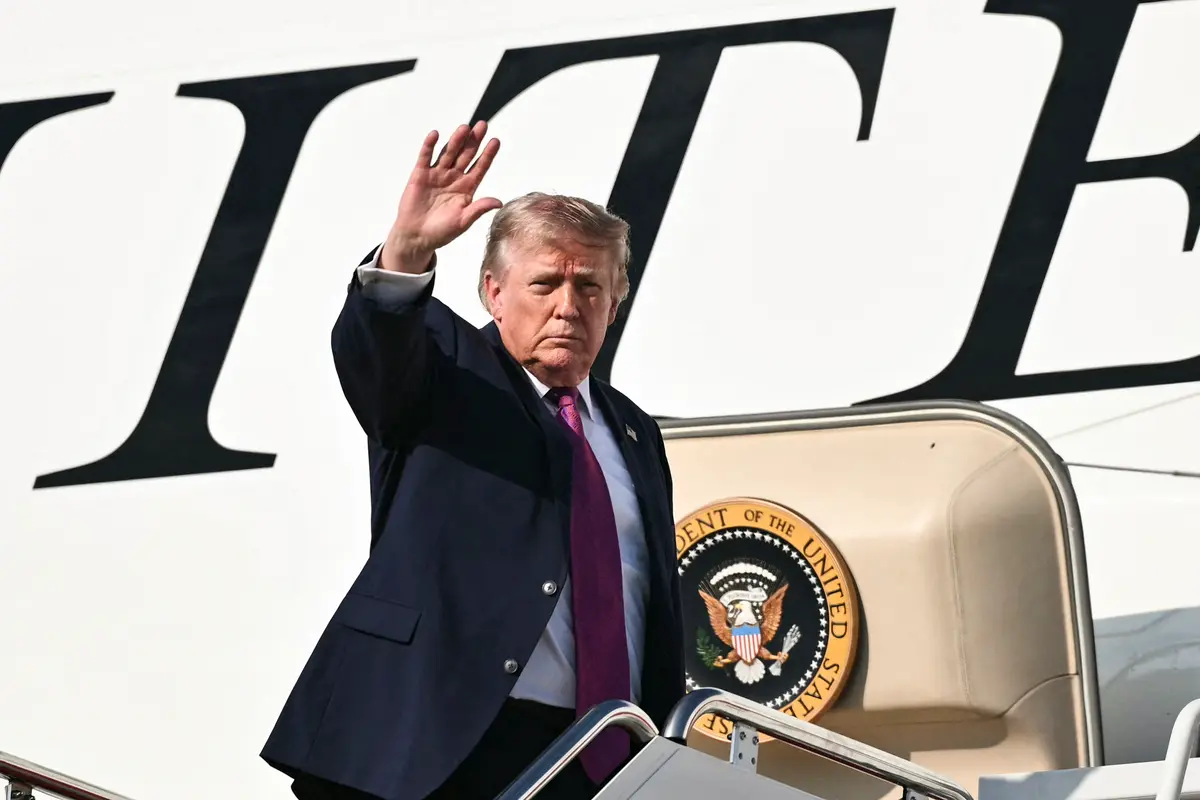
He is expected to meet with Erdogan upon arrival before joining the NATO leaders’ social dinner on July 7, according to the White House spokesperson Anna Kelly.
NATO allies agreed last year to increase their defense spending targets to 5 percent of GDP.