More than 50 percent of Ontario physicians are eyeing retirement within the next five years, according to a recently released survey that highlights the challenges confronting the province’s health-care system as doctors approach retirement age.
The findings are raising concern about the future of health-care delivery in the province and emphasizes the need for strategies to address the impending shortage of medical professionals, OMA president Dr. Zainab Abdurrahman says.
Abdurrahman said the number of primary care physicians considering retirement has shot up since last year.
She said news that 52 percent of primary care physicians are on the brink of retirement is concerning considering the shortage of family doctors in the province.
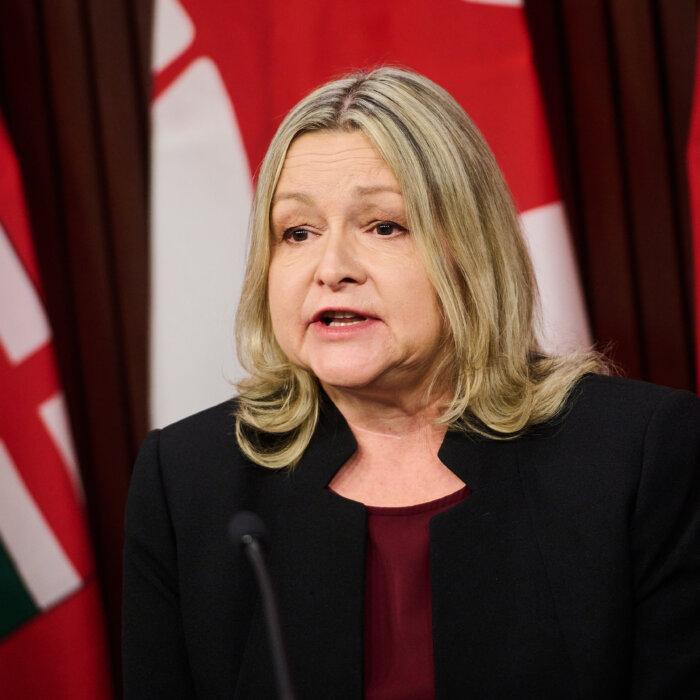
“This shows that the number of family doctors planning to retire continues to grow, and without enough new physicians entering family medicine, the shortage will only continue at the same time, the number of new family doctors coming into the system is not enough to fill this gap,” she said.
Abdurrahman pointed to a new survey with the Ontario Medical Students Association that found only 42 percent of medical students are looking at family medicine as a career. And just 50 percent reported an interest in comprehensive family medicine, the “cradle-to-grave” care that is a “cornerstone” of Ontario’s health-care system, she said.
Toll of Doctor Shortage
Abdurrahman referenced the report delivered last week by Ontario Auditor General Shelley Spence which says Ontario’s plans to expand access to family medicine has fallen behind.The report revealed limited family doctor participation in the province’s Health Care Connect system, which Spence said is vital for Ontario to meet its objective of connecting every resident to primary care.
Spence also said just 7 percent of family physicians operating under a payment model that requires them to formally enrol patients were willing to accept patients from the Health Care Connect waiting list.
Abdurrahman noted another observation by Spence that family medicine training is also behind schedule because the government did not properly assess the number of necessary teaching sites.
The auditor general found that the government’s plan to introduce 340 additional undergraduate and 551 postgraduate medical school seats, concentrating on family medicine, was based on a miscalculation regarding the number of people who do not have a primary care provider.
Spence said the province also ignored warnings from the heads of existing medical schools regarding the insufficient number of family medicine clinics available to train medical residents. The result, she said, was implementing 44 percent fewer family medicine positions by the conclusion of this academic year than initially intended.
A family doctor shortage has a snowball-type effect on the health-care system, Abdurrahman said. Without access to primary care, patients’ minor issues can escalate into serious conditions, making emergency departments the default entry point into the system.
“This is not sustainable for patients, physicians, or the health-care system,” Abdurrahman said. “The data we’re releasing today reinforces what physicians across Ontario have been saying for years, primary care is the backbone of our health care system, and if we do not stabilize and strengthen family medicine, every other part of the system will continue to feel the strain.”
Health Minister Sylvia Jones was not immediately available for comment about the report, but has previously said the government is on-track to connect all Ontarians to a primary care giver.
Student Survey
The OMA doctor survey was carried out online in early October. A total of 540 doctors took part, including 267 who were in primary care, while the remainder were specialists.Twenty-two percent of the remaining respondents expressed neutrality towards the discipline, while 21 percent indicated they were “unlikely” to pursue it, and 15 percent said they were “very unlikely” to do so.
The students were next asked about their primary reasons for not selecting family practice. Thirty-nine percent cited inadequate pay as a leading factor, while 31 percent pointed to administrative responsibilities. Lack of interest, resources, support, as well as respect and recognition, were also significant deterrents.
Nearly 40 percent either “agreed” or “strongly agreed” that family medicine is a backup specialty. A considerable portion of the students surveyed expressed a preference for more specialized forms of practice, leadership positions like hospital administration, or research opportunities.