Ontario has introduced new auto insurance guidelines that enable drivers to save on premiums, but some experts say the changes could lead to inadequate coverage when drivers need it most.
Sweeping changes to auto insurance mean nine accident benefits that were previously standard became optional as of July 1. Drivers who opt out could save about $100 a year in premiums.
Optional and Mandatory Coverage
You will not receive coverage for the following circumstances after an automobile accident unless you opt to pay for them:- Income replacement: Replaces a portion of lost wages if an injury prevents you from working.
- Caregiver benefits: Covers caregiving expenses if you can no longer care for a dependent.
- Housekeeping and home maintenance: Pays for household help if you are injured.
- Death and funeral benefits: Provides compensation and covers funeral costs for family members.
- Non-earner benefits: Support for students and retirees unable to carry on normal life.
- Medical and rehabilitation benefits: Covers necessary treatment and therapies.
- Attendant care benefits: Assistance with daily personal care needs after an injury.
Ontario’s New Rules
The changes follow a 2022 report by the province’s auditor general that said Ontarians were paying the highest auto insurance rates in Canada.The report found the average premium increased by nearly 14 percent to $1,642 between 2017 and 2021, or double the rate of inflation.
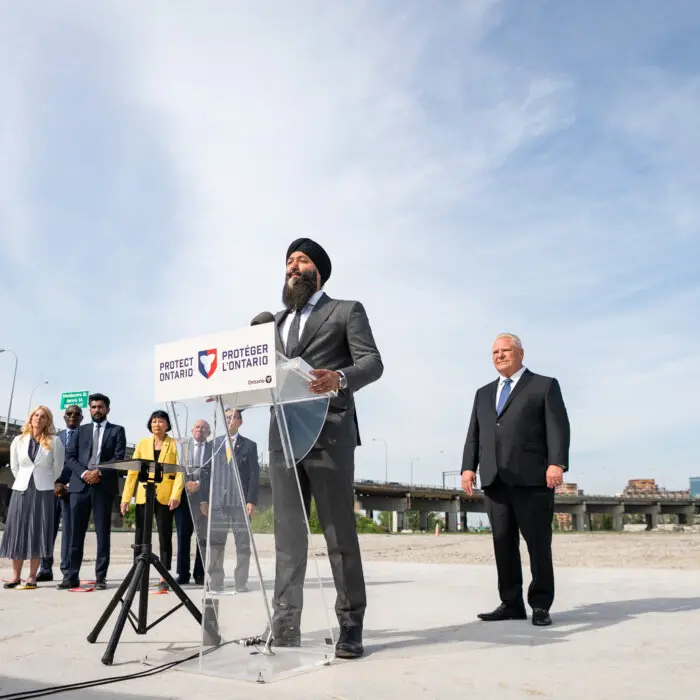
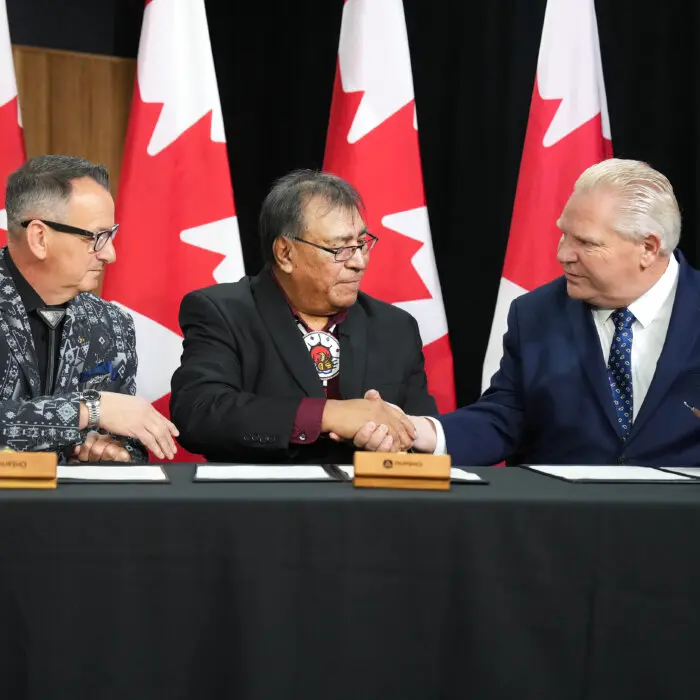
Premier Doug Ford promised in his 2022 election campaign to address auto insurance rates by offering consumers more flexibility when purchasing policies. The customizable policy options were introduced as part of the 2024 Ontario spring budget and took effect on July 1.
The province described the rule change as a way to “give drivers more choice and convenience” when buying auto insurance.
Benefits and Risks
Ratehub.ca vice-president of RH Insurance Morgan Roberts warns the changes could fuel an underinsurance crisis. The change will likely lower premiums by roughly $8 per month, but drivers risk out-of-pocket costs after major accidents, he said.“Ontario drivers are gaining more flexibility under the new reforms, but more choice also means more responsibility,” Roberts said in a press release. “The premium reduction from removing optional benefits is relatively small, roughly the cost of a couple of coffees each month, but the financial consequences of being underinsured after a major accident could be significant.”
“In some cases, your private insurance plan may have stricter eligibility rules or lower benefit amounts than Ontario auto accident benefits, putting you at risk of financial strain,” Ratehub.ca says. “Ontario drivers without employer benefits, such as lower-income workers and self-employed individuals, are at even greater risk if they do not have private insurance to fall back on.”
Optional accident benefits cover the individual named in the auto insurance policy, along with their spouse, dependents, and any other designated drivers. Others will no longer receive automatic protection.
“A child passenger who is not covered under a household auto policy may no longer qualify for optional accident benefits under the driver’s policy after July 1,” Roberts said. “They would still receive mandatory medical/rehab benefits, but families may need to rely more heavily on lawsuits to recover losses not covered by those mandatory benefits.”
Insurance brokerage Surex said drivers should note that extra coverage is now opt-in rather than opt-out.
The company said these reforms mostly benefit people with extensive employer insurance coverage, but could be harmful to contractors, freelancers or the self-employed. Paying for income replacement insurance can be worth it for those without other coverage because it pays up to $400 a week if an injury forces them to miss work, it added.
Surex also said stay-at-home parents and retirees without other coverage should consider whether caregiver and non-earner benefits are worth the cost.
“You may have no employment income to replace, but the work is real, and someone would have to be paid to do it if you were laid up for months,” the company said.
Roberts said some drivers will now likely drop “essential benefits protection” to save money without fully understanding the consequences if they are in an accident.