The killing of a top cartel figure in an operation by Mexican security forces triggered a wave of violence that spread across Mexico on Feb. 22.
Mexican military and police forces carried out an interagency raid to capture Nemesio Rubén Oseguera Cervantes, also known as “El Mencho,” whom authorities considered the leader of the Jalisco New Generation cartel (CJNG).
Oseguera Cervantes was instead struck by gunfire during the bust and died of his wounds.
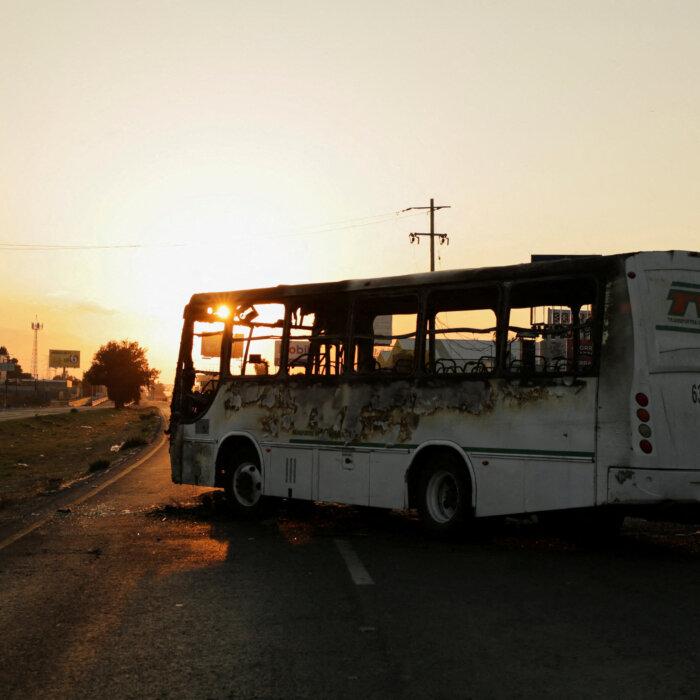
It wasn’t long after the raid against Oseguera Cervantes that cartel members began torching gas stations and banking institutions and setting up barricades throughout Jalisco and other neighboring Mexican states.
CJNG and ‘El Mencho’
Following news of Oseguera Cervantes’s death, U.S. Deputy Secretary of State Christopher Landau referred to him as “one of the bloodiest and most ruthless drug kingpins.”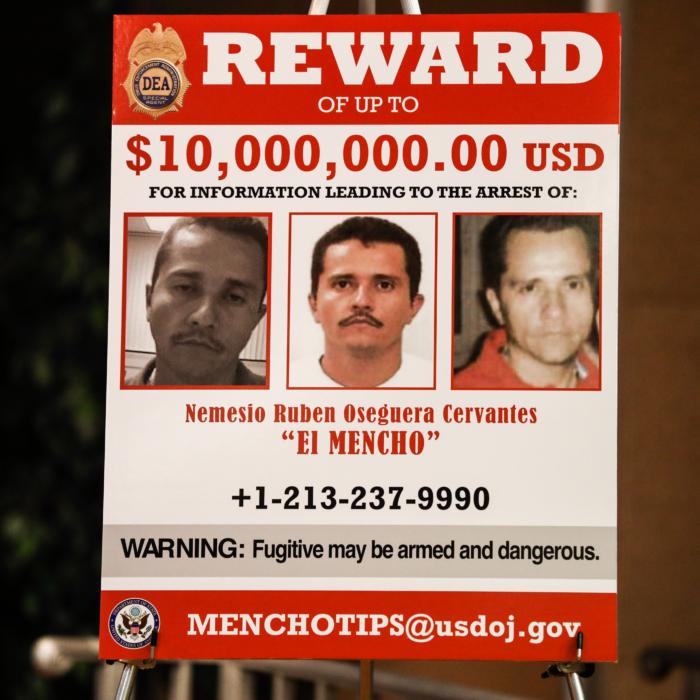
By December 2024, the State Department assessed that CJNG had the highest capacity to traffic cocaine, heroin, and methamphetamine in Mexico.
The State Department said Oseguera Cervantes was responsible for the murders of numerous rival cartel members and Mexican law enforcement personnel, and it raised allegations that CJNG operatives have been involved in plotting the assassinations of Mexican government officials.
Oseguera Cervantes has been the subject of multiple U.S. federal criminal indictments.
The U.S. government had offered a reward of up to $15 million for information leading to his arrest or conviction.
CJNG is among several Latin American cartel organizations the U.S. State Department has designated as foreign terrorist organizations in the past year.
A Deadly Raid
Mexican security officials said they managed to locate Oseguera Cervantes through a tip from someone connected to one of his romantic partners.At a press conference on Feb. 23, Mexican Secretary of Defense Ricardo Trevilla Trejo said Mexican military intelligence authorities tracked Oseguera Cervantes’s romantic partner to a facility in the town of Tapalpa, in Jalisco.
The Epoch Times reached out to the Pentagon for more details about this U.S. intelligence support and did not receive a response by publication time.
The Mexican defense secretary said an interagency force quickly devised the raid, which included a ground team, an airmobile force carried by six special operations helicopters, and additional air support by the Mexican Air Force.
As Mexican forces surrounded the facility in Tapalpa, cartel members opened fire. Mexican forces killed eight cartel gunmen in the opening skirmish.
After the initial exchange of gunfire, Oseguera Cervantes and some of his bodyguards attempted to flee into a nearby wooded area, but Mexican forces tracked them down.

Oseguera Cervantes and a pair of his bodyguards were struck during a second exchange of gunfire.
Trevilla Trejo said Mexican forces called in a helicopter to evacuate the wounded cartel leader and his bodyguards for medical attention, but they died en route.
By this point, the commotion had attracted the attention of other cartel members in the surrounding area.
Cartel Roadblocks, Firebombings, Gunfire
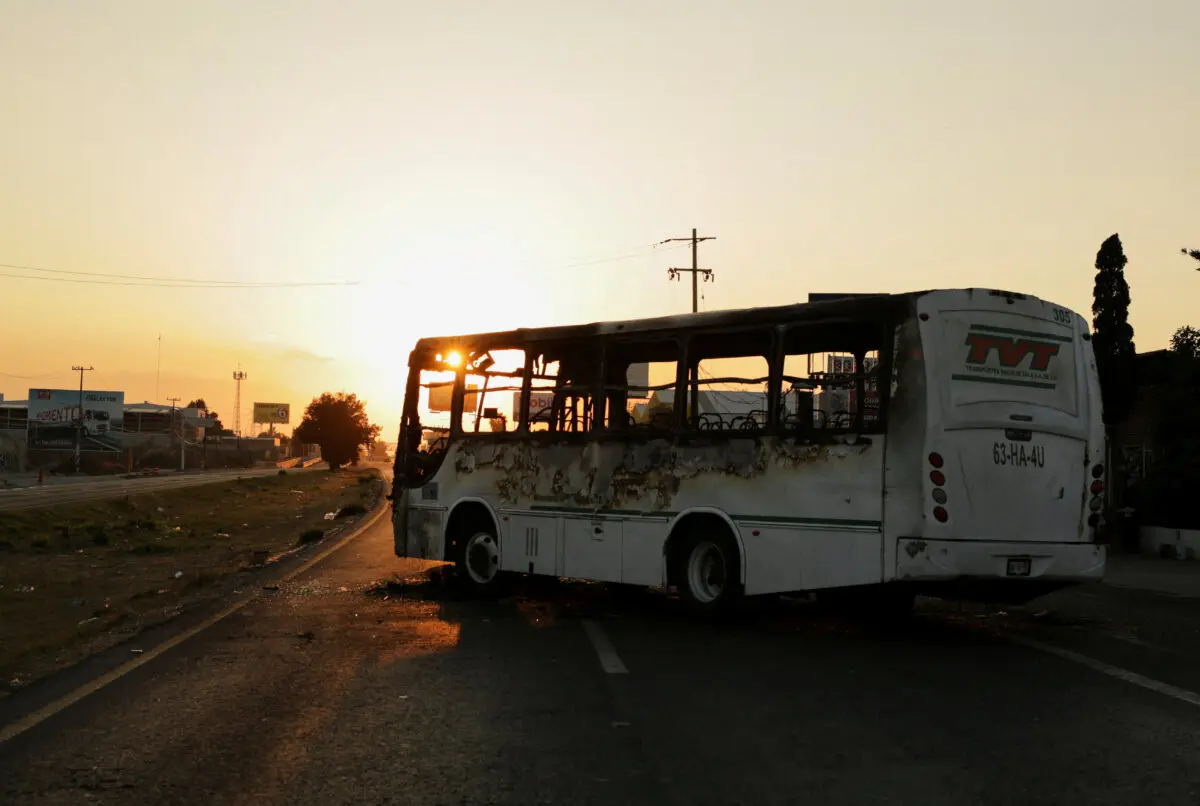
Cartel members began fueling the chaos throughout Mexico in the hours following Oseguera Cervantes’s death.Mexican authorities reported that cartel members began throwing up roadblocks along federal highways in Jalisco, Baja California, Michoacán, Guanajuato, Guerrero, Jalisco, Oaxaca, Sinaloa, Tamaulipas, Veracruz, Zacatecas, and the state of Mexico.
Cartel members also began setting vehicles, gas stations, and banks on fire.
Cartel members also began targeting Mexican government personnel directly.
Mexican Security Secretary Omar García Harfuch said Mexican security forces subsequently tracked “El Tuli” to a small town near Guadalajara and killed him in an exchange of gunfire.

García Harfuch said 25 Mexican National Guard troops, a prison guard, and a member of the Mexican attorney general’s office had been killed in six different attacks following the raid on Oseguera Cervantes.
On Feb. 23, García Harfuch reported that another 30 cartel members had been killed.
An Uneasy Calm
As she took questions from reporters at her press conference on Feb. 23, Mexican President Claudia Sheinbaum said the chaos following the raid on Oseguera Cervantes had largely subsided.Sheinbaum said she is continuing to coordinate with the governors of the various Mexican states.
“If anything were to happen, we would be there immediately,” Sheinbaum said.
Although the states of Quintana Roo, Sinaloa, and Tamaulipas experienced heightened security operations on Feb. 22, the U.S. Embassy stated that the situation has returned to normal in those areas.
The U.S. Embassy reported continuing flight disruptions in Puerto Vallarta but said flights from all other areas appeared to be proceeding as normal.
The U.S. Embassy advised travelers with upcoming flights to contact their airlines because the situation could change rapidly.