Philippine President Ferdinand Marcos Jr. pledged on July 27 to defend his country’s South China Sea rights, days after Manila publicly condemned Chinese state media for depicting Filipinos as monkeys while attacking a landmark maritime ruling.
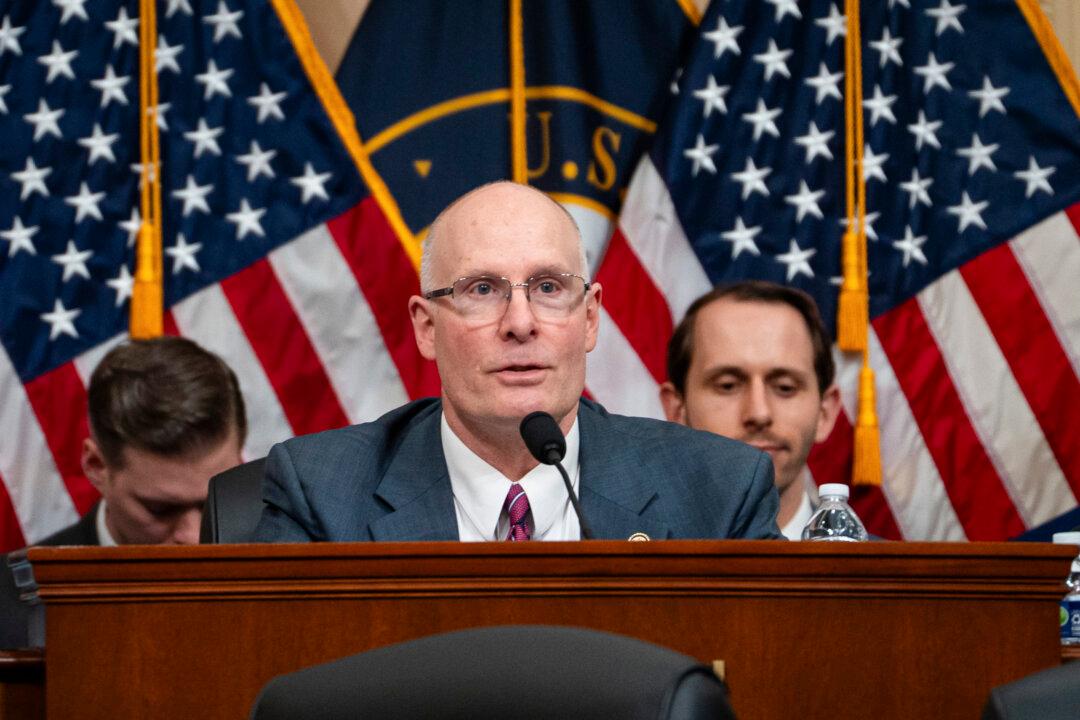
“We are Filipinos, and we do not yield,” Marcos told a joint session of Congress in his fifth State of the Nation Address.
Marcos said his government would do “all that is necessary” to uphold the 2016 arbitration award, which rejected the legal basis for Beijing’s claim to historic rights over much of the South China Sea.
“This is not a claim that we advance alone, nor is it one that we will abandon,” he said.
The video shows a monkey dressed in Filipino clothing being directed by arms representing the United States and Japan to sing. After being called “stupid,” the monkey pulls out a lyric sheet with “South China Sea arbitration award” written on it, then is thrown into the sea and sprayed with a water cannon from a vessel resembling a Chinese coast guard ship.
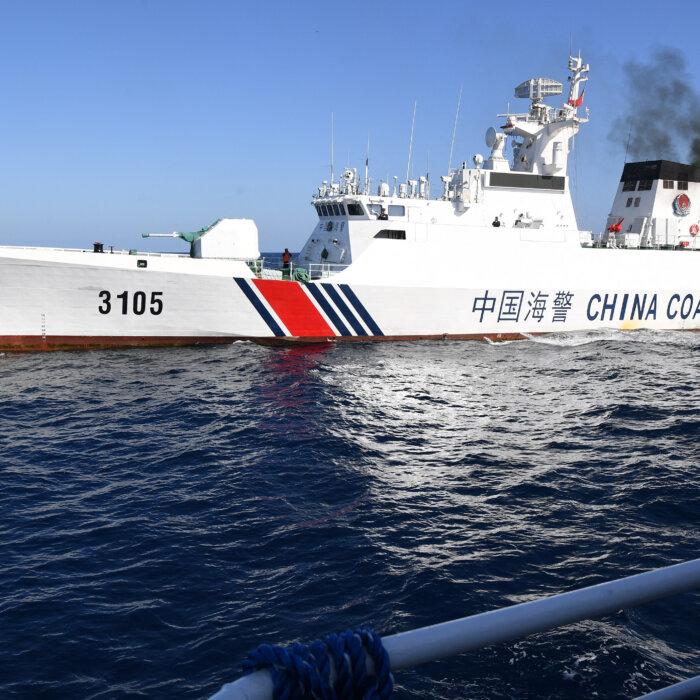
Without naming China Daily, Marcos said Filipinos’ “very humanity has been called into question.”
“Filipinos are a noble, kind, gracious, and great race,” he said. “We are not greedy. We are not racists. We are not liars.”
Award Rejected Beijing’s Claims
The Philippines brought the case against the Chinese communist regime in 2013 under the United Nations Convention on the Law of the Sea.
The tribunal also found that Beijing had violated Philippine sovereign rights in parts of Manila’s exclusive economic zone. It did not decide sovereignty over disputed islands or draw a maritime boundary between the two countries.
Beijing refused to take part in the proceedings and has rejected the award.
Marcos ended the maritime portion of his address by commending members of the armed forces, coast guard personnel, and fishermen for maintaining the Philippine presence in disputed waters “in the face of great risks.”
“It is they,” he said, “who give life to the letter and spirit of the arbitral award.”
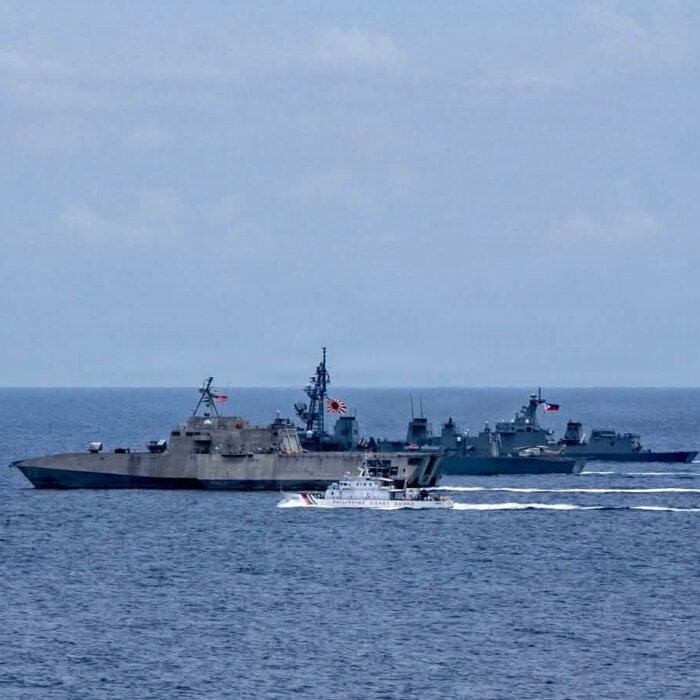
The Philippines is a U.S. treaty ally. The 2023 U.S.–Philippines Bilateral Defense Guidelines state that an armed attack anywhere in the South China Sea on either country’s public vessels, aircraft, or armed forces—including their coast guards—would invoke commitments under the 1951 Mutual Defense Treaty.
Japan Logistics Pact Advances
Marcos’s address came four days after Japan and the Philippines completed the diplomatic procedures for a military logistics agreement.
Under the Acquisition and Cross-Servicing Agreement, their forces will be able to provide one another with supplies and services during authorized activities.
The pact was signed in Manila on Jan. 15 and is scheduled to enter into force on Aug. 22.
The two countries already have a Reciprocal Access Agreement setting rules for Japanese and Philippine forces operating in each other’s territory.
During Marcos’s May state visit to Tokyo, the two governments said that agreement had been used during multiple exercises. Their May 28 joint statement also called for negotiations on an accord to protect classified information and further discussions on Japanese defense-equipment transfers.