A man is recuperating from non-life-threatening wounds after a grizzly bear attack in northern B.C. that conservation officers say was “defensive in nature.”
The attack occurred at approximately 11 a.m. on July 6 some 110 kilometres west of Fort Nelson, B.C., where a man was working as part of a team in a secluded setting, according to a social media post from the B.C. Conservation Officer Service (COS).
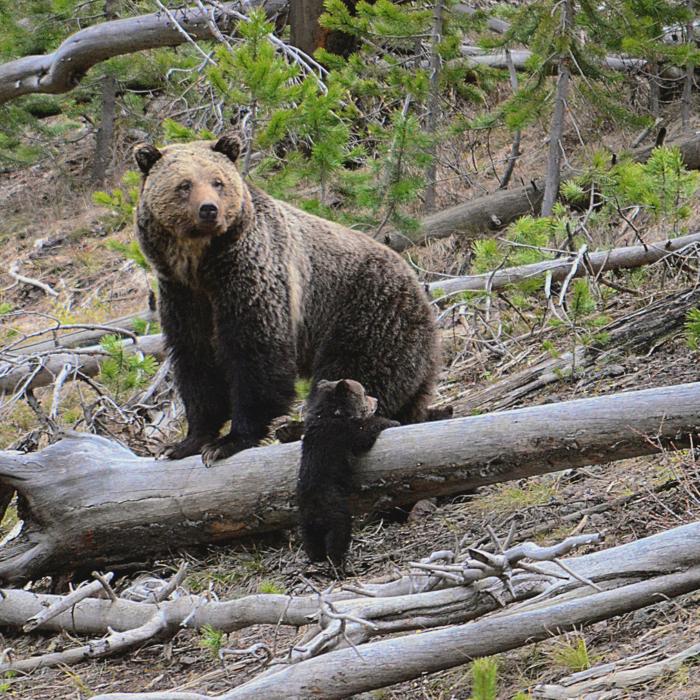
A man was charged by a bear and suffered non-life-threatening injuries shortly after noticing the mother grizzly and her two cubs.
“The victim was bitten and scratched before the bear disengaged,” reads the COS post. “Group members assisted the victim, who was flown to hospital for treatment and has since been released.”
The conservation service said the remaining members of the work group were moved out of the area, and that interviews with the victim and a witness established that the bear’s actions were “defensive.” For that reason, no efforts are underway to find or euthanize the grizzly bear, the conservation service says.
There are roughly 40 bear attacks in Canada each year, according to the COS. The last fatal attack in Canada occurred in Alberta’s Banff National Park in September of 2023 when a couple and their dog were killed by a grizzly.
Being aware of the best practices for responding to a bear encounter is important for anyone venturing into the bush, Parks Canada says. In addition to steering clear of locations where bear droppings and tracks are visible, Parks Canada recommends travelling in groups of four or more individuals and making noise in areas that may be frequented by bears.
“Carry bear spray with you at all times,” Parks Canada advises. “Ensure it is easily accessible and know how to use it. Bear spray can be effective with some bears when used properly.”
Parks Canada also has a number of tips to deal with a bear encounter. Talking to the animal calmly will allow the bear to differentiate between you and a prey animal. It also recommends making yourself appear big, picking up small children, staying in a group, and backing away slowly rather than running, which can trigger a pursuit.
Mother grizzlies may become very aggressive toward animals and humans if they perceive a threat to their cubs. In the case of a defensive attack, the park service suggests playing dead and lying on the ground until the bear leaves.
If the bear is aggressive and engaging in an offensive attack, however, different tactics are needed.
“Fight back! Intimidate that bear: shout; hit it with a branch or rock, do whatever it takes to let the bear know you are not easy prey,” Parks Canada says. “This kind of attack is very rare, but it is serious because it usually means the bear is looking for food and preying on you.”
There are approximately 15,000 grizzly bears in B.C., according to the last available estimate by the province’s natural resources ministry.
Grizzlies can run up to 50 kilometres per hour on land and eat up to 40 kilograms of food per day during warm months to prepare for hibernation. They can reach a maximum weight of roughly 500 kilograms.