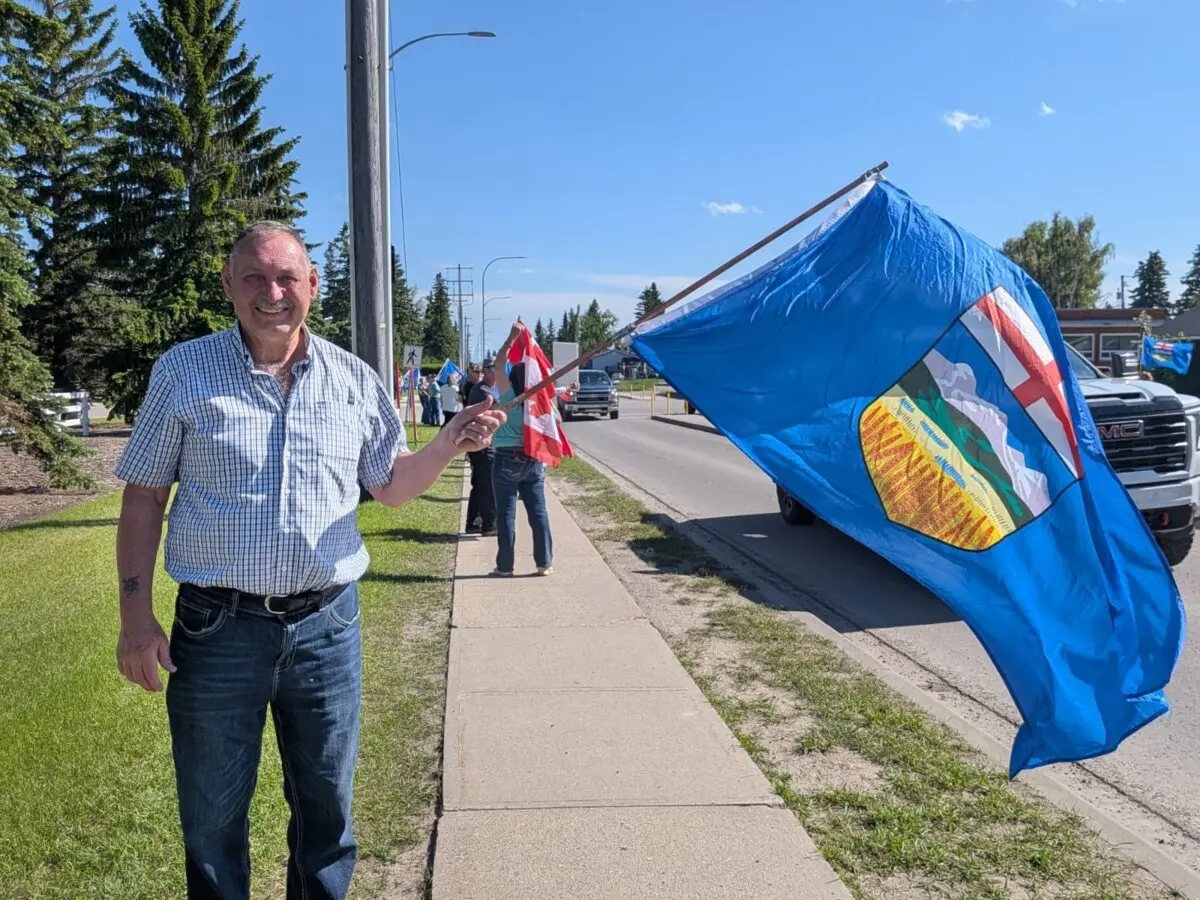
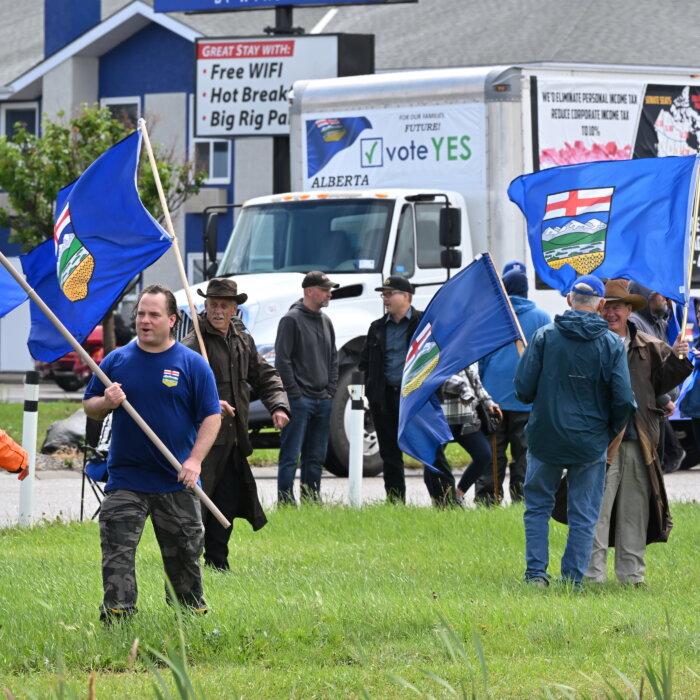
As motorists honked in support or shouted disapproval along 46th Avenue on June 24, the crop insurer, a longtime Olds resident, said reactions to Alberta independence have grown noticeably stronger as the debate increasingly spills from political circles into everyday life.
On Oct. 19, Albertans will vote on whether the province should remain in Canada or begin the legal process toward a binding referendum on separation—one of 10 ballot questions that will test frustrations with Ottawa and Alberta’s future within Confederation.
Roughly four months ahead of the vote, the separation debate has become one of Alberta’s most emotionally charged political issues, drawing comparisons to Quebec’s 1995 referendum and, according to some residents, creating divisions more intense than those seen during the COVID-19 pandemic.
The debate may be reaching a peak now, but it has been simmering for decades. Alberta separatist sentiment has often intensified during periods of tension with Ottawa over energy policy and jurisdictional battles.On the ground, however, attitudes range from passionate support and fierce opposition to confusion and indifference, revealing a province still wrestling with whether the referendum represents a genuine push for independence, a bargaining tool to pressure Ottawa, or an ill-advised move that legitimizes the breakup of the country.
Seeking Independence
For many Albertans who back separation, the issue is not about constitutional theory or legal feasibility, but a growing sense that Ottawa no longer represents their interests.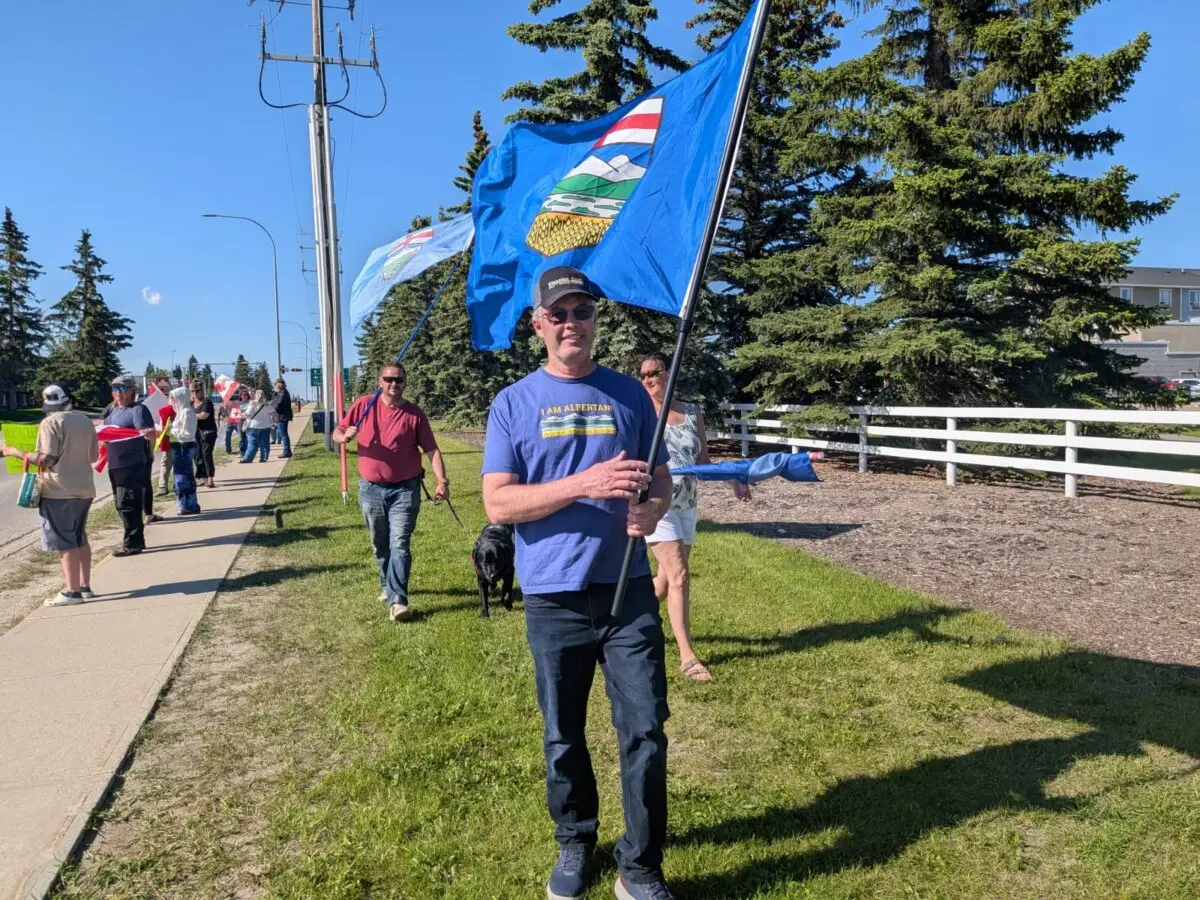
Supporters of independence often cite federal energy policy, equalization payments, gun regulations, immigration, and what they see as an increasingly centralized federal government that ignores Western priorities.
For Dennis Dueck, those frustrations boil down to what he sees as core freedoms at risk. He said top priorities for many separatists include “freedom, free speech and no censorship, rule of law,” along with gun rights and lower taxes.
“The trajectory that Canada’s going, I’m very concerned about that,” said Dueck, who attended the event in Olds, a town in central Alberta with a population of about 10,000. “I’d rather take the other option and see what that is.”In the town of Drayton Valley southwest of Edmonton, oil and gas worker Kane Orlowski said many in Alberta feel the province’s economy is being constrained by federal policy, particularly in the energy sector.
He said an independent Alberta could gain greater control over resource development, trade, and job creation, while reducing what many separatists describe as an imbalance in political power between Western Canada and vote-rich Ontario and Quebec.
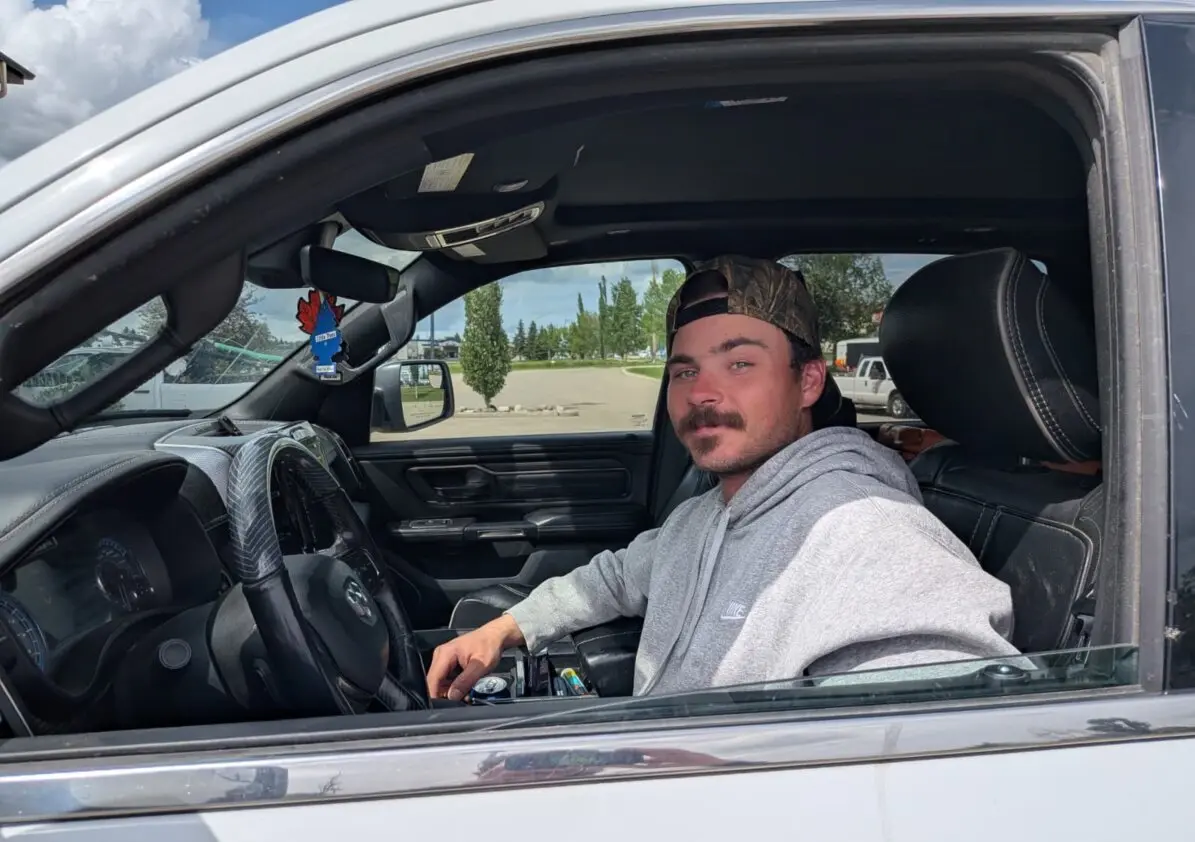
That feeling of political alienation—of being outnumbered in federal elections regardless of how Albertans vote—has become one of the movement’s most powerful emotional drivers, with many supporters viewing the referendum as a way to pressure Ottawa, even if full separation never materializes.
Despite high reported awareness, not all Albertans appear equally engaged in the referendum debate. Some residents interviewed by The Epoch Times said they had heard only vague details about the vote or doubted it would ultimately lead to separation.For others, however, the issue matters deeply. Some said they view the referendum as more important than a federal election, arguing that the vote cuts more directly to questions of identity, sovereignty, and Alberta’s long-term future.
That divide in attention raises questions about turnout. Alberta saw 60.5 percent turnout in the 2023 provincial election, but participation in the province’s 2021 equalization referendum commissioned by then-Premier Jason Kenney was far lower, with only about 39 percent of eligible voters casting ballots.Whether the separation vote inspires participation closer to a provincial or federal election—or remains largely symbolic—may prove decisive in determining its political impact.
Call for a Unified Canada
Opposition to separation has also become increasingly visible, with prominent political figures and grassroots organizers arguing that Alberta’s frustrations with Ottawa are real but best addressed within Canada.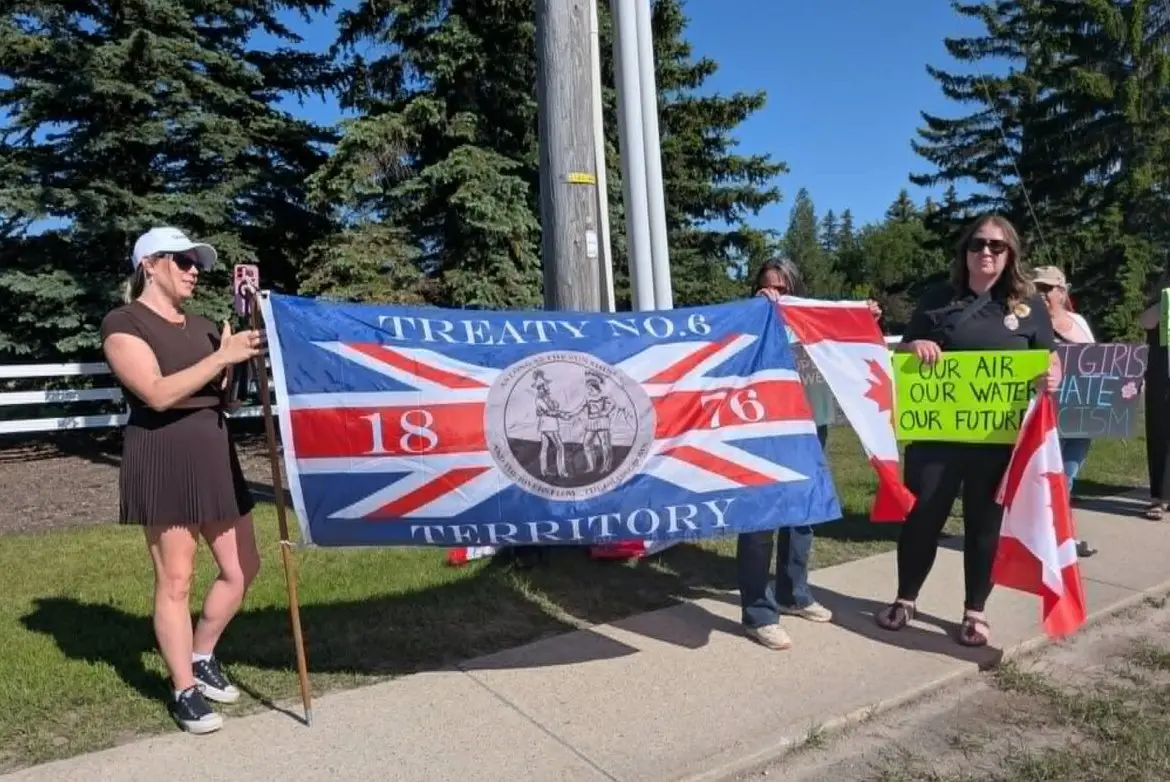
Former Premier Kenney and former Deputy Premier Thomas Lukaszuk have launched campaigns to urge Albertans to reject separation, warning that leaving Confederation would create economic, legal, and constitutional turmoil.
Vote to Stay, a pro-Canada organization co-founded by Kenney and former federal Conservative cabinet minister Monte Solberg, says Alberta’s future is stronger inside Canada than outside of it.
“We’re not going to let anyone tear apart our home—the true North strong and free,” Kenney said May 22 in announcing the group. He is among the ones who are opposed to holding a referendum on the issue, saying it’s divisive.Alberta Premier Danielle Smith has said she would also campaign to keep the province in Canada, while Prime Minister Mark Carney and Conservative Leader Pierre Poilievre have likewise urged Albertans to remain a part of Canada.
Karman Di Liso, who waved a Canadian flag at the Olds rally, said Alberta’s disagreements with Ottawa can be worked out and shouldn’t lead to a threat of separation.
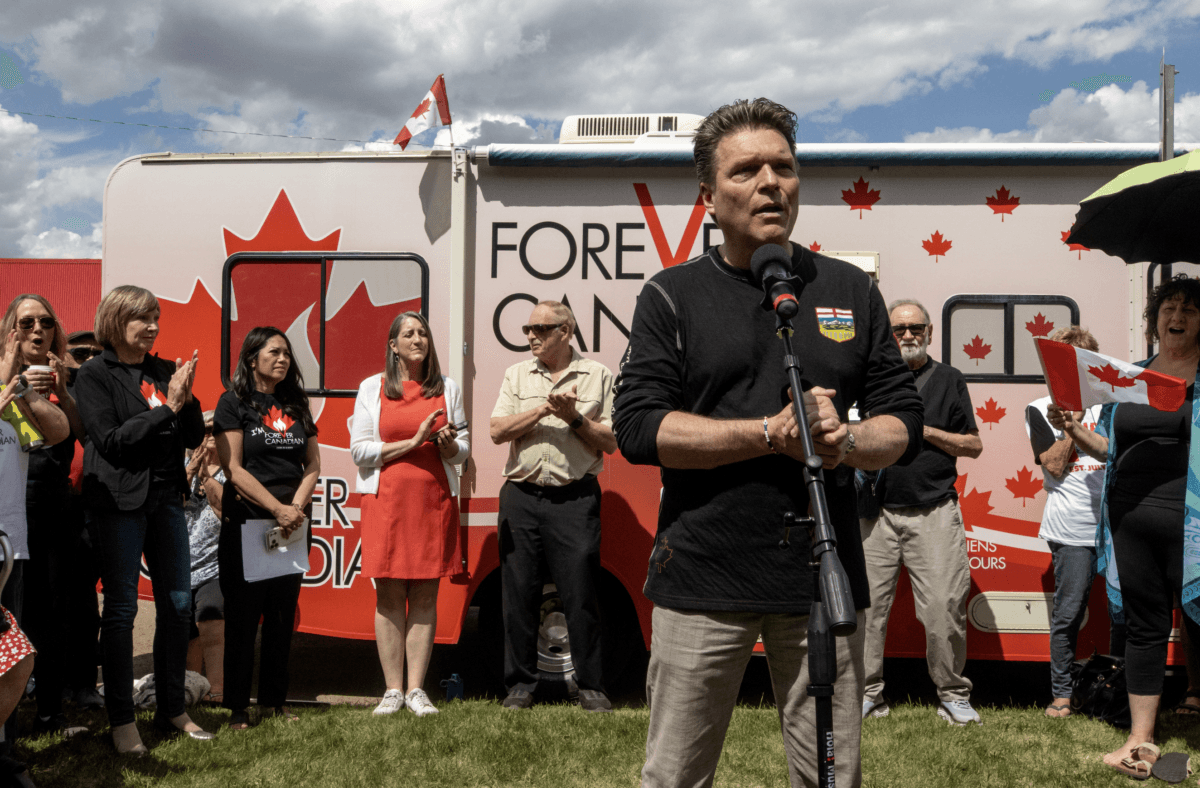
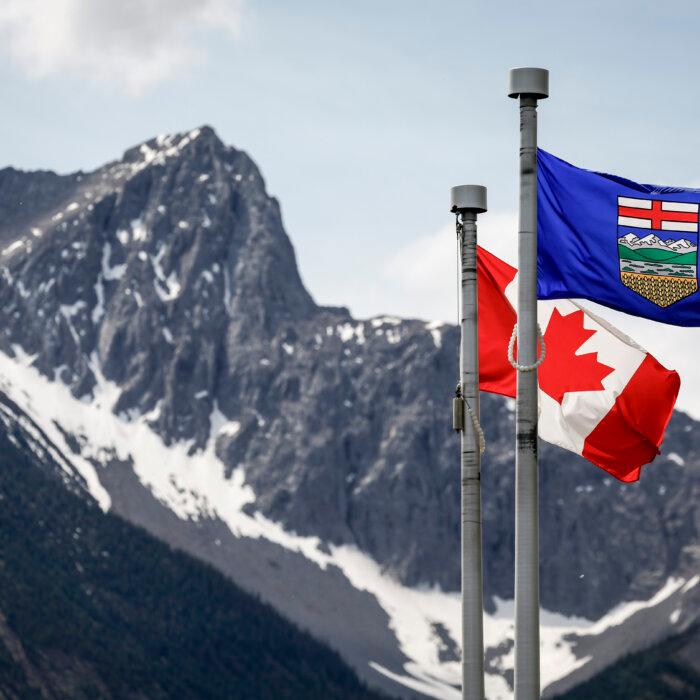
“I am Canadian, and if I travel the world, I don’t tell people I’m Albertan—I tell people I’m Canadian,” Di Liso told The Epoch Times, while arguing that separatists have “hijacked” the Alberta flag.
“When I see that logo, I feel nothing but shame,” she said, charging that it’s become a symbol of “intolerance.”For Di Liso and many others backing national unity, the deeper concern is not only the economic cost of separation, but that the referendum could leave lasting political and social scars even if independence never materializes.
Polarizing Issue
For some Albertans, the separation debate has already started to affect personal relationships and everyday conversations, with residents describing exchanges that can quickly turn tense.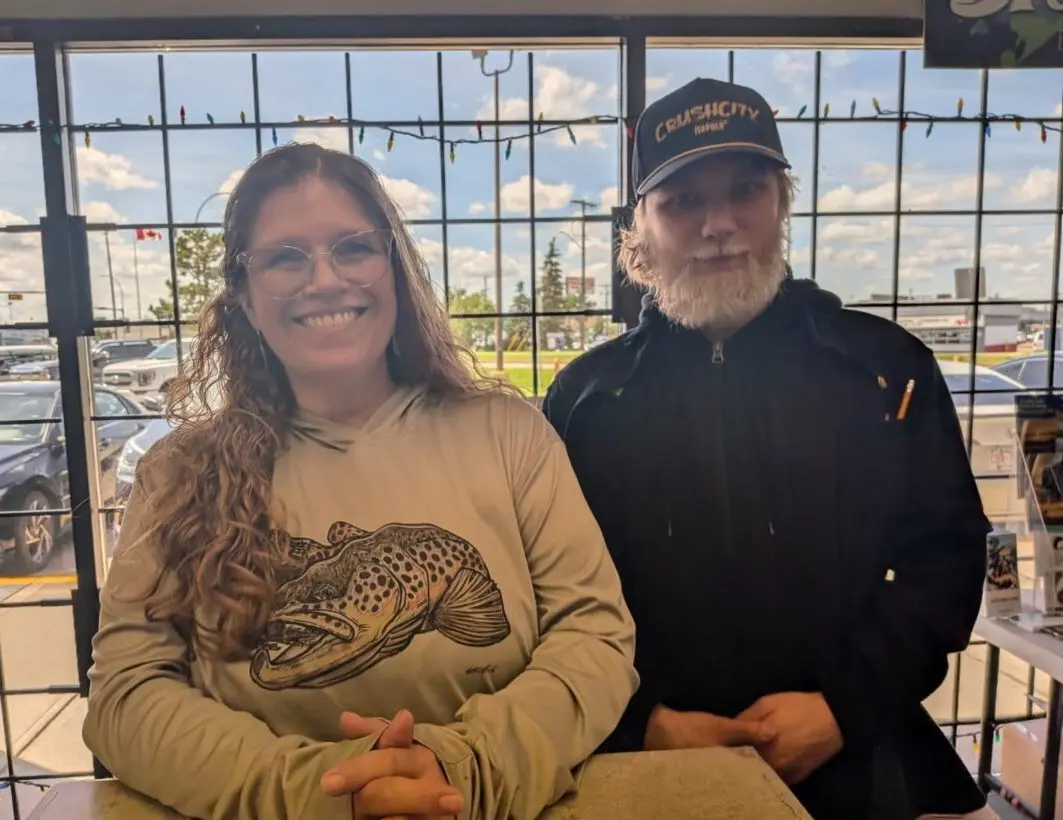
The exchanges remained peaceful, but the intensity showed how quickly the issue has moved from political margins into everyday life.
Several Albertans told The Epoch Times that the separation topic is provoking the kind of emotional reactions seen during the COVID-19 pandemic, when disputes over vaccine mandates and public health restrictions polarized communities and families.Retired Edmonton resident Dave Olafson said conversations about separation can quickly grow tense. He said many people feel strongly entitled to their views, but are increasingly unwilling to hear opposing perspectives.
“It’s kind of like COVID and getting vaccinated,” Olafson said in an interview while out on the city’s iconic Whyte Avenue. “People are entitled to their opinion, and we should be able to voice it freely, but people just get right bent out of shape.”
“This division feels bigger than the polarization during COVID,” she added.
Echoes of Quebec’s Referendum
Comparisons to Quebec’s separatist movement come up repeatedly in conversations across Alberta, as supporters and opponents alike looked to the province’s 1995 referendum as the closest parallel for what Alberta could face.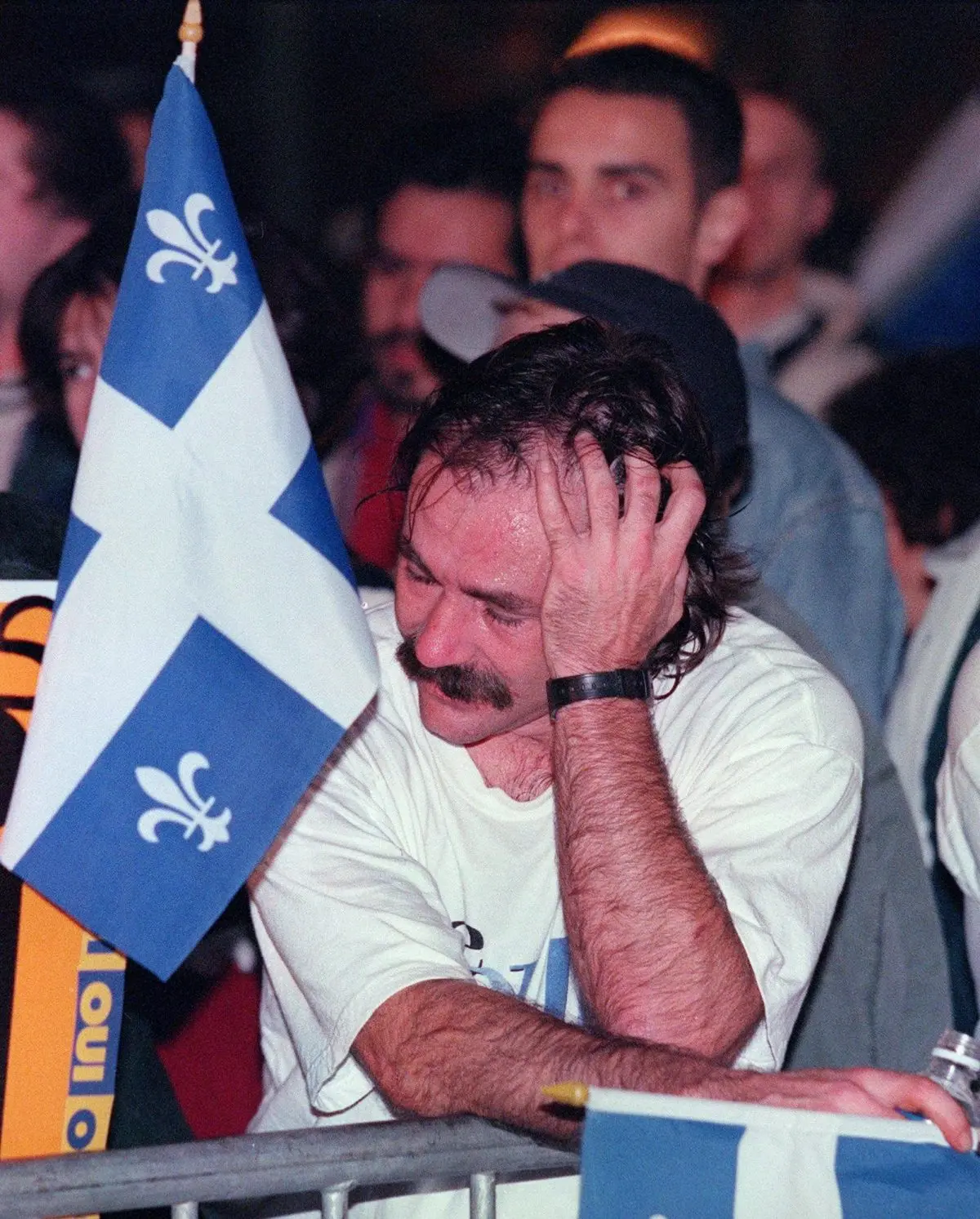
That vote remains one of the most consequential in Canadian political history, with 93.5 percent voter turnout and a razor-thin result: 50.58 percent voting to remain in Canada and 49.42 percent supporting sovereignty.
For Sylvan Lake, Alta., resident and author Benoit Trudeau, the parallels are personal. Raised in Quebec, he campaigned during the 1995 referendum before later moving west, giving him firsthand experience of how quickly a constitutional debate can consume public life.
He recalled a province almost entirely consumed by a single question, where politics, workplaces, and family conversations increasingly revolved around whether Quebec should stay or leave.
“It was the largest and most beautiful democratic exercise we ever saw in North America,” Trudeau told the audience at a June 23 “Let’s Talk Alberta” event in Calgary, recalling Quebec’s 1995 referendum. The group, organized by separatist activist Chris Scott, holds events to encourage discussions on the future of the province.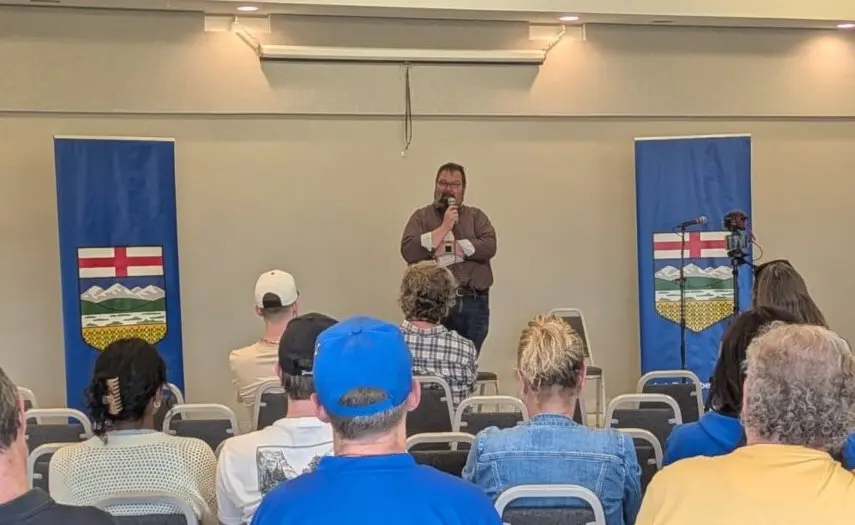
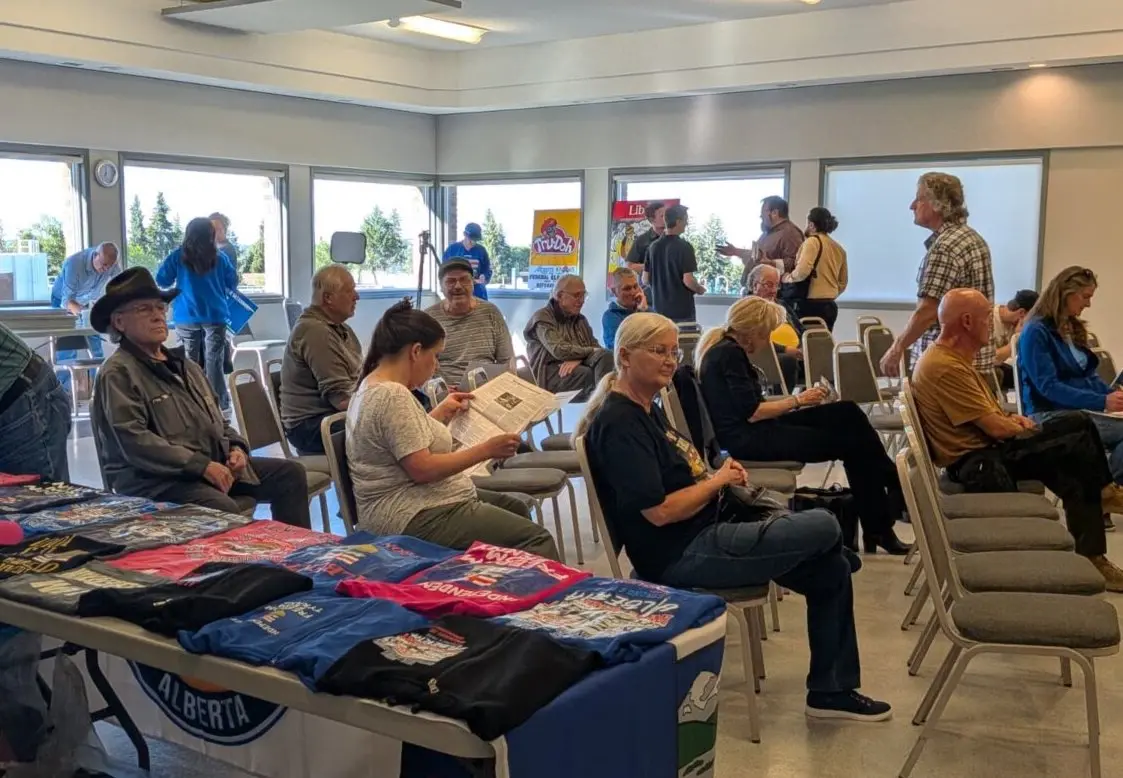
He said he believes Alberta should pursue greater provincial autonomy, through areas such as taxation, pensions, policing, and immigration, without leaving Confederation.
Preston Manning, whose upstart Reform Party rose to Official Opposition status in the 1990s with its “The West Wants In” message, said in a recent commentary published in The Epoch Times that “there is a responsible federalist alternative between the secession option and a status quo unacceptable to most Albertans.”“That alternative is the option consistently put forward by Premier Smith and the Alberta government for the last three years: a strong and sovereign Alberta within (not separate from) a united Canada,” he wrote.
Legal and Treaty Obstacles
Beyond the political rhetoric, Alberta’s path to separation faces major legal and constitutional obstacles.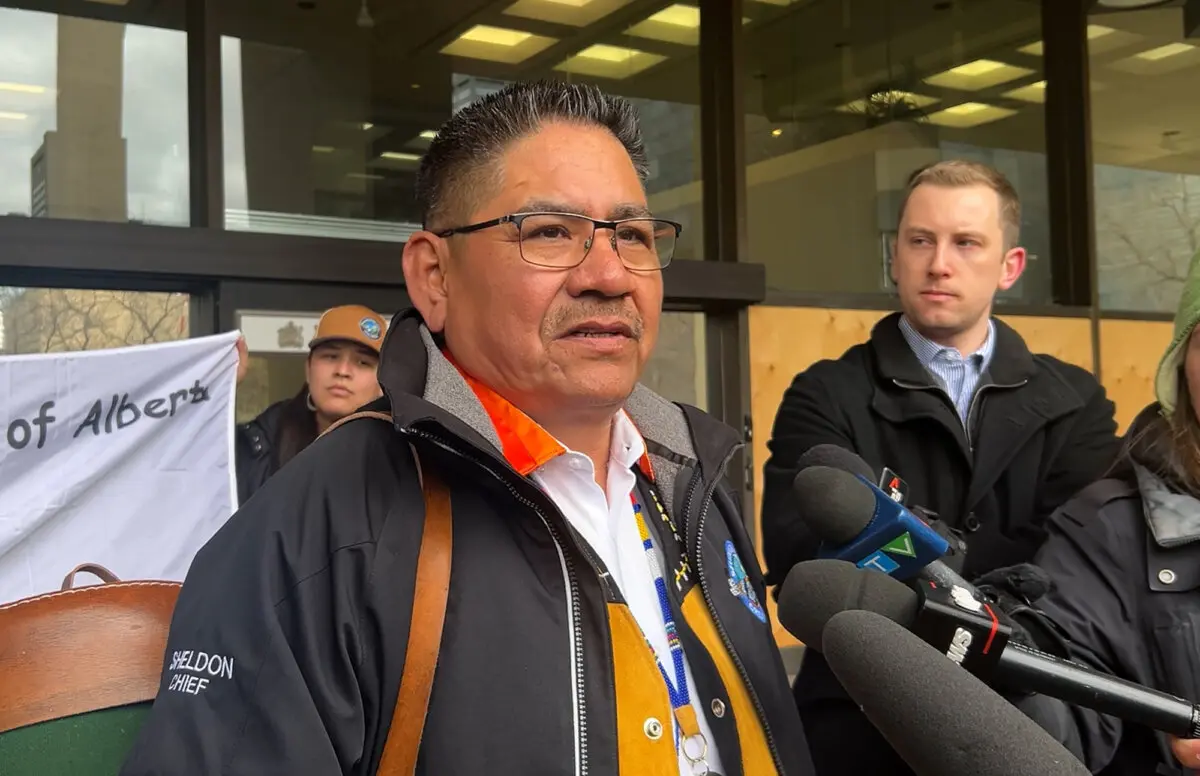
Premier Smith has said she supports Alberta remaining in Canada, but has also argued that Albertans deserve the right to express their views through a referendum, calling attempts to stop the separation question from going to a public vote if it meets legal requirements “anti-democratic.”
Smith called the referendum in light of a court ruling that blocked a separation petition seeking a referendum from proceeding in May. The court ruled that Elections Alberta shouldn’t have approved the petition drive because no indigenous consultation had taken place. The petition, organized by Stay Free Alberta which is affiliated with the Alberta Prosperity Project, had gathered more than 300,000 signatures, higher than the minimum 177,732 signatures required for the petition question to qualify as a referendum.
Stay Free Alberta and the government of Alberta have appealed the court ruling, and got a partial victory in late June when an appeal court said Elections Alberta can begin the process of validating the petition signatures, while the referendum it calls for will remain suspended until the appeal is determined.
Some indigenous leaders have been among the strongest opponents of the referendum, arguing that Alberta cannot unilaterally separate without addressing treaty obligations.
At a pro-Canada gathering in Olds, teacher and community activist Mikayla Miller carried a Treaty Six flag rather than a Canadian flag, saying the debate over separation often overlooks the treaties.
“We’re all treaty people. This is just a reminder that the treaties are what binds us to each other. We have to honour the treaties because they were here before even Alberta was created,” she said.
Those concerns have grown as the referendum approaches, underscoring a concern of both supporters and opponents: even if Albertans vote to pursue separation, the vote would mark the beginning of a far more complicated battle—not the end of one.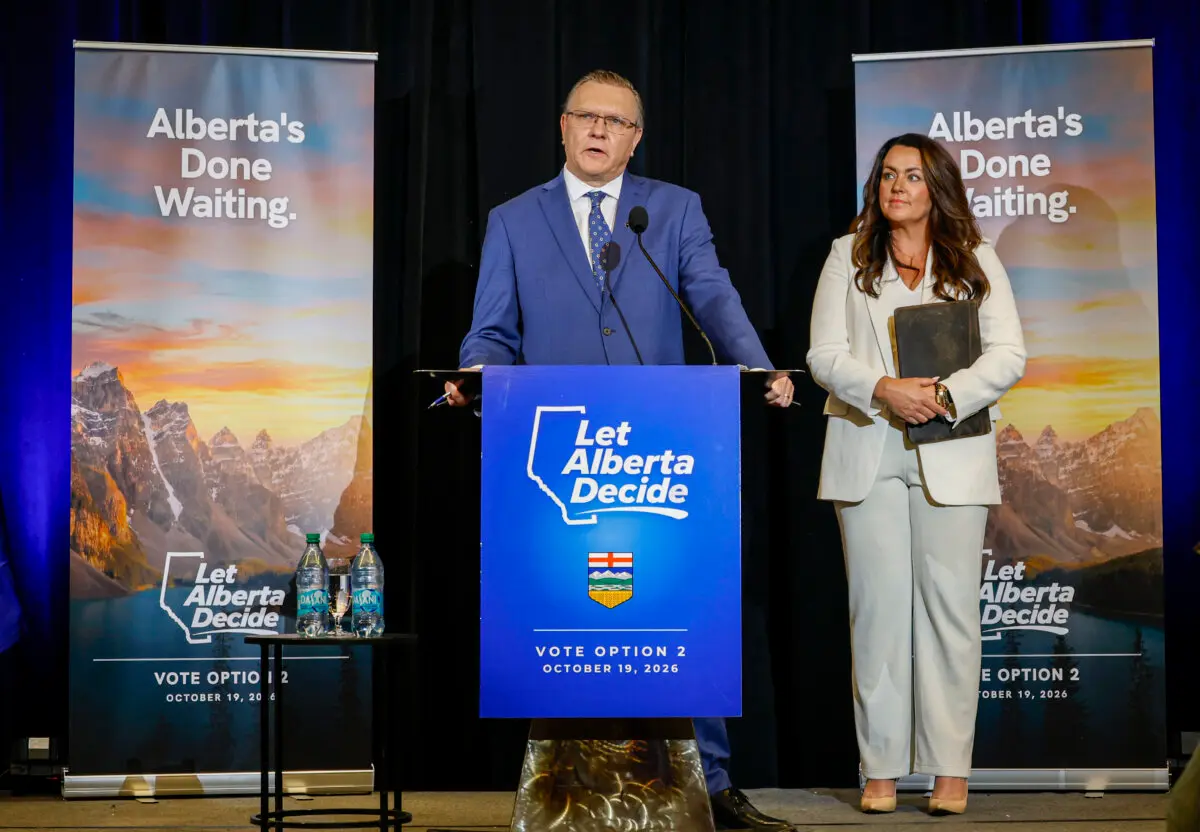
“One person, one vote. No special treatment for members of First Nations re voting in the referendum,” Wilson said in May ahead of the court ruling blocking the separation petition.
“Upon a successful vote for separation, the Province of Alberta, First Nations within Alberta, the other provinces, and the Government of Canada are obligated to engage in good-faith negotiations to establish the terms of Alberta’s separation.”
And for many on both sides of the debate, the question hanging over Oct. 19 is no longer just whether Alberta should leave Canada, but whether the country can still hold together the competing visions of what its future should be.