Newly introduced legislation from the Liberal government would change the Canada Elections Act to prevent overly long ballots, add new privacy protections for political fundraisers, and ban digital deepfakes of electoral actors.
MacKinnon said this includes addressing the issue of “unduly long ballots, which pose accessibility barriers and are very disruptive to voters, candidates and election workers.” The bill would also prohibit individuals from acting as the official agent for more than one candidate per riding, while also allowing individual voters to only sign one candidate’s nomination papers per election cycle.
Over the last few years, a group known as the Longest Ballot Committee (LBC) has flooded several ridings with dozens of candidates to protest Canada’s first-past-the-post electoral system. During the 2025 federal election, the group signed up more than 80 candidates to run in Conservative Leader Pierre Poilievre’s Carleton riding. This made each ballot nearly one metre long and needed to be specially folded to fit in ballot boxes.
The LBC also targeted the riding of Battle River-Crowfoot in Alberta, where Poilievre ran to regain a seat in the House of Commons after losing Carleton. The group had signed up hundreds of candidates to run against him.
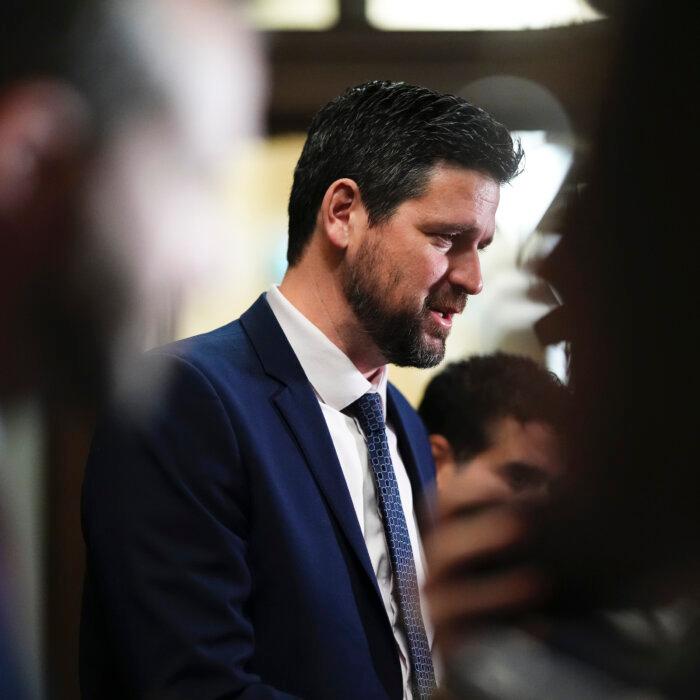
MacKinnon told reporters that, while he understood the message the LBC was trying to send, they had made Elections Canada’s work “prohibitively difficult.”
Deepfakes, Privacy Protections
MacKinnon also said the act would defend against deepfake videos, which he said are becoming “more convincing and dangerous,” so that “Canadians can trust what they see and what they hear.”The legislation would include deepfakes in existing laws against impersonating certain electoral actors with the intent to mislead voters. It would not apply to parodies or satirical content.
The bill would also aim to protect the personal information of Canadians involved in canvassing, fundraising, and polling, MacKinnon said. A five-day advance notice of a regulated fundraising event will no longer be required, location details of the event will be limited, and the home address of returning officers will no longer be published in the Canada Gazette.
“We are also seeing where people’s personal addresses are published online, harassing behavior that, frankly, limits their rights and abilities to participate in democratic processes,” he said.
The bill would also ensure that political parties and third parties will no longer be able to accept donations that are difficult to track, such as through cryptocurrency and pre-paid cards. Third parties’ political activities would also need to be paid using donations from Canadian citizens and permanent residents.
The maximum administration penalties would be increased from $1,500 to $25,000 for individuals, and from $5,000 to $100,000 for organizations.