Canada’s inflation rate declined slightly to 2.8 percent in June, as lower gasoline prices put downward pressure on the metric, according to Statistics Canada.
The Consumer Price Index (CPI) fell 0.4 per cent month over month in June, marking the largest monthly decline since December 2024. Canada’s inflation rate is now once again within the Bank of Canada’s target range of between 1 percent and 3 percent.
Global oil prices declined in June after tensions between the United States and Iran eased, putting downward pressure on gasoline prices. However, renewed tensions later pushed oil prices higher.
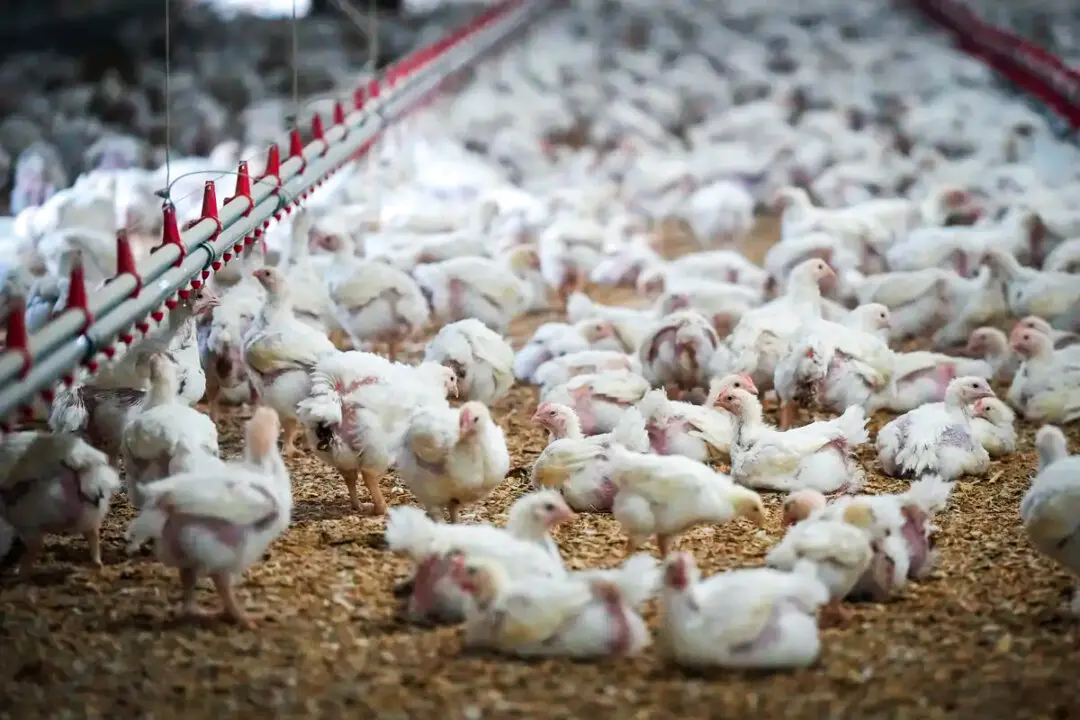
StatCan said prices for food grew at a slower pace of 3.9 percent on a yearly basis, compared with 4.3 percent in May, but that June was the 17th month in a row that grocery price inflation has outpaced the overall CPI.
The deceleration of grocery prices in June was driven by slower price growth for fresh fruit of 4.3 percent compared to 5.3 percent in May, while the growth of prices for fresh or frozen chicken, bread, and frozen foods remained elevated.
On a year-over-year basis, the passenger vehicle purchase index rose 1.9 per cent in June, down from a 2.5 per cent increase in May. It marked the smallest annual gain for the index since March 2025.
Traveller accommodation prices accelerated, rising 10.1 per cent year over year in June compared with 2.5 per cent in May, partly reflecting higher demand associated with FIFA World Cup matches. Prices rose by around 20 percent in Ontario and British Columbia, with both provinces hosting soccer matches in Toronto and Vancouver.
Internet service prices declined 3.8 percent year over year in June, following a 0.3 per cent increase in May, which was due to lower prices offered in much of Western Canada. On a yearly basis, prices for cellular services rose 2.6 percent in Quebec, as prices for new plans increased following the end of promotional offers across the province.
The Bank’s July Monetary Policy Report said inflation was expected to fall from its May peak and reach 2.5 percent in the second half of the year due to lower gasoline prices, and reach its 2 percent target by the start of 2027. However, the projection is based on a scenario where oil prices remain between US$70 and $75 throughout 2026.
Oil prices rose to over US$110 at the beginning of the year due to the U.S.-Iran war, but fell to around $70 after the two countries signed a memorandum of understanding in June to work towards ending the conflict. However, the collapse of negotiations and a return to strikes has led oil to rise to nearly $85.
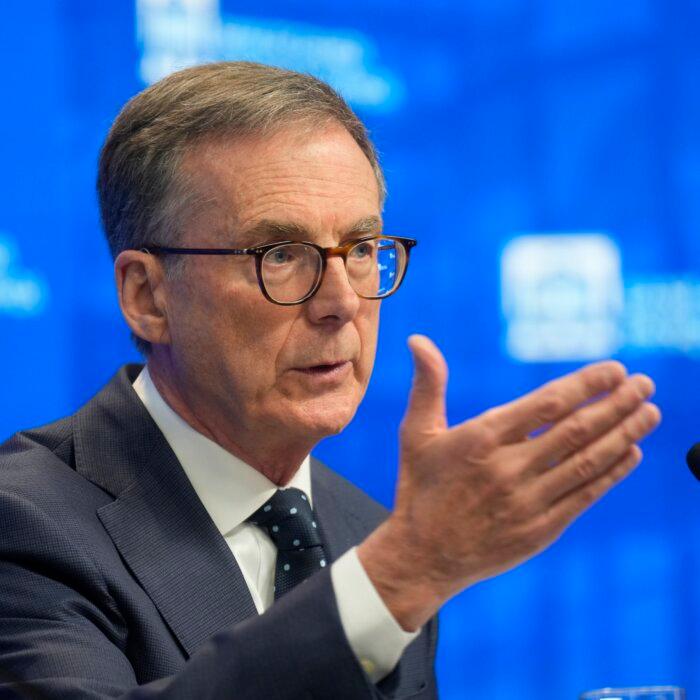
Macklem said the Bank has been looking through the impact of the Iran conflict on inflation. He warned that the longer oil prices remain elevated, the greater the risk that higher energy costs spill over into other goods and services. “As we have said before, we will not let higher oil prices become persistent inflation,” he said.