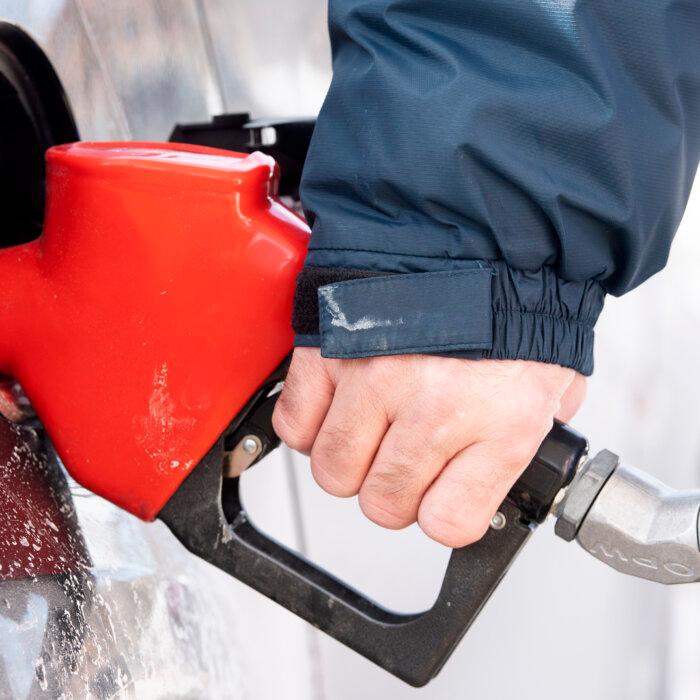
After setting the consumer carbon tax rate to zero and saying it would not make a comeback, the Liberal government is taking further steps to permanently eliminate the tax.
The Making Life More Affordable for Canadians Act includes repealing the consumer carbon price, or fuel charge, delivering an income tax cut, and removing GST on some new homes.
Setting the fuel charge rate to zero was the first thing Prime Minister Mark Carney did after being sworn-in on March 14, but the entire framework remained in place. This led to criticism from the Conservatives, who suggested the fuel charge could be reinstated at any time.
The proposed legislative amendments to the Greenhouse Gas Pollution Pricing Act will affect a number of charging and rebate provisions.
The department also said some provisions pertaining to definitions and interpretation rules in the current legislation will remain in effect until April 2035 to allow for wind-down activities, including those of the Canada Revenue Agency, to deal with fuel charges incurred before April 1, 2025.
The Liberal government had not signalled its intention to pass legislation to remove the fuel charge as of a few days ago.
“That will have to be done eventually,” he said, noting his government had no intention of bringing back the fuel charge. ”It is not part of the climate change policy mix for this government.”
MacKinnon did not comment on the repeal of the carbon tax but had mentioned other elements of the bill such as the income tax cut.
Carney has been a strong advocate of carbon taxes but pledged to repeal the consumer-facing portion during his bid for party leadership. He said it had become too “divisive” and blamed Tory Leader Pierre Poilievre for spreading “misinformation and lies” about the carbon tax. Conservatives had argued the carbon tax hurts the economy and makes Canadians poorer by increasing prices on essential goods.
The removal of the carbon tax on April 1 contributed to a marked drop in inflation for that month, with the Consumer Price Index moving from 2.3 percent to 1.7 percent.
The federal government has established a benchmark that provinces and territories must follow. The current price is set at $95 per tonne of emissions and rises to $170 in 2030.
Alberta Premier Danielle Smith announced earlier this month the indefinite freezing of the industrial carbon price in her province.
“What we have heard from industry is that any further increases to the industrial carbon tax past $100 per tonne would be detrimental to their businesses and would diminish their competitiveness in the market,” Smith said.
Saskatchewan also paused its industrial carbon tax rate earlier this year, saying it was the first province to become “carbon tax free.” The province removed the carbon tax on home heating early last year.