The Albanese government’s revised legislation to increase taxes on large superannuation balances has passed the House of Representatives, advancing a key retirement savings reform to the Senate.
The Treasury Laws Amendment (Building a Stronger and Fairer Super System) Bill 2026, introduced to Parliament on Feb. 11, proposes reducing tax concessions on superannuation balances above $3 million (US$2.1 million) while also boosting support for low-income workers through higher government super contributions.
Labor’s majority in the lower house ensured the legislation passed comfortably, with 95 votes for and 33 against.
The Coalition opposed the bill, while Elizabeth Watson-Brown was the only Greens MP who supported the government’s proposal despite the Greens negotiating a deal with Labor.
Under the reforms, the concessional tax rate on superannuation balances between $3 million and $10 million will increase from 15 percent to 30 percent, while earnings on balances above $10 million will face a 40 percent tax rate.
Coalition Sought Grandfathering Amendment
Coalition MP Terry Young attempted to amend the bill by proposing that existing superannuation balances be exempt from the new tax rules.

His amendment sought to grandfather current balances, ensuring the higher tax would apply only to new super arrangements created after the law comes into effect.
Young argued the change would protect people who structured their retirement savings under previous policy settings.
He said anyone rejecting the amendment would confirm that “this bill is not really about fairness. It is about revenue raising.”
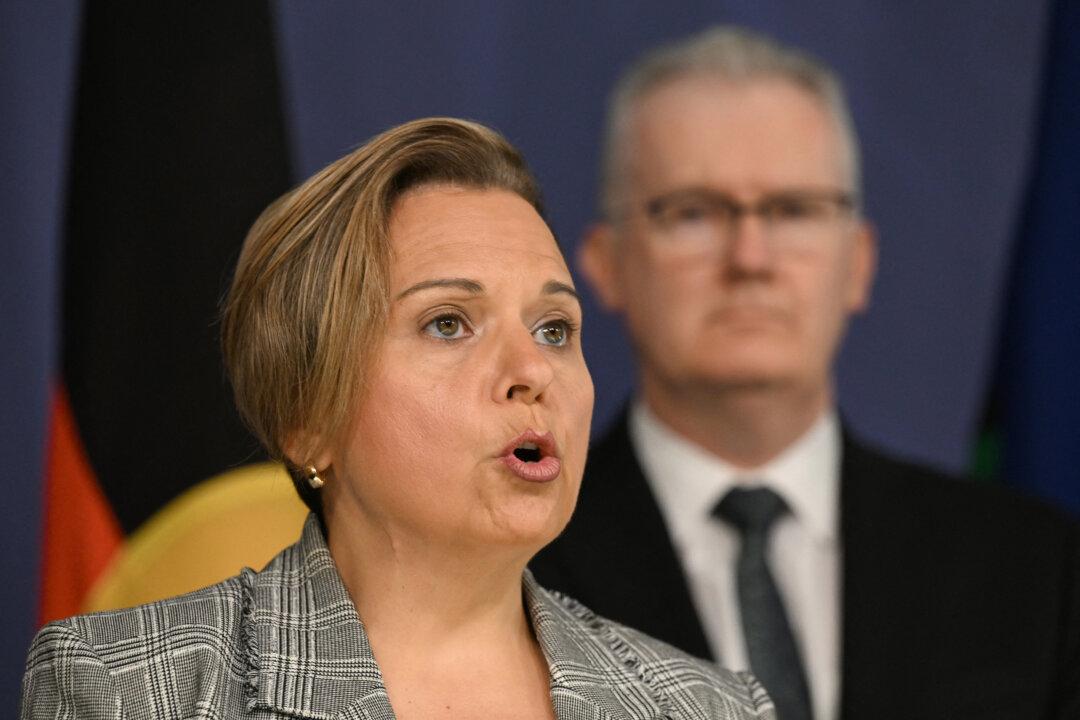
Assistant Treasurer Daniel Mulino opposed the amendment, saying it conflicted with the policy objectives of the reform.
Mulino said the bill aims to make the superannuation system fairer while maintaining concessional tax treatment.
Independent MP Raises Access Concerns
Independent MP Allegra Spender also proposed changes, arguing that some individuals affected by the higher tax rate should be able to withdraw funds if the policy materially alters the financial arrangements they originally planned around.Spender said the legislation could affect people with large balances who are under 60, and therefore unable to access their superannuation savings.
“However, in the current piece of legislation, there are people with high balances who are under 60, and so cannot remove their super from their current accounts. I think that is of concern,” Spender said.
She argued the tax changes represent a significant shift in the way large super balances are treated.
“I do think it’s worth noting that in this case, the government has doubled the tax rate, and in some cases, you know, has gone from 15 percent to 40 percent that is a material change in the taxation arrangements of the superannuation of these high balances,” she said.
Spender said people should have the option to reconsider their financial arrangements if the rules governing their super change significantly.
“If your money is locked up, perhaps for 10–20 years, and you substantially change the rules in it, you do have a chance to remove that money and deploy it as you wish elsewhere,” she said.
Mulino rejected the proposal, warning it could raise constitutional concerns by introducing a new condition allowing early withdrawals from superannuation accounts.
Despite raising those concerns, Spender ultimately backed the overall legislation, describing it as “a very positive piece of legislation” that “appropriately addresses intergenerational inequity.”
With the bill now through the House, the government must secure support from crossbench senators for the legislation to pass Parliament.