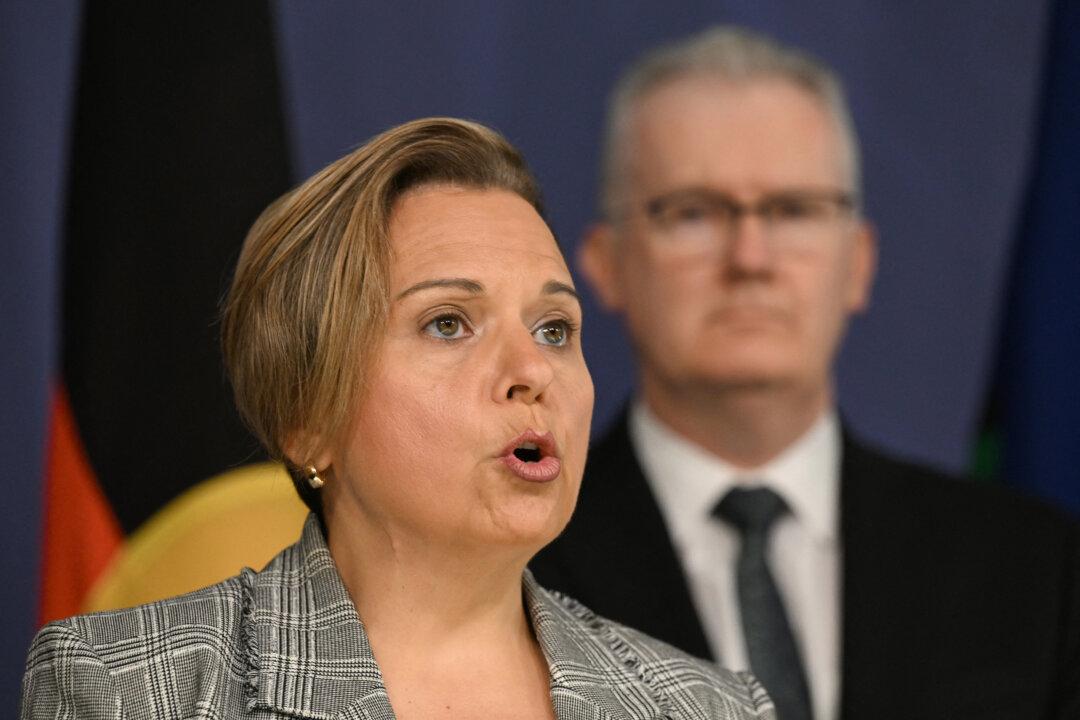
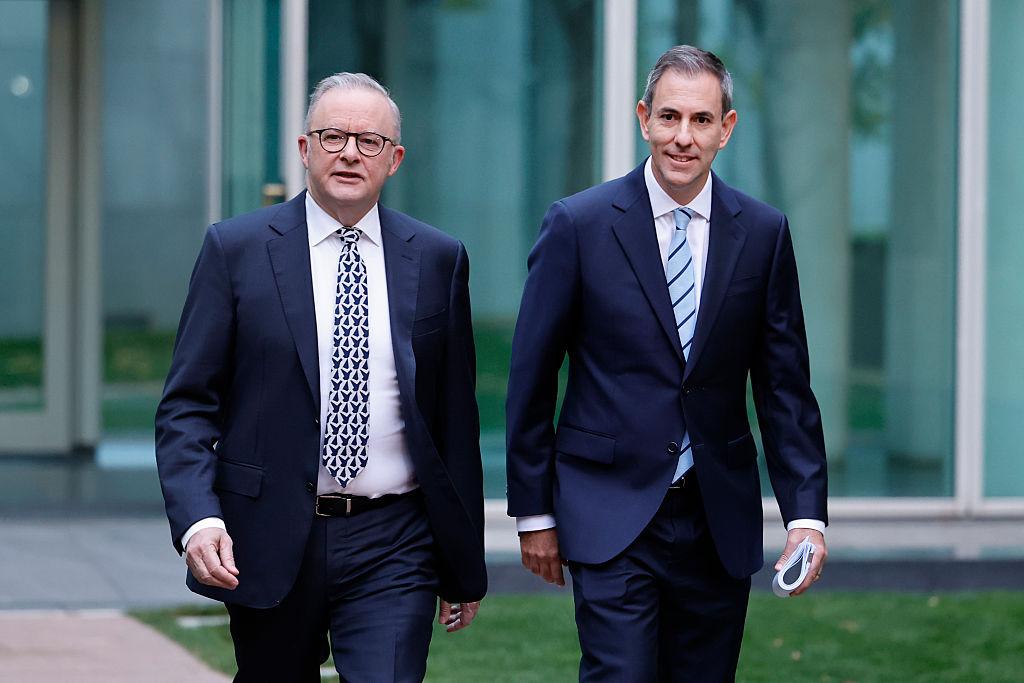
The federal Labor government has announced a new plan to delegate more environmental assessment powers to states and territories in a bid to fast-track housing, energy, and resource project approvals.
Under the plan, Labor will invest more than $45 million (US$32 million) over four years in administrative and regulatory reforms to support new bilateral agreements between the federal and state governments.
These agreements would allow states and territories to conduct environmental assessments and approvals on behalf of the federal government, effectively reducing duplication between federal and state environmental processes. At present, project developers are required to secure separate state and federal approvals.
It is worth noting that under the new system, projects would still need to comply with new National Environmental Standards introduced by Labor in 2025.
A new National Environmental Protection Agency, due to begin operating in July, will oversee the bilateral agreements.
Prime Minister Anthony Albanese said current environmental laws were not “fit for purpose.”
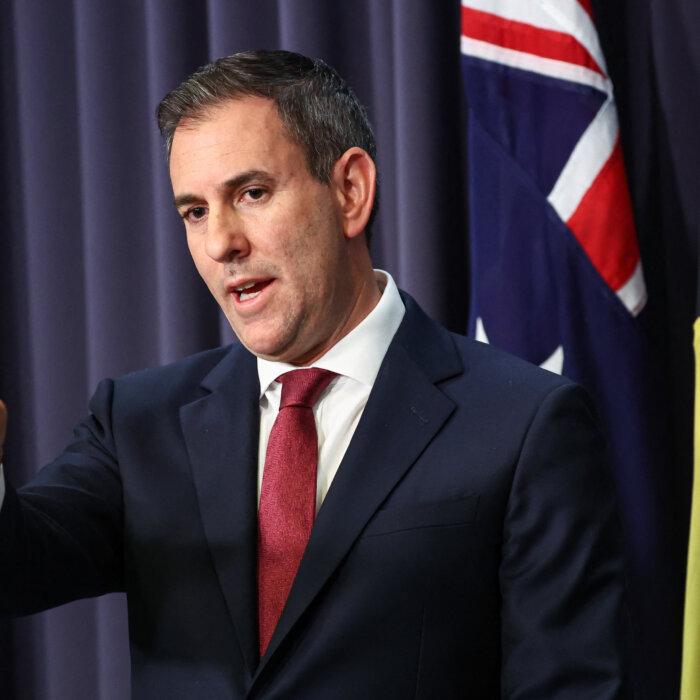
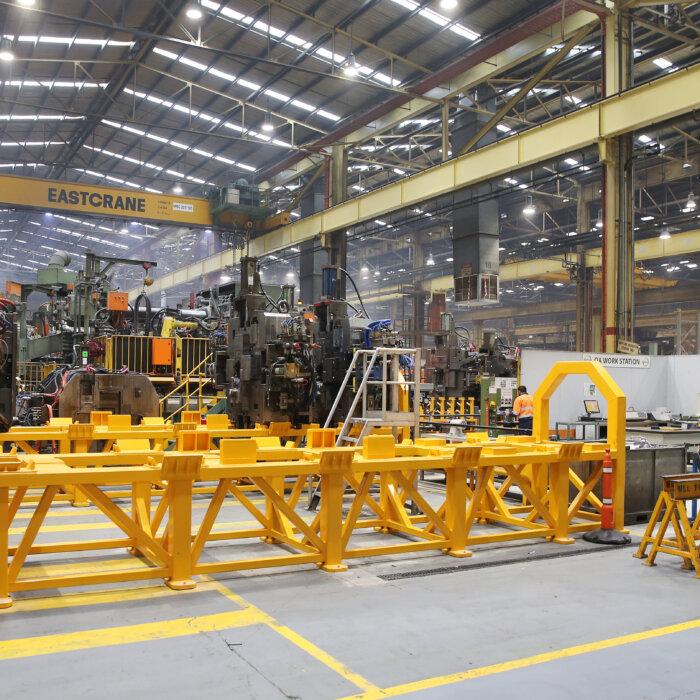
“They weren’t fit for protecting the environment. They weren’t fit for giving business and industry certainty to progress. And this is about common sense reforms to remove duplication and to deliver environmental outcomes that are clear and consistent,” he told reporters.
“We want to make sure this gets done. This is about productivity improvements. It’s about quicker Yes or Nos, which is what industry really wants, whether it is resources projects, housing projects, infrastructure projects, to make a difference going forward as well.”
Industry Pushes to Cut Red Tape
The announcement comes as the government faces mounting pressure to address delays that industry groups say are slowing investment.Early this month, nearly 30 industry groups called for a 25 percent cut in regulatory costs, warning overlapping government processes are driving up costs for businesses and households.
The Alliance of Industry Associations said the current system was fragmented and expensive.
Business groups said the burden was particularly heavy for small operators.
“For small businesses, red tape often means hours each week spent navigating compliance complexity instead of running their business,” said Skye Cappuccio, CEO of the Council of Small Business Organisations Australia.
Cappuccio’s comment was echoed by Business Council of Australia CEO Bran Black.
“In Victoria, a café owner needs 37 separate licences and approvals before they can pour the first coffee, while a tradie on the Gold Coast needs to pay hundreds of dollars in permits just to fix a tap over the NSW border,” he said.
“That kind of red tape adds cost, slows things down and makes it harder to keep goods moving and shelves stocked.”