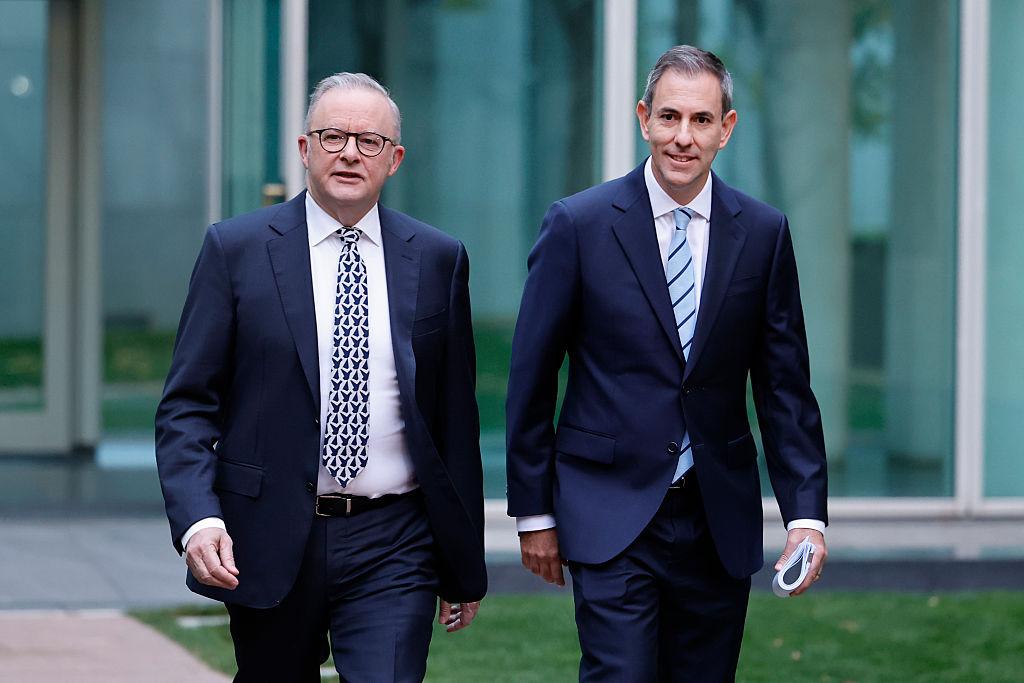
Treasurer Jim Chalmers has introduced a reworked bill to tax superannuation accounts with over $3 million in savings, after Labor failed to find support for its original proposal last year.
Round two of negotiations will kick off after the Treasury Laws Amendment (Building a Stronger and Fairer Super System) Bill 2026 was introduced to parliament on Feb. 11, bundling the revised “$3 million super tax” with an increase to government top-ups for low-income worker savings.
“This is all about making Australia’s super system stronger and more sustainable,” Chalmers said.
The earlier bill would have doubled the tax on $3 million plus retirement balances from 15 percent to 30 percent—traditionally Australian super funds had lower tax rates to encourage voluntary contributions by workers.
The government claims their changes will affect less than 1 percent of account holders.
Labor was forced to rework parts of the plan after criticism that the $3 million threshold should be indexed to CPI, and that “unrealised” gains on paper should not be taxed.
Changes for Low Income Earners
The bill will also lift the Low Income Superannuation Tax Offset (LISTO) threshold from $37,000 to $45,000 from 1 July 2027, matching the second income tax bracket.The maximum LISTO payment will rise to $810, reflecting increases in the Superannuation Guarantee rate.
Coalition Opposes, Greens Flag Negotiation Path
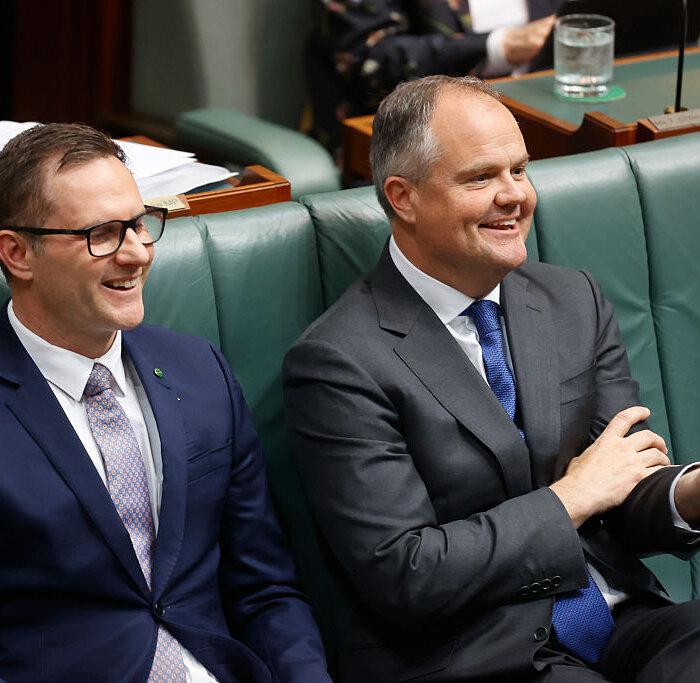
Although debate on the bill was adjourned for a later date, Shadow Treasurer Ted O’Brien did criticising it, arguing it was driven by government spending pressures.“When Labor run out of money, they always come after yours,” O’Brien said.
He said Chalmers was using the revised version of the policy to distract from the earlier proposal.
“Chalmers’ latest idea isn’t economic reform, but damage control. He announced super tax 2.0 to deflect attention from super tax 1.0,” he said.
With the Coalition signalling its opposition, Labor needs the Greens to support it for Senate passage.
Greens economic justice spokesperson Senator Nick McKim said the party had not reached a final position but suggested negotiations were possible.
“It was a bit difficult to have the conversations when we hadn’t seen the legislation, so we‘ll have a look at the bill now and I’ve got no doubt there’ll be conversations on some level with government around our approach here,” McKim told ABC News.