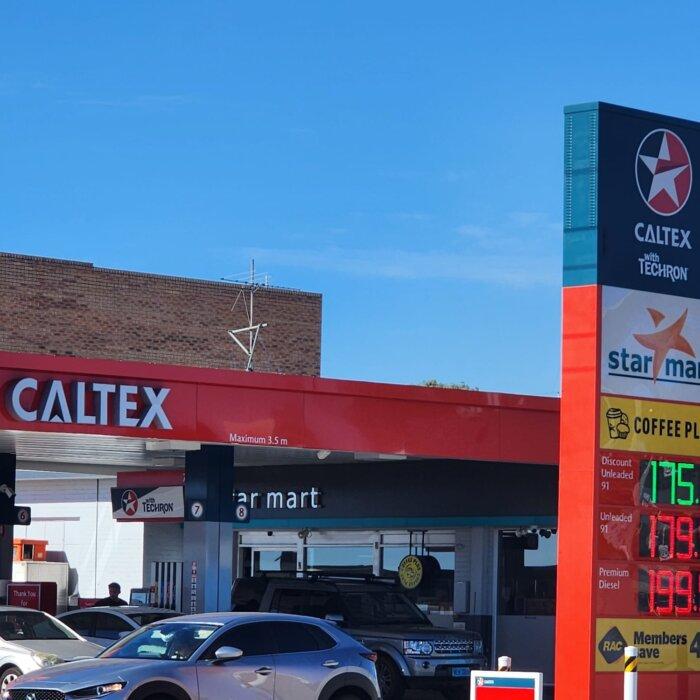
Energy Minister Chris Bowen has announced a temporary relaxation of Australia’s fuel quality standards in a bid to increase domestic supply and ease pressure on fuel prices.
The measure will allow petrol with higher sulfur levels to be sold in Australia for 60 days, a step the government says will redirect additional supply into the domestic market.
The change is expected to bring around 100 million litres of petrol per month into Australia’s fuel system—supply that would otherwise have been exported overseas.
On March 12, Bowen said the additional fuel would be directed to regions experiencing shortages, particularly in rural and regional Australia.
The minister noted that the policy aims to ease distribution pressures that have intensified during the ongoing conflict in the Middle East.
“While Australian fuel consumption has not changed, this will help relieve pressure on distribution chains disrupted by elevated demand,” Bowen said in a statement.
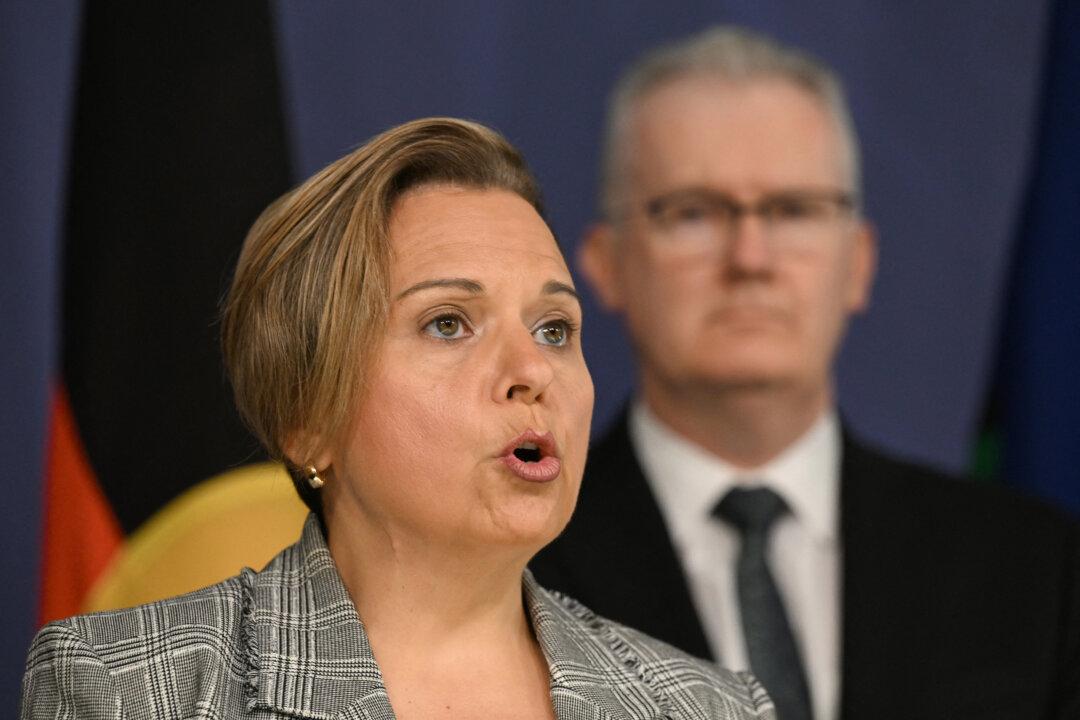
“The government has been unequivocal–this additional supply must help the people who need it, including farmers, fishers and regional communities.”
Bowen also confirmed the government had activated the national coordination mechanism, allowing federal authorities to work closely with fuel suppliers and retailers as the international situation evolves.

Fuel Supply Debate Dominates Parliament
Meanwhile, fuel security has become a central issue in federal parliament this week, with the opposition questioning the government about potential shortages.During a recent parliamentary session, Opposition Leader Angus Taylor asked whether the government could guarantee that Australia would not run out of fuel amid the ongoing Iran conflict.
He quoted that the resources minister had declined to offer such a guarantee during a media interview.
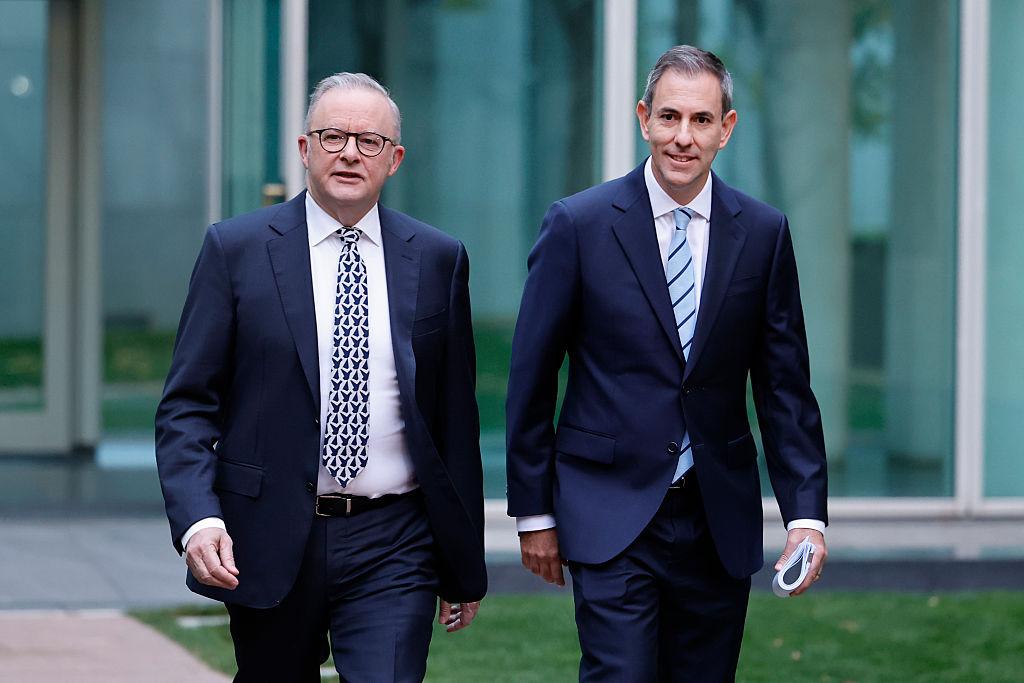
Prime Minister Anthony Albanese responded by saying the government was examining all practical options to maintain stable fuel supply across the country.
He said officials were working to ensure that essential industries and communities—particularly in rural areas—continue to receive reliable fuel deliveries.
“We continue to see ships arrive carrying fuel in the quantities and frequencies we expect. The longer the conflict in the Middle East goes on, obviously, the more significant the impact will be on the global economy,” Albanese said.
Opposition continued to press the government with Taylor citing comments from the energy minister about a potential national fuel crisis.
“The minister for energy has just informed the House that Australia is in, I quote, ‘A national crisis on fuel’. Is the minister correct?” he asked.
Fertiliser and Food Price Concerns
There have also been concerns about fertiliser supplies and rising food prices among politicians.The Middle East is not only a major oil producer but also supplies up to 45 percent of the world’s urea—the most widely used nitrogen fertiliser for crops such as wheat and vegetables.
Briefing parliament, Minister for Agriculture, Fisheries and Forestry Jullie Collins said the government was aware of challenges facing farmers and producers nationwide and was working to ensure the supplies of fertiliser.
“[Industry] Minister [Tim] Ayres and I are working with industry and the ACCC on similar arrangements for fertiliser supply,” she said.
“While much of the fertiliser required for the upcoming season is already in the country or on the water, we do continue to closely monitor this situation, and will keep listening and working with farmers and industry to ensure the supply that is available.”