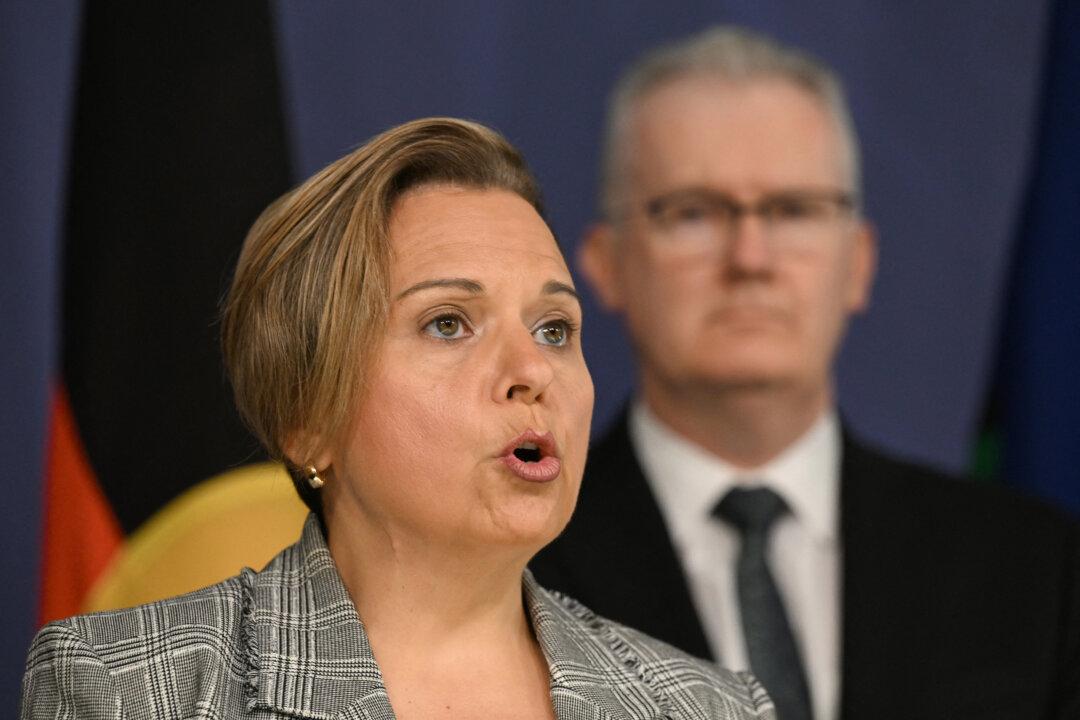
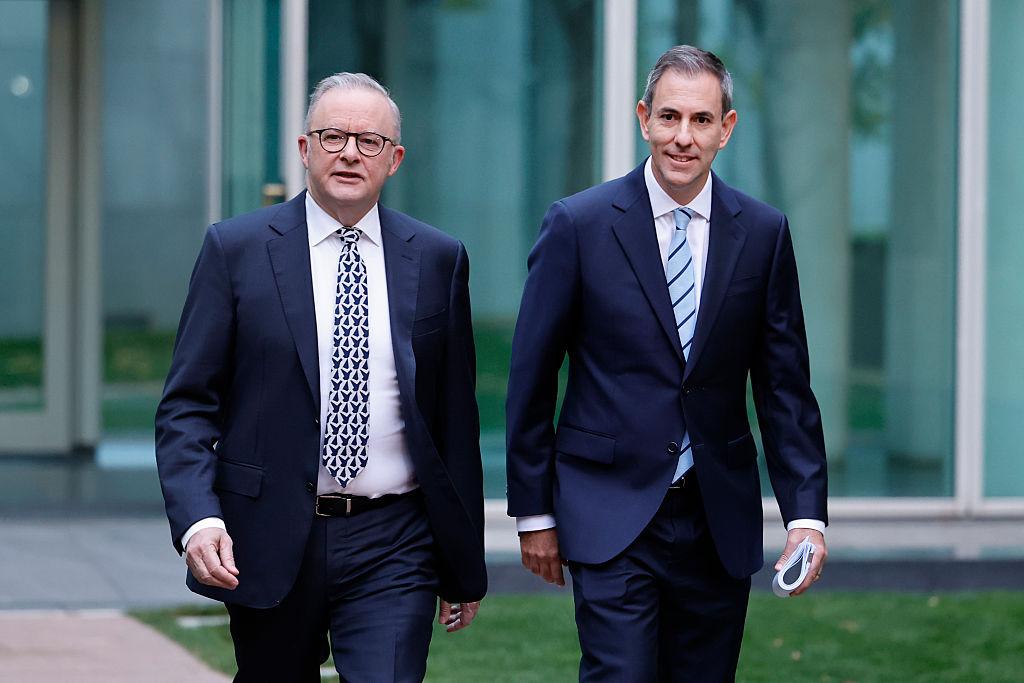
Australia has temporarily closed several diplomatic missions in the Middle East as the conflict between Iran, Israel, and the United States intensifies, Foreign Minister Penny Wong confirmed in parliament.
Speaking during Question Time on March 11, Wong said the deteriorating security situation had forced Australia to shut down some embassy operations after missile and drone attacks struck cities across the region.
“At least nine cities in which we have Australian embassies and consulates have experienced missile and drone attacks,” she said.
“Our missions in Abu Dhabi, Dubai, and Tel Aviv have all had to physically close in the last week.”
Wong again urged Australians in the region to closely follow official travel advice and avoid embassy locations. She directed Australians to monitor updates through Smartraveller.
The current crisis began after U.S. and Israeli airstrikes launched on Feb. 28 targeted military and government sites in Iran.

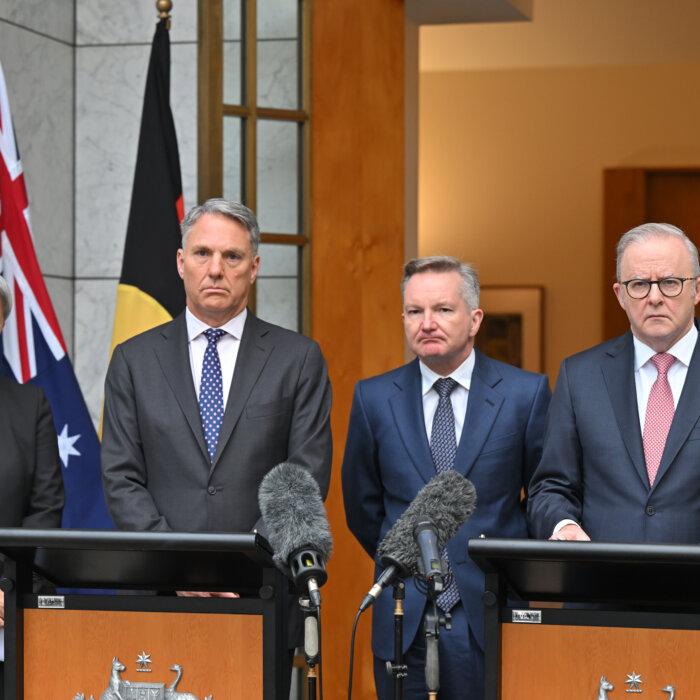
The strikes severely damaged the Iranian leadership structure, reportedly killing senior officials including Supreme Leader Ayatollah Ali Khamenei.
3,200 Australians Evacuated From the Region
The government says it is continuing to assist Australians seeking to leave the Middle East as the conflict spreads.As of March 11, more than 3,200 Australians had returned home on 23 commercial flights, Wong told the Senate.
Commercial air travel remains the quickest way for Australians to leave the region despite ongoing disruptions.
Several airlines have extended refund and rebooking options to assist passengers.
“If possible, please take a seat on a commercial flight. If one is available, it may be the last chance.”
Australia also has around 15,000 citizens in Lebanon, and the government is urging them to leave while it remains safe to do so.
“Australia is deeply concerned by the expansion of the conflict into Lebanon, the loss of life and the displacement of more than 750,000 civilians. This is exacerbating the humanitarian situation in Lebanon,” Wong said.
“I have been clear for some days that we do not wish to see Israel conduct a major ground in offensive into Lebanon.”
Opposition Criticises Evacuation Efforts
The federal opposition has called for stronger efforts to assist Australians.Shadow Foreign Minister Ted O’Brien criticised the government’s handling of evacuations, accusing it of applying different standards to diplomats and the broader public.
“There has been double standards by the government in how they have treated the Australian people on this and that is unacceptable,” O’Brien said early this week.
He argued that diplomatic personnel and their families were evacuated earlier, while warnings to ordinary Australians were delayed.