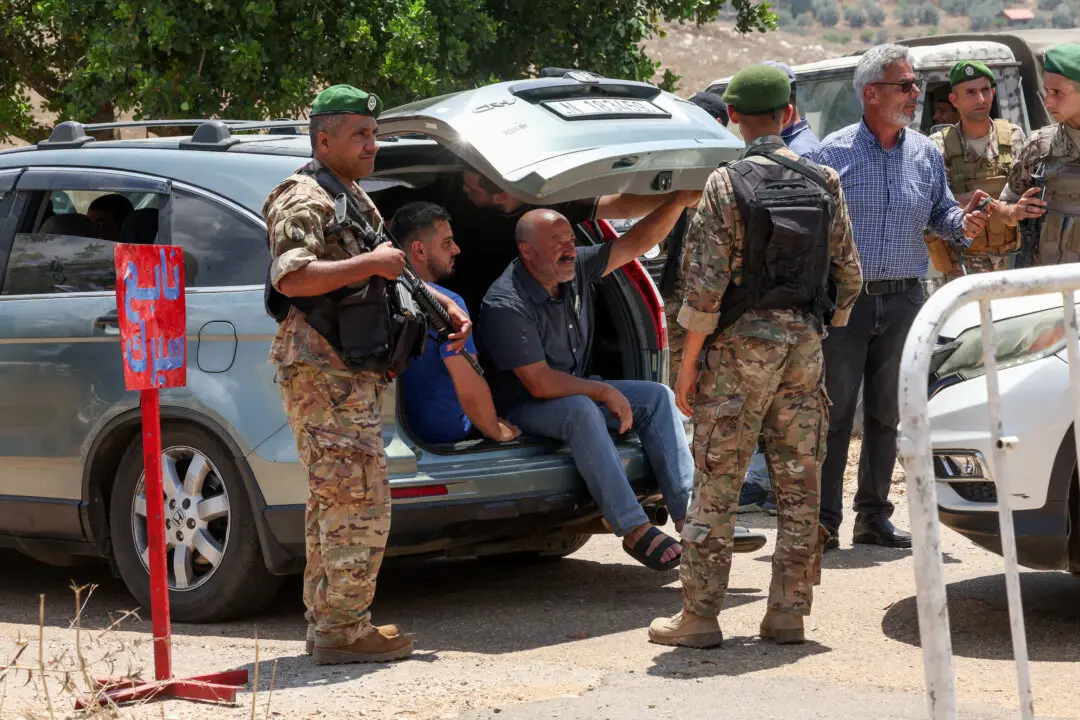
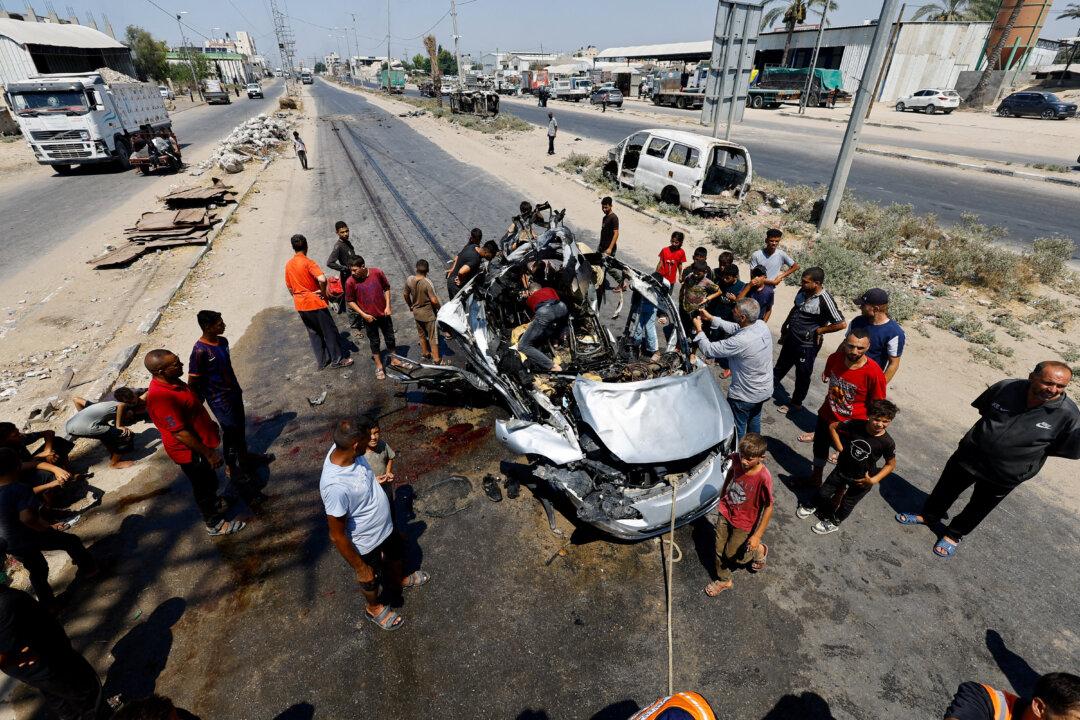
The Israeli military said on July 13 that it had killed Osama Na'im Khamdi Shamlakh, whom it identified as a Hamas Naval Array cell commander, during an airstrike in Gaza.
According to the Israeli Air Force, Shamlakh had sought to rebuild Hamas’s naval capabilities and advance attacks.
The Israeli Air Force also said in a July 14 post on X that another strike in northern Gaza killed three Hamas terrorists who were armed and posed an immediate threat to Israeli troops.
The Israel Defense Forces (IDF) operation was the latest in a string of Israeli strikes that military officials say were aimed at preventing Hamas from rebuilding its military capabilities during the ceasefire.
On July 12, the Israel Defense Forces (IDF) said it struck what it described as a Hamas weapons production site in Gaza City.
The same day, the IDF announced that it had killed Hassan Mustafa Zahir Al-Razina, whom it identified as a Hamas member allegedly attempting to plant explosive devices near the so-called Yellow Line in northern Gaza.
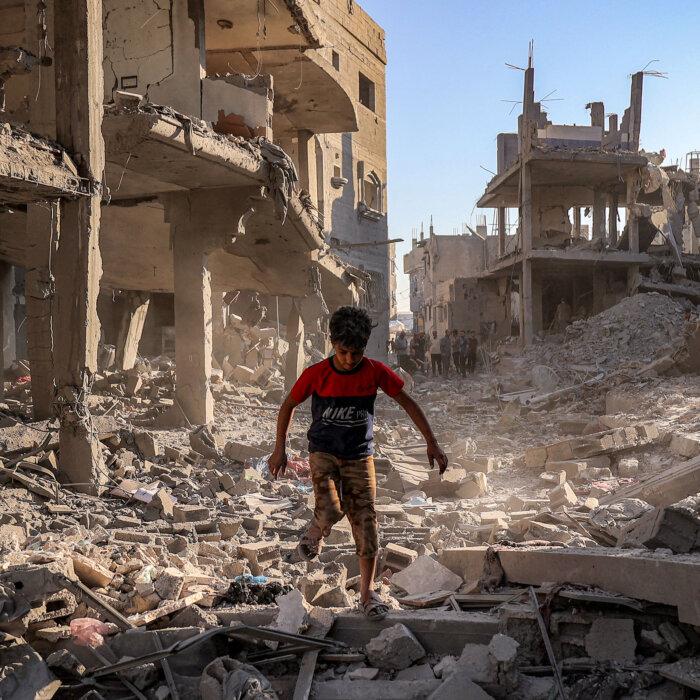
Israeli officials said Mohammad Mahmoud Abd al-Mu’ti Fayyoumi, identified as a Hamas Nukhba member, was also killed in a separate strike after allegedly preparing attacks against Israeli soldiers.
Humanitarian Concerns
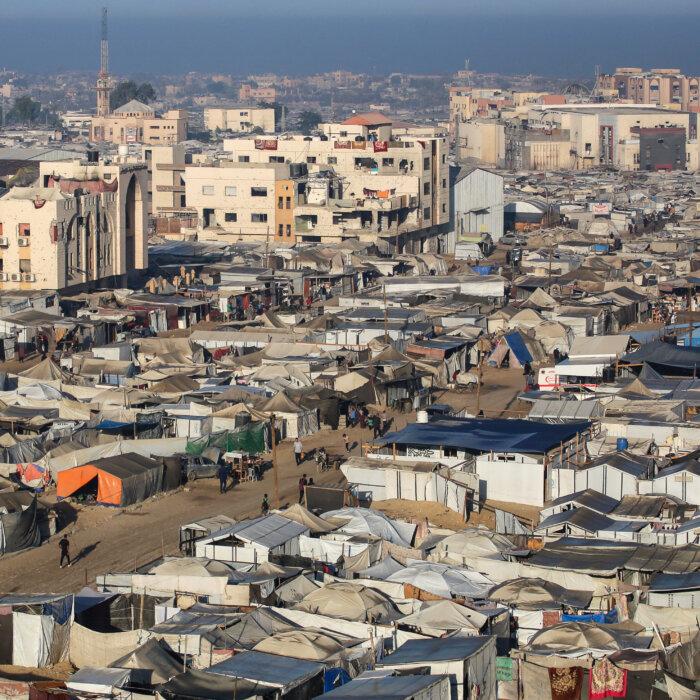
While Israeli officials highlighted military operations, the Hamas-run Gaza Health Ministry warned that civilians continue to face severe hardships.Hospitals in the enclave received the bodies of two people killed during the previous 24 hours and treated 21 others who were wounded, the ministry said on July 14.
The overall death toll since the war in Gaza began had risen to 73,233, with 173,707 injured, it added.
The ministry also said that since the Oct. 11, 2025, ceasefire, 1,110 people had been killed, 3,599 injured, and 800 bodies recovered. The Epoch Times has not independently verified those figures.
The United Nations also expressed concern over worsening conditions affecting humanitarian operations in the enclave.
The U.N. Deputy Special Coordinator for the Middle East Peace Process, Ramiz Alakbarov, on July 13 condemned what he described as Gaza’s de facto authorities interfering with humanitarian aid deliveries.
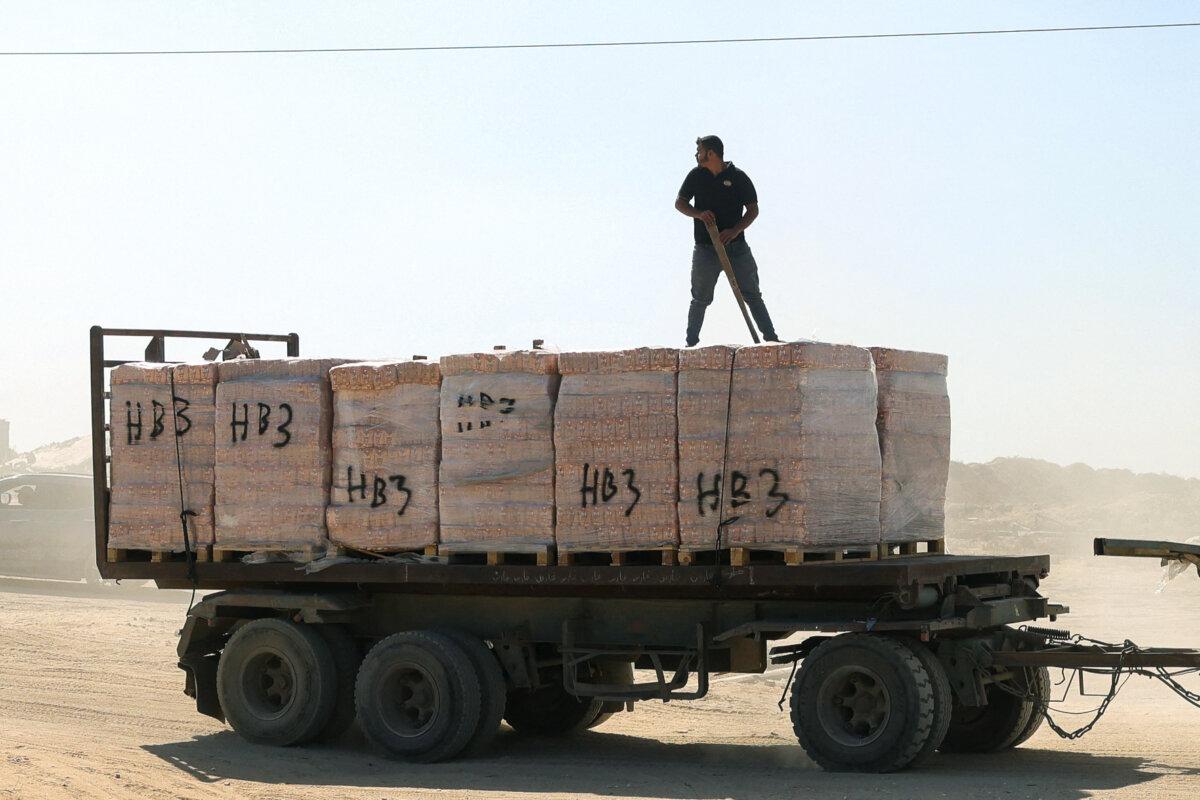
He said armed personnel had forced humanitarian workers to halt food distribution in Jabalia after entering an aid distribution point and a World Food Programme warehouse, where two truck drivers were reportedly assaulted.
“These incidents are not isolated,” Alakbarov said. “They are completely unacceptable and reflect an increasingly dangerous pattern of intimidation, violence and obstruction.”
He also noted that expanding areas under Israeli control were reducing space available for civilians. He stressed that, under international humanitarian law, all parties must protect humanitarian workers and allow relief supplies to move safely and without obstruction.
The Coordinator of Government Activities in the Territories (COGAT), the Israeli defense body responsible for implementing government policy in the Gaza Strip and the West Bank, condemned the Jabalia incident.
International Recovery Efforts
International partners are expanding reconstruction efforts following months of Israel–Hamas conflict.Participating governments include Spain, Denmark, the United Kingdom, Germany, Norway, Finland, Italy, the Netherlands, France, Japan, Switzerland, Sweden, and Belgium, alongside the European Investment Bank and the World Bank. The European Commission said Australia and Canada are also expected to join the initiative.
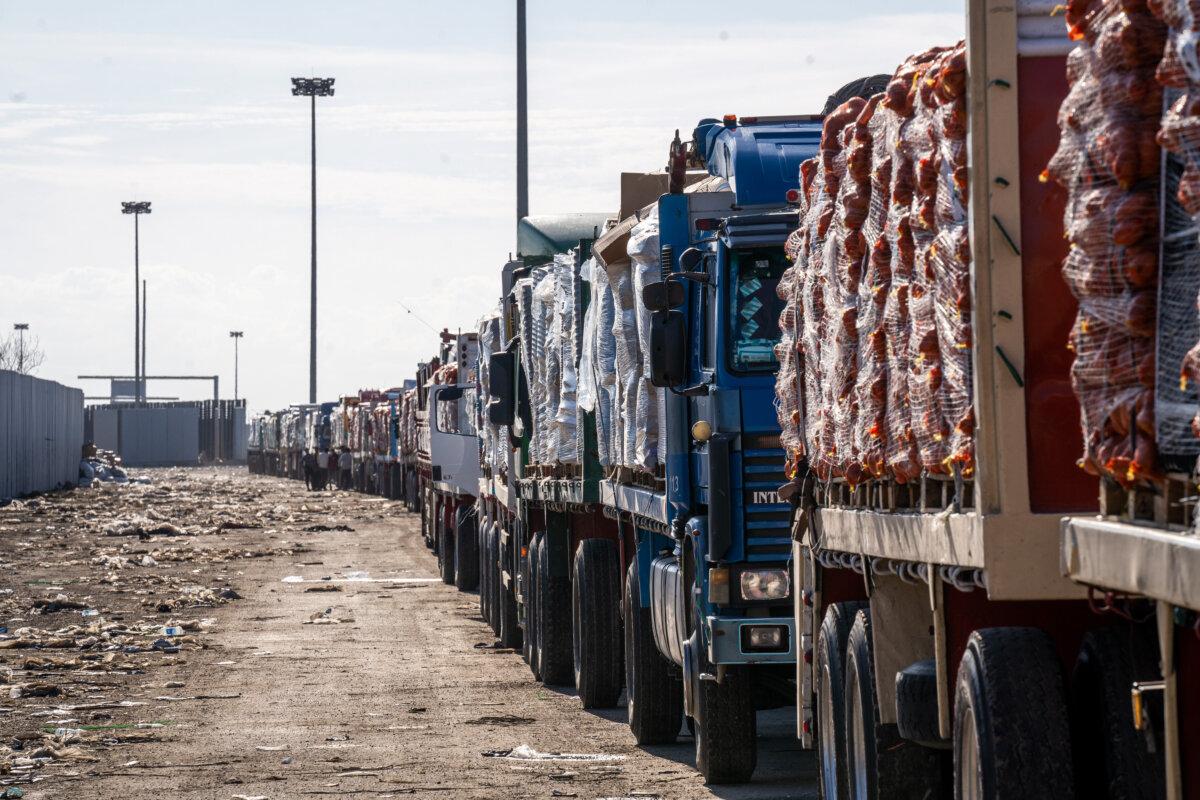
According to the European Commission, the initiative supports the next phase of the U.S.-brokered peace framework under which Hamas is expected to transfer civilian governing responsibilities to a committee of Palestinian technocrats.
The initiative complements broader reconstruction planning under the Board of Peace, which was established under the U.S.-backed Gaza peace plan to oversee longer-term rebuilding and governance.